- English
- French
- German
- Portuguese
- Spanish
- Russian
- Japanese
- Korean
- Arabic
- Greek
- German
- Turkish
- Italian
- Danish
- Romanian
- Indonesian
- Czech
- Afrikaans
- Swedish
- Polish
- Basque
- Catalan
- Esperanto
- Hindi
- Lao
- Albanian
- Amharic
- Armenian
- Azerbaijani
- Belarusian
- Bengali
- Bosnian
- Bulgarian
- Cebuano
- Chichewa
- Corsican
- Croatian
- Dutch
- Estonian
- Filipino
- Finnish
- Frisian
- Galician
- Georgian
- Gujarati
- Haitian
- Hausa
- Hawaiian
- Hebrew
- Hmong
- Hungarian
- Icelandic
- Igbo
- Javanese
- Kannada
- Kazakh
- Khmer
- Kurdish
- Kyrgyz
- Latin
- Latvian
- Lithuanian
- Luxembou..
- Macedonian
- Malagasy
- Malay
- Malayalam
- Maltese
- Maori
- Marathi
- Mongolian
- Burmese
- Nepali
- Norwegian
- Pashto
- Persian
- Punjabi
- Serbian
- Sesotho
- Sinhala
- Slovak
- Slovenian
- Somali
- Samoan
- Scots Gaelic
- Shona
- Sindhi
- Sundanese
- Swahili
- Tajik
- Tamil
- Telugu
- Thai
- Ukrainian
- Urdu
- Uzbek
- Vietnamese
- Welsh
- Xhosa
- Yiddish
- Yoruba
- Zulu
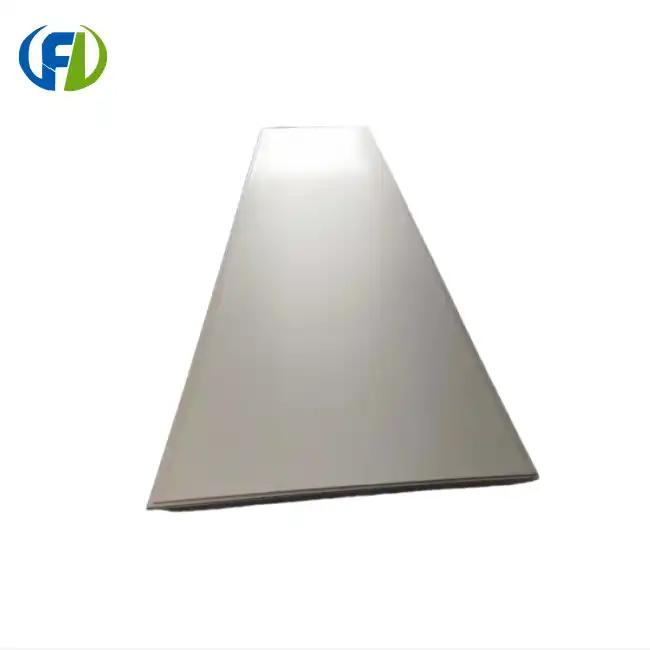
High-temperature resistant titanium alloy TC11 bars and machined parts
Brand: FRL Metal
Name: TC11 Titanium Alloy Rod
Grade: AMS 4928
Density: 4.51 g/cm³
Thickness: 0.01–60 mm
Size: Customized
Standards: ASTM, DIN, EN
Manufacturing Process: Hot Rolled, Cold Rolled
Surface Treatment: Pickled/Bright
Certification: ISO9001
Delivery Time: 5-7 days
Payment Method: Wire Transfer (T/T)
Packaging: Standard Packaging
TC11 is an α+β type heat-resistant titanium alloy. Its core characteristics include excellent long-term heat resistance at 500℃, high room temperature strength, low density, excellent fatigue resistance, and good processability. It is primarily used for hot-end components in aero-engines.
I. Basic Composition (Nominal)
Ti-6.5Al-3.5Mo-1.5Zr-0.3Si
Aluminum (Al): Solid solution strengthening, improved heat resistance; Molybdenum (Mo): Strong β-stabilization, creep resistance; Zirconium (Zr): Refines microstructure, stabilizes phase; Silicon (Si): Creep resistance, heat resistance.
II. Core Physical and Mechanical Properties (Bar Stock, Annealed)
Density: 4.48~4.51 g/cm³ (60% of steel)
Phase Transformation Point: 1000±20 ℃
Room Temperature Mechanical Properties:
Tensile Strength ≥1030 MPa (typical 1050–1100 MPa)
Yield Strength ≥900 MPa
Elongation ≥10%, Reduction of Area ≥30%
Hardness: HB 331–343 / HV 320–380
High Temperature Strength (500℃):
Tensile Strength ≥600 MPa
Creep Strength (100h) ≥590 MPa
Creep Resistance: 450℃/150MPa, 1000h creep rate ≈0.1%
Low Temperature Toughness: Maintains good toughness even at -253℃.
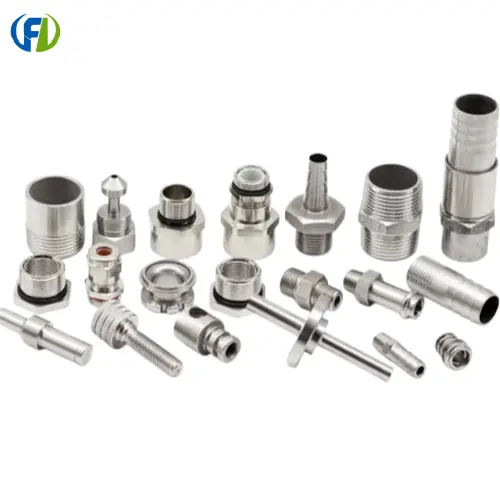 |
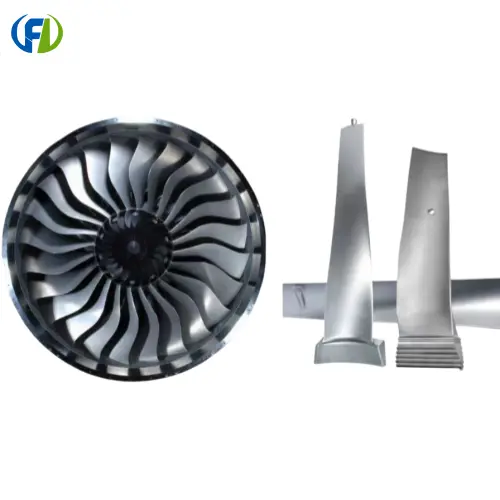 |
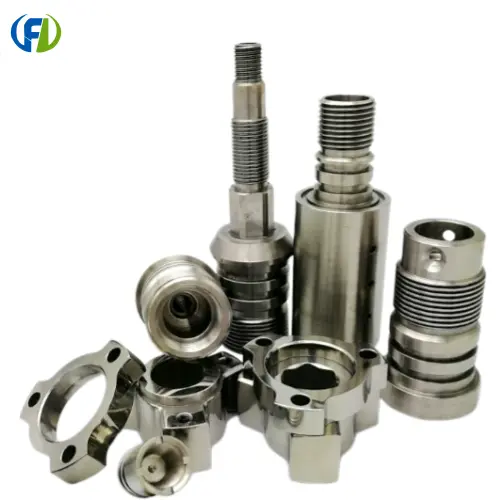 |
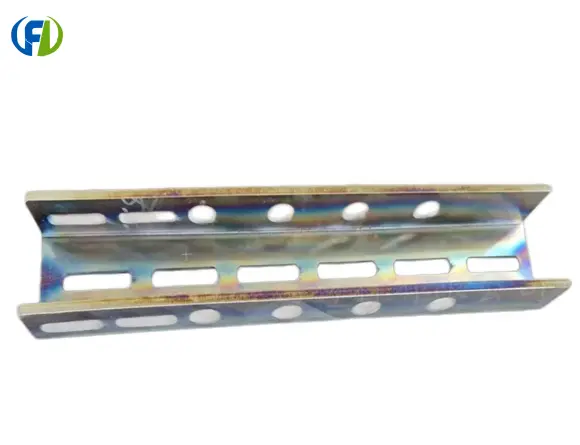 |
III. Microstructure and Heat Treatment Characteristics
Microstructure: Bipolar (α+β), annealed state is equiaxed α+ transforming to β; heat treatment can control the α/β ratio and morphology.
Recommended Heat Treatment: 950℃/2h air cooling + 530℃/8h air cooling, balancing strength and toughness.
Hot Working: Good forging/rolling/isothermal forging performance; weldable, machinable, and exhibits excellent superplasticity.
IV. Corrosion Resistance and Environmental Characteristics
Resistant to seawater, nitric acid, dilute sulfuric acid, and alkaline media (pH≤12).
Not resistant to hydrofluoric acid, concentrated hydrochloric acid, and high-temperature reducing acids.
The microstructure is stable below 500℃; oxidation intensifies above 700℃.
V. Typical Applications
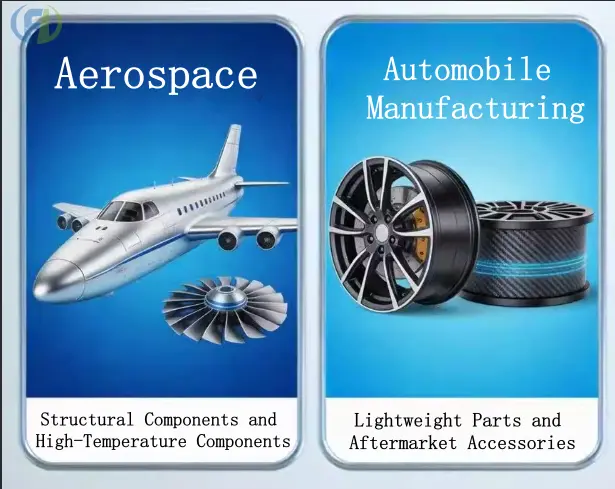
Aero-engines: Compressor discs, blades, drums, journals (long-term 500℃).
Aircraft structural components: High-load, high-temperature resistant, and weight-reducing components.
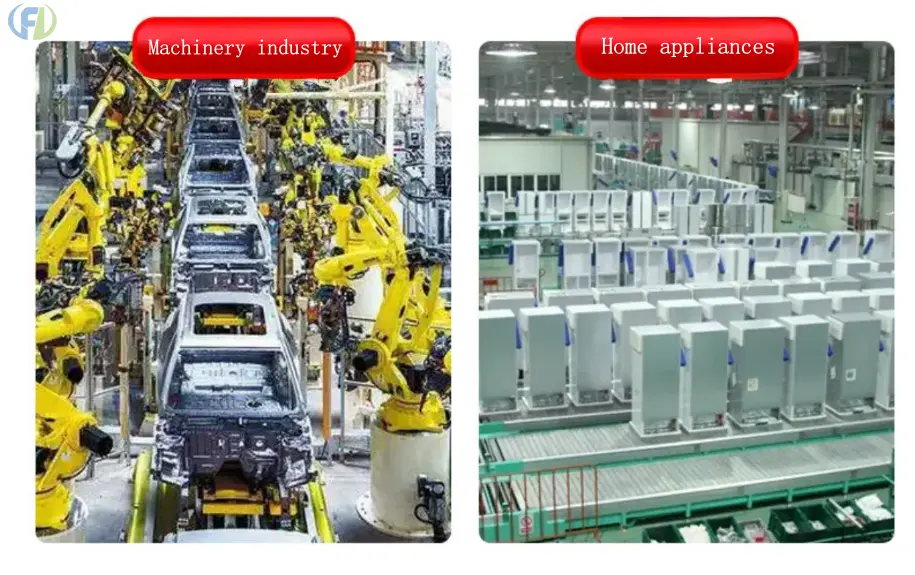
High-end equipment: Key components requiring high strength, heat resistance, and fatigue resistance.
 |
 |
VI. Comparison with Commonly Used Titanium Alloys (Key Points)
TC11 vs TC4 (Ti-6Al-4V): TC11 has significantly higher high-temperature strength and creep resistance (usable at 500℃, while TC4 is only ≤350℃), slightly higher room temperature strength, and a higher price.
TC11 vs TA15: TC11 has superior heat resistance and is stable at 500℃ for extended periods; TA15 is more suitable for medium-temperature (≤450℃) structural components.
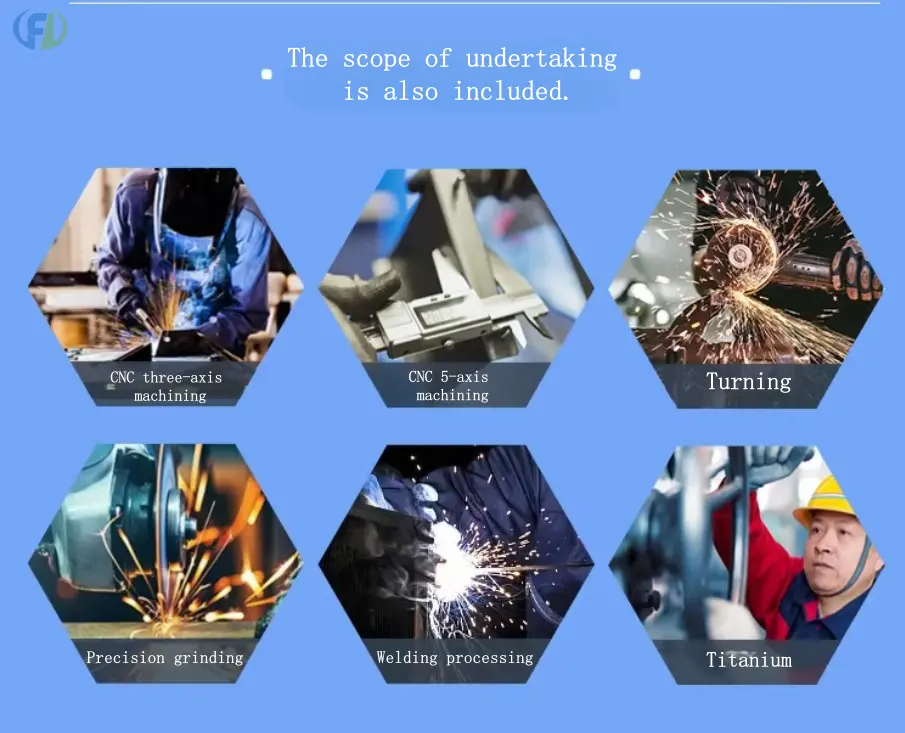
Quality Control and Testing
Each product undergoes rigorous inspection before shipment:
Dimensional Inspection: Precise measurement of thickness, length, and width
Chemical Composition and Mechanical Property Analysis: Third-party testing reports
Surface Inspection: Visual and microscopic inspection for defects
Ultrasonic Testing: Detection of internal defects
 |
Why Choose Us
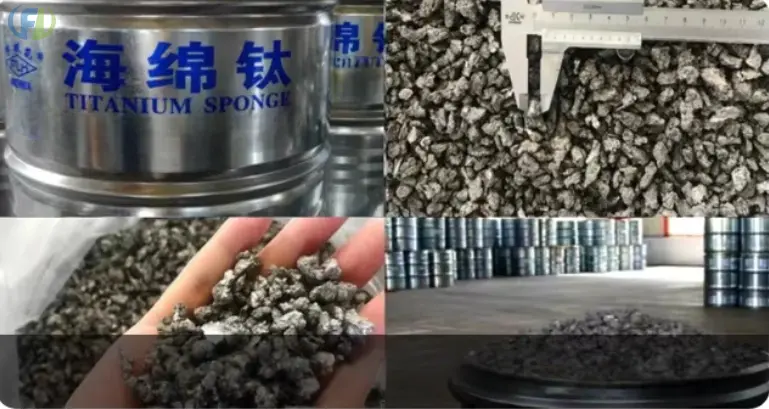
Technology and Quality: Located in Baoji, China's Titanium Valley, we possess professional production technology and extensive experience in non-ferrous metal manufacturing.
Global Coverage: We provide consistently high-quality products to customers in Australia, South Korea, Germany, the USA, the UK, Malaysia, and the Middle East.
Quality Commitment: We never compromise on quality and are responsible for every product we manufacture.
Technical Support: We have professional personnel overseeing the entire process from raw materials to finished products!
 |
 |
Contact Us
Our team is dedicated to serving you and hopes that every product you purchase will meet your expectations!
Email: lucky@bjfreelong.com
WhatsApp: +86 13335371763

Please contact us for detailed quotations and technical specifications. We look forward to becoming your trusted high-end titanium materials partner.
_1745715910120.webp)
_1745733350613.webp)
_1744790696079.webp)
Learn about our latest products and discounts through SMS or email