- English
- French
- German
- Portuguese
- Spanish
- Russian
- Japanese
- Korean
- Arabic
- Greek
- German
- Turkish
- Italian
- Danish
- Romanian
- Indonesian
- Czech
- Afrikaans
- Swedish
- Polish
- Basque
- Catalan
- Esperanto
- Hindi
- Lao
- Albanian
- Amharic
- Armenian
- Azerbaijani
- Belarusian
- Bengali
- Bosnian
- Bulgarian
- Cebuano
- Chichewa
- Corsican
- Croatian
- Dutch
- Estonian
- Filipino
- Finnish
- Frisian
- Galician
- Georgian
- Gujarati
- Haitian
- Hausa
- Hawaiian
- Hebrew
- Hmong
- Hungarian
- Icelandic
- Igbo
- Javanese
- Kannada
- Kazakh
- Khmer
- Kurdish
- Kyrgyz
- Latin
- Latvian
- Lithuanian
- Luxembou..
- Macedonian
- Malagasy
- Malay
- Malayalam
- Maltese
- Maori
- Marathi
- Mongolian
- Burmese
- Nepali
- Norwegian
- Pashto
- Persian
- Punjabi
- Serbian
- Sesotho
- Sinhala
- Slovak
- Slovenian
- Somali
- Samoan
- Scots Gaelic
- Shona
- Sindhi
- Sundanese
- Swahili
- Tajik
- Tamil
- Telugu
- Thai
- Ukrainian
- Urdu
- Uzbek
- Vietnamese
- Welsh
- Xhosa
- Yiddish
- Yoruba
- Zulu
Best High Temperature Zirconia Crucible for Furnaces
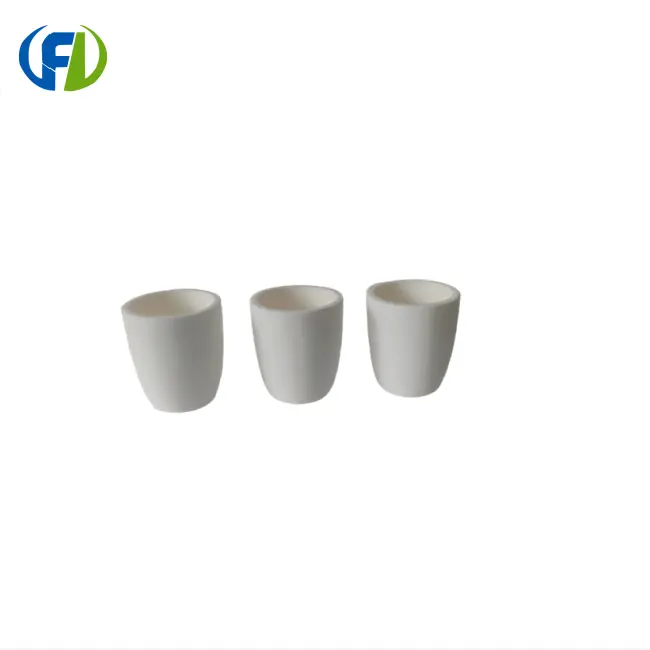
If people want to buy the best high-temperature zirconia crucible for furnaces, they should look for jars made from stabilised zirconium dioxide that can safely handle temperatures above 2000°C. Chemical inertness is unmatched in these crucibles, which keeps important melting and purifying processes from getting messed up. High-temperature zirconia crucibles are better than regular alumina or graphite ones because they can keep temperatures stable and allow for better control of purity in aircraft, electronics, and advanced materials processes.
Introduction
For industrial furnaces to work, the materials used must not break when temperatures rise above normal levels. In the military, electronics, and study fields, high-temperature zirconia crucibles are essential for precise melting, crystal growth, and the synthesis of materials. Unlike other holding vessels, these crucibles keep their shape and chemical balance even when they are exposed to molten metals and acidic and reactive atmospheres.
We know how hard it is for procurement managers to find the right balance between short-term prices and long-term dependability, batch-to-batch uniformity, and avoiding unplanned downtime due to early crucible failure. This guide directly addresses those worries by giving technical information and useful selection criteria made for engineers and OEM clients who need reliable, high-performing solutions. Our goal is to help you make smart choices that will improve business efficiency and keep upkeep costs low.
Understanding High-Temperature Zirconia Crucibles
What Makes Zirconia Crucibles Different?
High-temperature zirconia crucibles are a special kind of refractory containment tank made from zirconium dioxide that has been reinforced with yttria, magnesia, or calcia. This stabilisation process stops the damaging phase change that unstabilised zirconia goes through at 1170°C, which causes the volume to explode and crack. The end result is a crucible that can withstand temperatures of up to 2400°C in controlled environments without breaking down.
Core Performance Characteristics
The engineering that went into making these crucibles solves certain problems in the industrial world. When you melt platinum group metals, nickel-based superalloys, or other high-purity materials, they don't get contaminated because they are so chemically inactive. This is very important in flight uses, where even small impurities can hurt the performance of turbine blades or in semiconductor manufacturing, where contamination can ruin whole production runs. Zirconia doesn't conduct heat well, so it needs to be heated carefully. However, it's a great thermal insulator that helps keep the precise temperature differences needed for crystal growth.
Manufacturing Excellence
Quality high-temperature zirconia crucibles go through a lot of checks and balances during production. Isostatic pressing and controlled sintering help manufacturers get densities higher than 5.8 g/cm³, which means that porosity levels are below 1%. This density is directly related to how well it resists erosion and how long it lasts. To keep the phase stable across the crucible's working temperature range, the buffer content—usually between 3 and 5 per cent magnesia or 8 per cent yttria—must be carefully managed.
A Comprehensive Comparison of High-Temperature Crucible Materials
Choosing the right crucible material is crucial to the success of your business. If you don't, you could face costly downtime and contamination issues.
Temperature Capabilities and Thermal Shock Resistance
Alumina crucibles can only handle temperatures up to 1800°C before they start to soften. Because of this, they can't be used to refine platinum or do some superalloy work. Graphite can handle high temperatures, but it adds carbon to the mix, which can weaken valuable metals and change the chemistry of alloys. Silicon carbide is good at withstanding temperature shock, but it can combine with some molten metals. Zirconia fills in these gaps; it works consistently above 2000°C and stays chemically neutral with a wider range of materials. It can handle thermal shock better than alumina, especially in magnesia-stabilised forms, when temperatures change quickly.
Chemical Inertness Across Applications
Zirconia is more chemically stable than other materials, so it works better in harsh settings. When acidic or basic slags are melted, alumina can slowly break down and release aluminium into the melt. When exposed to air at high temperatures, graphite oxidises and contaminates metals that are easily damaged, such as titanium. Zirconia is thermodynamically stable against most molten metals and slags. However, for highly reactive titanium alloys, it is best to use speciality types that are stabilised by calcia to avoid alpha-case formation.
Mechanical Strength and Service Life
How well a crucible can handle heat and be handled mechanically depends on its bulk density and grain structure. When it comes to wear resistance, high-quality high-temperature zirconia crucibles are better than porous alumina ones. This means that they can be used for longer, even in tough induction-melting jobs. When properly cooled and cleaned, high-temperature zirconia crucibles can be used more than once, which saves money in the long run even though they cost more at first than disposable graphite choices.
How to Choose the Best High-Temperature Zirconia Crucible for Your Operation?
Crucible choosing is affected by the specific needs of each process. The choice of stabiliser is based on how pure the material needs to be. For example, yttria-stabilised zirconia has a smaller grain structure and better mechanical strength, which makes it perfect for uses that need smooth internal surfaces. Versions strengthened with magnesium offer better protection against thermal shock and work better for fast heating cycles in induction furnaces. This choice is based on your highest working temperature, hold time, and the conditions of the atmosphere.
Defining Your Specific Requirements
Crucible choosing is affected by the specific needs of each process. The choice of stabiliser is based on how pure the material needs to be. For example, yttria-stabilised zirconia has a smaller grain structure and better mechanical strength, which makes it perfect for uses that need smooth internal surfaces. Versions strengthened with magnesium offer better protection against thermal shock and work better for fast heating cycles in induction furnaces. This choice is based on your highest working temperature, hold time, and the conditions of the atmosphere.
Dimensional and Capacity Considerations
The shape of the crucible affects how heat is distributed and how stable it is mechanically. The thickness of a wall has to be a mix between thermal insulation and structural stability. Thick walls insulate better but take longer to heat up and have more thermal mass. The volume needs for lab study are very different from those for industrial activities, which need tanks that hold litres or more. Custom production of high-temperature zirconia crucibles lets you precisely match the dimensions to the layout of your furnace, which improves thermal efficiency and stops hot spots that speed up decline.
Evaluating Total Cost of Ownership
The price of the purchase is only one part of the issue. A high-quality high-temperature zirconia crucible that can withstand 50 heat cycles is a better deal than cheaper ones that need to be replaced after 10 uses. When doing your math, don't forget to include the cost of contamination. One tainted batch of platinum or superalloy can cost tens of thousands of dollars, which is a lot more than any savings from using a crucible. Think about the costs of downtime and keeping extra units on hand when you need to change the crucibles in the middle of production.
Trusted Suppliers and Brands of High-Temperature Zirconia Crucibles
Identifying Quality Manufacturers
Reliable crucible providers show their dedication by providing detailed quality records. ISO certifications show that quality management is being done in a planned way, but you should look closely at the qualifications that are specific to refractory materials. For each production lot, you should ask for a proof of analysis report that lists the chemicals used, the density, and the pores. Manufacturers who use advanced testing methods like ultrasonic screening for internal voids and dye penetrant testing for surface defects can be sure that their products don't have secret flaws that cause them to fail early.
The Freelong Advantage in Zirconia Solutions
Baoji Freelong New Material Technology Development Co., Ltd. is based in Baoji City, which is known around the world as China's Titanium Valley. They have decades of experience working with hard metals and can make crucibles. Our factory uses its deep knowledge of materials science and its ability to make precise products to make high-temperature zirconia crucibles along with titanium, niobium, and tantalum products. We have strict quality controls throughout the whole production process, from checking the raw materials to doing the final inspection of the dimensions. This makes sure that the consistency that aircraft and electronics makers rely on.
Our dedication to quality and service is shown by the fact that we have clients in Australia, Korea, Germany, and the United States. We work closely with sourcing teams to understand the exact needs of each application. We offer customisation choices for size, capacity, and stabiliser choice. When buyers buy directly from factories, they don't have to pay markups on goods that go through middlemen. They also get fast technical help and a guarantee, which makes purchasing managers feel good about their investment.
Due Diligence in Supplier Selection
Check a supplier's professional responsiveness as well as their qualifications. Can they tell you what the pros and cons of yttria and magnesia stability are for your use? Do they let you try ordering in small amounts before you decide to buy in bulk? When it comes to just-in-time manufacturing, delays are unacceptable, so delivery dependability is very important. Check the supplier's inventory holdings and transportation partnerships to make sure that the product will always be available, even when demand goes up.
Maintenance and Lifespan Optimisation of High-Temperature Zirconia Crucibles
Proper Handling and Pre-Use Preparation
Before the first cooking cycle, the crucible starts to last longer. New high-temperature zirconia crucibles need to be carefully dried out by slowly baking at 200–300°C to stop the gas expansion that leads to breaking. Do not put cold materials into a crucible that has already been fired. Even high-quality zirconia can crack from sudden changes in temperature. Heating rates should stay low, around 3 to 5°C per minute, during the initial temperature-rising phase. This will give the crucible structure time to cool down evenly.
Cleaning Protocols That Preserve Integrity
Residual hardened material is very hard to work with in a high-temperature zirconia crucible. Surface harm from mechanical scraping can speed up the breakdown of materials over time. When using chemicals to dissolve things, they need to be carefully matched to both the material and the crucible. You should stay away from hydrofluoric acid and other harsh chemicals that break down zirconia. Through differential thermal expansion, controlled thermal cycling works well for many operators to get rid of tough leftovers. Instead of freezing, let the high-temperature zirconia crucibles cool down naturally. Quick cooling causes mechanical stress because the residue and crucible walls don't contract at the same rate.
Recognising End-of-Life Indicators
Even high-end crucibles have to stop at some point. Visible surface crazing is a sign of thermal stress that has built up over time. Changes in dimensions, especially wall thinning or lip loss, make structures less stable. Patterns of discolouration can sometimes show signs of a chemical attack or burning in one area. By following regular check methods, you can catch these warning signs before they turn into major problems during operation, protecting against contamination and safety risks.
Conclusion
To choose the best high-temperature zirconia crucible, you need to weigh the costs, technical performance, and needs for your unique purpose. These containers are the most thermally stable and chemically neutral you can find. They keep valuable materials and processes clean. Procurement experts can make sure that crucibles last as long as possible while still running efficiently by understanding the chemistry of stabilisers, the size requirements, and the upkeep procedures. Partnering with makers who offer full technical support and consistent quality gives long-term benefits that go beyond the price of the original purchase.
FAQ
1. What Maximum Temperature Can Zirconia Crucibles Withstand?
Depending on the weather, stabilised high-temperature zirconia crucibles can safely work at temperatures between 2000°C and 2400°C. When made correctly, yttria-stabilised zirconia can hit the top of this range in vacuum or inert gas settings. Most of the time, air atmospheres make temperatures above 2200°C impractical for long periods of time.
2. How Does Chemical Resistance Compare to Alumina or Graphite?
Zirconia is better at not reacting with liquid metals and slags than alumina, which can slowly break down in basic or acidic conditions. Instead of adding carbon to melts like graphite does, zirconia doesn't and doesn't oxidise. Because of this, zirconia is the best material for treating platinum group metals and working with reactive metals, where there is a lot of concern about pollution.
3. Can Crucibles Be Customised for Specific Furnace Dimensions?
Reliable makers give you a lot of ways to customise your order, such as changing the size, capacity, wall thickness, lid designs, and dimensions. By matching the shape of the crucible to the heating patterns of the furnace, custom designs make the best use of heat. When procurement teams work directly with makers like Freelong, they can be very clear about what they need and make sure that quality standards are met through controlled production methods.
Partner with Freelong for premium crucible solutions.
Baoji Freelong New Material Technology Development Co., Ltd. is ready to be your reliable source for high-temperature zirconia crucibles. They can combine advanced production with quick expert support. Our factory is in China's most important refractory metals hub, and it makes crucibles that meet the strict requirements of the aircraft, electronics, and research industries around the world. We can offer reasonable prices because we buy directly from factories and provide full quality paperwork. We can also customise our services to meet your unique business needs.
Email our technical team at jenny@bjfreelong.com to talk about the needs of your product, get full specifications, or set up sample orders. Our engineering staff can help you choose the right crucible by figuring out the best stabiliser makeup and shape for your thermal processing needs. We keep a large collection on hand so that we can meet your needs quickly, and we also offer OEM making for unique needs. Freelong is a trusted partner for buying workers around the world because of its dependability and performance.
References
1. Carter, C.B., and Norton, M.G. (2013). "Ceramic Materials: Science and Engineering," Second Edition, Springer Science & Business Media.
2. Hannink, R.H.J., Kelly, P.M., and Muddle, B.C. (2000). "Transformation Toughening in Zirconia-Containing Ceramics," Journal of the American Ceramic Society, Vol. 83, No. 3.
3. Reed, J.S. (1995). "Principles of Ceramics Processing," Second Edition, Wiley-Interscience Publication.
4. Chevalier, J., Gremillard, L., Virkar, A.V., and Clarke, D.R. (2009). "The Tetragonal-Monoclinic Transformation in Zirconia: Lessons Learned and Future Trends," Journal of the American Ceramic Society, Vol. 92, No. 9.
5. Richerson, D.W., and Lee, W.E. (2018). "Modern Ceramic Engineering: Properties, Processing, and Use in Design," Fourth Edition, CRC Press.
6. Stevens, R. (1986). "Zirconia and Zirconia Ceramics," Magnesium Elektron Publication No. 113, Twickenham, UK.

_1767939158659.png)
_1745725777153.webp)
Learn about our latest products and discounts through SMS or email