- English
- French
- German
- Portuguese
- Spanish
- Russian
- Japanese
- Korean
- Arabic
- Greek
- German
- Turkish
- Italian
- Danish
- Romanian
- Indonesian
- Czech
- Afrikaans
- Swedish
- Polish
- Basque
- Catalan
- Esperanto
- Hindi
- Lao
- Albanian
- Amharic
- Armenian
- Azerbaijani
- Belarusian
- Bengali
- Bosnian
- Bulgarian
- Cebuano
- Chichewa
- Corsican
- Croatian
- Dutch
- Estonian
- Filipino
- Finnish
- Frisian
- Galician
- Georgian
- Gujarati
- Haitian
- Hausa
- Hawaiian
- Hebrew
- Hmong
- Hungarian
- Icelandic
- Igbo
- Javanese
- Kannada
- Kazakh
- Khmer
- Kurdish
- Kyrgyz
- Latin
- Latvian
- Lithuanian
- Luxembou..
- Macedonian
- Malagasy
- Malay
- Malayalam
- Maltese
- Maori
- Marathi
- Mongolian
- Burmese
- Nepali
- Norwegian
- Pashto
- Persian
- Punjabi
- Serbian
- Sesotho
- Sinhala
- Slovak
- Slovenian
- Somali
- Samoan
- Scots Gaelic
- Shona
- Sindhi
- Sundanese
- Swahili
- Tajik
- Tamil
- Telugu
- Thai
- Ukrainian
- Urdu
- Uzbek
- Vietnamese
- Welsh
- Xhosa
- Yiddish
- Yoruba
- Zulu
Best Applications of TA1 Titanium Plates in Aerospace Industry
In the tough world of aerospace engineering, TA1 Titanium Plate is a key material that changes the way planes are designed and how well they fly. TA1 grade is commercially pure titanium that can be used in a wide range of aircraft uses. It is known for its high resistance to corrosion, ease of shaping, and good compatibility with living things. These plates are great for aircraft engineers because they are both lightweight and reliable mechanically. They can be used for everything from important structural parts to precision-engineered parts. Modern airplanes, satellites, and military systems that must maintain safety and performance must use this material, which can survive harsh environmental conditions while keeping its structural integrity.
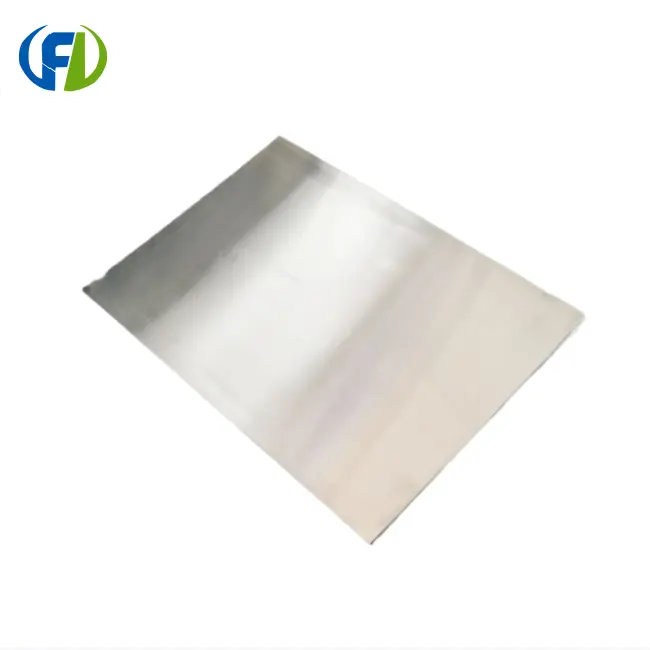
Understanding TA1 Titanium Plates in Aerospace
TA1 Titanium Plate is an important material in the tough field of aircraft engineering. It changes how planes are built and how well they move. TA1 grade titanium is clean enough for business use and can be used in many ways on airplanes. It's well-known for not rusting, being easy to shape, and getting along well with living things. These plates are great for airplane engineers because they are strong physically and don't weigh much. As well as important structural parts, they can be used for parts that need to be made very precisely. This material is used in modern defense systems, satellites, and airplanes that need to stay safe and work well. It can withstand harsh environments and still keep its shape.
People who make things and experts often choose TA1 titanium plates because the aircraft business is always looking for strong materials that last a long time, and are light. Only a few alloying elements are present in TA1 because it is commercially pure titanium. It won't rust and is easier to shape than other types of titanium because of this.
Chemical Composition and Properties
The iron content of TA1 titanium is usually less than 0.20%, the oxygen content is less than 0.18%, and the hydrogen content is less than 0.015%. This carefully chosen mix makes sure that the mechanical qualities stay the same, which is important for aircraft use. The tensile strength of the material is between 240 and 345 MPa, which means it can be used for parts that need to be moderately strong but also very flexible.
The composition of TA1 titanium is mostly made up of alpha-phase titanium, which helps explain why it is so easy to cold shape and weld. These traits are very helpful when making complicated aircraft parts that need to be shaped or joined in very specific ways.
Manufacturing Standards and Certifications
T1 titanium plates used in aircraft have to meet strict standards set by the industry, like ASTM B265 and AMS. These rules make sure that resources can be tracked, that quality always stays the same, and that performance can be counted on, even when things get tough. In the manufacturing process, improved quality control measures are used to check things like their mechanical features, ultrasonic testing, and chemical analysis.
When aerospace-grade TA1 Titanium Plates are made, vacuum arc remelting (VAR) methods get rid of flaws and make sure the grain structure is straight. This method of making the material makes sure it meets the strict needs of users in airplanes, where failure is not a choice.
Advantages Over Alternative Materials
Aluminum alloys and stainless steel are common aircraft materials. TA1 titanium, on the other hand, is better at resisting corrosion in coastal settings and stress corrosion cracking. From very cold temperatures (below 0°C) to very hot temperatures (up to 360°C), the material keeps its tensile qualities.
Because TA1 titanium has a very high strength-to-weight ratio, it is possible for airplane elements to be made lighter without sacrificing safety. This weight reduction directly leads to better fuel economy and increased payload capability, both of which are very important in current aerospace design.
Top Applications of TA1 Titanium Plates in the Aerospace Industry
Because TA1 titanium is so flexible and has such great properties, it is a great choice for many aircraft uses. Knowing about these specific uses helps engineers and buying workers choose the right materials for their projects.
Structural Components and Airframe Elements
The fact that TA1 titanium can be shaped and doesn't rust makes it a great material for aircraft body parts. Because it can handle regular pressure changes and being exposed to the elements, the material is great for skin panels and structural frames. TA1 plates are used to make wing parts that are very resistant to wear while still being flexible enough for good aerodynamics.
Another important area where TA1's qualities shine is in landing gear parts. The material is resistant to salt spray and hydraulic fluids, and it can also absorb impact loads. This makes it perfect for parts that have to deal with rough ground and repeated stress cycles.
Engine and Exhaust System Components
Even though TA1 titanium doesn't work as well at high temperatures as superalloys, it can still be used in some engine uses. The material is thermally stable and doesn't rust when it comes into contact with combustion products and moisture in the air, which is good for exhaust pipes and heat shields.
Because TA1 is so easy to shape and weld, it is used for engine peripheral parts like clamps, housings, and mounting hardware. These parts need to have complicated shapes that can be made quickly and easily with TA1's excellent cold-forming properties.
Hydraulic and Electrical Systems
TA1 is compatible with hydraulic fluids and doesn't corrode, which makes it a good material for hydraulic system parts like tubes, fittings, and tank parts. The material is great for systems that need to be very pure and reliable because it has a clean surface and isn't likely to get contaminated.
The electromagnetic compatibility and corrosion protection of TA1 are used in electrical system housings and shelters. When used in harsh settings, the material does a great job of protecting fragile computer parts while keeping its shape.
Custom Fabricated Components
When the aircraft industry needs unique fasteners, brackets, and gear, TA1 titanium plates are the best way to make them. Because the material is so easy to cut and join, it can be used to make complicated, application-specific parts that exactly match the design requirements.
TA1 is useful for research and development because it can be bought in small amounts and different widths. Because of this, aircraft engineers can make prototypes and try new designs without having to commit to large amounts of material.
Comparing TA1 Titanium Plates with Other Materials for Aerospace Applications
Knowing how TA1 titanium stacks up against other aircraft materials can help engineers and purchasing agents choose the best materials. Different materials have different pros and cons that need to be carefully weighed against the needs of the application.
TA1 vs. Other Titanium Grades
It is easier to shape the TA1 grade than the TA2 or TA3 grades because it has fewer impurities. The strength of TA2 is higher, but TA1 is better for uses that need to be shaped or welded in complicated ways because it is more flexible. TA3, which is stronger, is only needed when better mechanical qualities are more important than the shape-forming benefits of TA1.
Because of how much it costs, TA1 is usually the better choice for uses where its mechanical features are good enough. The material is easy to work with, which can lower the cost of production while still meeting the performance standards needed for aircraft use.
TA1 vs. Aluminum Alloys
When compared to military aluminum metals, TA1 titanium is more resistant to corrosion and stays strong at high temperatures. Aluminum is cheaper to work with, but titanium's benefits over its lifetime often make up for the higher original cost. Tiny parts made of titanium often have lower total ownership costs because they last longer and need less upkeep.
Titanium has a lower density than aluminum, which shows in weight comparisons. However, titanium's higher strength-to-weight ratio often allows for thinner sections that save total weight in many uses.
TA1 vs. Stainless Steel
Other materials, like stainless steel, can't compare to TA1 when it comes to protection against corrosion and weight savings. When used in naval and aircraft settings, TA1's resistance to chloride stress corrosion cracking makes it much more reliable than stainless steel choices. Stainless steel isn't good for many aircraft uses where weight reduction is still important because it makes the parts heavier.
Certification and Quality Assurance Considerations
When buying aerospace-grade TA1 titanium plates, it's very important to only buy from approved sources. Suppliers must show that they meet aircraft quality standards, such as AS9100 approval, and keep strict systems in place for tracking materials. It is impossible to stress enough how important Certificate of Analysis (COA) paperwork is. These papers are a must-have for making sure that the qualities and makeup of a substance are correct.
Protocols for quality assurance must include ways to check items as they come in, keep them in the right way, and handle them in a way that keeps them from getting damaged or contaminated. These steps make sure that the great qualities of TA1 titanium are used to make sure that it works well in aerospace uses.
Procurement Considerations for TA1 Titanium Plates in Aerospace
To successfully buy aerospace-grade TA1 titanium, you need to pay close attention to how to qualify suppliers, how to make sure quality standards are met, and how to coordinate operations. Because aerospace uses are so important, you need to know a lot about best practices for buying and supply chain management.
Supplier Qualification and Certification
Suppliers to the aerospace industry must show that they have complete quality control systems that meet or go beyond AS9100 standards. These licenses make sure that providers follow the strict rules for quality control, paperwork, and tracking that are needed for aerospace materials. Supplier audits should check the company's ability to make things, its quality control methods, and its technical know-how in handling titanium.
Long-term relationships with reliable suppliers keep prices and shipping times stable while ensuring uniform quality of materials. Building ties with providers who know what aerospace needs are lowers the risks of buying things and makes the whole supply chain more reliable.
Material Specifications and Standards Compliance
To buy TA1 titanium plates, you need to be very clear about the material standards, measurements, and surface finish needs. ASTM B265 is the main standard for titanium plate goods, but based on the purpose, other aerospace standards may also be used. Making sure everyone knows what is needed ahead of time avoids delays and makes sure the materials provided meet the exact needs of the job.
All shipments of materials must include a Certificate of Analysis document that confirms the materials' chemical make-up, mechanical qualities, and compliance with the production process. This paperwork is added to the fixed record of materials that are needed for aircraft traceability.
Pricing Strategy and Lead Time Management
The price of TA1 titanium depends on the state of the world market, the supply of materials, and the difficulty of processing. Knowing about these things helps you make better budget plans and decisions about when to buy things. A lot of the time, promises to buy in bulk get better prices and make sure that materials are available on time for production plans.
The lead time for aerospace-grade TA1 plates is usually between 8 and 16 weeks, but it depends on the specifications, the amount, and the supplier's availability. Planning buying activities well before they are needed for production keeps things on plan and cuts down on the costs of speeding things up.
Quality Assurance and Inspection Protocols
Incoming checking methods must check the TA1 plates' mechanical properties, surface quality, and correctness of measurements. Ultrasonic screening and other non-destructive testing methods help find internal flaws that could affect how well a part works.
During the manufacturing process, storage and handling methods keep materials in good shape. Sorting and labeling things correctly keeps them from getting mixed up, and steps to stop contamination keep the materials clean, which is important for aircraft use.
Future Trends and Innovations in Aerospace Use of TA1 Titanium Plates
As new technologies and rules come out, they affect how materials are chosen and how they are used in the aircraft business. Knowing about these trends helps experts and people who work in procurement get ready for future needs and possibilities.
Advanced Manufacturing Technologies
The use of TA1 titanium in aircraft is growing thanks to technologies for additive production. Titanium 3D printing is mostly done with powder-based methods right now, but sheet-based technologies may open up new uses for TA1 plates in mixed manufacturing methods. These innovations could cut down on trash while making it possible to make complicated shapes that weren't possible before with old ways of making things.
Digital manufacturing technologies, such as automatic systems for cutting, shaping, and welding, make the production process faster while still meeting the high-quality standards needed for aircraft use. These improvements cut down on production costs and wait times while also making more TA1 uses economically possible.
Environmental Regulations and Sustainability
More people are becoming aware of the need for materials that have less of an effect on the earth over their whole lifetime. The long life and easy recycling of TA1 titanium are in line with environmental goals, and the metal's resistance to corrosion means that protection coatings that might contain dangerous chemicals are not needed as much.
Regulatory changes that focus on airplane pollution indirectly help titanium uses by putting more emphasis on weight loss as a way to save fuel. This trend suggests that TA1 use will continue to grow, since weight savings help improve environmental performance.
Emerging Market Opportunities
The robotic aerial vehicle (UAV) market is growing, which means that TA1 Titanium Plate can be used in more ways. For a longer working life, these bases often need materials that are both light and strong. Space research projects also increase the need for materials that can survive harsh conditions while keeping weight to a minimum.
The growth of commercial space travel opens up new market possibilities as private companies look for materials that are reliable, cost-effective, and good at what they do. Because TA1 has a history of success in aircraft, it is a good fit for these new uses.
Conclusion
TA1 titanium plates are still very important in aircraft manufacturing because they have the best mix of corrosion protection, formability, and dependability for important uses. The material has been used to make airplanes, satellites, and military systems for a long time because it works well in harsh aerospace environments and can be made in a variety of ways. Since environmental concerns are growing as aircraft technologies improve, TA1 titanium's special properties make it an important material for long-term aerospace growth. If procurement workers and engineers know about these features, they can use TA1's benefits to make their ideas better while still meeting strict aerospace standards for safety, performance, and dependability.
FAQ
Q1: What makes TA1 titanium plates ideal for aerospace applications?
TA1 titanium plates are great for aircraft uses because they don't rust, are easy to shape, and have a good strength-to-weight ratio. The material stays the same over a wide range of temperatures and doesn't crack from stress rust in tough conditions. Because it is biocompatible and easy to handle, it can be used in situations that need high cleanliness and dependability.
Q2: How does TA1 compare to other titanium grades for aerospace use?
Because it has fewer impurities, TA1 is easier to shape than the TA2 and TA3 types. This makes it perfect for complicated shaping processes. Weldability and flexibility are two qualities that TA1 has that make it more valuable than other grades' higher strength in situations where making is important.
Q3: What kinds of approvals should I look for in TA1 titanium plates that are used in aerospace?
Suppliers should keep up with both the AS9100 aircraft quality approval and the ASTM B265 material standard. All shipments must include a Certificate of Analysis paper that verifies the chemical makeup and mechanical qualities. Traceability paperwork makes sure that products meet the quality and performance standards set by aerospace.
Q4: What are typical lead times for TA1 titanium plate orders?
Lead times usually run from 8 to 16 weeks, but they rely on the specifications, the amount, and the supplier's availability. Delivery times may be longer if you need custom sizes or special handling. Planning purchases ahead of time helps make sure that materials are available when they are needed for production plans.
Q5: How should you treat and store TA1 titanium plates?
For storage to work right, it needs to be clean, dry, and protected from getting dirty. Identifying and separating materials keeps them from getting mixed up, and following the right handling steps keeps the surface quality. During the manufacturing process, contamination control methods make sure that materials stay clean enough for use in aerospace applications.
Partner with Freelong for Your TA1 Titanium Plate Requirements
Aerospace companies looking for dependable TA1 Titanium Plate suppliers will find that Freelong's wide range of skills makes it perfect for tough aerospace uses. Our plant is in Baoji City, which is in China's Titanium Valley. It uses cutting-edge production technology and strict quality control systems that meet aerospace standards around the world. We keep a large stock of aerospace-grade TA1 plates in a range of thicknesses and sizes, so we can quickly meet your production needs.
The aerospace makers in the US, Germany, Australia, and the UK depend on our global supply network for steady quality and on-time delivery. As a well-known company that makes TA1 Titanium Plates, we know how important it is for aerospace uses to be able to track materials, make sure they meet certification requirements, and get expert help. Email our aerospace materials expert at jenny@bjfreelong.com to talk about your unique needs and find out how our track record in processing titanium can help your aerospace manufacturing success.
References
1. Boyer, R., Welsch, G., & Collings, E.W. Materials Properties Handbook: Titanium Alloys. ASM International, Materials Park, OH.
2. Donachie, Matthew J. Titanium: A Technical Guide, 2nd Edition. ASM International, Materials Park, OH.
3. Peters, M., Kumpfert, J., Ward, C.H., & Leyens, C. Titanium Alloys for Aerospace Applications. Advanced Engineering Materials, Volume 5, Issue 6.
4. Lutjering, Gerd, & Williams, James C. Titanium: Engineering Materials and Processes, 2nd Edition. Springer-Verlag, Berlin Heidelberg.
5. American Society for Testing and Materials. ASTM B265 Standard Specification for Titanium and Titanium Alloy Strip, Sheet, and Plate. ASTM International, West Chohocken, PA.
6. SAE International. AMS 4900 Titanium Alloy, Sheet, Strip, and Plate 99.2Ti, Annealed. SAE International, Warrendale, PA.

_1745891280704.webp)
_1772181732682.png)
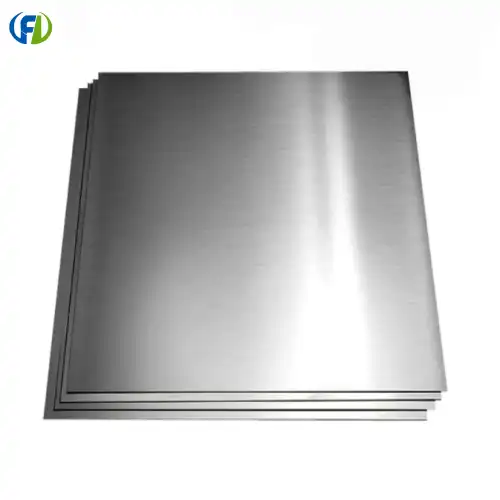
_1747986035507.webp)
Learn about our latest products and discounts through SMS or email