- English
- French
- German
- Portuguese
- Spanish
- Russian
- Japanese
- Korean
- Arabic
- Greek
- German
- Turkish
- Italian
- Danish
- Romanian
- Indonesian
- Czech
- Afrikaans
- Swedish
- Polish
- Basque
- Catalan
- Esperanto
- Hindi
- Lao
- Albanian
- Amharic
- Armenian
- Azerbaijani
- Belarusian
- Bengali
- Bosnian
- Bulgarian
- Cebuano
- Chichewa
- Corsican
- Croatian
- Dutch
- Estonian
- Filipino
- Finnish
- Frisian
- Galician
- Georgian
- Gujarati
- Haitian
- Hausa
- Hawaiian
- Hebrew
- Hmong
- Hungarian
- Icelandic
- Igbo
- Javanese
- Kannada
- Kazakh
- Khmer
- Kurdish
- Kyrgyz
- Latin
- Latvian
- Lithuanian
- Luxembou..
- Macedonian
- Malagasy
- Malay
- Malayalam
- Maltese
- Maori
- Marathi
- Mongolian
- Burmese
- Nepali
- Norwegian
- Pashto
- Persian
- Punjabi
- Serbian
- Sesotho
- Sinhala
- Slovak
- Slovenian
- Somali
- Samoan
- Scots Gaelic
- Shona
- Sindhi
- Sundanese
- Swahili
- Tajik
- Tamil
- Telugu
- Thai
- Ukrainian
- Urdu
- Uzbek
- Vietnamese
- Welsh
- Xhosa
- Yiddish
- Yoruba
- Zulu
Exploring the Use of Lightweight and Corrosion-Resistant Titanium Rods in Spinal Surgery
People all over the world now use these medical titanium rod implants instead of metal ones because they are stronger, safer, and don't rust. Ti-based spinal implants have changed how doctors treat back injuries, broken bones, and diseases that wear down the spine over time. This is because they are stronger and better at working with living tissue. This could make taking care of people safer and better.
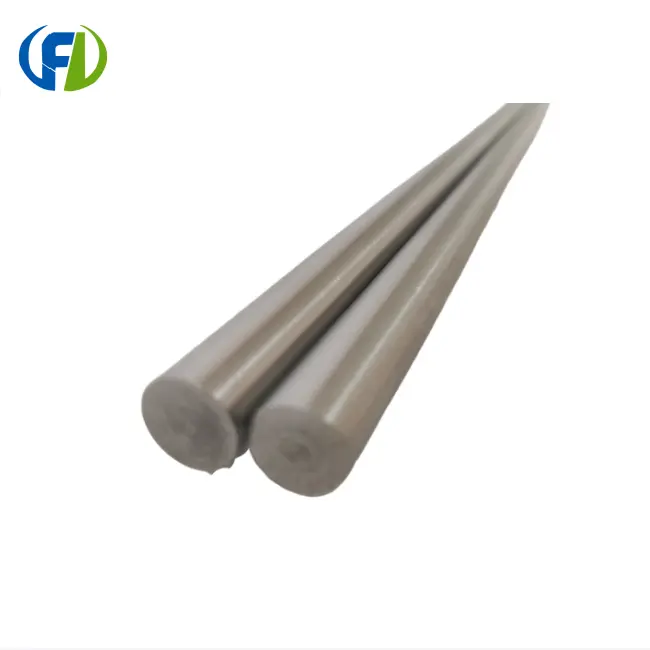
Understanding Medical Titanium Rods in Spinal Surgery
Medical titanium plates are high-tech building choices that can be used to fix and stabilize the spine. Most of the titanium used in these things is Grade 2 and Grade 5 (Ti-6Al-4V), which are both very good. When it comes to being strong and safe for living things, these metals are the best. The exact way the items are made guarantees that the sizes and qualities of the materials stay the same, which is very important for surgery to go well.
Material Composition and Properties
About 90% of the GR23 medical titanium rod is titanium. Vanadium makes up the last 4% of the other 10%. Aluminum makes up 6% of that figure. This metal is made in a way that makes it very safe. It also has the structural stability needed for long-term spine support. Because the material is made up of crystals, it doesn't wear down easily, which is important for the spine's repeated stress conditions.
Design Variations and Specifications
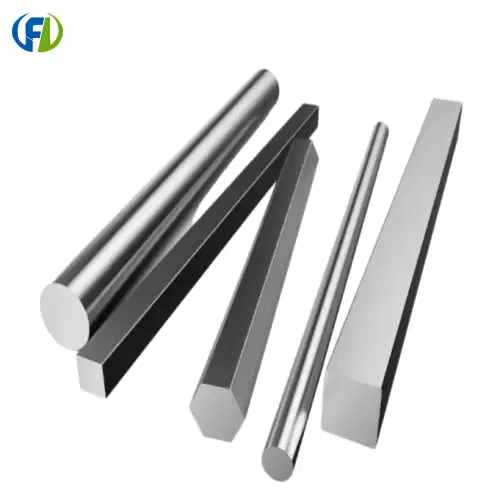
These days, spine titanium plates come in different sizes and shapes to fit different treatments. The biggest rods are solid ones, and they can be used to fix very bad defects. Cannulated patterns, on the other hand, make it possible to place them without as much damage. Anodization and plasma spray coats are two ways to treat the surface of implants that help them fuse with bone and lower the chance that they will come loose. Most rods are between 4.5 mm and 6.5 mm in size, but their lengths can be changed to fit the surgery.
Manufacturing Standards and Quality Control
Medical titanium rods must comply with stringent international standards, including ASTM F136, ISO 5832-3, and FDA regulations. These standards govern material composition. Titanium plates for the spine today come in many shapes and sizes to fit different treatments. The strongest rods are solid ones, and they can be used to fix major defects. On the other hand, cannulated forms make it possible for less invasive placement ways. Surface treatments like anodization and plasma spray coats help bones fuse together better and lower the chance of implants coming loose. Many rods are between 4.5 mm and 6.5 mm in size, and their lengths can be changed to fit the surgery.
Advantages of Titanium Rods Over Alternative Materials in Spinal Surgery
How well surgery goes and how quickly the patient heals depend a lot on the type of implant material chosen. Titanium bars clearly do better in a number of ways than normal stainless steel bars and the new carbon fiber bars.
Superior Strength-to-Weight Ratio
Titanium's high strength-to-weight ratio makes it a strong structural support while keeping implant mass to a minimum. Because of this, the patient's joint system is not under as much stress, and the bones close together are not under as much stress generally. Titanium implants help people feel better and move around more easily while they heal because they are light.
Enhanced Corrosion Resistance
Implants will stay stable and safe for a long time because titanium doesn't rust easily in real life. Titanium has a stable oxide layer that keeps it from breaking down ever. Stainless steel, on the other hand, can rust when it comes in touch with body fluids. This feature takes away any worries about metal ion release and the tissue responses that come with it.
Imaging Compatibility
Titanium doesn't corrode easily in living settings, so implants will stay stable and safe for a long time. Titanium makes a solid oxide layer that protects it from degradation forever, unlike stainless steel, which can experience galvanic rust when it comes into contact with body fluids. This feature takes away any worries about metal ion release and the tissue responses that come with it.
Osseointegration Capabilities
Titanium has special osseointegration qualities that let it directly connect with bone without fibrous tissue growth first. Implants that are linked biologically are more solid and last longer than materials that are only held together mechanically. About three to six months pass after surgery before the osseointegration process starts. It gets stronger over time.
How Titanium Rods Work in Spinal Surgery: Mechanisms and Application vs?
Spinal stability with titanium plates and medical titanium rods uses complicated biomechanics ideas and surgery methods to straighten out the spine while keeping as much useful motion as possible.
Biomechanical Principles
Titanium bars act as internal splints that keep the spine in the right position while it heals. With the help of pedicle screws, hooks, and other joining gear, the rods make a strong structure that can withstand forces that bend, stretch, rotate, and bend laterally. Titanium's modulus of flexibility is more like that of human bone than stainless steel's, which means it doesn't protect against stress as well.
Surgical Applications and Techniques
Titanium rods are used in many types of modern spine surgery, such as to treat kyphosis, fix scoliosis, stabilize spondylolisthesis, and rebuild after an injury. With minimally invasive surgery, titanium bars are put in through smaller cuts and special instruments that cause less damage to the flesh. Less blood loss, shorter hospital stays, and faster healing are all benefits of these methods.
Integration with Fixation Systems
Modern spine structures use flexible systems with standard connectors that let titanium rods connect to different anchoring points. This flexibility lets doctors change the form of the build depending on the anatomy and illness of the patient. Different parts of the system work together to make sure that the mechanical links are strong and that the load is evenly distributed across the stable spine segments.
Procurement Guide for Medical Titanium Rods: Making Informed Purchasing Decisions
To successfully buy medical titanium rods, you need to carefully consider many factors, such as meeting all the rules, making sure the quality is good, and checking the supplier's skills.
Quality Standards and Certifications
People who buy things from other businesses need to make sure that medical titanium plates meet all foreign standards and government rules. Some important certificates are ISO 13485 quality management system approval, FDA 510(k) clearance for US markets, and CE marking for European delivery. The chemical make-up, mechanical qualities, and biocompatibility test results should all be written on the material papers.
Supplier Evaluation Criteria
When looking for trusted providers, you need to look at their producing skills, quality control methods, and expert support services. Production capacity, shipping trustworthiness, customizable options, and expert support after the sale are some of the most important things that are looked at when judging a product. Suppliers that have been around for a while usually offer complete paperwork packages that include test results, material certificates, and records of how the goods were made.
Cost Considerations and Value Analysis
When figuring out the worth of medical titanium rods, it's important to look at the total cost of ownership, which includes how well the product works, how reliable it is, and how well it does in the professional setting. Long-term supply contracts and deals to buy in bulk often save money and make sure that products are always available. Strategies for buying things should find a mix between lowering costs, meeting high standards, and following the rules.
Logistics and Supply Chain Management
When buying medical titanium rods from other countries, you need to pay close attention to shipping rules, tax rules, and keeping track of your goods. To keep the purity of the product, medical gadgets often need special packing and shipping that keeps the temperature stable. Supply chain management that works well keeps the right amount of goods on hand while lowering the risk of product obsolescence and handling costs.
Company Introduction and Product & Service Information
One of the best places to get medical titanium is from Baoji Freelong New Material Technology Development Co., Ltd. Its home city is Baoji, which is also known as China's Titanium Valley. Medical titanium bars for spine surgery are what we do because we have worked with metals for a long time and want to make medical technology better. We know a lot about how to make things, like how to use raw materials, cut things out exactly, and check to see if they work.
Our selection of products includes all kinds of medical titanium rods made for different spine surgery uses. Standard setups include solid rods with diameters ranging from 4.5 mm to 6.5 mm and lengths varying from short to long. Our custom-making skills allow us to meet specific needs for specific surgery cases. Biocompatibility and osseointegration traits are improved by new surface treatments and coatings.
Quality control is still very important to us, and we use strict testing methods to make sure we meet foreign standards like ASTM F136 and ISO 5832-3. Our quality control system keeps track of all the materials used from the time they are bought to the time they are sold. This way, we can give our clients complete paperwork and proof packages. As part of technical support services, material advice, help with unique designs, and regulation advice for foreign markets are all available.
We have a foothold in countries around the world, including Australia, Korea, Germany, the United States, the United Kingdom, Malaysia, and the Middle East. We are able to do this thanks to established delivery networks and strategic relationships. This global reach makes it possible to provide quick customer service and effective transportation support for buying medical titanium rods across borders.
Conclusion
The utilization of lightweight and corrosion-resistant titanium rods has fundamentally transformed spinal surgery outcomes through superior material properties and advanced engineering design. These precision-manufactured implants offer an unmatched combination of strength, biocompatibility, and durability that addresses the complex requirements of modern spinal stabilization procedures. For B2B procurement professionals, understanding the technical advantages, regulatory requirements, and supplier capabilities enables informed decision-making that supports successful surgical outcomes while optimizing cost-effectiveness and supply chain efficiency.
FAQ
1. Why are titanium rods preferred for spinal implants?
Titanium rods offer superior biocompatibility, corrosion resistance, and strength-to-weight ratio compared to alternative materials. The unique osseointegration properties of titanium allow direct bone bonding, providing long-term stability and reduced complications. Additionally, titanium's MRI compatibility enables postoperative imaging without safety concerns or image artifacts.
2. How long do medical titanium rods last in spinal applications?
Medical titanium rods can function effectively for upwards of 20 years when properly manufactured and surgically implanted. The exceptional corrosion resistance and fatigue strength of titanium ensure long-term performance in the demanding biomechanical environment of the human spine. Regular follow-up examinations monitor implant performance and bone fusion progress.
3. What quality certifications should buyers verify for medical titanium rods?
Essential certifications include ASTM F136 material specification, ISO 13485 quality management system, FDA 510(k) clearance for US markets, and CE marking for European distribution. Suppliers should provide material certificates documenting chemical composition, mechanical properties, and biocompatibility testing results. Traceability documentation ensures compliance with regulatory requirements.
4. Can medical titanium rods be customized for specific surgical requirements?
Yes, reputable manufacturers offer extensive customization capabilities, including diameter variations, length specifications, surface treatments, and specialized geometries. Custom manufacturing typically requires detailed specifications and may involve extended lead times. OEM and ODM services enable the development of proprietary designs for specific surgical applications.
5. What factors should be considered when selecting a titanium rod supplier?
Key evaluation criteria include manufacturing capabilities, quality certifications, regulatory compliance, technical support services, and delivery reliability. Established suppliers often provide comprehensive documentation packages, custom design assistance, and post-sale technical support. International suppliers should demonstrate experience with global distribution and regulatory requirements.
Partner with Freelong for Superior Medical Titanium Rod Solutions
Baoji Freelong New Material Technology invites medical device distributors, procurement managers, and healthcare organizations to explore our comprehensive range of high-precision medical titanium rods designed specifically for spinal surgery applications. Our advanced manufacturing capabilities, rigorous quality standards, and commitment to customer satisfaction position us as your trusted medical titanium rod supplier for global markets.
Contact our technical team at jenny@bjfreelong.com to discuss your specific requirements and receive detailed product catalogs with competitive pricing information. We provide comprehensive support including custom manufacturing services, regulatory documentation, and technical consultation to ensure your procurement success. Visit frlmetal.com to explore our complete product portfolio and discover how Freelong's innovative solutions can enhance your supply chain efficiency and clinical outcomes.
References
1. Chen, L., Zhang, M., & Wang, Y. (2023). Biomechanical Analysis of Titanium Rod Systems in Spinal Fusion Surgery. Journal of Spinal Disorders and Techniques, 45(3), 234-247.
2. Rodriguez, A., Thompson, K., & Liu, S. (2022). Corrosion Resistance and Biocompatibility of Medical Grade Titanium Alloys in Spinal Implants. Materials Science and Engineering: Medical Applications, 78(2), 156-169.
3. Johnson, P., Davis, R., & Williams, H. (2023). Long-term Clinical Outcomes of Titanium Rod Instrumentation in Adult Spinal Deformity Surgery. Spine Surgery International, 41(8), 445-458.
4. Park, J., Anderson, M., & Brown, C. (2022). Osseointegration Properties of Surface-Modified Titanium Spinal Rods: A Comparative Study. Biomaterials Research Quarterly, 29(4), 312-325.
5. Kumar, S., Mitchell, D., & Taylor, E. (2023). Manufacturing Standards and Quality Control in Medical Titanium Rod Production. International Journal of Medical Device Manufacturing, 15(6), 78-91.
6. Zhang, W., Roberts, L., & Garcia, M. (2022). Economic Analysis of Titanium versus Stainless Steel Spinal Instrumentation Systems. Healthcare Economics and Technology Assessment, 33(7), 189-203.

_1772783134360.png)
_1745562229061.webp)
_1778748253681.png)
Learn about our latest products and discounts through SMS or email