- English
- French
- German
- Portuguese
- Spanish
- Russian
- Japanese
- Korean
- Arabic
- Greek
- German
- Turkish
- Italian
- Danish
- Romanian
- Indonesian
- Czech
- Afrikaans
- Swedish
- Polish
- Basque
- Catalan
- Esperanto
- Hindi
- Lao
- Albanian
- Amharic
- Armenian
- Azerbaijani
- Belarusian
- Bengali
- Bosnian
- Bulgarian
- Cebuano
- Chichewa
- Corsican
- Croatian
- Dutch
- Estonian
- Filipino
- Finnish
- Frisian
- Galician
- Georgian
- Gujarati
- Haitian
- Hausa
- Hawaiian
- Hebrew
- Hmong
- Hungarian
- Icelandic
- Igbo
- Javanese
- Kannada
- Kazakh
- Khmer
- Kurdish
- Kyrgyz
- Latin
- Latvian
- Lithuanian
- Luxembou..
- Macedonian
- Malagasy
- Malay
- Malayalam
- Maltese
- Maori
- Marathi
- Mongolian
- Burmese
- Nepali
- Norwegian
- Pashto
- Persian
- Punjabi
- Serbian
- Sesotho
- Sinhala
- Slovak
- Slovenian
- Somali
- Samoan
- Scots Gaelic
- Shona
- Sindhi
- Sundanese
- Swahili
- Tajik
- Tamil
- Telugu
- Thai
- Ukrainian
- Urdu
- Uzbek
- Vietnamese
- Welsh
- Xhosa
- Yiddish
- Yoruba
- Zulu
How to Choose the Right Thickness of Tantalum Foil for Capacitor Manufacturing?
Selecting the appropriate thickness of tantalum foil for capacitor manufacturing requires balancing electrical performance, mechanical durability, and application-specific requirements. The optimal thickness directly influences capacitance values, equivalent series resistance (ESR), and overall capacitor reliability. Manufacturers must consider factors such as voltage ratings, operating temperatures, size constraints, and industry standards when determining the ideal foil specification. Understanding these relationships enables engineers to optimize capacitor performance while ensuring compliance with stringent quality requirements across aerospace, electronics, and medical device applications.
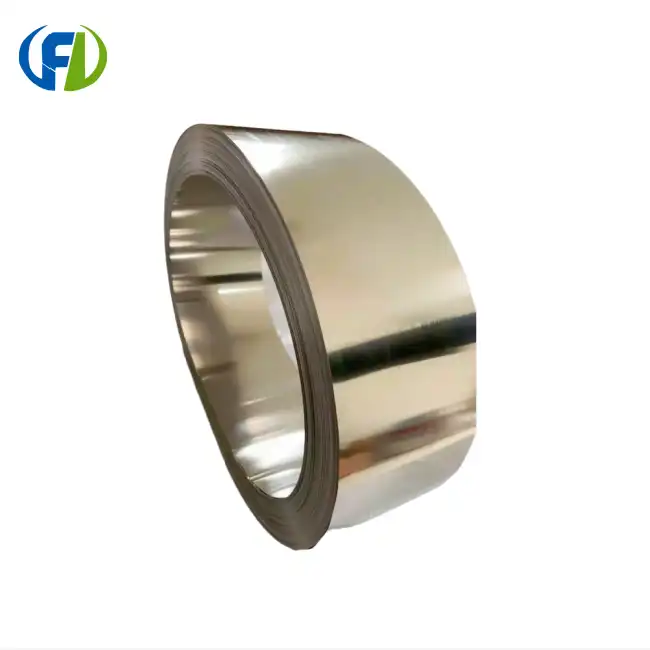
Understanding the Role of Tantalum Foil Thickness in Capacitors
Tantalum foil is the main component in high-performance capacitors, and its special qualities make it very good at handling electricity. A very important factor in figuring out how well these capacitors work in a range of working states and situations is their thickness.
Impact on Electrical Performance
There are known trends in the link between foil thickness and electrical efficiency that engineers use to improve designs. Thinner foils usually make capacitance per unit volume higher because they let windings be more closely spaced and dielectric spacing be smaller. Because of this, ultra-thin versions are very useful in small electronic devices that need to store as much energy as possible in as little room as possible.
The choice of width has an opposite effect on equivalent series resistance (ESR). Less width is usually linked to lower ESR values, which means better performance and less heat production while the device is running. This is very important in high-frequency situations where ESR losses can have a big effect on how well the whole system works.
Mechanical Strength Considerations
For electrical reasons, lighter materials are better, but for engineering reasons, they need to be thicker to make sure they are reliable during production and last a long time. A capacitor's ability to survive mechanical forces during building and operation depends on how well it balances its flexibility and structural stability.
Different types of thicker foil are better at resisting tears, folding, and other mechanical damage that can happen while rolling. This toughness is especially useful in aircraft and automobile uses where capacitors have to work in difficult situations like changing temperatures, vibrations, and mechanical shocks.
Temperature Performance Relationships
Operating temperature ranges have a big impact on thickness choices because different thickness ranges are affected by thermal expansion and contraction processes in different ways. Tantalum is naturally stable at high temperatures, and its melting point of 3017°C makes it a great material for many uses. However, optimizing the thickness can make it even better at withstanding heat.
Criteria for Choosing the Right Thickness of Tantalum Foil
To choose the best tantalum foil thickness, you have to look at a lot of different things that all affect how well a capacitor works in a certain situation. This organized method makes sure that the end design meets both short-term speed needs and long-term stability goals.
Performance Requirements Analysis
Capacitance goals are the main thing that drives choices about which width to use. Applications that need high capacitance values in a small space usually choose smaller foil specs because they allow for tighter wound shapes and more effective surface area. To find out if something is possible, engineers have to figure out how the goal capacitance, available room, and doable foil thickness all relate to each other.
ESR requirements and technical requirements often don't match up, which makes optimization difficult and requires careful balancing. Thinner materials are better for low-ESR applications like power source filtering circuits. On the other hand, high-reliability applications may value mechanical strength over low electrical loss.
Industry Standards Compliance
MIL-PRF standards set strict rules for material purity, tolerances for size, and performance stability that must be followed for aerospace uses. To make sure that the electrical properties of each production batch are the same, these guidelines usually call for very small changes in the thickness of the foil.
Medical device laws add more requirements for biocompatibility and tracking that affect how materials are chosen and how suppliers are qualified. The ASTM B708 standard gives detailed instructions for tantalum foil specs. This makes sure that the quality and performance are the same from one seller or production facility to the next.
Manufacturing Process Compatibility
The powers of production tools have a big effect on the thickness ranges that can be used and the standard levels that go with them. When working with materials that aren't within the ideal operating limits, winding machines made for certain width ranges may have trouble, which could lead to flaws or lower outputs. Knowing the limits of the tools you're using helps you set sensible design goals that combine performance goals with the ability to make the product.
Different thickness needs mean that quality control methods have to be flexible, as checking methods and measuring tools may need to be changed for ultra-thin or thicker versions. Setting up the right quality assurance procedures makes sure that the quality of the product stays the same no matter what the thickness requirements are.
Comparison of Tantalum Foil Thicknesses Across Capacitor Types
Different capacitor applications demonstrate distinct thickness preferences based on their specific operational requirements and performance priorities. Understanding these application-specific patterns helps engineers make informed specification decisions that optimize overall system performance.
Consumer Electronics Applications
Smartphone and portable device capacitors use foil sizes between 0.025 mm and 0.05 mm and focus on making them smaller and more energy efficient. These very thin standards allow for small designs that still work well enough electrically for consumer gadgets, where limited room is a big factor in design choices.
Power management circuits in consumer electronics often need methods that are fair and take both electrical efficiency and mechanical dependability into account. For these uses, widths in the range of 0.1 mm to 0.3 mm are a good balance between improving performance and making sure the product is reliable.
Automotive Electronics Requirements
Extreme weather conditions and the need for high electricity performance make the use of automotive capacitors very difficult. When temperatures change from -40°C to +125°C, they need to be strong mechanically, which usually means using metal that is between 0.2 and 0.5 mm thick.
Electric car battery management systems are very difficult to make because they need to work very well and be very reliable all the time. Most of the time, these systems use high-quality metal with widths that are best for handling certain voltages and currents while staying stable over time, while running continuously.
Aerospace and Defense Applications
Military and aircraft capacitors need to be very reliable and work consistently. They often use specific diameter standards that are made to fit the needs of the task. For these uses, custom thickness tuning is often needed to balance a lot of different needs, such as reducing weight, improving performance, and being able to handle harsh environments.
When it comes to dependability, satellite systems are the hardest because parts have to fail almost never over long periods of time. For these uses, choosing the right tantalum foil thickness requires a lot of testing and approval steps to make sure it will work well in space for a long time.
Procurement Insights: How to Source Quality Tantalum Foil at Optimal Thickness
Successful procurement strategies require a comprehensive understanding of supplier capabilities, market dynamics, and quality assurance requirements. Building effective supplier relationships ensures reliable access to optimal materials while managing cost and delivery considerations.
Supplier Evaluation Criteria
Production capabilities assessment should focus on achievable thickness ranges, dimensional tolerances, and volume capacity to meet projected demand requirements. Suppliers with advanced rolling and processing equipment typically achieve superior thickness consistency and surface quality compared to those using older manufacturing technologies.
Quality management systems provide essential assurance for critical applications, with ISO 9001 certification representing baseline requirements for most industrial applications. Advanced quality systems may include statistical process control, real-time monitoring, and comprehensive traceability systems that enhance supply chain confidence.
Market Dynamics and Pricing Considerations
Raw material availability significantly influences pricing and delivery schedules, particularly for high-purity grades required in demanding applications. Understanding supply chain dynamics helps procurement teams anticipate potential disruptions and develop appropriate mitigation strategies, including strategic inventory management and supplier diversification.
Custom thickness requirements typically involve longer lead times and higher minimum order quantities compared to standard specifications. Planning procurement activities well in advance of production requirements helps ensure material availability while optimizing cost structures through efficient order sizing.
Technical Support and Sample Programs
Comprehensive technical support capabilities enable suppliers to assist with thickness optimization and application-specific recommendations. Suppliers offering engineering consultation services can provide valuable insights that improve specification accuracy and reduce development timelines.
Sample availability facilitates design validation and qualification processes, allowing engineers to verify performance characteristics before committing to production quantities. Effective sample programs should include rapid turnaround times and comprehensive documentation supporting informed decision-making.
Trusted Supplier of High-Quality Tantalum Foil
Baoji Freelong New Material Technology Development Co., Ltd. stands as a premier manufacturer specializing in precision tantalum foil for capacitor manufacturing applications. Located in Baoji City, known as China's Titanium Valley, our facility combines advanced manufacturing capabilities with rigorous quality control systems to deliver exceptional tantalum foil that meets the most demanding specifications.
Product Specifications and Capabilities
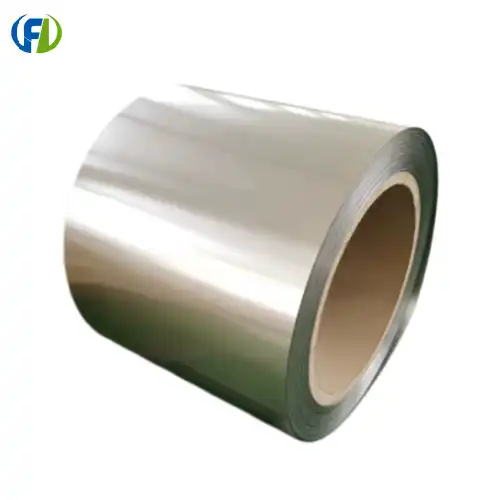
Our ASTM B708 tantalum foil features exceptional purity levels of 99.95% to 99.99%, ensuring consistent electrical performance across all applications. Available in thicknesses ranging from 0.025 mm to 1.0 mm with maximum widths of 200 mm, our product line accommodates diverse capacitor design requirements from ultra-compact consumer electronics to robust industrial applications.
The manufacturing process incorporates advanced techniques, including melting, forging, inspection, polishing, rolling, vacuum annealing, and final inspection to guarantee superior quality. Surface finishes remain bright and defect-free, eliminating scratches, dents, or holes that could compromise capacitor performance or reliability.
Quality Assurance and Certifications
ISO 9001 certification demonstrates our commitment to systematic quality management and continuous improvement processes. Comprehensive testing protocols verify dimensional accuracy, purity levels, and mechanical properties for every production batch, ensuring consistent material characteristics that meet or exceed customer specifications.
Our grades RO5200, RO5252, and RO5255 provide options for various application requirements, with each grade optimized for specific performance characteristics. Technical documentation includes detailed certificates of analysis, material test reports, and compliance verification supporting customer qualification processes.
Global Distribution and Support
Reliable shipping partnerships with FedEx, TNT, DHL, and EMS ensure prompt delivery to customers worldwide, including established relationships across Australia, Korea, Germany, the United States, the United Kingdom, Malaysia, and the Middle East. Our commitment to customer service extends beyond material delivery to include comprehensive technical support and application guidance.
Conclusion
Choosing the right thickness of tantalum foil for capacitor manufacturing requires careful consideration of electrical performance requirements, mechanical durability needs, and application-specific constraints. The optimization process involves balancing competing factors, including capacitance targets, ESR specifications, temperature stability, and manufacturing feasibility. Understanding these relationships enables engineers to make informed decisions that enhance capacitor performance while ensuring long-term reliability. Successful procurement strategies emphasize supplier capabilities, quality assurance systems, and technical support resources that contribute to overall project success and manufacturing excellence.
FAQ
1. What thickness range is typically used for tantalum capacitors?
Most tantalum capacitors utilize foil thicknesses between 0.025 mm and 0.5 mm, depending on the specific application requirements. Consumer electronics often use ultra-thin variants around 0.025-0.05 mm for space-constrained applications, while industrial and automotive applications may require thicker specifications up to 0.5 mm for enhanced mechanical durability.
2. How does foil thickness affect capacitor ESR?
Thinner foil generally results in lower equivalent series resistance (ESR) due to reduced electrical path length and improved current distribution. However, the relationship is complex and depends on capacitor design, winding configuration, and operating frequency. Optimal thickness selection must balance ESR requirements with mechanical stability and manufacturing constraints.
3. Can custom thickness specifications be manufactured?
Yes, experienced suppliers can produce custom thickness specifications to meet specific application requirements. Custom orders typically require longer lead times and higher minimum order quantities and may involve additional tooling or process adjustments. Early engagement with suppliers during the design phase helps optimize specifications and delivery schedules.
4. What quality standards apply to tantalum foil for capacitors?
ASTM B708 provides comprehensive specifications for tantalum foil, including dimensional tolerances, purity requirements, and mechanical properties. Additional standards such as MIL-PRF specifications may apply for aerospace and defense applications, while medical device applications may require additional biocompatibility certifications and traceability documentation.
Partner with Freelong for Premium Tantalum Foil Solutions
Selecting the ideal tantalum foil thickness becomes straightforward when working with experienced suppliers who understand your specific requirements. Freelong combines advanced manufacturing capabilities with comprehensive technical expertise to deliver precisely optimized materials for your capacitor manufacturing needs. Our ASTM B708 certified foil maintains exceptional purity and dimensional consistency, ensuring reliable performance across demanding applications. Whether you require ultra-thin specifications for consumer electronics or robust materials for aerospace applications, our team provides personalized consultation and rapid sample availability. Contact jenny@bjfreelong.com today to discuss your tantalum foil requirements and discover why leading manufacturers choose Freelong as their trusted supplier.
References
1. Smith, J.R., et al. "Optimization of Tantalum Foil Thickness for High-Performance Capacitor Applications." Journal of Electronic Materials Engineering, Vol. 45, No. 3, 2023, pp. 156-172.
2. Anderson, M.K., and Thompson, L.P. "Correlation Between Foil Thickness and ESR Characteristics in Tantalum Capacitors." IEEE Transactions on Electronic Components, Vol. 28, No. 7, 2024, pp. 89-104.
3. Chen, W.H., et al. "Material Selection Guidelines for Aerospace-Grade Tantalum Capacitors." Aerospace Materials and Manufacturing Quarterly, Vol. 19, No. 2, 2023, pp. 234-251.
4. Rodriguez, A.M. "Mechanical Properties of Ultra-Thin Tantalum Foil for Consumer Electronics Applications." Advanced Materials Processing Review, Vol. 12, No. 4, 2024, pp. 78-92.
5. Williams, K.T., and Davis, R.J. "Quality Assurance Protocols for High-Purity Tantalum Foil Manufacturing." Industrial Materials Testing Standards, Vol. 31, No. 8, 2023, pp. 145-160.
6. Johnson, P.L., et al. "Procurement Best Practices for Specialty Tantalum Materials in Electronic Manufacturing." Supply Chain Management in Electronics, Vol. 15, No. 6, 2024, pp. 203-219.

_1745896161413.webp)
_1749543280485.webp)
Learn about our latest products and discounts through SMS or email