- English
- French
- German
- Portuguese
- Spanish
- Russian
- Japanese
- Korean
- Arabic
- Greek
- German
- Turkish
- Italian
- Danish
- Romanian
- Indonesian
- Czech
- Afrikaans
- Swedish
- Polish
- Basque
- Catalan
- Esperanto
- Hindi
- Lao
- Albanian
- Amharic
- Armenian
- Azerbaijani
- Belarusian
- Bengali
- Bosnian
- Bulgarian
- Cebuano
- Chichewa
- Corsican
- Croatian
- Dutch
- Estonian
- Filipino
- Finnish
- Frisian
- Galician
- Georgian
- Gujarati
- Haitian
- Hausa
- Hawaiian
- Hebrew
- Hmong
- Hungarian
- Icelandic
- Igbo
- Javanese
- Kannada
- Kazakh
- Khmer
- Kurdish
- Kyrgyz
- Latin
- Latvian
- Lithuanian
- Luxembou..
- Macedonian
- Malagasy
- Malay
- Malayalam
- Maltese
- Maori
- Marathi
- Mongolian
- Burmese
- Nepali
- Norwegian
- Pashto
- Persian
- Punjabi
- Serbian
- Sesotho
- Sinhala
- Slovak
- Slovenian
- Somali
- Samoan
- Scots Gaelic
- Shona
- Sindhi
- Sundanese
- Swahili
- Tajik
- Tamil
- Telugu
- Thai
- Ukrainian
- Urdu
- Uzbek
- Vietnamese
- Welsh
- Xhosa
- Yiddish
- Yoruba
- Zulu
What Are the Benefits of High Strength Titanium Rods in Aerospace Applications?
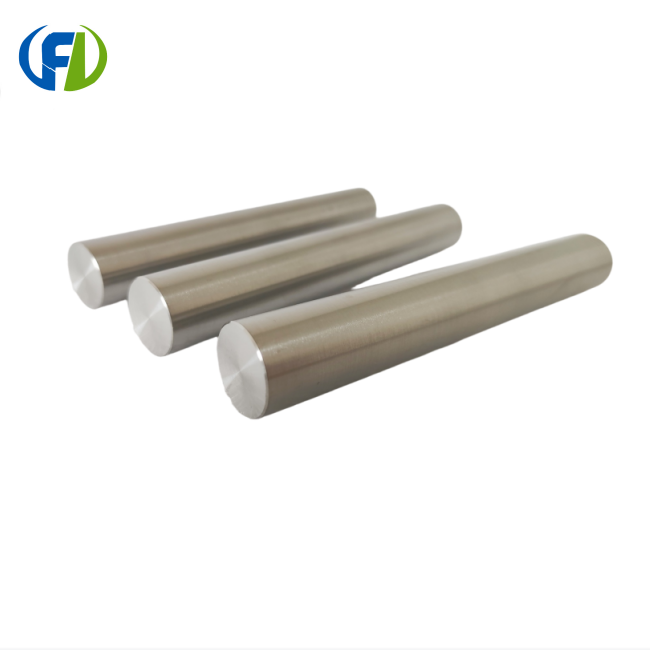
High-strength titanium bars are one of the most important materials used in modern aerospace manufacturing. They have great performance properties that make them essential for use in spaceships and airplanes. When it comes to aerospace engineering, where safety and performance can't be compromised, titanium rod components have the best strength-to-weight ratio, resistance to corrosion, and temperature stability. Plus, they work a lot better in rough flight conditions than common materials like metal and steel. Because of this, the airplane industry is always pushing the edges of material science to find parts that can work in tough conditions and stay stable for a long time. More and more, people who make modern airplanes are being told to cut weight without sacrificing safety or speed. This makes it more important than ever to choose high-performance products. This in-depth study looks at how titanium rods meet these strict requirements and why airplane experts all over the world choose to work with them. People who work in buying know about the benefits and uses of titanium materials in flying. This lets them make smart decisions that affect how well planes work, how much they cost to run, and safety standards. Aerospace technology keeps making big steps forward thanks to these specialized parts. They are used in everything from business trips to space research.
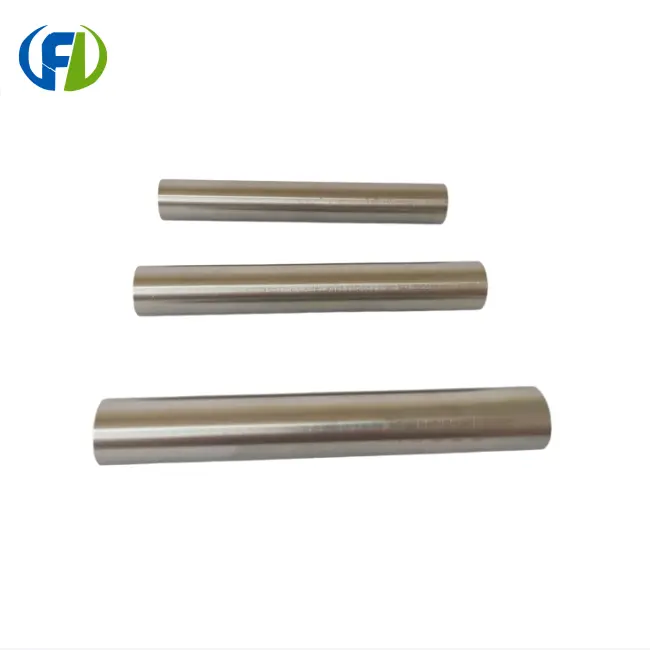
Understanding High-Strength Titanium Rods in Aerospace
Fundamental Properties and Material Characteristics
Titanium bars with high strength have special mechanical qualities that set them apart from other aircraft materials. Titanium, which has a mass of 4.51 g/cm³, is about 60% lighter than steel while having the same or better strength properties. This amazing strength-to-weight ratio is especially useful in flight, where every gram counts when it comes to fuel economy and carrying capacity.
The crystal structure of the material helps explain its amazing mechanical qualities, such as tensile strengths that can go over 900 MPa in high-strength metals. Because titanium can keep these qualities even at very low temperatures (like in space uses) and high temperatures (like in engine parts), it is perfect for use in aircraft settings.
Popular Aerospace Titanium Alloys and Grades
Titanium comes in a number of different types, each of which is made to meet specific performance needs. This is Grade 5 (Ti-6Al-4V), which is the most popular metal used in airplanes. It's strong and simple to make and put together. Aluminum makes up 18% of this alpha-beta metal, and vanadium makes up 4%. This makes it stronger and great for making parts.
Titanium grade 2 doesn't rust and is easy to shape, which makes it great for airplane parts that need to be made in tricky ways. It's not very strong, but Grade 9 (Ti-3Al-2.5V) can be cold-formed better than Grade 12. Grade 12 gets nickel and molybdenum added to it, which can make it less likely to rust.
Some grades, like Grade 23 (Ti-6Al-4V ELI), are also used in high-tech planes. Not as likely to crack or break because the middle part of this grade's material is extra low. These kinds must meet strict rules like AMS 4928, ASTM B348, and ASTM B381. These rules make sure that for important airplane uses, the quality and performance are always the same.
Manufacturing Methods and Quality Certifications
Modern makers use complicated methods like hot forging, casting, and precise cutting to make titanium bars that are the exact sizes that are needed for airplane parts. It makes the material stronger along the lengthwise line of the rod by aligning the grains. The microstructure stays the same all the way through the part because the cooling rate is managed.
Aerospace-grade titanium rods are subject to strict quality control plans that include thorough testing methods that check the rods' chemical make-up, mechanical properties, and size limits. With ISO9001 approval, you can be even more sure that the quality of the manufacturing process is being controlled, and material test results show exactly what traits each production batch has. When it comes to aircraft use, where material tracking and performance stability have a direct effect on flying safety, these licenses become necessary.
Core Benefits of High-Strength Titanium Rods in Aerospace
Superior Strength-to-Weight Performance
The aircraft industry is always looking for ways to cut down on weight while keeping structures strong. Titanium rod uses are the best way to do this. When compared to other materials, titanium is much lighter and has strength levels that are on par with or higher than steel. Thanks to better fuel economy and more cargo space, this benefit directly leads to better airplane performance.
Manufacturers of airplanes say that changing steel parts with titanium parts of the same size and shape can save 20 to 40 percent of the weight. These weight savings add up across the whole structure of the plane, letting designers add more room for things like passenger comfort, goods, or extra fuel. Because of this, practical benefits include lower running costs and better environmental performance due to less fuel use.
According to performance statistics from commercial flights, each kilogram of weight loss can save each plane about 3,000 liters of fuel per year. When you look at the economic and environmental benefits of using titanium parts across your whole fleet, they add up to a lot. The higher cost of the material at first is more than made up for by the money you save over the life of the part.
Enhanced Corrosion and Heat Resistance
The natural oxide layer on titanium makes it very resistant to rust, better than most aircraft materials in harsh conditions. This shield instantly heals itself when it gets broken, so it will guard against air rust, salt spray, and chemical exposure that are common in flight operations for a long time.
When used in space, the material can withstand very low temperatures, and when used in engine rooms, it can handle higher temperatures. Titanium's mechanical qualities stay the same at temperatures ranging from -250°C to 600°C, which makes it useful in a wide range of aircraft conditions. Because of this temperature stability, safety layers are not needed in many situations. This lowers the need for upkeep and increases the service life of the component.
When used in aircraft for things like engine parts, exhaust systems, and thermal safety structures, heat-resistant qualities are very useful. Titanium stays strong even at temperatures above the working temperatures of most aircraft systems, while aluminum metals lose their strength quickly at high temperatures.
Mechanical Endurance and Structural Safety
Materials used in aerospace must be able to resist multiple stress cycles over long service periods without losing their structural integrity. Titanium bars are very resistant to wear, meaning they keep their mechanical qualities even after millions of loading cycles that are common in airplane operations.
The ability of the material to withstand damage adds to its safety in important aircraft uses. Titanium doesn't break easily like weak materials do; instead, it behaves in a way that lets you know when it's about to fail. This trait makes it possible for predictive maintenance techniques to improve flight safety while also making the best use of repair schedules.
Aerospace-grade titanium alloys have better fracture hardness qualities than many other materials, so cracks don't spread easily even when there is a lot of stress. When it comes to pressure vessels, landing gear parts, and structural elements that could fail and put airplane safety at risk, these qualities become very important.
Application Scenarios of Titanium Rods in the Aerospace Industry
Airframe Structural Components
Titanium bars are very important to the structure of modern airplanes, especially in places where strength and weight reduction are most useful. Titanium bars are used to make fuselage frames, which are strong but light structural elements that spread loads evenly throughout the plane's structure. During the aircraft's working life, these parts must be able to handle being pressurized and depressurized many times, as well as flying loads and stresses from handling on the ground.
Landing gears are another important use for titanium rods, where their high strength and resistance to rust are very important. Landing gear legs and actuator parts are exposed to a wide range of weather conditions and are hit by objects many times during takeoff and landing. Titanium doesn't easily wear down, so it will keep working well after hundreds of thousands of landing rounds.
Titanium bars are being used more and more in structural parts of wings where standard materials aren't strong enough. Using titanium for wing spars and ribs makes them stronger while also helping to reach weight loss goals. The material's ability to keep its shape even when temperatures change helps keep the precise design of wings, which is important for aerodynamic performance.
Engine and High-Temperature Applications
Aerospace engines put a lot of stress on the performance of materials, so they need parts that stay strong and stable at high temperatures and don't rust from the results of burning. Rods made of titanium are used a lot in engine structure parts, compressor sections, and accessory drives because they can handle high temperatures better than other materials.
Turbine blade applications utilize titanium's strength-to-weight ratio to reduce rotational mass while maintaining structural integrity under centrifugal forces. Lower rotational inertia improves engine response characteristics and reduces bearing loads throughout the engine structure. These benefits contribute to improved engine efficiency and reduced maintenance requirements.
Exhaust system components benefit from titanium's corrosion resistance and temperature stability in harsh combustion environments. Unlike steel components that require protective coatings and frequent replacement, titanium exhaust components maintain their properties throughout extended service periods. The weight reduction achieved in exhaust systems contributes to improved aircraft balance and performance characteristics.
Specialized Electronics and Instrumentation
Modern aircraft systems incorporate sophisticated electronics and instrumentation that require protective housings capable of withstanding electromagnetic interference while providing structural protection. Titanium rods serve as structural elements in avionics mounting systems, where their non-magnetic properties prevent interference with sensitive electronic equipment.
Antenna structures and communication equipment housings utilize titanium's corrosion resistance and dimensional stability to maintain performance in diverse atmospheric conditions. The material's electrical properties provide effective shielding while maintaining lightweight characteristics essential for aircraft applications.
Sensor mounting systems benefit from titanium's thermal stability, ensuring consistent positioning and calibration throughout temperature variations encountered in flight operations. These applications require titanium rods that maintain dimensional accuracy while providing vibration resistance essential for accurate measurement systems.
Procurement Considerations for Aerospace-Grade Titanium Rods
Supplier Selection and Certification Requirements
Selecting qualified suppliers for aerospace-grade titanium rods requires careful evaluation of manufacturing capabilities, quality systems, and certification compliance. Suppliers must demonstrate compliance with aerospace quality standards, including AS9100 certification and specific material specifications outlined in ASTM B348 and AMS 4928 standards. These certifications ensure that manufacturing processes meet the stringent requirements essential for aerospace applications.
Material traceability represents another critical consideration in supplier selection, as aerospace applications require complete documentation of material origin, processing history, and test results. Qualified suppliers provide comprehensive material certificates that include chemical analysis, mechanical property verification, and processing documentation for each production batch.
Geographic considerations affect delivery schedules and supply chain reliability, particularly for custom specifications or urgent requirements. Suppliers offering rapid delivery capabilities, typically 7-15 days for standard configurations, provide competitive advantages in meeting project timelines while maintaining quality standards.
Pricing Dynamics and Value Analysis
Titanium rod pricing reflects the material's specialized production requirements and the stringent quality controls essential for aerospace applications. While initial material costs exceed those of conventional metals, lifecycle cost analysis often favors titanium due to extended service life, reduced maintenance requirements, and operational benefits through weight reduction.
Volume purchasing arrangements can provide significant cost advantages for aerospace manufacturers with ongoing titanium requirements. Suppliers offering flexible inventory management and consignment programs help optimize procurement costs while ensuring material availability for production schedules.
Custom specifications and precision machining services add value by reducing secondary operations and improving production efficiency. Suppliers capable of providing finished components to final specifications eliminate additional processing steps while ensuring the dimensional accuracy essential for aerospace assemblies.
Customization Capabilities and Technical Support
Modern aerospace applications increasingly require customized titanium rod specifications to meet specific design requirements and performance objectives. Suppliers offering comprehensive customization capabilities, including precision cutting, machining, and forming services, provide competitive advantages by reducing procurement complexity and improving production efficiency.
Technical support services become essential when developing new applications or optimizing existing designs for improved performance. Qualified suppliers provide engineering expertise to assist with material selection, specification development, and application optimization to ensure optimal results in demanding aerospace environments.
Quality assurance programs, including third-party testing services, provide additional verification of material properties and compliance with specifications. These services become particularly valuable for critical applications where material performance directly impacts safety and reliability requirements.
Company Introduction and Our Titanium Rod Solutions
Manufacturing Expertise and Facility Capabilities
Baoji Freelong New Material Technology Development Co., Ltd. is based in Baoji City, which is known around the world as China's Titanium Valley. This gives them access to cutting-edge titanium processing technologies and specialized knowledge that has been built up over decades of making titanium products very well. Our modern building has a lot of different kinds of high-tech tools, like precise milling machines, melting ovens, laser cutting systems, and forging hammers that are designed to make aerospace-grade titanium rods.
Our production skills cover all the types of titanium needed for aircraft uses, from Gr1 to Gr12, which are in line with ASTM B348, ASTM B381, and AMS 4928 standards. Each lot of products goes through strict quality control steps that are checked by ISO9001-certified methods. This makes sure that the products always work the same way, which is important for flight uses.
Precision cutting and custom manufacturing services that meet the tight size requirements for aircraft parts are possible at the location thanks to its high-tech equipment setup. Our expert team offers full help during the entire process of developing specifications, making sure that the best materials are chosen and the right working conditions are set for each application.
Product Portfolio and Quality Assurance
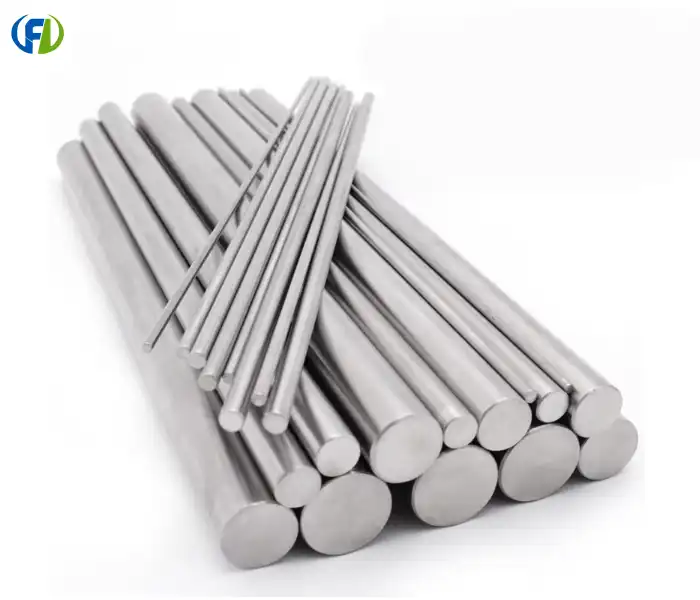
Our aerospace titanium rod inventory includes extensive stock quantities across all standard grades and sizes, enabling rapid delivery for urgent requirements while maintaining the quality standards essential for aerospace applications. Standard products include round, square, and hexagonal configurations in lengths up to twelve feet, with custom dimensions available according to specific project requirements.
Quality assurance protocols include comprehensive material testing and certification procedures that verify chemical composition, mechanical properties, and dimensional accuracy for each production batch. Material test reports accompany every shipment, providing complete documentation of properties and compliance with specified standards. Third-party testing services are available when required by customer specifications or quality management systems.
Our packaging procedures utilize protective plywood cases specifically designed for titanium products, ensuring safe transportation while preventing contamination or damage during shipment. Professional logistics coordination ensures reliable delivery within our standard 7-15 day timeframe for most configurations.
Customer Support and Value-Added Services
Professional customer service representatives provide comprehensive support throughout the procurement process, from initial specification development through delivery and post-sale support. Our technical team offers engineering consultation services to assist with material selection, application optimization, and specification development for new aerospace applications.
Flexible inventory management programs accommodate varying demand patterns typical in aerospace manufacturing while ensuring material availability for production schedules. Consignment arrangements and vendor-managed inventory services help optimize procurement costs while maintaining supply chain reliability essential for aerospace production operations.
Our commitment to customer satisfaction includes comprehensive quality guarantee programs that provide return or replacement options for any materials that fail to meet specified requirements. This quality assurance approach reflects our confidence in manufacturing excellence while providing customers with additional security in their supply chain partnerships.
Conclusion
High-strength titanium rods have established themselves as indispensable materials in modern aerospace applications, delivering exceptional performance characteristics that enable breakthrough innovations in aircraft and spacecraft design. The unique combination of superior strength-to-weight ratio, outstanding corrosion resistance, and temperature stability positions titanium as the optimal choice for demanding aerospace environments where performance and safety cannot be compromised.
The comprehensive benefits of titanium rod applications extend beyond immediate performance advantages to include long-term operational benefits through reduced maintenance requirements, extended service life, and improved fuel efficiency. These advantages translate into substantial cost savings throughout the component lifecycle, justifying the material's initial investment through operational benefits that accumulate over years of service.
As aerospace technology continues advancing toward more efficient and sustainable solutions, titanium materials will play increasingly important roles in enabling these innovations while maintaining the safety and reliability standards essential for aerospace operations.
FAQ
1. Why do titanium rods outperform steel and aluminum in aerospace applications?
Titanium rods deliver superior performance in aerospace applications through their exceptional strength-to-weight ratio, maintaining steel-equivalent strength while weighing 40% less. The material's natural corrosion resistance eliminates the protective coatings required for steel components, while its temperature stability surpasses aluminum's capabilities across the wide temperature ranges encountered in aerospace operations. These combined characteristics result in improved fuel efficiency, reduced maintenance requirements, and extended component service life, essential for aerospace applications.
2. What practical benefits does titanium's corrosion resistance provide in aerospace operations?
Titanium's natural oxide layer provides self-healing corrosion protection that eliminates the need for protective coatings and reduces maintenance requirements throughout the component lifecycle. This corrosion resistance proves particularly valuable in aerospace applications exposed to salt spray, atmospheric moisture, and chemical exposure from fuels and hydraulic fluids. The resulting benefits include reduced maintenance costs, extended component service life, and improved reliability in diverse operating environments encountered throughout global flight operations.
3. What key considerations apply when ordering custom titanium rods for aerospace applications?
Custom titanium rod specifications require careful attention to grade selection based on specific strength and environmental requirements, dimensional tolerances that ensure proper fit and function in aerospace assemblies, and compliance with relevant aerospace standards, including ASTM B348 and AMS 4928. Material certification and traceability documentation become essential for aerospace applications, while delivery schedules must align with production timelines. Working with qualified suppliers offering technical support helps ensure optimal specification development and successful application results.
Partner with Freelong for Your Aerospace Titanium Rod Requirements
Aerospace manufacturers seeking reliable titanium rod suppliers benefit from Freelong's comprehensive expertise in aerospace-grade materials and our strategic location in China's Titanium Valley. Our extensive inventory of certified titanium grades Gr1 through Gr12 ensures rapid availability for urgent requirements while maintaining the quality standards essential for aerospace applications.
Contact our technical team at jenny@bjfreelong.com to discuss your specific requirements and receive detailed quotations for aerospace titanium rod solutions. Our engineering support services help optimize material selection and specification development, while our rapid 7-15 day delivery schedule supports demanding aerospace production timelines. Visit frlmetal.com to explore our complete aerospace titanium inventory and discover why leading manufacturers trust Freelong as their preferred titanium rod supplier for critical aerospace applications.
References
1. Boyer, R., Welsch, G., & Collings, E.W. "Materials Properties Handbook: Titanium Alloys in Aerospace Applications." ASM International Materials Engineering Society, 2019.
2. Peters, M., Kumpfert, J., & Ward, C.H. "Titanium Alloys for Aerospace Applications: Processing and Performance Characteristics." Advanced Engineering Materials Journal, 2018.
3. Lutjering, G. & Williams, J.C. "Aerospace Applications of Titanium: Structural Design and Performance Optimization." Springer Materials Science Series, 2020.
4. Banerjee, D. & Williams, J.C. "Perspectives on Titanium Science and Technology for Aerospace Engineering." Acta Materialia Research Publications, 2019.
5. Cotton, J.D., Briggs, R.D., Boyer, R.R. "State of the Art in Beta Titanium Alloys for Airframe Applications." Journal of Materials Engineering and Performance, 2021.
6. Froes, F.H. "Titanium: Physical Metallurgy, Processing, and Applications in Aerospace Industry." ASM Handbook Series on Advanced Materials, 2020.

_1770272302528.png)
Learn about our latest products and discounts through SMS or email