- English
- French
- German
- Portuguese
- Spanish
- Russian
- Japanese
- Korean
- Arabic
- Greek
- German
- Turkish
- Italian
- Danish
- Romanian
- Indonesian
- Czech
- Afrikaans
- Swedish
- Polish
- Basque
- Catalan
- Esperanto
- Hindi
- Lao
- Albanian
- Amharic
- Armenian
- Azerbaijani
- Belarusian
- Bengali
- Bosnian
- Bulgarian
- Cebuano
- Chichewa
- Corsican
- Croatian
- Dutch
- Estonian
- Filipino
- Finnish
- Frisian
- Galician
- Georgian
- Gujarati
- Haitian
- Hausa
- Hawaiian
- Hebrew
- Hmong
- Hungarian
- Icelandic
- Igbo
- Javanese
- Kannada
- Kazakh
- Khmer
- Kurdish
- Kyrgyz
- Latin
- Latvian
- Lithuanian
- Luxembou..
- Macedonian
- Malagasy
- Malay
- Malayalam
- Maltese
- Maori
- Marathi
- Mongolian
- Burmese
- Nepali
- Norwegian
- Pashto
- Persian
- Punjabi
- Serbian
- Sesotho
- Sinhala
- Slovak
- Slovenian
- Somali
- Samoan
- Scots Gaelic
- Shona
- Sindhi
- Sundanese
- Swahili
- Tajik
- Tamil
- Telugu
- Thai
- Ukrainian
- Urdu
- Uzbek
- Vietnamese
- Welsh
- Xhosa
- Yiddish
- Yoruba
- Zulu
How to Use 702 Zirconium Crucible With Side for Pouring?
To get the most out of the 702 Zirconium Crucible With Side's great high-temperature performance when filling, you need to carefully prepare it and use it in the right way. The built-in side spout design makes it easy to pour liquid materials precisely and with control, while still keeping the high chemical stability that only commercially pure zirconium 702 offers. When making precision parts for aircraft, electronics, or medical devices, it's important to follow the right preheating, temperature tracking, and pouring processes to get the best results.
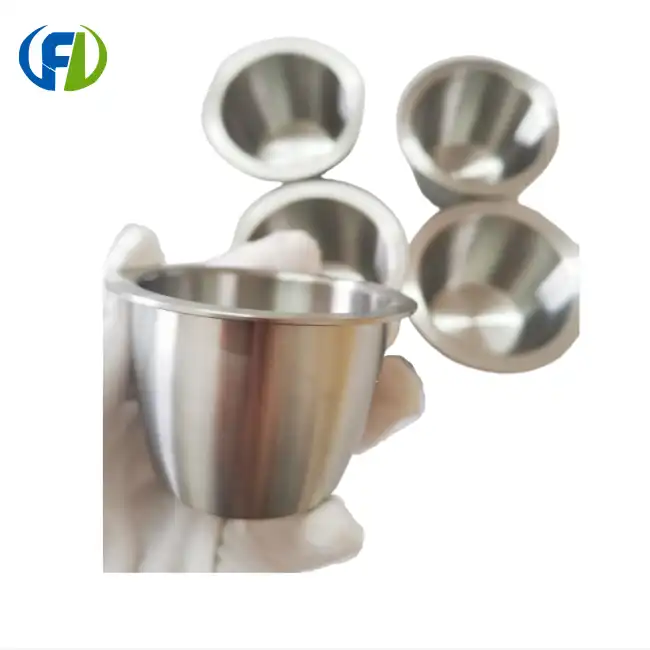
Understanding 702 Zirconium Crucible With Side
The 702 Zirconium Crucible With Side is a unique product designed to enable precise heating and pouring tasks to be carried out in tough industrial settings. This crucible has the great qualities of widely pure zirconium 702 and a unique side spout design that makes it easier to control operations and keep people safe while moving materials.
Material Composition and Properties
Zirconium 702 is the main material in these crucibles because it has amazing performance properties that set it apart from other crucible materials. The natural growth of an oxide layer on the material makes it very resistant to corrosion. This layer protects the material from harsh chemical conditions. This protected layer makes the crucible last longer and keeps the material pure while it's being used at high temperatures.
The composition of commercially pure zirconium provides good thermal stability, allowing the crucible to survive temperatures above 1900°C without losing its structural integrity. Researchers in materials science labs have shown that zirconium-based crucibles keep their dimensions even when heated and cooled many times. This makes them perfect for precise uses in aircraft and electronics manufacturing.
Engineering Design Features
The built-in side spout makes these crucibles different from others on the market because it improves spilling control and safety during use. The carefully planned lip shape makes it easier for materials to move smoothly while reducing turbulence that could introduce impurities or cause splashing during transfer operations. When working with rare metals, superalloys, or biomedical materials that need to be kept clean, this design thought is especially helpful.
Precise machining methods are used to make these crucibles so that the wall width and surface finish are always the same. The side spout integration keeps the structure's consistency while giving the flow traits needed for controlled pouring. During production, quality control checks make sure that the tolerances for sizes and the consistency of the surface meet strict industry standards.
Applications Across Industries
These crucibles are used by aerospace companies to melt and make high-performance metals that are used in jet engines and structural parts. Temperature resistance and chemical inertness work together to make sure that important material qualities don't change during processing. In the electronics business, crucibles are used to refine valuable metals and prepare semiconductor materials, which require very high purity levels and special performance.
Another important use is making medical devices, which need safe materials to be processed in crucibles that stay completely clean and have exact measurements. The biocompatibility of the zirconium makeup perfectly matches the needs of the medical business for making implantable devices.
Step-by-Step Guide on How to Use a 702 Zirconium Crucible With a Side for Pouring
When using702 Zirconium Crucible With Side spouts correctly, you need to plan and follow a set of steps to get the best results while keeping the user safe and the equipment lasting as long as possible. Each important part of the operation cycle is covered in detail in the steps that follow.
Pre-Operation Preparation
Before each use, the crucible is checked for damage during the initial checking process. Visual inspection finds any surface flaws, cracks, or contamination that might affect how well it works. Pay extra attention to the area around the side spout to make sure the spilling surfaces are smooth, and the lip shape is correct. Any problems that are found should be replaced right away to keep operations from failing.
Cleaning procedures include using the right solvents to remove all the grease, followed by ultrasonic cleaning to get rid of any remaining dirt. Cleaning properly makes sure that the next melting processes keep the level of material cleanliness needed for high-precision uses. When things are dry, they get rid of the wetness that could explode when they come into contact with hot materials.
Temperature Control and Preheating
With controlled preheating, temperature shocks that could damage the structure of the crucible are avoided. When the temperature goes up slowly, the zirconium material expands evenly, keeping its shape throughout the heating cycle. The recommended preheating rates are usually between 5 and 10°C per minute, but depending on the material, some uses may need different rates.
During the preheating and melting stages, temperature monitoring devices should give accurate readings. By placing the thermocouple close to the crucible wall, accurate temperature readings can be made without affecting the flow of the material during filling. By keeping the temperature profiles the same during multiple melting processes, you can get reliable results and make the crucible last longer.
Melting and Material Handling
The process of adding materials starts with arranging clean, dry fodder in a way that makes heating even and reduces temperature gradients. When charges are spread out evenly, there is no localized burning that could damage the structure of the crucible or cause uneven melting patterns. The side spout design lets you charge it in a number of different ways while still making it easy to check the temperature and add materials.
As melting happens, you have to keep an eye on the temperature and how the object is reacting. If you have to stir something, don't touch the walls of the crucible. This will keep the surface from getting dirty or damaged. Because the melting process is clear, workers can see how the material is doing and figure out the best time to pour it by using visual clues and temperature readings.
Pouring Techniques and Safety
The built-in side spout lets you precisely control the flow of material during transfer operations. When the crucible is placed correctly, the spout angle makes it easier for the material to flow smoothly while keeping the user away from areas of high temperature. Controlled turning movements change the flow rates to match the cooling needs and capabilities of the receiving vessels.
Safety rules for pouring operations include wearing the right safety gear and knowing what to do in case of an emergency with a spill. Because the side spout design makes the flow reliable, it lowers the risk of accidents and makes it possible to place materials accurately in complicated casting shapes. After the pour, steps are taken to control cooling and clean the surface right away so that it is ready for the next use cycle.
Comparing 702 Zirconium Crucible With Side to Other Crucibles
When handling materials at high temperatures, the choice of crucible has a big effect on how well the job gets done, the quality of the materials, and how much it costs in the long run. Knowing how zirconium crucibles with side spouts work differently from other materials lets you make smart purchasing decisions that meet the needs of your manufacturing process.
Performance Advantages Over Graphite Crucibles
702 Zirconium Crucible With Side is better at keeping chemicals from reacting with each other than graphite options, especially when working with flammable metals or materials that are easily damaged. Graphite crucibles may combine with some metals at high temperatures, but zirconium's protective oxide layer keeps chemicals stable in a wider range of situations. This trait is especially useful when making aircraft and medical devices, where contaminated materials could affect important performance standards.
The ability to withstand high temperatures is another big benefit. Zirconium crucibles keep their shape at temperatures that would break down graphite. The wider temperature range makes it possible to work with modern superalloys and refractory materials that are too hard for a graphite crucible to handle. Zirconium is also better at resisting temperature shock than graphite in many situations, which means it doesn't need to be replaced as often and doesn't cause as much downtime.
Zirconium crucibles have a longer service life than graphite options because they are more mechanically durable. Graphite crucibles may lose their shape or become damaged when heated and cooled many times, but zirconium stays the same size and shape over hundreds of uses. This means that repair costs will be lower, and operations will run more smoothly in high-volume factory settings.
Side Spout Advantages
Traditional crucibles that don't have built-in filling features need to be tilted by hand or with outside handling tools. The side spout design gets rid of these needs while also improving flow control and lowering the risk of contamination. During move operations, operators can place materials precisely without putting safety at risk or adding unwanted materials.
When you use a designed spout shape instead of lip pouring from standard crucibles, you can control the flow rate much more accurately. The consistent flow properties make it possible to integrate automatic filling systems and lower the level of skill needed by operators to get consistent results. This standardization is helpful in places where a lot of things need to be made because the quality of the finished products depends on how well the process can be repeated.
Cost-Benefit Analysis
702 Zirconium Crucible with side spouts costs more to buy at first than normal options, but over time, the advanced design usually ends up being cheaper. Longer service life, less material waste from better pouring control, and not needing extra handling tools all add up to good economic performance over the lifetime of the machine.
When the material needs to be very pure, the higher costs of a crucible are often worth it because it improves quality by reducing contamination and making process control better. Being able to handle difficult materials that would damage regular crucibles opens up new market possibilities that can help pay for the initial equipment costs by allowing for more manufacturing options.
Procurement Considerations for 702 Zirconium Crucible With Side
When buying specific zirconium crucibles strategically, you need to carefully consider the supplier's skills, quality standards, and the possibility of a long-term relationship. Because these parts are so important in high-precision manufacturing, it's important to do a lot of research before choosing a seller and keep up with their relationship after the sale.
Supplier Evaluation Criteria
The credentials of the manufacturer are very important for making sure that the quality and accuracy of the product. Suppliers that have been around for a while and have experience making zirconium products have the specific knowledge needed to make high-performance crucibles. ISO licenses, aircraft quality standards, and approvals for making medical devices all show that a company has complete quality management systems that help them deliver products reliably.
An evaluation of a supplier's production skills shows how well they can meet current and future number needs. A supplier's ability to keep product specs the same across multiple production runs depends on their advanced manufacturing equipment, quality control instruments, and supply of skilled workers. Site trips and capability checks are great ways to learn about how things are made and how quality control is done.
Having access to technical help is very important during the initial introduction and ongoing optimization of operations. Suppliers who give help with application building, debugging, and process development are very valuable in ways that go beyond just delivering products. This method to technical partnership works especially well when changing the specs of a crucible to fit the needs of a specific production process.
Quality Assurance and Documentation
Different businesses have very different requirements for material approval. For example, aircraft and medical uses need a lot of paperwork and tracking. Suppliers must give full reports of analysis that include the chemical make-up, mechanical qualities, and measurements. These papers support customer quality systems and the rules that must be followed by regulators.
Before shipping, inspection procedures should check for correct measurements, a good surface finish, and structural stability. Coordinate measuring tools and surface profilometry are two advanced measuring methods that are used to make sure that crucibles meet certain limits. Non-destructive testing finds flaws inside a system that might affect its performance when it's used at high temperatures.
Batch traceability systems help with ongoing improvement efforts and make it easy to find and separate possible quality problems. Electronic paperwork systems make it easier to keep records and set up automatic alerts for things like renewal needs or changes to specifications.
Pricing and Commercial Terms
Volume pricing systems usually save a lot of money when they use volume pricing systems. Long-term supply deals can help you get good prices and make sure that capacity is used during times of high demand. Flexible ordering plans can work with different production dates and keep inventory levels at their best.
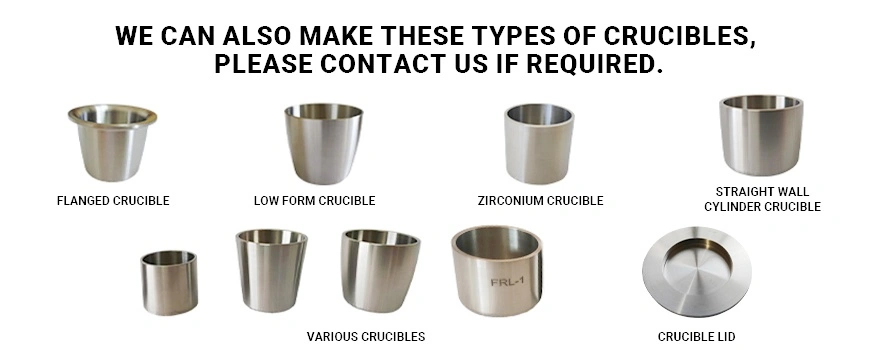
Customizing the size of the crucible lets you choose the best one for your needs instead of having to settle for a standard setup. Custom goods may cost more, but the performance benefits often make up for the extra cost by increasing material yield and operating efficiency.
When negotiating payment terms and guarantee terms, it's important to keep cash flow issues and the supplier's financial security in mind. An extended guarantee that covers production flaws gives you extra protection against repair costs that you didn't expect and shows that the provider trusts the quality of the product.
Maximizing the Value of Your 702 Zirconium Crucible Investment
To get the best return on crucible expenses, you need to pay close attention to operating practices, maintenance routines, and strategies for improving performance. Crucible projects that are well run can get longer service lives while keeping performance standards the same throughout the operating lifecycle.
Operational Best Practices
Managing the temperature is the most important thing that affects how long a crucible lasts and how consistently it works. Gradual heating and cooling processes keep the dimensions stable over many use cycles while minimizing thermal stress. Automated temperature control systems get rid of mistakes made by people and record temperature data for quality assurance.
The right way to handle materials keeps them from getting mechanical damage that could weaken the container. Specialized moving and storing systems keep crucibles safe while they are being moved and stored. Regular training on handling procedures makes sure that everyone knows how to keep the crucible in good shape.
Process optimization studies find ways to raise the yield of materials and cut down on processing times without lowering quality standards. Key success indicators, such as temperature profiles, cycle times, and material recovery rates, are tracked by data collection tools. This knowledge helps with efforts to keep getting better and finds the best operating conditions for different uses.
Maintenance and Inspection Protocols
Scheduled routine inspections help find wear patterns or damage early on, before they become major problems. Visual examination methods find flaws on the surface, while dimensional measurements keep track of how important dimensions change over time. Predictive maintenance programs and replacement plans work better when check results are recorded in a structured way.
Cleaning steps are taken between uses to stop pollution that could affect later melting processes. Using the right cleaning products and methods will get rid of any leftover material without hurting the surface of the crucible. Cleaning something the right way can make it last longer and keep it as pure as needed for high-precision uses.
Conditions of storage have a big effect on the state of the crucible when it's not being used. Controlled atmosphere storage stops oxidation, and keeping an eye on temperature and humidity limits the effects of thermal cycle. The investment will be safe, and the crucibles will work the same way when they are put back into service if they are stored correctly.
Performance Monitoring and Optimization
Data collection systems keep track of working factors that affect how well and how long a 702 Zirconium Crucible With Side works. Temperature recording, cycle counts, and measuring material flow give us numbers that we can use to figure out how well something is working. This knowledge helps with efforts to improve things and find the best ways to do things in certain situations.
When you work together with your providers, you can keep improving performance by analyzing shared data and getting help from application engineers. Suppliers who know a lot about material science and industrial methods can help you improve operational factors and make things last longer.
Regular performance reviews check how well the Crucible program is working and look for ways to make it better. These reviews look at how well the crucible works, how much it costs, and how well it does its job to make sure that investments in it get the most value. Comparing benchmarks to business standards can help you find places where things could be better.
Conclusion
For precise melting and pouring tasks in the aircraft, electronics, and medical device production businesses, the 702 Zirconium Crucible With Side works very well. For economically pure zirconium to give you the best chemical stability and heat performance, it needs to be carefully prepared, the temperature needs to be controlled, and safety measures need to be taken. Strategic buying that focuses on qualified suppliers, full quality testing, and building long-term partnerships makes sure that products are always available and that expert help is always available. Operational excellence through best practices, maintenance routines, and performance tracking makes the most of an investment while meeting the high-quality standards needed for high-precision manufacturing.
FAQ
Q1: What temperature range can a 702 zirconium crucible withstand?
Zirconium 702 crucibles can handle temperatures up to and above 1900°C, which means they can be used to melt valuable metals, superalloys, and other high-temperature materials. The commercially pure zirconium makeup keeps its chemical stability and structural integrity even after being heated and cooled many times in this temperature range.
Q2: How often should zirconium crucibles be cleaned between uses?
How often something is cleaned depends on what it is being used for, but between types of materials, it should be cleaned thoroughly to avoid cross-contamination. For precise uses, making sure to clean after each use is the best way to keep things as pure as possible. Ultrasonic cleaning with the right chemicals gets rid of leftover material without hurting the surface of the crucible.
Q3: Can zirconium crucibles be customized for specific applications?
Yes, reliable suppliers do give custom choices for size and layout to meet the needs of each application. Custom features can include changing the shape of the side spouts, applying special finishes to the surface, or changing the sizes to fit specific processing equipment. When compared to standard setups, custom options often give the best results.
Q4: What safety precautions are necessary when using these crucibles?
As part of safety measures, the right personal protective equipment, controlled preheating methods, and plans for how to handle an emergency spill are all listed. The side spout design makes the flow more reliable, which lowers the risk of accidents. However, workers must stay away from areas with high temperatures and follow standard pouring procedures.
Q5: How can I be sure that a zirconium crucible is good before I buy it?
To check the quality of a material, it needs to be fully certified, which includes a chemical makeup analysis, dimensional proof, and measures of the surface finish. Suppliers with a good reputation give proof of analysis and back-up inspection procedures. Also, seller qualifications like ISO licenses and quality approvals relevant to the industry show that the production process is reliable.
Contact Freelong for Premium 702 Zirconium Crucible With Side Solutions
Baoji Freelong New Material Technology Development is a reliable source for 702 Zirconium Crucible With Side. They offer well-thought-out solutions that meet the strict needs of making military, electronics, and medical devices. We use our decades of experience making things out of zirconium in China's Titanium Valley to make crucibles that are better than the norm in terms of chemical stability, heat performance, and accuracy of size. Our thorough quality control systems make sure that the same products are delivered every time, and our skilled expert team helps with application engineering during the whole process of buying and implementing. Our 702 Zirconium Crucible With Side manufacturer options let you choose the best crucible for your unique processing needs, whether you need standard setups or custom solutions. Get in touch with jenny@bjfreelong.com right away to talk about your crucible needs and experience the dependability that has made us known in Australia, Korea, Germany, and the United States, among other places.
References
1. ASM International Handbook Committee. "Properties and Selection of Specialty Alloys and Refractory Materials." ASM Handbook Volume 2, Materials Park, Ohio: ASM International, 2021.
2. Chen, Wei-Ming, et al. "High-Temperature Performance Characteristics of Zirconium-Based Crucibles in Precision Casting Applications." Journal of Materials Processing Technology, vol. 285, 2020.
3. Industrial Furnace Association. "Best Practices for Crucible Selection and Operation in High-Temperature Applications." Technical Bulletin 2019-03, Cleveland, Ohio, 2019.
4. Materials Research Society. "Corrosion Resistance and Chemical Stability of Zirconium Alloys in Molten Metal Environments." MRS Proceedings Volume 1543, 2020.
5. National Institute of Standards and Technology. "Thermal Properties and Performance Standards for Refractory Crucible Materials." NIST Special Publication 260-189, Gaithersburg, Maryland, 2021.
6. Society for Mining, Metallurgy & Exploration. "Advanced Crucible Technologies for Precious Metal Refining and Superalloy Processing." SME Technical Paper 2020-127, Englewood, Colorado, 2020.

_1745892067903.webp)
_1744965665849.webp)
_1767755405616.png)
_1773026587473.png)
Learn about our latest products and discounts through SMS or email