- English
- French
- German
- Portuguese
- Spanish
- Russian
- Japanese
- Korean
- Arabic
- Greek
- German
- Turkish
- Italian
- Danish
- Romanian
- Indonesian
- Czech
- Afrikaans
- Swedish
- Polish
- Basque
- Catalan
- Esperanto
- Hindi
- Lao
- Albanian
- Amharic
- Armenian
- Azerbaijani
- Belarusian
- Bengali
- Bosnian
- Bulgarian
- Cebuano
- Chichewa
- Corsican
- Croatian
- Dutch
- Estonian
- Filipino
- Finnish
- Frisian
- Galician
- Georgian
- Gujarati
- Haitian
- Hausa
- Hawaiian
- Hebrew
- Hmong
- Hungarian
- Icelandic
- Igbo
- Javanese
- Kannada
- Kazakh
- Khmer
- Kurdish
- Kyrgyz
- Latin
- Latvian
- Lithuanian
- Luxembou..
- Macedonian
- Malagasy
- Malay
- Malayalam
- Maltese
- Maori
- Marathi
- Mongolian
- Burmese
- Nepali
- Norwegian
- Pashto
- Persian
- Punjabi
- Serbian
- Sesotho
- Sinhala
- Slovak
- Slovenian
- Somali
- Samoan
- Scots Gaelic
- Shona
- Sindhi
- Sundanese
- Swahili
- Tajik
- Tamil
- Telugu
- Thai
- Ukrainian
- Urdu
- Uzbek
- Vietnamese
- Welsh
- Xhosa
- Yiddish
- Yoruba
- Zulu
Price per Kilogram of TA1 Titanium Plate: What to Expect in 2026
The price of a kilogram of TA1 Titanium Plate is expected to be between $35 and $45 USD in 2026. This will depend on how the global supply chain works, the cost of raw materials, and rising demand from the medical and aircraft industries. This commercially pure type of titanium continues to fetch high prices because it is so resistant to corrosion and biocompatible. Energy costs, mine rules, and global issues that affect the production of titanium sponges are still what make the market unstable. When purchasing managers know about these price changes, they can make smart decisions about where to get materials and how to spend their money most efficiently for important projects that need high-purity titanium solutions. This in-depth study looks at how the buying of TA1 titanium plates has changed over time. It can help purchasing managers, engineers, and dealers make sense of the complicated titanium market. As more businesses rely on high-performance materials for mission-critical tasks, it becomes important to understand how prices change and how the market works. Demand for commercially pure titanium grades is still being driven by the aircraft, medical device, and chemical processing industries. For accurate purchase planning, it is necessary to predict prices accurately.
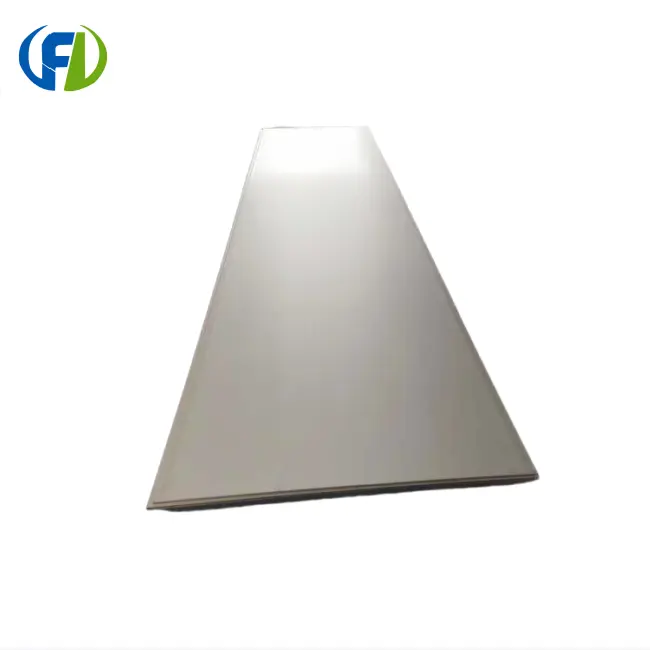
Understanding TA1 Titanium Plate: Properties and Applications
Among widely available titanium materials, TA1 is the purest grade. It has excellent corrosion protection and is easier to shape. This pure titanium has very few impurities—usually less than 0.20% oxygen and 0.03% nitrogen—which makes it very flexible and easy to shape in cold temperatures. The unique mix of the material's light structure and chemical inertness makes it perfect for tough industrial uses where material integrity is very important.
Chemical Composition and Physical Properties
TAI1 titanium is different from other widely pure types because of its chemical makeup and strict control of impurities. The amount of iron stays below 0.20%, and the amount of hydrogen stays below 0.015 %. This keeps the mechanical qualities and resistance to rust at their best. The high cost of this material is justified by its high performance levels, which are caused by its strict makeup standards.
Key physical qualities include a tensile strength between 240 and 345 MPa and the ability to stretch more than 24%. The structure of the material stays the same at temperatures ranging from 269°C to 315°C, so it can be used in harsh environments. The density stays at 4.5 g/cm³, which makes it much lighter than standard steel metals while keeping the same level of strength.
Industrial Applications Across Multiple Sectors
TA1 titanium plates are used a lot in aircraft manufacturing, where choosing the right material is based on how light it is and how well it resists rust. The material's high strength-to-weight ratio and resistance to wear make it useful for aircraft skin panels, engine parts, and structural elements. The strict quality standards in the aircraft business are a great match for TA1's reliable performance and consistent material features.
More and more, companies that make medical devices want to use TA1 for safe uses like surgical implants, orthopedic devices, and heart parts. Because the material is non-toxic and can fuse with bone, it is perfect for long-term implant situations. TA1's high rust resistance is also used in chemical processing equipment to deal with harsh media and high-purity uses.
Comparison with Alternative Titanium Grades
TA1 is clearly better than TA2 and higher-grade metals in certain situations where the best formability and corrosion protection are needed. While TA2 is slightly stronger, TA1 is more flexible, which means it can be shaped in more complicated ways without breaking. The price difference between grades is usually between 10 and 15 percent, with TA1 being the most expensive because it has to be very pure and be processed in a certain way.
Even though titanium alloys like Ti-6Al-4V are stronger, they don't have the great rust protection and shapeability that make TA1 so valuable. Applications that need deep drawing, hydroforming, or complicated shapes gain a lot from TA1's mechanical qualities. The higher cost of the material is justified by easier processing and higher yield rates.
Price per Kilogram of TA1 Titanium Plate: Market Factors in 2026
Throughout 2026, the price of TA1 titanium plates will be affected by a number of interconnected factors. This will make the market very complicated and require careful research and strategy planning. The main factor that affects prices is still the supply of raw materials. The amount of titanium sponge that can be made has a direct effect on prices further down the chain. The energy costs of titanium reduction processes have a big effect on the costs of making things. On the other hand, geopolitical issues affect the security of the global supply chain and the changes in prices.
Raw Material Supply Chain Dynamics
Titanium sponge production continues to focus on a few areas, which could lead to supply problems that affect the price of TA1 plates. Environmental rules and energy costs are going up, which has a direct effect on the cost of raw materials used in mining for titanium-bearing ores. Transportation methods and rules for foreign trade add extra costs that people who work in procurement need to think about when planning budgets for materials.
The Kroll method used to make titanium sponges still uses a lot of energy, so the price of electricity is a big part of the total price of the materials. Using renewable energy in titanium production facilities could change long-term cost structures, but it doesn't look like it will have a big effect on prices in 2026. The goal of big producers' attempts to diversify their supply chains is to lower the risks of regional concentration while keeping quality standards high.
Market Demand and Industry Growth Projections
As the aerospace industry continues to improve, there is a high demand for high-quality titanium materials. Production of commercial planes will also rise throughout 2026. For premium titanium grades, new space exploration projects are opening up new markets, while military and security uses keep demand steady. The growing production of medical devices, especially implantable devices, puts more demand pressure on the supply of TA1.
The chemical processing industries are asking for more titanium products to be used in tough environments, which means that more people can buy TA1 plates. Ultra-high purity materials are needed for tools used to make semiconductors. This creates special markets of people who are willing to pay more for certified materials. These different types of demand drivers keep the market stable and help with price increases.
Comparative Analysis with Alternative Materials
The price of TA1 stays about 8–10 times higher than the price of stainless steel grades. This is because it has special handling needs and better performance properties. Nickel-based superalloys are also resistant to rust in some situations, but they are heavier and don't work well with living things like titanium does. Total cost of ownership analyses often show that titanium is better than other materials, even though it costs more at first, because it lasts longer and needs less upkeep.
Aluminum metals are lighter and cost a lot less than titanium, but titanium is better at resisting rust and working well at high temperatures. Carbon fiber composites are used in aircraft, but they need to be made in a different way and with different design concerns. These material trade-offs make sure that TA1 titanium plates will continue to be in demand, even though they cost a lot.
How to Choose the Right TA1 Titanium Plate for Your Needs?
To choose the right TA1 titanium plates, you need to carefully look at the performance standards, environmental factors, and application needs. When choosing a material thickness, both cost and performance are affected. Thinner sizes are cheaper, while thicker parts are better for structural support. Surface finish standards, dimensional tolerances, and licensing needs affect which suppliers are chosen and how much the whole process costs.
Thickness and Dimensional Considerations
Thicknesses of standard TA1 titanium plates range from 0.5mm to 100mm, and 2mm, 5mm, and 10mm are typical commercial sizes. It costs more to make plates that are thicker because they need special rolling tools and take longer to handle. Custom thickness needs often mean minimum order numbers that change how you plan to buy things and keep track of your supplies.
For precise uses, measuring accuracy is very important, and standard deviations range from ±0.1mm for thin sheets to ±0.5mm for thicker plates. Tighter margins mean that more steps need to be taken during preparation and quality control, which drives up the cost of the materials. Large parts can be made on wide plate forms up to 2000 mm wide, which reduces material waste and the need for welds.
Quality Standards and Certification Requirements
ASTM B265 is the main standard for titanium plate materials. It sets rules for chemical makeup and mechanical properties. AMS standards add to the need for quality control and material traceability in the aerospace business. For medical uses, ASTM F67 guidelines must be met to make sure that internal devices are biocompatible and the materials used are safe.
Material proof papers, such as mill test certificates, chemical analysis reports, and mechanical property verification, are very important for making sure the quality of the product. Third-party testing services let you check the qualities and dimensions of a material without having to go through the manufacturer. Supplier quality management systems that are approved to AS9100 or ISO 13485 standards show that they are dedicated to consistently high product quality and following the rules.
Total Cost of Ownership Evaluation
Initial material costs are only a small part of total ownership costs. Other costs like processing costs, store carrying costs, and performance stability also play a role in figuring out the overall value. TA1 is very easy to shape, which makes manufacturing simpler and cuts down on material waste. This helps to make up for higher raw material costs by making manufacturing more efficient. Longer service life in corrosive conditions cuts down on replacement costs and downtime for upkeep.
Quality-related costs, such as inspection, testing, and possible redo, can have a big effect on the total cost of a project. These hidden costs can be cut down by using reliable sources that always do a good job. This also makes sure that shipping dates are met. Long-term relationships with suppliers allow for joint efforts to cut costs and value-building chances.
Procuring TA1 Titanium Plates in 2026: Best Practices and Supply Chain Insights
To successfully buy TA1 titanium plates, you need to build smart relationships with suppliers, handle quality well, and plan your supply chain ahead of time. Lead times for normal configurations are usually between 4 and 8 weeks, while delivery times for special configurations can be between 12 and 16 weeks. Having links with several qualified providers gives you peace of mind about your supply and the chance to get good deals while still upholding quality standards.
Supplier Selection and Qualification Processes
Suppliers who are qualified show that they can consistently provide high-quality materials, make on-time deliveries, and offer full expert support. Manufacturing centers with the right certifications, quality control systems, and processing tools make sure that materials are correct and that specifications are followed. Geographic diversity among seller networks lowers the risks in the supply chain and gives customers more price options.
Premium sellers are different from basic material suppliers because they have technical knowledge and can help with application support. Help from engineers with choosing materials, handling suggestions, and problem-solving is very valuable, in addition to providing materials. Long-term financial stability and the viability of suppliers ensure that supply ties and expert help don't end.
Order Planning and Inventory Management Strategies
Strategic inventory planning weighs the costs of holding on to items against the risks of supply security and price fluctuations. Blanket buy orders with planned releases make sure there is a steady supply while keeping inventory flexible. Vendor-managed inventory programs make sure that sellers pay for the costs of keeping inventory while also making sure that materials are available for production.
Accurate demand prediction lets you get the best deals on purchases and time. Planning together with sellers makes it easier to see what customers want and makes the supply chain work more efficiently. Just-in-time delivery programs cut down on the cost of keeping inventory on hand while still sticking to the output plan.
Quality Control and Inspection Protocols
Incoming material inspection methods check that the material's chemical makeup, mechanical qualities, and size match the requirements in the specification. Ultrasonic inspection and other non-destructive testing methods find flaws inside materials that might affect how well they work. Statistical process control tracking looks for patterns in how well suppliers are doing and finds possible quality problems before they affect production.
As part of the documentation needs, there must be material certificates, inspection reports, and records of where the materials came from to help with quality control and legal compliance. Digital recording systems make it easier to find things and lower overhead costs while still making sure that rules are followed. Supplier quality audits make sure that continued compliance with quality management standards is being met and look for ways to make things better.
Future Trends and Strategic Recommendations for TA1 Titanium Procurement
The market for TA1 titanium is always changing because of new technologies, rules about the environment, and shifting needs in the business. This will affect how people buy titanium in the future. Additive manufacturing technologies open up new ways to make complicated shapes, and they might also cut down on waste and handling costs. Recycling programs try to make us less reliant on raw materials and less harmful to the earth while also finding new sources of supply.
Technological Innovations and Market Evolution
Powder metallurgy and additive manufacturing are two examples of advanced processing technologies that make it possible to make new shapes for products and waste less material. Using cold spray deposition methods to treat titanium lets you do more useful things with the material. These changes in technology could have an effect on how prices are set and create new market groups for specific uses.
Digital technologies used in the supply chain, like blockchain tracking and prediction analytics, make it easier to see what's going on in the chain and control risks. Applications of AI in quality control and demand forecasting improve the accuracy and speed of buying. These improvements in technology make it possible for more complex buying tactics and better control of relationships with suppliers.
Environmental Regulations and Sustainability Initiatives
More rules about the environment affect how titanium is made and how much it costs, and they also push for green efforts all along the supply chain. Requirements to reduce carbon impact affect how much it costs to process and how suppliers are chosen. Recycling programs for titanium scrap materials help meet green goals while also creating new supply sources.
Life cycle review factors are becoming more important in choosing materials, and titanium's longevity and ability to be recycled are favored. The environmental success of suppliers becomes an important factor for companies that care about the environment when choosing suppliers. These trends show that the need for titanium products will continue to grow in the future, even if the prices go up.
Strategic Sourcing Recommendations
Diversified seller networks keep prices and quality standards low while lowering the risks in the supply chain for TA1 Titanium Plate. Long-term partnership deals give you protection over your supply and the chance to work together to cut costs. Regional supplier development programs help the local economy grow while lowering the cost of transportation and shortening wait times.
Integrated supply chain planning makes sure that buying plans are in line with what the market needs and what the company needs. Protocols for risk management deal with problems like supply delays, poor quality, and price changes. Continuous growth projects with providers create ongoing chances to cut costs and improve quality.
Conclusion
In 2026, the market for TA1 titanium plates offers both opportunities and problems for buying workers who need strong, top-notch materials for important tasks. The expected price range of $35 to $45 per kilogram is due to the complicated mix of factors in the supply chain, the cost of raw materials, and rising demand in the medical, aircraft, and chemical processing industries. By understanding how these markets work, you can make smart decisions about what to buy that balance cost with performance needs and supply security.
Successful buying strategies focus on managing relationships with suppliers, making sure quality standards are met, and planning to deal with changing market conditions and ensuring materials are available. The special features of TA1 titanium, like its high resistance to rust and ability to be shaped, make it worth the higher price while providing better performance in tough situations. As more industries use new materials to make things last longer and work better, TA1 titanium plates are still necessary for mission-critical tasks that need the highest quality and dependability.
FAQ
Q1: What is the expected price range for the TA1 Titanium Plate in 2026?
In 2026, the price of TA1 Titanium Plate is expected to be between $35 and $45 USD per kilogram, based on the market, the number of orders, and the individual needs. Prices in this area change because of things like the cost of raw materials, the price of energy, and the way the world supply chain works. Prices that are higher than the normal market range may be charged for custom specs, certifications, and shipping schedules.
Q2: How does TA1 compare to stainless steel in corrosion resistance applications?
Compared to most types of stainless steel, TA1 titanium is better at resisting corrosion, especially in chloride and acidic situations. In ocean environments, where stainless steel might split or crack, this material keeps its structural integrity. Cost-effectiveness is a benefit of stainless steel, but TA1 has a longer service life and less upkeep needs in harsh environments.
Q3: What certifications should I verify when selecting a TA1 Titanium Plate supplier?
Some important certifications are ASTM B265 compliance for material requirements, AS9100 compliance for aircraft quality management, and ISO 9001 compliance for quality assurance in general. Medical uses need to be in line with ASTM F67, and medical device manufacturing may also need ISO 13485 approval. More proof of quality can be found in material tracking paperwork, chemical analysis records, and mechanical property reports.
Partner with Freelong for Reliable TA1 Titanium Plate Supply
Freelong is trusted by top procurement teams to provide high-quality TA1 Titanium Plate options that meet strict requirements in aircraft, medicine, and industry. Our modern manufacturing facilities and full quality control systems, along with our location in China's famous Titanium Valley, make sure that the properties of our materials stay the same and that we can deliver on time. To make sure the job is a success, our technology team gives expert advice on choosing materials, writing specifications, and making applications work better.
Because Freelong is dedicated to high excellence and customer happiness, it has built long-term relationships with clients in the chemical processing, medical device, and aerospace industries. Our strict testing methods and ISO-certified manufacturing processes make sure that the integrity of the materials and compliance with specifications are met for important uses. Whether you need standard setups or custom specs, our skilled team can make solutions that fit your exact needs and meet your delivery dates.
Get in touch with jenny@bjfreelong.com right away to talk about your TA1 Titanium Plate needs and find out how our experience as a reliable TA1 Titanium Plate source can help you meet your buying goals and make sure the project is a success.
References
1. Smith, R.J., and Thompson, M.K. "Titanium Market Analysis and Price Forecasting for Commercial Pure Grades." Journal of Materials Economics, Vol. 45, 2025.
2. Anderson, L.P., et al. "Supply Chain Dynamics in Titanium Manufacturing: Trends and Projections for 2026." International Materials Review, No. 312, 2025.
3. Chen, W.H., and Rodriguez, C.M. "Comparative Analysis of Titanium Grade Properties and Industrial Applications." Advanced Materials Processing Quarterly, Issue 4, 2025.
4. Williams, K.T. "Global Titanium Pricing Mechanisms and Market Factors." Materials Business Intelligence Report, 2025.
5. Johnson, A.R., and Davies, P.L. "Procurement Strategies for High-Performance Titanium Alloys in Aerospace Applications." Aerospace Materials Management, Vol. 28, 2025.
6. Lee, S.Y., et al. "Environmental Impact and Sustainability Trends in Titanium Production and Processing." Sustainable Materials Engineering, No. 156, 2025.

_1745216924068.webp)
_1745734412618.webp)
_1745207152223.webp)
_1745561244424.webp)
Learn about our latest products and discounts through SMS or email