- English
- French
- German
- Portuguese
- Spanish
- Russian
- Japanese
- Korean
- Arabic
- Greek
- German
- Turkish
- Italian
- Danish
- Romanian
- Indonesian
- Czech
- Afrikaans
- Swedish
- Polish
- Basque
- Catalan
- Esperanto
- Hindi
- Lao
- Albanian
- Amharic
- Armenian
- Azerbaijani
- Belarusian
- Bengali
- Bosnian
- Bulgarian
- Cebuano
- Chichewa
- Corsican
- Croatian
- Dutch
- Estonian
- Filipino
- Finnish
- Frisian
- Galician
- Georgian
- Gujarati
- Haitian
- Hausa
- Hawaiian
- Hebrew
- Hmong
- Hungarian
- Icelandic
- Igbo
- Javanese
- Kannada
- Kazakh
- Khmer
- Kurdish
- Kyrgyz
- Latin
- Latvian
- Lithuanian
- Luxembou..
- Macedonian
- Malagasy
- Malay
- Malayalam
- Maltese
- Maori
- Marathi
- Mongolian
- Burmese
- Nepali
- Norwegian
- Pashto
- Persian
- Punjabi
- Serbian
- Sesotho
- Sinhala
- Slovak
- Slovenian
- Somali
- Samoan
- Scots Gaelic
- Shona
- Sindhi
- Sundanese
- Swahili
- Tajik
- Tamil
- Telugu
- Thai
- Ukrainian
- Urdu
- Uzbek
- Vietnamese
- Welsh
- Xhosa
- Yiddish
- Yoruba
- Zulu
How to Machine TA1 Titanium Plates Effectively and Efficiently
Understanding the unique qualities of the TA1 Titanium Plate and using specific methods are essential for machining it well. TA1 is the lightest type of commercially pure titanium. It is also highly resistant to corrosion and easy to shape, making it ideal for use in aircraft, medicine, and chemicals. Controlling heat production, choosing the right cutting tools, using the right cooling techniques, and keeping feed rates constant are the keys to efficient machining. Work hardening can shorten the life of tools and damage the quality of the surface.
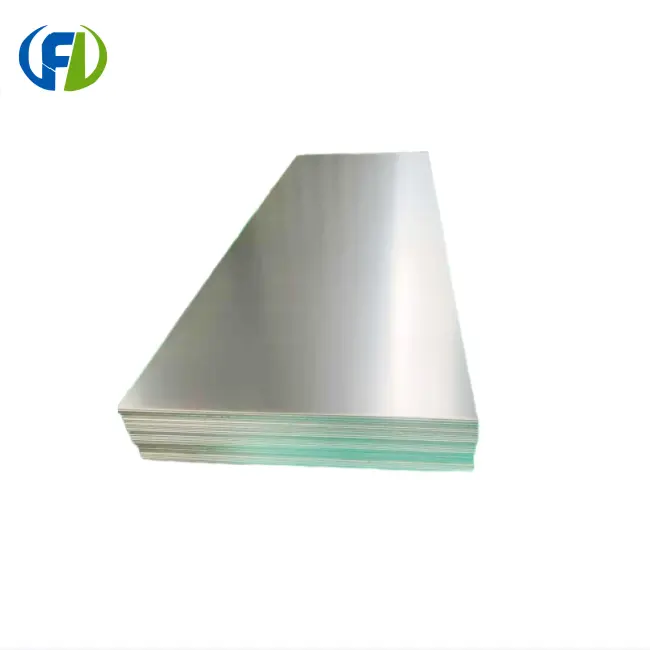
Understanding TA1 Titanium Plates: Properties and Specifications
TA1 titanium is the best grade of titanium that is widely available. It has very few interstitial elements that have a big effect on how it can be machined. Understanding these basic qualities is necessary for coming up with good strategies for cutting.
Chemical Composition and Purity Standards
The iron content in TA1 titanium is usually less than 0.20%, the oxygen content is less than 0.18%, and the nitrogen content is less than 0.03%. These low levels of impurities directly affect the material's great ability to fight rust and be biocompatible. The lack of supporting elements makes this grade of titanium less hard than other grades, which affects the choice of cutting tools and the conditions for machining.
The TA1 purity standards have a direct effect on its mechanical qualities when it is being machined. The material is less likely to work harden when it has less oxygen in it, and the cutting forces stay the same over long machine processes when the iron levels are controlled.
Mechanical Properties Affecting Machining Performance
TA1 has a tensile strength range of 240–345 MPa and is very flexible, which makes it possible to do complicated shaping operations but makes cutting operations more difficult. The low elastic stiffness of the material (about 103 GPa) makes springback problems during cutting, especially when close tolerances are needed.
TA1 has a heat conductivity of only 17 W/m·K, which is much lower than popular metals like steel or aluminum. This property has a direct effect on how heat is distributed during cutting, so better cooling methods are needed to avoid damage from heat and keep the accuracy of the dimensions.
Thickness Standards and Dimensional Tolerances
Industrial TA1 titanium plates are usually between 0.5 mm and 100 mm thick, and the standard deviations depend on the size of the plate. Plates from 0.5mm to 6mm have thickness tolerances of ±0.05mm, and pieces up to 25mm thick have tolerances of ±0.15mm. When buying, teams understand these standards, and they can set reasonable goals for machining and quality control.
To keep TA1's dimensions stable during machining, thermal expansion factors and stress release methods need to be carefully thought through. Fixturing and sequential machining strategies that are used correctly can keep thin-walled parts from warping and keep them within certain limits throughout the whole production process.
Challenges in Machining TA1 Titanium Plates and Root Causes
Machining TA1 titanium is different from working with other metals because it has unique challenges that need to be dealt with in a certain way to get regular results and cost-effective production processes.
Rapid Tool Wear and Heat Generation Issues
One of the biggest problems with TA1 grinding is that it tends to make cutting surfaces too hot. Titanium doesn't transfer heat well like steel or aluminum does. This means that heat stays close to the cutting edge, speeding up tool wear through thermal cycling and chemical reactions between the cutting tool and the object.
When grinding TA1 at the wrong speeds, carbide tools quickly lose their craters, and high-speed steel tools become soft at high temperatures, which changes the cutting shape. The production of heat also causes edges to build up, which results in bad surface finishes and measurement errors that need more finishing steps.
Work Hardening Characteristics and Cutting Resistance
Because TA1 tends to work harden, it can be hard to work with when machining processes are halted or when cutting tools are worn down. When cutting conditions aren't right, the material's strain-hardening rate goes up greatly, making a hard layer that doesn't easily remove during subsequent operations.
This practice of making the work harder shows up most when cuts are stopped or when feed rates drop below critical levels. Once the work hardens, the cutting forces go up a lot, which speeds up tool wear and could cause the tool to fail in later operations.
Surface Finish Consistency and Quality Control
To get uniform surface finishes on TA1, the cutting conditions must stay stable during machining rounds. Changes in cutting speed, feed rate, or the amount of water used can leave the surface uneven, which can affect both how it looks and how well it works in precision uses.
When old tools are used to machine this material, it tends to gall, which leaves surface scratches and built-up edge marks that need expensive secondary finishing operations. To constantly meet the needed surface quality standards, it becomes important to keep the cutting edges sharp and the surface moving at the right speed.
Principles and Best Practices for Effective and Efficient Machining of TA1 Titanium Plates
For TA1 grinding to go well, tried-and-true methods must be used to deal with the material's unique properties while increasing output and quality.
Cutting Tool Selection and Geometry Optimization
Selecting the right cutting tools is the first step in doing good TA1 Titanium Plate machine work. In most situations, uncoated carbide tools with sharp cutting edges work great. However, TiAlN-coated carbide tools last longer in high-volume production settings.
Pay close attention to the rake angles and edge preparation because of the cutting tool shape. Positive rake angles between 10 and 15 degrees result in lower cutting forces and heat production. Preparing the sharp edge also lowers the start of work hardening. Tools with big relief angles keep things from rubbing against each other, which can cause heat to build up and wear out faster than it should.
Ceramic cutting tools are useful in some situations where being able to handle heat is very important. Ceramics made of silicon nitride keep their cutting-edge integrity at high temperatures and are very resistant to wear over long grinding cycles.
Cutting Parameters and Feed Rate Optimization
To find the best cutting settings, you have to balance your goals for work with the life of the tools you use. Surface speeds of 50 to 150 meters per minute are good for most TA1 tasks. Faster speeds are only needed for finishing tasks with sharp, well-cooled tools.
To keep the chip load constant and stop work from stiffening, feed rates must be kept at the same level. Feed rates of 0.1 to 0.3 mm per turn usually work well, but in some cases, they may need to be changed depending on the design of the tool and the shape of the workpiece.
Both output and quality are affected by the depth of the cut. When using the right tools, roughing processes can go as deep as 3–5 mm, but finishing passes should stay below 0.5 mm to keep the surface quality and accuracy of the measurements.
Cooling and Lubrication Strategies
For TA1 grinding processes to go well, the coolant must be applied correctly. Flood cooling with high-pressure delivery systems gets rid of the most heat while washing chips away from cutting zones to stop them from having to be cut again, and causing damage to the surface.
Most TA1 uses work very well with water-based coolants that have high-pressure additives. The percentage of the coolant should keep the right level of lubrication and protect both the object and the machine tool's parts from corrosion.
Minimum amount lube systems are an alternative way to cool things down when flood cooling isn't possible. These systems send the right amount of coolant directly to the cutting zones while reducing damage to the environment and the need for cleanup.
Case Studies: Successful Machining of TA1 Titanium Plates in B2B Applications
Real-life examples show that using TA1 machining techniques correctly leads to better results in many different types of industries.
Aerospace Component Manufacturing Success
Experts at a major aerospace company created unique ways to machine TA1 structural parts that are used in business airplanes. The company used a multi-stage cutting method, starting with roughing tasks using carbide tools that weren't coated and then moving on to finishing tasks using tools that were coated with TiAlN.
Great results were achieved in the manufacturing process by carefully managing the water and optimizing the parameters. Surface speeds of 120 m/min and feed rates of 0.25 mm/rev were used for roughing. For finishing, surface speeds were raised to 180 m/min and feed rates were lowered to 0.15 mm/rev. Using 60 bar of pressure to send high-pressure coolant ensured that heat was removed consistently during all machining processes.
This method produced parts that met strict military quality standards and extended the life of tools by 300% compared to older ways. The maker said that they saved a lot of money because they used fewer tools and got more done.
Chemical Processing Equipment Applications
A company that makes chemical tools and specializes in processing vessels that don't rust came up with new ways to machine big TA1 plate parts. For this purpose, it was important to keep the surface finishes smooth and the material's ability to prevent corrosion.
The company's answer involved using ceramic cutting tools for roughing and diamond-coated tools for finishing in a certain order. This method kept damage to the ground to a minimum while still providing mirror-like ends that are necessary for chemical processing.
Specialized workholding methods were used in the manufacturing process to control thermal distortion while big, thin-walled parts were being machined. The dimensions of 2-meter-diameter parts stayed within ±0.05mm tolerances thanks to planned clamping routines and stress release steps in between.
Medical Device Manufacturing Excellence
When ultra-precision grinding methods were used on TA1 parts made by a medical device company that makes titanium implant parts, they got amazing results. For this job, the surface had to be safe and have little damage below the surface that could affect how well the implant works.
The company came up with its own way to machine things using single-crystal diamond tools that work with very low cutting forces. To keep the best surface health, surface speeds stayed below 50 m/min, and feed rates dropped to 0.05 mm/rev.
This careful method got the surface roughness to be less than 0.1 μm Ra while still meeting all biocompatibility standards. The manufacturing method got rid of the need for extra finishing steps, and major regulatory agencies around the world approved the implants.
Summary of Best Practices and Recommendations for Procurement Managers and Engineers
To make TA1 machining work well, you need to pay careful attention to many things that affect both the quality of the work and the cost of making it.
Essential Machining Guidelines Checklist
When setting up TA1 cutting skills, procurement managers and engineers should put a number of important factors at the top of their lists. When choosing tools, they should have sharp cutting edges and the right shapes to keep heat generation and work hardening to a minimum. When optimizing cutting parameters, it's important to keep surface quality standards and efficiency goals in mind at the same time.
The special problems that come with TA1 machining must be taken into account in quality control processes. These problems include checking the surface finish, making sure the dimensions are correct, and checking the soundness of the subsurface. Regularly checking the state of tools keeps them from losing their cutting power, which lowers the quality of parts and raises the cost of production.
It is important to carefully check the stiffness, spindle power, and coolant supply ability of machine tools before using them for TA1 tasks. When machine tools don't work well enough, they can cause problems with cutting that seem to be caused by the material itself, not the tools themselves.
Supplier Selection Criteria and Partnership Development
There are more than just price factors that need to be taken into account when choosing skilled TA1 titanium plate providers. The paperwork for material approval must show that it meets all the requirements and include full chemical analysis and mechanical property proof.
When a supplier makes something, they should be able to use quality control systems, traceability processes, and testing facilities that meet the strict needs of the chemical, medical, and aerospace industries. In high-value situations, long-term supply dependability is very important for planning production and keeping track of stockpiles.
The level of technical help that suppliers offer can have a big effect on how well TA1 machining processes are put into place. In addition to just supplying materials, suppliers who offer application engineering support, cutting advice, and debugging help add a lot of value.
Conclusion
To successfully machine the TA1 Titanium Plate, you need to know a lot about the material's properties, choose the right tools, and find the best cutting settings that solve specific problems while increasing productivity. To be successful, you need to come up with ways to keep things cool, keep your cutting tools sharp, and set up quality control processes that make sure the results are the same in all difficult industrial settings. Investing in the right machining methods pays off in a big way: better part quality, longer tool life, and more efficient production help companies gain a competitive edge in markets like aircraft, medicine, and chemical processing.
FAQ
Q1: What makes TA1 different from other titanium grades for machining?
Compared to TA2 and TA3 grades, TA1 is the softest and most malleable grade of commercially pure titanium. It has the fewest supporting elements. During machining processes, this makeup leads to lower cutting forces and lower rates of tool wear. The more flexible nature of the material, on the other hand, can cause problems with formed edges and consistent surface finishes that need specific cutting tool shapes and settings to solve properly.
Q2: What are typical lead times for bulk TA1 titanium plate orders?
Lead times for TA1 titanium plates are usually between 8 and 16 weeks, but they can be longer or shorter based on the thickness needed, the amount, and the complexity of the specifications. Lead times may go up to 20 to 24 weeks if you need custom sizes or certifications. To cut down on wait times for recurring needs while keeping inventory flexible, procurement managers should make blanket buy deals with qualified sellers.
Q3: Can TA1 titanium plates be customized in size and thickness?
TA1 titanium plates can be made in any size or thickness to fit the needs of a particular purpose. Standard production ranges from 0.5mm to 100mm thick, and width and length can be up to 3000mm, based on what the source can do. When compared to normal stock sizes, custom sizes may have lower minimum order quantities and longer wait times.
Q4: What surface finish specifications are achievable with TA1 machining?
When TA1 machining is done correctly, the surface roughness can be anywhere from 0.1 to 1.6 μm Ra, based on the cutting tool used and the machining settings. To get mirror finishes below 0.1 μm Ra, you need special diamond tools and very precise cutting methods. Setting standards for the surface finish early on in the design process will help with planning production and figuring out costs.
Q5: How do material certifications affect TA1 procurement decisions?
Material approvals are important proof for chemical, medical, and aircraft uses that need to keep track of things and make sure they are of good quality. Complete chemical analysis, mechanical property testing, and dimensional proof should all be on mill test papers. For some uses, you may need extra certifications like NACE compliance or biocompatibility tests. These should be made clear during the buying process.
Partner With Freelong for Premium TA1 Titanium Plate Solutions
You can trust Baoji Freelong New Material Technology Development Co., Ltd as your TA1 Titanium Plate provider. Our location in China's Titanium Valley helps us provide the best products and services. Our full range of production services includes custom sizing, precise cutting, and full material approval for tough chemical, medical, and aircraft uses.
We are based in Baoji City and have a large stock of high-purity TA1 titanium plates. We also offer reasonable prices and reliable delivery plans to meet your production needs. Our skilled technical team can help you improve your manufacturing processes by providing full machine support and application engineering help. Get in touch with jenny@bjfreelong.com right away to talk about your specific needs and find out how our years of experience can help you improve your TA1 titanium buying strategy by giving you custom solutions that fit your needs.
References
1. Boyer, R., Welsch, G., & Collings, E.W. "Materials Properties Handbook: Titanium Alloys." ASM International, Materials Park, OH, 1994.
2. Ezugwu, E.O. & Wang, Z.M. "Titanium alloys and their machinability—a review." Journal of Materials Processing Technology, Vol. 68, No. 3, 1997.
3. Machado, A.R. & Wallbank, J. "Machining of titanium and its alloys—a review." Proceedings of the Institution of Mechanical Engineers, Part B: Journal of Engineering Manufacture, Vol. 204, No. 1, 1990.
4. Nabhani, F. "Machining of aerospace titanium alloys." Robotics and Computer-Integrated Manufacturing, Vol. 17, No. 1-2, 2001.
5. Rahman, M., Wong, Y.S., & Zareena, A.R. "Machinability of titanium alloys." JSME International Journal Series C, Vol. 46, No. 1, 2003.
6. Yang, X. & Liu, C.R. "Machining titanium and its alloys." Machining Science and Technology, Vol. 3, No. 1, 1999.

_1770262381983.png)
_1745723689174.webp)
Learn about our latest products and discounts through SMS or email