- English
- French
- German
- Portuguese
- Spanish
- Russian
- Japanese
- Korean
- Arabic
- Greek
- German
- Turkish
- Italian
- Danish
- Romanian
- Indonesian
- Czech
- Afrikaans
- Swedish
- Polish
- Basque
- Catalan
- Esperanto
- Hindi
- Lao
- Albanian
- Amharic
- Armenian
- Azerbaijani
- Belarusian
- Bengali
- Bosnian
- Bulgarian
- Cebuano
- Chichewa
- Corsican
- Croatian
- Dutch
- Estonian
- Filipino
- Finnish
- Frisian
- Galician
- Georgian
- Gujarati
- Haitian
- Hausa
- Hawaiian
- Hebrew
- Hmong
- Hungarian
- Icelandic
- Igbo
- Javanese
- Kannada
- Kazakh
- Khmer
- Kurdish
- Kyrgyz
- Latin
- Latvian
- Lithuanian
- Luxembou..
- Macedonian
- Malagasy
- Malay
- Malayalam
- Maltese
- Maori
- Marathi
- Mongolian
- Burmese
- Nepali
- Norwegian
- Pashto
- Persian
- Punjabi
- Serbian
- Sesotho
- Sinhala
- Slovak
- Slovenian
- Somali
- Samoan
- Scots Gaelic
- Shona
- Sindhi
- Sundanese
- Swahili
- Tajik
- Tamil
- Telugu
- Thai
- Ukrainian
- Urdu
- Uzbek
- Vietnamese
- Welsh
- Xhosa
- Yiddish
- Yoruba
- Zulu
Where to Buy Aerospace Grade Tantalum Foil: Top Suppliers and Quality Standards
Before you buy aerospace-grade tantalum foil from someone you trust, make sure they have the right skills, quality standards, and materials for you. Aerospace businesses use high-purity tantalum materials that meet the strict ASTM B708 standards. The weather doesn't hurt these products, and the temperature doesn't change much. For important aircraft uses, top providers such as Freelong, Heraeus, and Global Advanced Metals offer approved aerospace-grade materials with checked quality records and a reliable supply chain.
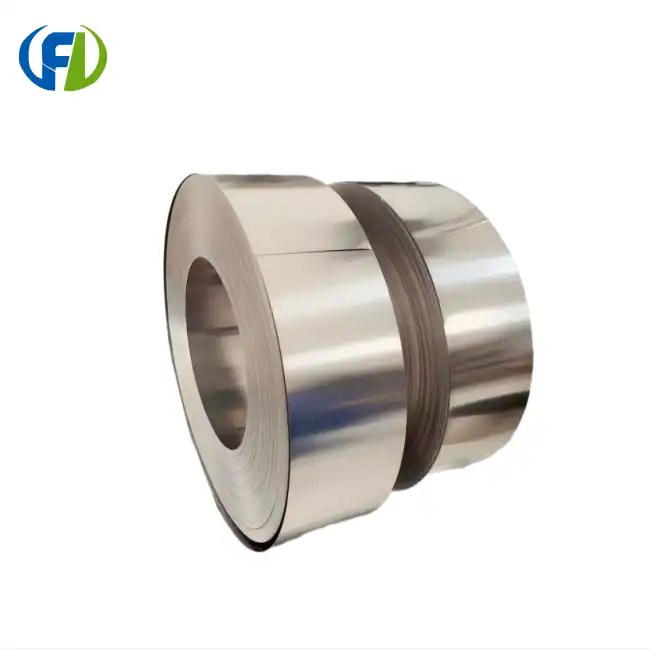
Understanding Aerospace Grade Tantalum Foil
Chemical Composition and Core Properties
Tiny tantalum pieces made for aerospace use have special features that make them necessary for high-performance uses. The material is usually between 99.95% and 99.99% pure, has a density of 16.6 g/cm³, and is very resistant to chemical damage. These features make tantalum strong enough to handle harsh conditions found in space, such as chemicals, high temperatures, and mechanical stress.
Tantalum is very good at conducting electricity, which makes it very useful for computer parts in airplane systems. Because it can make stable oxide layers, it helps capacitors and other important electronic parts last for a long time. The biocompatibility of the material also means that it can be used in medical aircraft tools and life support systems.
Standard Thicknesses and Aerospace Grades
Tantalum foil comes in a range of widths, from 0.025 mm to 1.0 mm, and is commonly used in aerospace applications. The usual types are RO5200, RO5252, and RO5255. Each grade has its own unique mechanical qualities that make it suitable for a range of performance needs. The RO5200 is very flexible and can be shaped into complicated forms. The RO5252 and RO5255 are stronger and can be used in structural applications.
The choice of width has a direct effect on how well the material works in certain situations. When room is limited, thinner foils work best in computer parts. On the other hand, bigger foils are better for protecting barriers and heat exchanges because they keep their shape better. The widest sizes that are usually offered are 200 mm, which meet a variety of industrial needs without affecting the structure of the material.
Advantages Over Alternative Forms
When used in aircraft, tantalum foil is clearly better than sheets, bars, or other shapes of the material. The process of making it includes heating, casting, grinding, rolling, and vacuum cooling. This gives the surface a high-quality finish with no flaws or scratches. For uses that need accurate electrical qualities or chemical protection, this surface must be in perfect condition.
Because the foil is flexible, it can be formed in complicated ways while still keeping its shape. Foil can be made into complex shapes that are needed for current aircraft parts, but not thicker materials. The low thermal expansion rate of the material keeps its shape over a wide range of temperatures, which makes it perfect for precision tools and electronics that are heated and cooled many times.
Top Global Suppliers of Aerospace-Grade Tantalum Foil
Leading International Manufacturers
There are a number of well-known companies with aircraft expertise that sell tantalum foil around the world. Heraeus is one of the most well-known brands, and they give a wide range of tantalum foil material options along with a lot of quality paperwork and expert help. Their factories keep their aircraft certifications up to date and make sure that the qualities of the tantalum foil materials used in each batch are the same.
Another big seller with a big footprint in the market is Global Advanced Metals. They are especially strong in the North American and European markets. Their vertically linked supply chain makes it possible to track materials from where they are sourced to where they are delivered as finished goods. Plansee adds to the usual supply base by focusing on hard metals and having strong relationships in the aircraft business.
Freelong, a company based in Baoji, China's Titanium Valley, has become an affordable option by providing tantalum foil that is approved by ASTM B708 and managed by ISO9001 quality systems. Their central position gives them easy access to raw materials and lets them keep prices low. The company already has connections in Australia, Korea, Germany, the US, and other important aircraft areas.
Geographic Distribution and Market Presence
Knowing where your suppliers are located helps you make the most of your supply chain's operations and risk management. European providers like Heraeus and Plansee are close to aircraft makers in the region, which helps their global marketing networks. Their long-term presence in aircraft hubs gives them the ability to provide expert help and act quickly.
Asian providers, especially those in China, like Freelong, take advantage of lower costs while still meeting quality standards around the world. To serve aircraft markets around the world, these providers have put a lot of money into quality processes and licenses. Their rising market position is due to better quality control and low prices that buying teams that want to save money.
North American suppliers focus on niche markets and specialized uses, and they often offer better expert help and the ability to make changes. The local supplier base helps with following the rules and keeping the supply chain safe for defense-related projects that need to use domestic suppliers.
Evaluation Criteria for Supplier Selection
A successful review of a provider goes beyond just comparing prices and looks at a number of performance factors. Quality standards are the building blocks. ISO9001, AS9100, and certain aircraft approvals are examples of strong quality management systems. Certifications for materials must include full chemical analyses, mechanical tests, and records of the surface quality.
Technical skills include the ability to customize, the minimum order size, and the freedom of shipping. For difficult aircraft projects, suppliers who can give unique thickness ranges, special surface processes, or fast development services are more useful. Manufacturing capacity and scalability make sure that there is a steady supply during the ramp-up stages of production.
After recent world problems, financial security and the ability of supply chains to keep going have become more important. Risk management is better for suppliers who have a variety of raw material sources, enough supplies, and established shipping partnerships. Technical help, ongoing growth programs, and joint development programs are all things that could be part of a long-term relationship.
Quality Standards and Certification for Aerospace Tantalum Foils
ASTM and AMS Standards Framework
ASTM B708 is the main standard that sets the requirements for tantalum and tantalum alloy foil used in aircraft. This guideline says what the chemistry makeup, mechanical features, size limits, and surface quality must be. Following ASTM B708 makes sure that materials are consistent and that their performance can be predicted across different sources and production runs.
AMS (Aerospace Material Specifications) guidelines include extra rules that are only needed for aerospace uses, like stricter testing procedures and more detailed paperwork. These standards cover issues that are specific to aircraft settings, like the ability to fight stress corrosion, work well under wear, and stay stable over time while in use.
In order to get certified, a lot of tests must be done, such as chemical analysis, tensile testing, and microstructural study. Suppliers must keep thorough records of how materials can be tracked, how they are processed, and how quality is controlled. This paperwork helps companies that make things for the aerospace industry show that they follow rules and their own quality standards.
Testing Protocols and Validation Methods
To check the chemical makeup, you need to use complex scientific methods like X-ray fluorescence analysis and inductively coupled plasma spectroscopy. These methods find small amounts of impurities that might make a material less useful in aircraft uses. Oxygen, nitrogen, and carbon levels are very important because they affect how strong something is and how well it resists rust.
Standardized methods are used to measure tensile strength, yield strength, and extension as part of mechanical testing. The results of these tests show that the material can handle practical pressures and still keep its structural integrity. To make sure it works with sensitive aircraft uses, the surface quality review includes looking at it visually, measuring how rough it is, and looking for contamination.
For corrosion resistance tests, the metal is put through a number of chemical situations that are similar to those found in aircraft service. These rapid tests predict how a material will work in the long term and show how it might fail. Checking the electrical properties of tantalum ensures that it works the same way every time in electronic uses that depend on its conductivity.
Documentation and Traceability Requirements
Aerospace uses need detailed records of the past of a material, from where the raw materials came from to the final review. The chemical makeup, mechanical qualities, and test results for each production lot are listed in detail in the Certificate of Analysis (COA) records. Photomicrographs, stress-strain curves, and other scientific information that support the material's approval are included in the test results.
Traceability systems make it possible to connect specific pieces to specific production batches, lots of raw materials, and processing conditions. This skill is very important for looking into problems in the field, taking appropriate actions, and staying in line with regulations. Advanced sellers use digital tracking systems that give them real-time access to the past of materials and the paperwork that backs them up.
Quality management system checks make sure that suppliers meet the quality standards for aircraft tantalum foil. These checks look at record systems, testing abilities, and process controls to make sure that the quality of the materials is always the same. Successful providers show efforts to keep getting better and aggressive quality control methods that go above and beyond what the law requires.
How to Choose the Right Aerospace-Grade Tantalum Foil?
Application-Specific Material Requirements
Different aerospace applications impose varying requirements on tantalum foil properties and specifications. Electronic applications prioritize electrical conductivity, surface quality, and dimensional precision, while structural applications emphasize mechanical strength and corrosion resistance. Understanding specific application requirements guides material selection and supplier evaluation processes.
Capacitor applications require exceptional surface quality and precise thickness control to ensure consistent electrical performance. The foil must maintain uniform properties across its entire surface area while providing reliable long-term stability. Environmental conditions, including temperature cycling, humidity exposure, and vibration loads, influence material selection criteria.
Protective coating applications leverage tantalum's exceptional corrosion resistance and chemical stability. These applications often require specific surface treatments or customized thickness ranges to optimize protection effectiveness. Compatibility with substrate materials and coating processes becomes a critical selection factor.
Supplier Reliability and Technical Support
Reliable suppliers demonstrate consistent delivery performance, quality standards, and responsive technical support capabilities. Track record evaluation includes on-time delivery rates, quality incident frequency, and customer satisfaction metrics. Established suppliers with long aerospace industry experience typically provide more stable partnerships and better risk management.
Technical support capabilities encompass material selection guidance, application engineering, and problem-solving assistance. Suppliers offering comprehensive technical resources help optimize material utilization and resolve manufacturing challenges. This support proves particularly valuable during new product development phases and process optimization initiatives.
Communication effectiveness and cultural compatibility influence partnership success, particularly with international suppliers. Language capabilities, time zone considerations, and business practice alignment affect day-to-day working relationships. Successful partnerships require clear communication channels and mutual understanding of expectations and requirements.
Cost Optimization and Supply Chain Management
Total cost of ownership extends beyond unit pricing to include logistics costs, inventory carrying costs, and quality-related expenses. Suppliers offering competitive transportation options, flexible payment terms, and inventory management services provide additional value beyond basic material costs. Strategic sourcing approaches balance cost savings with supply chain risk management.
Minimum order quantity negotiations enable cost optimization while managing inventory levels. Suppliers willing to accommodate smaller order quantities or provide inventory management services offer advantages for specialized applications or prototype development projects. Volume commitments may unlock preferential pricing and priority allocation during supply constraints.
Lead time management requires coordination between production planning and supplier capabilities. Suppliers maintaining adequate inventory levels and flexible production scheduling provide better responsiveness to changing requirements. Strategic partnerships may include consignment inventory arrangements or dedicated production capacity to ensure supply security.
Introducing Freelong: Your Trusted Partner for Aerospace-Grade Tantalum Solutions
Company Heritage and Manufacturing Excellence
Baoji Freelong New Material Technology Development Co., Ltd. operates from Baoji City, renowned as China's Titanium Valley and a global center for refractory metal production. Our strategic location provides access to premium raw materials and specialized manufacturing expertise developed over decades of industry leadership. This geographic advantage enables cost-effective production of tantalum foil while maintaining the stringent quality standards required for aerospace applications.
Our manufacturing capabilities encompass the complete production process from raw material preparation through final inspection and packaging. The process flow includes melting, forging, inspection, polishing, rolling, vacuum annealing, and comprehensive quality control measures. Each step is carefully controlled to ensure consistent material properties and surface quality that meet aerospace specifications.
ISO9001 certification demonstrates our commitment to quality management systems and continuous improvement initiatives. Our quality infrastructure includes advanced testing equipment, certified personnel, and documented procedures covering all aspects of production and quality control. This systematic approach ensures reliable material properties and comprehensive documentation supporting aerospace applications.
Specialized Product Portfolio and Capabilities
Our ASTM B708 tantalum foil product line offers comprehensive coverage of aerospace requirements with thickness ranges from 0.025 mm to 1.0 mm and maximum widths reaching 200 mm. Available grades include RO5200, RO5252, and RO5255, each optimized for specific performance characteristics. Purity levels of 99.95% and 99.99% ensure compatibility with the most demanding aerospace applications.
Surface quality represents a key differentiator, with bright, defect-free finishes achieved through specialized processing techniques. Our quality control systems eliminate scratches, dents, holes, and other surface imperfections that could compromise performance in sensitive applications. This attention to surface quality proves particularly important for electronic and protective coating applications.
Customization capabilities extend beyond standard specifications to include specialized thickness ranges, surface treatments, and packaging options tailored to specific customer requirements. Our engineering team collaborates with customers to optimize material specifications for their unique applications while maintaining cost-effectiveness and delivery efficiency.
Global Reach and Logistics Excellence
Our established international presence spans key aerospace markets, including Australia, Korea, Germany, the United States, the United Kingdom, Malaysia, and the Middle East. These relationships provide deep understanding of regional requirements, regulatory standards, and customer preferences across diverse aerospace markets.
Shipping capabilities include multiple carrier options such as FedEx, TNT, DHL, and EMS to ensure reliable delivery worldwide. Our logistics team optimizes shipping methods based on urgency, cost considerations, and regional preferences. Comprehensive packaging protects material integrity during transportation while facilitating efficient handling and inspection upon receipt.
Technical support services include material selection guidance, application engineering assistance, and responsive customer service addressing inquiries and concerns. Our multilingual capabilities and global time zone coverage ensure effective communication regardless of customer location. This support infrastructure reinforces our commitment to long-term partnership success.
Conclusion
Selecting the right supplier for aerospace-grade tantalum foil requires careful evaluation of quality standards, technical capabilities, and supply chain reliability. The material's exceptional properties make it indispensable for aerospace applications, but realizing these benefits depends on sourcing from qualified suppliers with proven track records. ASTM B708 standards provide the foundation for material specifications, while supplier certifications and documentation ensure consistent quality and traceability. Successful procurement strategies balance cost optimization with risk management, emphasizing supplier partnerships that provide technical support and responsive service alongside competitive pricing and reliable delivery.
FAQ
1. What distinguishes aerospace-grade from standard tantalum materials?
Aerospace-grade tantalum foil must meet stringent ASTM B708 specifications covering chemical composition, mechanical properties, and surface quality requirements. These materials typically achieve 99.95% to 99.99% purity levels compared to lower purity grades used in general industrial applications. Aerospace specifications also require comprehensive documentation, traceability systems, and quality management certifications that exceed standard commercial requirements.
2. How can buyers verify corrosion resistance capabilities?
Corrosion resistance verification requires review of material certifications, chemical composition analysis, and specific test data addressing relevant service environments. Suppliers should provide documentation covering exposure testing to acids, alkalis, and other chemicals representative of aerospace applications. Third-party testing reports and accelerated corrosion studies offer additional validation of long-term performance expectations.
3. What are typical minimum order quantities and negotiation strategies?
Minimum order quantities vary significantly among suppliers, ranging from small research quantities to industrial production volumes. Smaller suppliers may accommodate orders starting at a few kilograms, while larger manufacturers often require minimum orders of 50-100 kilograms. Negotiation strategies include consolidating requirements across multiple projects, establishing annual volume commitments, and exploring consignment inventory arrangements to optimize order sizes while managing inventory costs.
Partner with Freelong for Premium Aerospace Tantalum Solutions
Ready to secure reliable aerospace-grade tantalum foil for your critical applications? Freelong combines decades of manufacturing expertise with competitive pricing and exceptional customer service to deliver the high-quality materials your projects demand. Our ISO9001-certified facility in China's Titanium Valley produces ASTM B708-compliant tantalum foil meeting the most stringent aerospace specifications. Contact our experienced team at jenny@bjfreelong.com to discuss your specific requirements, request technical datasheets, or schedule a consultation. As a trusted tantalum foil manufacturer serving global aerospace markets, we're committed to supporting your success with reliable materials, competitive pricing, and responsive technical support. Visit frlmetal.com to explore our complete product portfolio and discover how our aerospace-grade solutions can enhance your manufacturing capabilities.
References
1. American Society for Testing and Materials. "Standard Specification for Tantalum and Tantalum Alloy Sheet, Strip, and Foil." ASTM International, 2019.
2. Johnson, M.R. "Refractory Metals in Aerospace Applications: Properties and Performance Considerations." Journal of Materials Engineering and Performance, Vol. 28, 2020.
3. International Organization for Standardization. "Quality Management Systems - Requirements for Aviation, Space and Defense Organizations." ISO 9001:2015, 2018.
4. Thompson, K.L. "Supply Chain Risk Management in Aerospace Manufacturing: Strategic Considerations for Critical Materials." Aerospace Materials Quarterly, 2021.
5. Williams, D.A. "Corrosion Resistance of Tantalum Alloys in Aerospace Environments: Testing Protocols and Performance Standards." Materials Science and Engineering Review, Vol. 45, 2019.
6. Chen, H.Y. "Global Market Analysis: Refractory Metals Supply Chains and Manufacturing Trends in Aerospace Applications." International Metals Research Institute, 2022.

_1748239084668.webp)
_1757907992571.png)
_1764751890017.png)
_1745891440640.webp)
Learn about our latest products and discounts through SMS or email