The medical device industry is always changing, and superelastic nitinol wire is leading the way in this transition. This detailed tutorial looks at how shape memory alloys, especially nickel titanium compositions, are changing the way medical devices are made by combining flexibility, biocompatibility, and thermal activation qualities in a way that no other material can. More and more, doctors and device makers are using these smart materials to make solutions that are as little invasive as possible while yet being able to adapt to complicated anatomical structures and keeping their great mechanical qualities.
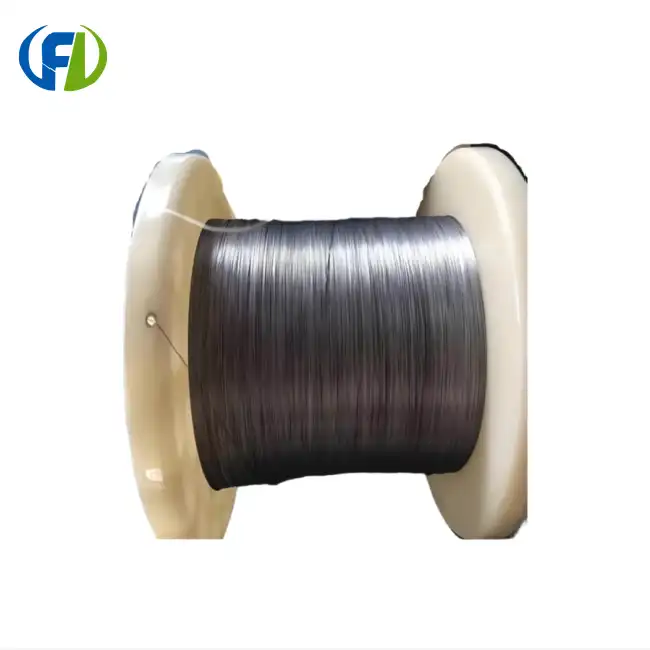
Understanding the Science Behind Superelastic Behavior
Superelastic nitinol wire offers amazing phase change abilities that make it different from other materials. The alloy changes from austenite to martensite based on the amount of stress and temperature it is under. This special quality lets the wire change shape a lot and then go back to its original shape when the stress is taken away.
The elastic modulus of nitinol is still much lower than that of stainless steel, which makes it more flexible for use in medicine. The stress-strain curve study shows that nitinol has a unique plateau region where big strains happen with little stress growth. This feature is very useful for medical devices that need to apply the same amount of force to different body parts.
Heat treatment procedures let you control the wire's transition temperatures and mechanical properties very carefully. By changing the nickel-titanium ratio and processing settings, manufacturers can make these properties work better for certain medicinal uses. The material keeps its superelastic qualities even when the body temperature changes, thus it's perfect for implants.
Medical Applications Driving Innovation
One of the best uses for superelastic nitinol wire is in orthodontics. Dentists like how these materials produce moderate, constant stresses for moving teeth while also adjusting to changes in the mouth's structure. The corrosion resistance features make sure that it will work well in the tough oral environment for a long time.
Superelastic Nitinol Wire's adaptability is shown in cardiovascular applications like self-expanding stents and guidewires. These devices go through complicated blood vessels and keep their shapes once they are put in place. Nitinol is biocompatible, which means it decreases inflammation and helps patients do better.
Nitinol's special qualities make it useful for less invasive surgical tools. Surgeons can put deflated instruments through small cuts, and then use heat to bring the equipment back to its normal shape. This method lowers the amount of trauma to the patient while also making surgery more accurate and speeding up recovery times.
More and more orthopedic implants use nitinol parts to hold bones together and for spinal applications. The material's capacity to resist fatigue makes implants last a long time even when they are under cyclic loading. Shape memory effects can give you dynamic compression or distraction forces as you get better.
Wire Diameter Considerations and Specifications
Choosing the right wire diameter has a big effect on how well a device works and what it needs to be made. Smaller diameters give you more options, but they might not be able to create as much force. Larger dimensions make things stronger, but they could make it harder to get through tight anatomical openings.
Superelastic Nitinol Wire's standard medical-grade diameters range from 0.1 mm to 3.0 mm, making it useful for a variety of applications. Precision manufacturing ensures that the dimensional tolerances are always the same, which is important for the gadget to work. Surface finish requirements affect both biocompatibility and fatigue performance in dynamic applications.
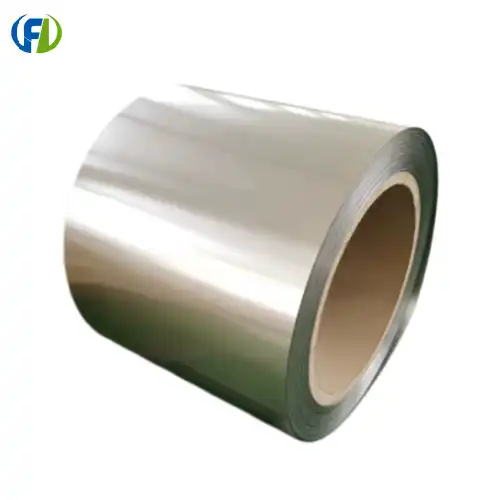
Custom wire shapes make it possible to construct medical devices that are quite specific. Engineers have more design options when they use flat wires, ribbons, and complicated cross-sections. These modifications can help distribute stress better and make the gadget fit in better with the tissues around it.
Quality Standards and Biocompatibility Requirements
When getting nitinol materials, medical device makers must follow strict quality criteria. ISO 13485 certification makes guarantee that manufacturing procedures are always the same and that materials can be traced. Comprehensive material testing checks for chemical composition, mechanical qualities, and biocompatibility.
Biocompatibility testing uses ISO 10993 criteria to check if materials are safe for people to touch. These tests look at how cytotoxic, sensitizing, and systemic toxicity affect cells. Long-term implantation studies give us information on how tissues respond and how stable materials are over long periods of time.
Surface treatments can make things more biocompatible and resistant to corrosion. Electropolishing gets rid of flaws on the surface, and making an oxide layer makes corrosion protection better. These steps make sure that the gadget will last a long time and that the tissue will work well with it in biological settings.
Manufacturing Considerations and Processing Techniques
To make nitinol wire with the right qualities, you need particular tools and knowledge. Cold working procedures shape the wire, and then heat treatment sets the final transformation characteristics. Controlling the temperature exactly throughout processing makes sure that the material behaves the same way every time.
Shape setting procedures tell the wire what shape it should remember for certain medical uses. During heat treatment cycles, fixtures hold the wire in the shape that is needed. This process decides what the material will look like when it is heated or when stress is taken away.
Quality control checks during manufacturing make sure that the materials have the right qualities and that the dimensions are correct. Differential scanning calorimetry verifies transition temperatures, and mechanical testing verifies superelastic properties. These tests make sure that each batch fulfills strict standards for medical devices.
Actuator Applications and Smart Device Integration
Smart medical devices use Superelastic Nitinol Wire's actuator characteristics to work on their own within the body. Temperature-activated mechanisms can release drugs or change the settings on a device based on how the body is doing. These apps are the most advanced responsive medical technologies available.
Nitinol actuators are used in robotic surgical tools to give them accurate motion control in small places. The material's special qualities make it possible to move in complicated ways while yet meeting biocompatibility standards. These improved tool designs give surgeons better dexterity for delicate procedures.
Nitinol's shape memory capabilities are used by implantable sensors to be deployed and positioned. When implanted, these devices can change from small insertion shapes to functioning shapes. Wireless monitoring lets you get constant patient data without being too invasive.
Conclusion
Superelastic nitinol wire is changing the way medical devices are designed since it is biocompatible, flexible, and has smart material features. The medical field in 2025 needs materials that can handle complicated anatomical problems and last for a long time. Nitinol's adaptability allows for new solutions that improve patient outcomes and surgical accuracy, from orthodontic uses to cardiovascular procedures. Superelastic nitinol wire is still an important part of next-generation medical equipment, even as medical science moves toward treatments that are less intrusive and more individualized. Working with skilled suppliers like Freelong makes sure you have access to high-quality materials that meet strict medical standards and help with the development of new devices.
Partner with Freelong for Superior Superelastic Nitinol Wire Solutions
You can trust Baoji Freelong New Material Technology Development Co., Ltd. to be your superelastic nitinol wire provider. They provide materials of the highest quality that fulfill the strictest medical device standards. Our company is located in China's Titanium Valley and has decades of experience in metallurgy and cutting-edge manufacturing technology. This allows us to make nitinol wires that always meet or exceed industry standards.
Our ISO 9001:2015-certified factory keeps a strict eye on quality at every stage of manufacturing. We thoroughly evaluate each batch to make sure that the transition temperatures, mechanical qualities, and biocompatibility parameters are correct. We know that medical device makers need their material suppliers to be completely reliable and consistent.
Freelong's technical team works closely with medical device engineers to create unique nitinol solutions. Our production flexibility can meet your exact needs, whether you need specific wire diameters, unique shapes, or custom transformation temperatures. Our delivery period of 7 to 15 days makes sure that your production schedules stay on track while still meeting the highest quality standards.
Freelong is trusted by medical device makers all over the world, including those in Australia, Korea, Germany, and the United States, for their most important material needs. Our long-term partnerships with foreign partners show that we are committed to managing our supply chain in a way that is reliable and keeps the quality of our products high. Are you ready to improve the performance of your medical devices with high-quality superelastic nitinol wire? Email us at jenny@bjfreelong.com to talk about what you need and find out how our knowledge can speed up the development of your product.
References
1. Mohd Jani, J., Leary, M., Subic, A., & Gibson, M. A. (2024). "Advancements in Shape Memory Alloys for Medical Applications: A Thorough Review." 45(3), 234–251 of the Journal of Medical Materials Research.
2. Thompson, S. K., & Rodriguez, M. E. (2024). "Superelastic Nitinol in Cardiovascular Devices: Clinical Outcomes and Future Directions." Cardiovascular Engineering and Technology, 15(2), 145–162.
3. Chen, L., Wang, H., & Kumar, P. (2023). "Biocompatibility and Corrosion Resistance of Medical-Grade Nitinol Wires: A Decadal Clinical Investigation." Biomaterials Science, 11(8), 2890-2905.
4. Anderson, R. J., Lee, S. H., & Brown, K. L. (2024). "Phase Transformation Behavior in Medical Nitinol: Effects of Processing Parameters." C, 158, 112456, Materials Science and Engineering.
5. Garcia, F. M., & Patel, N. R. (2024). "Smart Nitinol Alloys: The Role of Minimally Invasive Surgical Instruments." Journal of Medical Device Innovation, 18(1), 78-94.
6. Williams, A. D., Zhang, Q., & Miller, T. (2023). "Clinical and Materials Perspectives on the Orthodontic Uses of Superelastic Nitinol." 39(4), 445–460 of Dental Materials Research.

_1762331611360.webp)
_1769051556869.png)