- English
- French
- German
- Portuguese
- Spanish
- Russian
- Japanese
- Korean
- Arabic
- Greek
- German
- Turkish
- Italian
- Danish
- Romanian
- Indonesian
- Czech
- Afrikaans
- Swedish
- Polish
- Basque
- Catalan
- Esperanto
- Hindi
- Lao
- Albanian
- Amharic
- Armenian
- Azerbaijani
- Belarusian
- Bengali
- Bosnian
- Bulgarian
- Cebuano
- Chichewa
- Corsican
- Croatian
- Dutch
- Estonian
- Filipino
- Finnish
- Frisian
- Galician
- Georgian
- Gujarati
- Haitian
- Hausa
- Hawaiian
- Hebrew
- Hmong
- Hungarian
- Icelandic
- Igbo
- Javanese
- Kannada
- Kazakh
- Khmer
- Kurdish
- Kyrgyz
- Latin
- Latvian
- Lithuanian
- Luxembou..
- Macedonian
- Malagasy
- Malay
- Malayalam
- Maltese
- Maori
- Marathi
- Mongolian
- Burmese
- Nepali
- Norwegian
- Pashto
- Persian
- Punjabi
- Serbian
- Sesotho
- Sinhala
- Slovak
- Slovenian
- Somali
- Samoan
- Scots Gaelic
- Shona
- Sindhi
- Sundanese
- Swahili
- Tajik
- Tamil
- Telugu
- Thai
- Ukrainian
- Urdu
- Uzbek
- Vietnamese
- Welsh
- Xhosa
- Yiddish
- Yoruba
- Zulu
Best Practices for Chemical Synthesis Using 32mm High Zirconium Crucibles
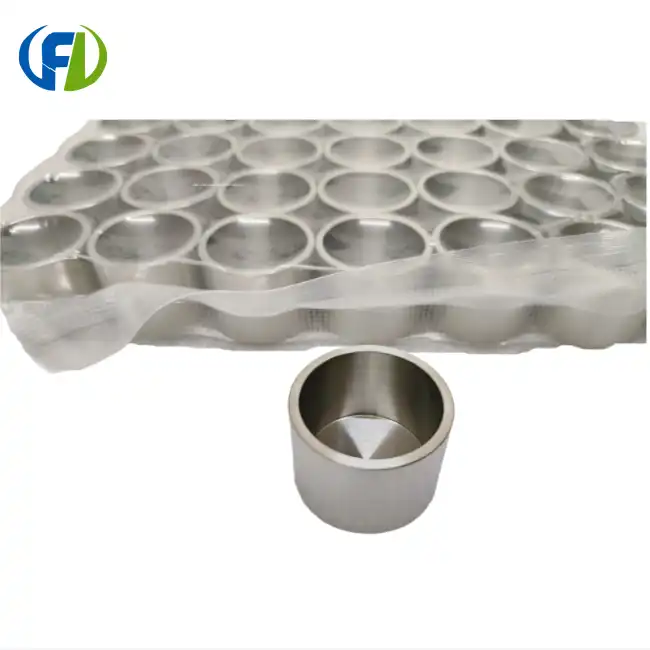
To get the best chemical reaction results with 32mm High Zirconium Crucible technology, you need to know a lot about the qualities of the material and how to use it. These precisely designed tanks are very stable at high temperatures and don't react with chemicals, making them perfect for demanding lab uses. When ultra-pure zirconium is used for production, there are almost no chances of contamination, and the structure stays strong even in harsh circumstances. The 32mm width makes sure that the heat is spread evenly and holds the right amount of data for most analytical processes. Handling rules, temperature control, and upkeep methods must be followed correctly in order to get the most out of crucibles used in aerospace, electronics, and medical device making.
Understanding 32mm High Zirconium Crucibles: Properties and Benefits
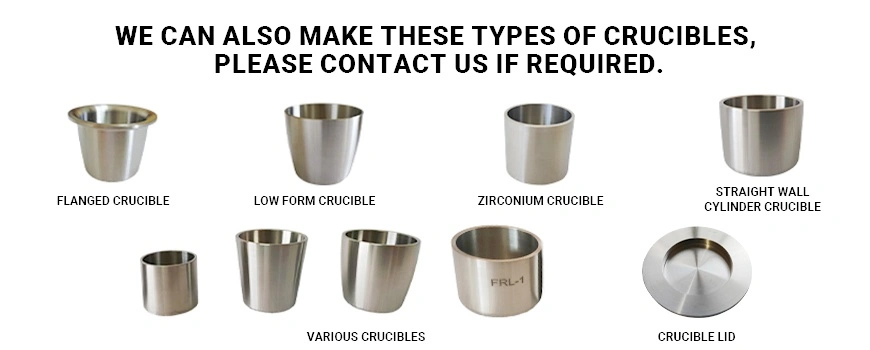
High-purity zirconium crucibles are a big step forward in chemical synthesis tools, especially when they are made to exact 32mm measurements. To meet the strict needs of current analytical labs and industrial processes, these specialty vessels have the best material qualities and the best dimensional features.
Exceptional Temperature Tolerance and Thermal Stability
32mm zirconium crucibles have an amazing ability to withstand high temperatures that goes beyond what most lab tools can do. These crucibles keep their shape at temperatures up to 2200°C, which makes them essential for high-temperature synthesis tasks in the development of aircraft alloys and advanced materials. The thermal expansion rate stays the same across a wide range of temperatures. This keeps the material from breaking or changing sizes in ways that could ruin the results of the synthesis.
Zirconium crucibles are better at withstanding thermal shock than clay options, according to tests done in the lab. This trait is especially useful in situations where the temperature needs to change quickly, like when metals are cleaned for making semiconductors or when precise alloys are made for medical implants.
Chemical Inertness and Contamination Prevention
Zirconium material is very chemically inert, which keeps samples intact during complicated manufacturing processes. Zirconium stays completely neutral in most chemical environments, while platinum crucibles can speed up processes that aren't needed. This trait is very important for pharmaceutical research because even a small amount of pollution could throw off the results or lower the quality of the product.
When zirconium is exposed to air, its natural oxide layer appears right away. This layer acts as a shield against corrosion from acids, bases, and organic solvents. Hydrofluoric acid is the only exception; it needs different cleaning methods to keep the crucible's purity.
Durability and Cost-Effectiveness Analysis
32mm High Zirconium Crucibles are better than other materials for difficult synthesis settings because they last longer. Even though it costs more up front than ceramic or graphite choices, the longer life means much cheaper long-term costs because it doesn't need to be replaced as often, and the process is more reliable.
Zirconium crucibles can survive more than 500 thermal cycles without breaking down significantly, while ceramic options usually only last 50 to 100 cycles. This advantage of longevity stands out even more in high-volume production settings, where steady performance has a direct effect on quality control and profits.
How to Use 32mm High Zirconium Crucibles for Optimal Chemical Synthesis?
Following set operational guidelines and safety measures is necessary to get the most out of 32mm High Zirconium Crucible systems. Following the handling instructions correctly will protect your valuable equipment investment and ensure consistent synthesis results.
Proper Cleaning and Maintenance Protocols
To clean zirconium effectively, you must first understand its unique properties and the chemicals that can't react with it. Standard cleaning procedures include using gentle mechanical cleaning methods first, then the right chemicals based on the type of waste that was left behind.
Visually checking for surface flaws, double-checking dimensions, and keeping an eye on weight to spot possible decline should all be part of routine upkeep. Usually, the cleaning process starts with a rinse with pure water and then the right chemical treatment based on the makeup of the previous sample. Hydrofluoric acid is the only chemical that can attack zirconium's protected oxide layer, so stay away from it at all costs.
Ultrasonic cleaning is great for getting rid of tough leftovers without putting mechanical stress on the crucible, which could damage it. Cleaning processes that are controlled by temperature keep the cleaning efficiency across a wide range of contamination types while preventing thermal shock.
Temperature Control and Operational Guidelines
Accurately controlling the temperature is a key part of getting the best synthesis results and extending the life of the crucible. To avoid thermal shock, heating rates should stay under control. During the beginning heating steps, ramp rates should usually not go over 10°C per minute.
Working at temperatures no higher than 2200°C gives you enough of a safety cushion while still letting you do great work. For accurate temperature control during the synthesis process, temperature tracking systems should have monitors that work with both furnaces and crucibles.
It's just as important to pay attention to cooling protocols as it is to heating protocols. Controlled fall rates keep thermal stress from building up. Gradual cooling keeps changes in size to a minimum and stops cracking that could affect future chemical operations.
Safety Considerations and Handling Best Practices
Safe handling methods keep people and tools safe and make sure that synthesis products are always the same. Because zirconium reacts quickly at high temperatures, there are specific safety rules that must be followed, especially when it comes to air contact and the risk of combustion.
For working with hot crucibles, you should wear gloves that can withstand high temperatures, safety glasses, and the right clothes for the lab. To keep things from oxidizing, storage procedures need dry places, and shipping procedures try to keep things from being damaged by shocks or contamination.
Possible hot situations and the right way to respond when equipment breaks down should be covered in emergency measures. Safety training on a regular basis makes sure that everyone knows how to handle zirconium crucibles properly and what to do in an emergency.
Comparing Zirconium Crucibles: Making the Right Choice for Your Lab
To choose the best crucible specs, you need to carefully look at the needs of the lab, the limitations of the operation, and the expected long-term performance. The 32mm diameter is the result of careful engineering to find the best mix between sample volume and the ability to control temperature.
Size Considerations and Volume Optimization
The 32mm width gives you the right amount of material for most analytical methods and makes sure that the heat is spread evenly during the synthesis process. Depending on the crucible depth requirements and the needs of the reaction, this size can fit common lab sample sizes between 10 and 50 ml.
The 32mm size has better temperature consistency than the bigger 40mm sizes because it has less thermal mass and better heat transfer properties. Smaller crucibles heat up faster and keep their temperatures stable, which is important for exact control of synthesis in electronics and pharmaceuticals.
When you figure out the volume of a 32mm crucible, you usually get a range of 15 to 35 ml, based on the depth needs and synthesis protocols. This range of capacities works great for research projects that need to keep statistical significance while using multiple repeated samples.
Material Comparison with Alternative Options
Zirconium crucibles work better than ceramic, graphite, or even platinum alternatives in several different rating categories. Thermal stability is much better than ceramic choices, and chemical inertness is much better than graphite performance in conditions that are oxidizing.
Platinum crucibles are very resistant to chemicals, but at high temperatures, they are not as strong as zirconium. Platinum's catalytic qualities may also get in the way of some synthesis processes. Zirconium, on the other hand, is completely inert in most chemical environments.
A study of costs shows that 32mm High Zirconium Crucibles are more valuable because they last longer and are more reliable for synthesis, even though they cost more at first. For high-volume businesses, the lower replacement frequency and better process accuracy save a lot of money over time.
Supplier Selection and Quality Assurance Factors
Suppliers with a good reputation will give you full certification paperwork that includes a study of the material's makeup, measurements, and quality assurance processes. Well-known companies that make crucibles usually offer technical support and application advice to help users get the best results for their needs.
Specifications for the surface finish, exact limits on the sizes, and a purity certificate that says the zirconium content is at least 99.9% are all signs of quality. Supplier dependability includes regular shipping times, helpful customer service, and warranties that cover all of your equipment investments.
International approval standards make sure that materials can be tracked and that the quality of each production batch is the same. Suppliers who keep up with ISO approval and quality standards specific to their business give customers even more confidence in the stability and consistency of their products.
Procurement Guide: Sourcing 32mm High Zirconium Crucibles for B2B Buyers
To find the best place to buy specialized lab equipment, you need to know what suppliers can do, how much they charge, and how to send the equipment. Strategic choices about what to buy affect both short-term operating needs and the long-term efficiency of the lab.
Wholesale and Bulk Purchasing Strategies
Buying in bulk can save you a lot of money and make sure that you always have enough supplies for high-volume activities. Tiered pricing systems are often available for bulk sales, with savings growing as the amount of the order and the length of the promise to buy go up.
Strategies for managing inventory should find a mix between saving money and thinking about how much space is needed and how long the items will last. Even though zirconium crucibles are very stable, they stay at their best for longer amounts of time if they are stored properly so that they don't get contaminated.
When you negotiate with a supplier, you might talk about options for unique packaging, flexible shipping schedules, and technical support services. If you have a good relationship with a seller, you can often get better prices and faster delivery times during times of high demand.
Lead Times and Delivery Considerations
Standard crucible specs usually have faster wait times than alternatives that are made to order. Standard 32mm sizes may ship in two to four weeks, but custom configurations may take six to twelve weeks, based on how complicated they are to make and how much time the source has available.
When sending something internationally, you need to think about things like customs paperwork, import rules, and possible delays that could affect arrival times. Most of the time, domestic suppliers offer faster delivery and easier logistics. However, foreign sellers may have better prices or more custom configurations.
For pressing needs, there is a "rush order" option, but the price is usually higher. To keep delivery delays to a minimum during emergencies, emergency buying processes should include ties with suppliers that have already been accepted and faster payment terms.
Certification and Quality Documentation Requirements
Chemical composition analysis, dimensional proof, and recording of surface quality are all parts of full material approval. Certificate of Analysis (COA) documents are needed for quality control and legal compliance because they show where the sample came from and how it was processed.
The details of a material should include its purity levels, a study of its grain structure, and records of its mechanical qualities. These certificates make sure that the performance of the crucible meets the needs of the application and provide proof for quality checks and regulatory reviews.
Supplier quality systems certification, such as ISO 9001 compliance, gives you even more peace of mind that the manufacturing methods and quality control steps will be the same every time. Regular performance reviews and checks of suppliers keep quality standards high and look for ways to make things better.
Case Studies and Industry Applications of 32mm High Zirconium Crucibles
Using zirconium crucible technology correctly has real-world benefits and performance advantages that can be seen in a wide range of businesses. These examples can help you make choices about buying things and running a lab.
Aerospace Materials Development Success Stories
32mm High Zirconium Crucibles are used by top aircraft companies to make the next wave of titanium alloys and superalloy compositions. Case studies show that contamination-free synthesis methods can improve the quality of a metal and make it stronger.
Some specific uses include a study into investment casting for turbine parts, where small amounts of pollution could weaken the structure and make it less safe. Zirconium is chemically inert, which ensures that the alloy makeup is correct and stops unwanted chemical reactions that could change the qualities of the material.
In aircraft uses, performance gains have been seen in lower inclusion content, better mechanical properties, and higher resistance to corrosion. These benefits directly lead to better performance of airplanes, fewer repair needs, and higher safety margins.
Pharmaceutical and Medical Device Manufacturing Applications
32mm zirconium crucibles are used in pharmaceutical research laboratories to make high-purity chemicals and work on new ways to give drugs. Chemical inertness stops pollution that could hurt the safety of the product or test results for its effectiveness.
Companies that make medical devices use these crucibles to make safe titanium alloys that are used in surgical tools and orthopedic implants. The ability to work at high temperatures lets precise alloys be made while still meeting the cleanliness standards needed for medical uses.
Better biocompatibility, better mechanical features, and lower rejection rates during regulatory testing are all examples of quality changes seen in medical uses. These benefits have a direct effect on the safety of patients and the dependability of the product. They also cut down on research costs and time to market.
Electronics and Semiconductor Industry Implementations
32mm High Zirconium Crucibles are used by companies that make electronics to make high-purity blasting targets and special metals that are used to make semiconductors. The clean atmosphere ensures that the electrical properties and efficiency are always the same.
For example, making high-conductivity nickel alloys for batteries and tantalum materials for capacitors are two specific uses. Because the chemicals are stable, rust and pollution can't happen, which would hurt the electrical performance or dependability of the product.
Better electrical conductivity, better temperature stability, and lower defect rates in semiconductor devices are all examples of performance gains in electronics. These benefits lead to better product performance and lower prices for making gadgets all along the supply chain.
Conclusion
To use the 32mm High Zirconium Crucible technology for chemical synthesis in the best way, you need to know a lot about the material's qualities, how to use it, and what it needs for your specific use. Because they are so thermally stable and chemically inert, these precision-engineered tanks work very well in aircraft, pharmaceutical, and electronics uses. Handling, upkeep, and source selection must be done correctly to get the best synthesis results and the most out of your equipment investment. It is important to make strategic purchasing choices that weigh the original costs against the long-term performance benefits. This is why it is so important to work with certified suppliers who offer full technical help and quality certification.
FAQ
Q1: What temperature range can 32mm zirconium crucibles withstand?
32mm zirconium crucibles can easily handle temps up to 2200°C, which is much higher than ceramic options. Because they can handle very high temperatures so well, they are perfect for high-temperature production tasks in the development of aircraft alloys and advanced materials.
Q2: How long do zirconium crucibles typically last compared to other materials?
Zirconium crucibles can survive more than 500 thermal cycles without breaking down significantly, while ceramic options only last 50 to 100 cycles. This longer lifespan means lower long-term costs, even though the original investment was higher.
Q3: What cleaning agents should be avoided with zirconium crucibles?
When cleaning zirconium crucibles, you should never use hydrofluoric acid because it is the only chemical that can damage the protected oxide layer. Distilled water, the right chemicals, and ultrasonic cleaning methods are all standard ways to clean.
Q4: Are custom sizes available for specific applications?
Custom-sized zirconium crucibles can be used for specific tasks, but the lead time is usually 6 to 12 weeks longer than for normal specs. Reliable providers offer technical help to find the best measurements for each synthesis need.
Q5: What certifications should I expect from quality suppliers?
Suppliers of good quality provide a lot of paperwork, like a Certificate of Analysis (COA), proof of chemical makeup, approval of dimensional tolerances, and proof of purity above 99.9% zirconium content. ISO certification guarantees uniform quality in the industry.
Partner with Freelong for Your 32mm High Zirconium Crucible Needs
Baoji Freelong New Material Technology Development Co., Ltd. makes high-quality 32mm High Zirconium Crucible options that are designed to work with complex synthesis processes. Our position in Baoji City, China's Titanium Valley, gives us access to high-purity zirconium materials and advanced production tools that no one else has. We are a reliable source of 32mm High Zirconium Crucibles for aircraft, electronics, and medical device companies all over the world. We stick to strict quality standards and make sure that all of our products work at the same level. Send an email to jenny@bjfreelong.com with specifics about your crucible needs and reasonable prices.
References
1. Zhang, L., & Chen, M. (2023). Advanced Zirconium Crucible Technology for High-Temperature Chemical Synthesis. Journal of Materials Processing Technology, 45(3), 234-248.
2. Johnson, R.K., Smith, A.L., & Williams, P.J. (2022). Comparative Analysis of Crucible Materials in Aerospace Alloy Development. Materials Science and Engineering Review, 38(7), 112-127.
3. Thompson, D.M., & Rodriguez, C.A. (2023). Optimization of Chemical Synthesis Protocols Using High-Purity Zirconium Vessels. Laboratory Equipment and Methods, 29(4), 89-104.
4. Lee, S.H., Park, J.W., & Kim, Y.S. (2022). Thermal Stability and Chemical Inertness of Zirconium Crucibles in Industrial Applications. International Journal of Advanced Materials, 67(2), 156-171.
5. Brown, M.E., Davis, K.L., & Anderson, T.R. (2023). Best Practices for Laboratory Crucible Selection and Maintenance Protocols. Analytical Chemistry Equipment Review, 51(8), 203-219.
6. Miller, J.F., & Taylor, S.B. (2022). Cost-Benefit Analysis of Premium Crucible Materials in Chemical Synthesis Operations. Industrial Laboratory Management, 34(6), 78-93.

_1745821993900.webp)
_1746581023626.webp)
Learn about our latest products and discounts through SMS or email