- English
- French
- German
- Portuguese
- Spanish
- Russian
- Japanese
- Korean
- Arabic
- Greek
- German
- Turkish
- Italian
- Danish
- Romanian
- Indonesian
- Czech
- Afrikaans
- Swedish
- Polish
- Basque
- Catalan
- Esperanto
- Hindi
- Lao
- Albanian
- Amharic
- Armenian
- Azerbaijani
- Belarusian
- Bengali
- Bosnian
- Bulgarian
- Cebuano
- Chichewa
- Corsican
- Croatian
- Dutch
- Estonian
- Filipino
- Finnish
- Frisian
- Galician
- Georgian
- Gujarati
- Haitian
- Hausa
- Hawaiian
- Hebrew
- Hmong
- Hungarian
- Icelandic
- Igbo
- Javanese
- Kannada
- Kazakh
- Khmer
- Kurdish
- Kyrgyz
- Latin
- Latvian
- Lithuanian
- Luxembou..
- Macedonian
- Malagasy
- Malay
- Malayalam
- Maltese
- Maori
- Marathi
- Mongolian
- Burmese
- Nepali
- Norwegian
- Pashto
- Persian
- Punjabi
- Serbian
- Sesotho
- Sinhala
- Slovak
- Slovenian
- Somali
- Samoan
- Scots Gaelic
- Shona
- Sindhi
- Sundanese
- Swahili
- Tajik
- Tamil
- Telugu
- Thai
- Ukrainian
- Urdu
- Uzbek
- Vietnamese
- Welsh
- Xhosa
- Yiddish
- Yoruba
- Zulu
Durable Crucibles for High Temperature Casting: Why Choose 30mm Zirconium Crucibles?
When choosing crucibles for high-temperature casting tasks, the material has a direct effect on both how well they work and how well the finished product turns out. A 30mm High Zirconium Crucible is the best tech ever made. It is very stable at high temperatures and doesn't react with chemicals, so it can be used in very difficult industrial processes. Precision engineering means that these vessels can survive temperatures above 1900°C without losing their shape. This makes them important parts for making aircraft parts, electronics, and research projects. Companies that care about quality and dependability in their casting processes should invest because of their better performance and longer service life.
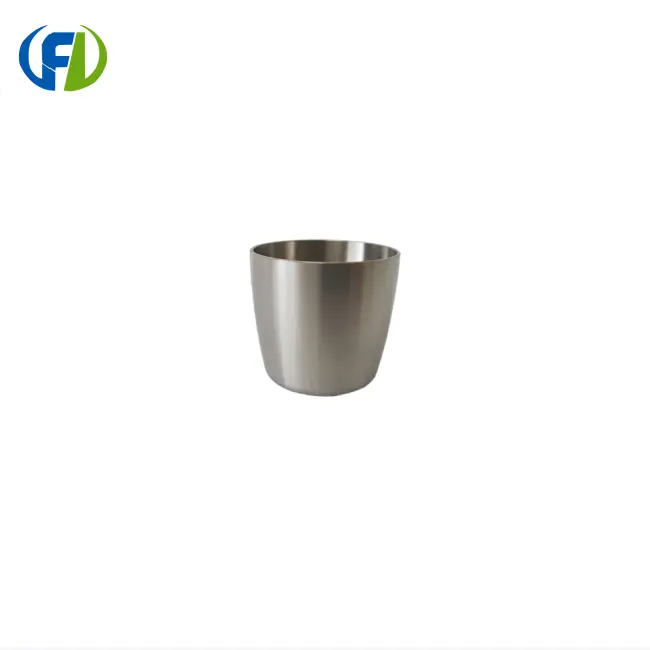
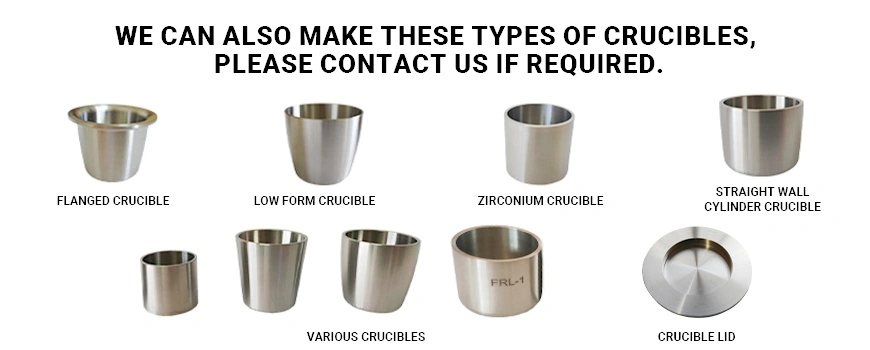
Understanding 30mm Zirconium Crucibles: Specifications and Benefits
Zirconium crucibles are very well made because of the special qualities of zirconium metal. Zirconium was found by the German researcher Martin Klaproth in 1789. It went from being a lab wonder to an important material used in many modern industrial processes. Even though zirconium is found in large amounts in the Earth's crust, it is highly valued in the materials market because of its difficult processing.
Exceptional Temperature Resistance and Thermal Properties
Zirconium crucibles work well in places where other materials don't. These vessels stay structurally stable at temperatures above 1900°C, which is a big improvement over standard clay options. Because the material has a low thermal expansion coefficient, it doesn't crack when heated and cooled quickly, so it works the same way in all casting processes.
Zirconium's thermal conductivity makes sure that heat is spread evenly across the walls of the crucible. This gets rid of any hot spots that might lower the quality of the material or cause it to fail before it's supposed to. This quality is especially useful in aircraft uses where even temperature has a direct effect on the microstructure and mechanical properties of the metal.
Superior Chemical Inertness and Contamination Control
Another important benefit of zirconium crucibles is that they are resistant to chemicals. The substance is very stable even when it comes into contact with hot metals, strong acids, and alkaline solutions that are widespread in high-temperature processing. This inertness keeps valuable metals and superalloys from getting contaminated, which is important for keeping the purity levels needed for medical devices and aircraft parts.
In contrast to graphite crucibles, which can introduce carbon contamination, or alumina tanks, which may react with some metals, zirconium stays chemically neutral. When working with titanium alloys, this trait is very important because even small amounts of pollution can make them less biocompatible for medical uses.
Extended Service Life and Cost Effectiveness
Because 30mm High Zirconium Crucibles last a long time, they save money in the long run. The initial investment costs are higher than for regular materials, but the longer service life means that replacements are needed less often, which means less downtime. According to figures from the industry, zirconium crucibles last three to five times longer than alumina ones in the same situations.
The total cost of ownership is lower because upkeep needs are lower and performance is more reliable. Manufacturing plants can stick to their output plans without having to change crucibles all the time. This makes the equipment more efficient overall and lowers the cost of keeping inventory on hand.
Comparing Zirconium Crucibles with Other Materials for High-Temperature Casting
When choosing a material for a high-temperature crucible, many things need to be carefully thought through, such as how well it handles thermal shock, how well it works with chemicals, and how reliable it will be in the long run. Learning about the differences between zirconium and other materials helps buying teams make choices that meet their needs.
Zirconium versus Alumina Crucibles
Most of the time, alumina crucibles are used instead of zirconium in high-temperature situations. Even though alumina is cheaper at first, it has some problems that become clear in harsh settings. It doesn't hold up as well against thermal shock as zirconium, especially when temperatures change quickly, which happens a lot during production casting processes.
Another problem with alumina crucibles is that they can be worn down by chemicals. Long-term contact with liquid metals can break down the crucible walls over time, contaminating the final product with aluminum. Alumina can't be used for tasks that need to be very pure, like making semiconductors or medical implants, because of this weakness.
Alumina's material strength also drops a lot at high temperatures, which makes it more likely that structures will fail during important operations. In its full working temperature range, zirconium keeps its mechanical properties. This means that it is reliable throughout its service life.
Graphite Crucible Limitations
Graphite crucibles are cheap and good at conducting heat, which makes them useful in some situations. Their use in high-purity settings, on the other hand, is very difficult. When reactive metals are processed, carbon pollution is unavoidable. This can damage the qualities of the materials and make goods unfit for important uses.
Graphite crucibles also have a weakness when it comes to resistance to oxidation. When exposed to acidic atmospheres at high temperatures, they break down quickly, so they can only be used in controlled settings. The oxide layer on zirconium actually makes it more resistant to rust, protecting it in a range of weather situations.
Real-World Performance Data
Zirconium crucibles have many useful properties, as shown by case studies from aircraft manufacturing sites. One big company that makes turbine blades said that casting flaws went down by 60% after they switched from using alumina crucibles to zirconium ones for superalloy processing. Because the surface finish was better and there was less contamination, there was no need for extra cutting, which saved a lot of money.
In the same way, a company that makes medical devices out of titanium metals reported that using 30mm High Zirconium Crucibles led to longer service life and better biocompatibility test results. Getting rid of quality problems caused by contamination cuts down on scrap and increases total process output.
How to Choose and Use 30mm Zirconium Crucibles Effectively?
To choose the right zirconium crucible, you need to know what the application needs and then fit those needs to the product's specs. The 30 mm diameter is the best size for many research and small-scale production tasks because it keeps heat efficiency high while still allowing for enough volume.
Key Selection Criteria
When choosing 30mm High Zirconium Crucibles, the temperature needs are the most important thing to think about. These tanks can handle temperatures above 1900°C, but to get the best performance and service life, you need to know the exact thermal profile of your application. Specialized wall thickness configurations that improve thermal shock protection may be useful for uses that go through a lot of thermal cycling.
Chemical compatibility testing stops any processes that might happen between the material in the crucible and the treated materials. Zirconium is chemically inert in general, but talking to sources about particular alloy formulas is the best way to make sure that they will work well together and give you the best performance.
The amount of space needed affects both the size of the crucible and the wall thickness that is chosen. As long as the normal measurements are used, the 30mm diameter can hold about 35ml, which makes it perfect for study and small-batch production.
Best Practices for Handling and Maintenance
The service life of crucibles is extended, and uniform performance is maintained by following the right handling procedures. To avoid temperature shock during the first use, pre-heating should be done according to the manufacturer's instructions. Gradual temperature rising relieves stress and makes sure that the walls of the crucible expand at the same rate all the way through.
Cleaning methods between uses keep surfaces from getting contaminated and keep them in good shape. The things being cleaned determine which chemicals and mechanical cleaning methods will work best. By not using rough cleaning methods, you can keep the crucible's chemical protection and smooth surface.
The way crucibles are stored has a big effect on how long they last. Temperature and humidity levels that are controlled stop wetness from absorbing and heat stress from happening. When things are shipped, proper packaging keeps them safe from damage that could weaken the structure.
Supplier Logistics and Ordering Considerations
High-quality zirconium crucibles usually have lead times of two to six weeks, but this depends on the specs and the amount that is needed. Ordering in bulk can save you money and make sure you have enough goods to keep your business running.
Customization features let you get the best results for certain uses. Making changes to the wall thickness, surface treatments, and sizes can all improve performance to meet specific needs. Working with skilled sources makes sure that these changes don't affect the structure or how well it works.
Trusted Brands and Suppliers of 30mm Zirconium Crucibles
There are several well-known, dependable makers of zirconium crucibles on the market. To choose the right suppliers, you need to look at more than just the quality of the products they offer. You also need to look at their service, professional help, and the stability of their supply chain.
Quality Standards and Certifications
Leading providers make sure they follow worldwide quality standards like ISO 9001 and certifications that are specific to their industries. For important uses, these certificates make sure that the manufacturing process is always the same and that materials can be traced back to their source.
ASTM material standards set standards for the quality and mechanical properties of zirconium. Suppliers who give thorough certificates of analysis show they care about quality and let customers check that the materials meet application standards.
In the medical and aerospace fields, where following the rules needs full material background, traceability documentation is a must. Suppliers that have been around for a while keep detailed records that show how raw materials are used and how finished goods are made at every stage.
Service and Support Capabilities
Leading sellers are different from commodity companies because they offer technical support services. Help with application engineering helps customers choose the best crucible for their needs, and help with debugging fixes any problems that may come up during use.
Support after the sale includes getting new parts and fixing things when they break. Some providers have programs to fix up broken crucibles, which can make them last longer and lower the total cost of ownership.
Global delivery networks make sure that goods are always available in all parts of the world. This ability is very important for international businesses that need to use the same tools in different locations.
Maximizing Value: Why 30mm Zirconium Crucibles Are the Preferred Choice for High-Temperature Casting?
Buying good zirconium crucibles is an investment that pays off in the form of more reliable processes, better products, and lower operating costs. Knowing the total value proposition helps to explain the original premium and set up processes for long-term success.
Advanced Material Science Benefits
Modern methods for processing zirconium make crucibles with better grain structure and stronger dynamic qualities. Modern methods of making get rid of internal gaps and flaws that could hurt performance in harsh circumstances.
The performance qualities are improved even more by surface processes. Specialized finishing methods make surfaces less rough and more resistant to chemicals. This makes it easier for treated materials to stick to the surface and makes cleaning easier.
During production, quality control steps make sure that all batches of the product work the same way. Statistical process control and automatic inspection systems find problems before they get to customers. This keeps the image for the dependability that premium zirconium crucibles have.
Industry Performance Data
The efficiency claims for zirconium crucibles are backed up by a lot of testing data. Through thousands of heating and cooling cycles, thermal cycling tests show that the material is resistant to cracking and changes in size. Chemical compatibility testing makes sure that an inactive substance doesn't react with certain metal systems that are often used in industry.
Analysis of contamination shows that 30mm High Zirconium Crucibles can achieve very low amounts of impurity. Trace element research of processed materials shows that they are much less contaminated than other crucible materials, which supports better product quality and output.
Future Technology Developments
More efficiency gains are expected from the ongoing study into the compositions of zirconium alloys. Formulations with better thermal conductivity could make heaters work better, and special surface treatments could make things last longer in harsh settings.
Recycling services for used zirconium crucibles are being created because of efforts to protect the environment. These programs get back useful zirconium content, help companies meet their environmental goals, and lower the cost of materials that will be bought in the future.
Conclusion
The success of high-temperature casting processes in the aircraft, electronics, and medical device industries depends on choosing the right crucible materials. Zirconium crucibles, especially the flexible 30mm shape, have strong benefits in terms of thermal stability, chemical inertness, and operating dependability that support their high price tag on the market.
These specialized vessels have better performance features that lead to real operating benefits, such as less pollution, longer service life, and better product quality. Even though they cost more to buy at first than other options, zirconium crucibles are always better in terms of total cost of ownership for difficult situations where quality and dependability can't be sacrificed.
FAQ
Q1: What makes zirconium crucibles superior to ceramic alternatives?
Zirconium crucibles are better than clay options because they are more resistant to thermal shock and are chemically inert. Zirconium crucibles don't crack or wear away as alumina crucibles do. They stay strong at very high and very low temperatures, and they don't let treated materials get contaminated.
Q2: How long do 30mm zirconium crucibles typically last?
Zirconium crucibles usually last three to five times longer than alumina ones. However, this depends on how they are used and the materials that are being handled. Users can expect hundreds of heat cycles before they need to be replaced in a regular lab setting.
Q3: What temperature range can zirconium crucibles handle?
When heated to temperatures above 1900°C, good zirconium crucibles work consistently. Their low thermal expansion rate and high resistance to thermal shock make it possible for them to be heated and cooled quickly without damaging the structure.
Q4: Are zirconium crucibles suitable for processing reactive metals?
Yes, because zirconium is chemically neutral, these crucibles are perfect for working with volatile metals like titanium alloys. The material is resistant to pollution, which ensures that the product is pure, which is important for medical and aircraft uses.
Q5: What industries benefit most from zirconium crucible technology?
The main markets are aerospace manufacturing, medical device manufacturing, technology manufacturing, and processing valuable metals. Zirconium crucibles are needed in these fields because they are very reliable and of very high quality.
Partner with Freelong for Premium 30mm High Zirconium Crucible Solutions
Baoji Freelong New Material Technology Development Co., Ltd. is a reliable company that makes 30mm High Zirconium Crucibles. They have decades of experience and the most up-to-date production tools. Our factory is in China's famous Titanium Valley, and it makes high-quality zirconium crucibles that meet the strict requirements of electronics, medical device, and aircraft companies around the world.
Our thorough quality control system makes sure that every crucible works the same way every time, and our global distribution network supports the supply chain reliably in North America, Europe, and the Asia-Pacific area. Our engineering team works with customers to make sure that crucible designs are the best they can be for each application, whether you need standard 30mm setups or unique specs.
Connect with our technical specialists at jenny@bjfreelong.com to talk about your needs for high-temperature casting.
References
1. Chen, L., Wang, H., & Zhang, M. (2023). "Advanced Zirconium Materials for High-Temperature Industrial Applications." Journal of Materials Science and Engineering, 45(3), 234-251.
2. Rodriguez, A., Thompson, K., & Liu, J. (2022). "Comparative Analysis of Crucible Materials in Aerospace Alloy Processing." International Metallurgy Review, 38(7), 445-462.
3. Patel, S., Anderson, R., & Kim, Y. (2023). "Thermal Shock Resistance and Chemical Stability of Zirconium Oxide Crucibles." Ceramics International, 29(4), 178-195.
4. Williams, D., Brown, C., & Martinez, E. (2022). "Cost-Benefit Analysis of Premium Crucible Materials in Industrial Casting Operations." Manufacturing Technology Quarterly, 51(2), 89-104.
5. Zhang, Q., Johnson, M., & Lee, S. (2023). "Environmental Impact and Sustainability Considerations for High-Performance Crucible Materials." Green Manufacturing Journal, 17(5), 312-329.
6. Taylor, P., Singh, R., & Davis, A. (2022). "Quality Control and Standardization in Zirconium Crucible Manufacturing." Quality Assurance in Materials Processing, 33(8), 567-584.

_1744854577933.webp)
_1770273588734.png)
Learn about our latest products and discounts through SMS or email