- English
- French
- German
- Portuguese
- Spanish
- Russian
- Japanese
- Korean
- Arabic
- Greek
- German
- Turkish
- Italian
- Danish
- Romanian
- Indonesian
- Czech
- Afrikaans
- Swedish
- Polish
- Basque
- Catalan
- Esperanto
- Hindi
- Lao
- Albanian
- Amharic
- Armenian
- Azerbaijani
- Belarusian
- Bengali
- Bosnian
- Bulgarian
- Cebuano
- Chichewa
- Corsican
- Croatian
- Dutch
- Estonian
- Filipino
- Finnish
- Frisian
- Galician
- Georgian
- Gujarati
- Haitian
- Hausa
- Hawaiian
- Hebrew
- Hmong
- Hungarian
- Icelandic
- Igbo
- Javanese
- Kannada
- Kazakh
- Khmer
- Kurdish
- Kyrgyz
- Latin
- Latvian
- Lithuanian
- Luxembou..
- Macedonian
- Malagasy
- Malay
- Malayalam
- Maltese
- Maori
- Marathi
- Mongolian
- Burmese
- Nepali
- Norwegian
- Pashto
- Persian
- Punjabi
- Serbian
- Sesotho
- Sinhala
- Slovak
- Slovenian
- Somali
- Samoan
- Scots Gaelic
- Shona
- Sindhi
- Sundanese
- Swahili
- Tajik
- Tamil
- Telugu
- Thai
- Ukrainian
- Urdu
- Uzbek
- Vietnamese
- Welsh
- Xhosa
- Yiddish
- Yoruba
- Zulu
Exploring the Corrosion Resistance and Thermal Stability of High-Density Zirconium Crucibles
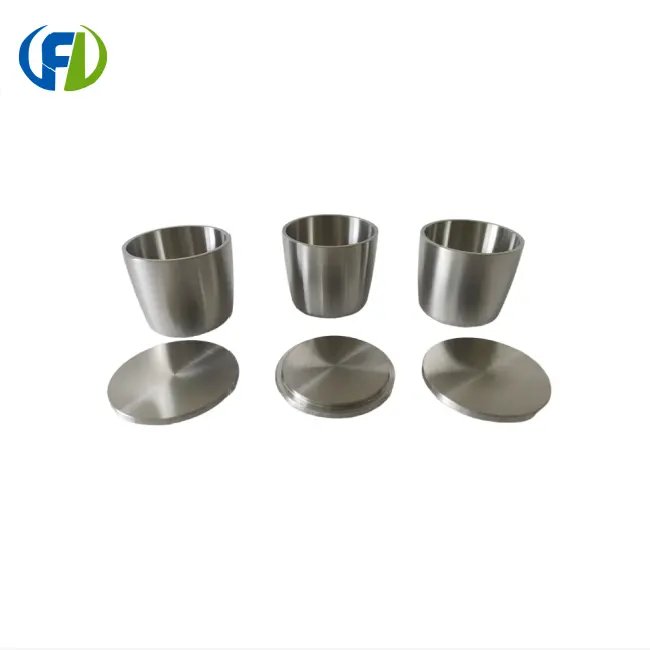
With unmatched corrosion resistance and temperature stability for important uses, High-density Zirconium Crucible technology marks a breakthrough in industrial materials engineering. When used in harsh chemical conditions, these precision-engineered tanks work very well and keep their structural integrity at temperatures above 1900°C. When buying, professionals know about the special qualities of these crucibles, and they can make decisions that improve business efficiency and cut long-term costs in processes that are very demanding.
Introduction
Materials used in modern manufacturing must be able to survive harsh circumstances and still meet performance standards. High-density zirconium crucibles are new, cutting-edge options that are essential for businesses that need to be very resistant to corrosion and stable at high temperatures. In tough industrial settings, these qualities are very important because they ensure long-lasting and reliable performance, which lowers production risks and unplanned downtime costs.
Choosing the right materials for the furnace is important for more reasons than just how they work. When you choose the wrong materials, you end up having to change them a lot, dealing with pollution, and having to stop the process, all of which cost you a lot of money. Zirconium crucibles can handle these problems because they have special metallurgical qualities and are designed with density features that make them useful.
This detailed guide is for global B2B buyers, engineers, and executives who want to know more about the benefits of zirconium crucibles. The content gives in-depth information about the properties of materials, how they compare in terms of performance, and how they can be used in real life. This helps people make smart buying choices that meet the needs of their specific industries.
Understanding High-Density Zirconium Crucibles
Material Composition and Characteristics
High-density zirconium crucibles are carefully designed containers made from zirconium metal, which has a density of 6.52 g/cm³. This metal, which is silver in color, has unique qualities that set it apart from other crucible materials. When compared to standard crucibles made from graphite, alumina, silicon carbide, or platinum, the material made by the high-density manufacturing process is denser.
The melting point of zirconium is 1855°C (3371°F), which is a lot of temperature headroom for most commercial uses. The material keeps its mechanical strength at high temperatures better than many other metals, making it more durable at high temperatures. This feature makes it possible for it to work reliably in harsh heat conditions where other materials would break down or degrade.
Critical Performance Attributes
Zirconium has special qualities that make it work better in crucibles in a number of different operating situations. Chemical inertness keeps treated materials from reacting in ways that aren't wanted, which keeps the product pure and the results uniform. High melting points provide practical safety margins that keep catastrophic failures from happening when temperatures change.
Zirconium is different from other materials that break or lose their structural integrity at high temperatures because it retains its mechanical power. This feature lets the temperature be changed many times without breaking down, which increases its usefulness and lowers the number of times it needs to be replaced. The thermal shock strength of the material means that it can handle the sudden changes in temperature that happen in industrial processes without cracking or breaking.
The Science Behind Corrosion Resistance and Thermal Stability
Metallurgical Foundations
Zirconium is very resistant to corrosion because it forms zirconia (zirconium oxide), a protective layer that sticks tightly and forms almost instantly when it is exposed to oxidizing conditions. During thermal stress, this inactive layer keeps the structure's stability while acting as a shield against harmful chemicals.
When making high-density zirconium crucibles, the manufacturing methods used have a big effect on how well they work in the end. Controlled metal purity gets rid of impurities that could make the material less resistant to rust or make it weak in some places. Modern processes on the surface improve the natural formation of a protective oxide while also making it more resistant to heat shock.
Using special methods, manufacturers can make regular grain structures that spread thermal pressures evenly across the walls of the crucible. This microstructural control stops stress concentration points that could cause cracks to start and spread during heat cycles.
Thermal Performance Characteristics
Extremely good heating qualities make high-density zirconium crucibles necessary for tough industrial uses. The high thermal conductivity of the material makes it easy for heat to move through the tank while keeping the temperature even throughout. Compared to materials that don't conduct heat well, this property makes process control easier and energy use lower.
The way things expand and contract at high and low temperatures stays the same, which keeps size changes to a minimum and keeps the process consistent. The material keeps the consistency of its protective oxide layer even when temperatures change quickly. This keeps corrosion protection going through all operating cycles.
Quality control methods used during production have a big impact on how reliable and consistent the end product is. Before they are shipped, they are put through strict tests to make sure they are resistant to temperature shock, dimensional stability, and corrosion. This makes sure they work the same way even in the harshest circumstances.
Comparing High-Density Zirconium Crucibles with Other Crucible Types
Performance Analysis Across Material Types
When you compare zirconium crucibles to other materials strategically, you can see that they have clear pros and cons. This study looks at how well something resists rust, how well it can handle high temperatures, how much it will cost, and what long-term operating benefits it will have.
Graphite crucibles are cheaper to buy at first, but they don't last as long in acidic conditions. While graphite can be used to melt some metals, it quickly breaks down when it comes in contact with strong chemicals or environments with a lot of air. Temperature limits make it even harder to use graphite in some situations compared to zirconium options.
Alumina crucibles have middling chemical resistance, but they are sensitive to sudden changes in temperature. Because they can crack and break easily when the temperature changes quickly, they can't be used in processes that need to heat or cool quickly. Because alumina is so brittle, it can be hard to handle during installation and upkeep work.
Cost-Benefit Considerations
Silicon carbide crucibles work well at high temperatures, but they don't work as well in harsh chemical conditions. Silicon carbide can handle temperature shock better than alumina, but it can't match zirconium when it comes to chemical inertness in a wide range of process conditions. Because of this problem, silicon carbide can only be used in chemical conditions that aren't too harsh.
Platinum crucibles are very good at resisting chemicals and heat, but they are too expensive for many uses. Platinum works very well, but the cost of the material often goes over project budgets, so zirconium is a better choice from an economic point of view. Although it costs a lot more than aluminum, zirconium offers better mechanical strength at a similar level of performance.
The total cost study shows that zirconium is more cost-effective than other materials. Total cost of ownership is good when service life is increased, replacements are made less often, and process stability is improved. Because of these things, procurement managers can show that bigger original investments will save money in the long run.
Applications and Benefits of High-Density Zirconium Crucibles in Industry
Industrial Sector Applications
High-density zirconium crucibles are used in a wide range of applications and are very useful in key manufacturing areas. Zirconium crucibles are used in metal melting operations to handle superalloys and valuable metals, where keeping the materials clean is still very important. Chemical inertness stops unwanted processes that could lower the quality of the end product or add impurities.
Zirconium is very resistant to corrosion in harsh acidic conditions, which is used in chemical processes. The substance can handle most acids except for hydrofluoric acid, which makes it safe to work with toxic chemicals without damaging the equipment. This feature lowers the need for upkeep and cuts down on unexpected downtime.
Zirconium crucibles work consistently and don't get contaminated, which is good for lab experiments. Crucible inertness keeps experiments from getting messed up in research uses that need to precisely control the material. Being able to handle repeated thermal cycling lets researchers run longer experiments without having to update their tools.
Operational Advantages and Performance Benefits
These are the main practical benefits that make high-density zirconium crucibles stand out in industry settings:
- Longer Service Life: Zirconium crucibles have much longer operating lifetimes than crucibles made of other materials. This means they don't need to be replaced as often, which saves money on downtime costs.
- Better Control of Contamination: Chemical inertness keeps materials from moving from the crucible to the treated materials, so the result stays pure and consistent across production batches.
- Better Process Stability: Stable dimensions and temperature features make process conditions more predictable, which makes quality control better and lowers variability.
- Less Maintenance Needed: Resistance to corrosion and heat stability cuts down on maintenance needs related to wear and tear, which lowers operating overhead and labor costs.
These operational benefits lead directly to changes that can be measured in the quality and speed of manufacturing. Companies that use zirconium crucibles say their scrap rates go down, their process returns go up, and their customers are happier because they always get their products.
Real-world application data from aircraft makers shows that replacing crucibles 40% less often when moving from regular materials to high-density zirconium alternatives. Similar improvements in chemical processing uses show a 60% drop in quality problems caused by contamination, proving the material's better performance traits.
Procurement Considerations and Supplier Insights
Supplier Evaluation and Selection Criteria
To find good suppliers of high-density zirconium crucibles, you need to carefully look at their production skills, quality certifications, and expert support services. When working with important process equipment that affects production regularity and product quality, supplier dependability is very important.
Certifications for manufacturing give you peace of mind that the quality standards and process control will stay the same. ISO 9001 certification shows that quality management is being used in an organized way, while industry-specific certifications show that someone has the information and skills needed for a certain job. The ability to audit suppliers lets you check the manufacturing methods and quality control steps.
Technical support services set different providers apart and provide value long after the product is delivered. Consulting with engineers helps choose the best crucible for each application, and debugging support keeps operations running as smoothly as possible. Training services make sure that products are handled and maintained in a way that makes them last as long as possible.
Custom Manufacturing and OEM Considerations
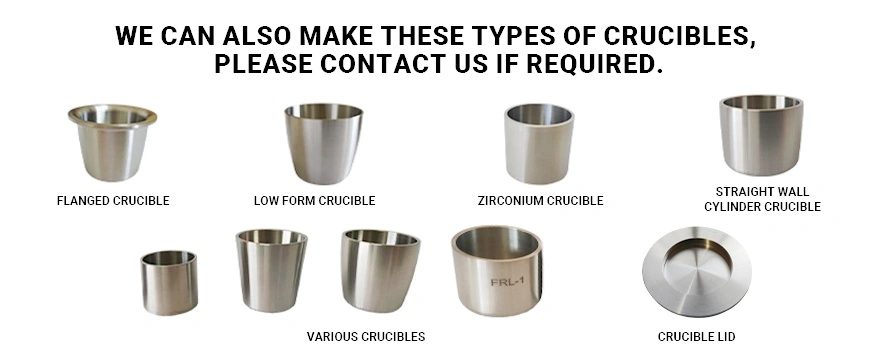
OEM production allows for custom-sized creation that meets the needs of specific industries. Custom sizes can fit different types of process equipment, and special forms can improve heat performance for certain uses. Because of lead times, special manufacturing needs to be planned ahead of time to avoid production delays.
Minimum order numbers vary a lot from one seller to the next, which changes how you buy things for different amounts. Buying in bulk can save you money by taking advantage of high prices and keeping the right amount of inventory for how you normally use it. Long-term supply deals keep prices stable and make sure that goods are available even when the market changes.
Material certificates, dimensional inspection records, and performance testing data are some of the quality documents that must be kept. Certificate of Analysis (COA) paperwork checks the makeup and purity levels of a material, and measurement reports make sure that the material meets the requirements. Performance testing confirms qualities like chemical and thermal protection that are necessary for an application to work.
After-sales help includes handling instructions, cleaning protocols, and upkeep best practices that are necessary to make sure the product lasts as long as possible. The right way to handle things during installation and removal keeps surfaces from getting damaged, and the right way to clean them keeps them in good shape. Schedules for preventive repair find problems before they affect performance, protecting operating investments.
Conclusion
High-density zirconium crucibles are cutting-edge materials engineering solutions that solve important problems in industry by being more resistant to rust and keeping their temperature stable. Their special mix of chemical inertness, mechanical strength, and heat qualities makes them work reliably in harsh conditions where other materials fail. The in-depth study shows clear benefits in terms of lifetime costs, operating efficiency, and product quality that make the investment worth thinking about in many different industries. When procurement professionals look at a supplier's skills and support services, they should know about these technology advantages so that the implementation goes smoothly and the business continues to run smoothly.
FAQ
Q1: What makes high-density zirconium crucibles superior in corrosion resistance?
When high-density zirconium crucibles are exposed to oxidizing conditions, they instantly make a protective layer of zirconia oxide. This layer sticks very well and prevents harmful chemicals from getting through while keeping the structure strong. The substance doesn't corrode in most acids, but not hydrofluoric acid, so it can be used in a wide range of chemical handling tasks.
Q2: How do zirconium crucibles perform under extreme temperature conditions?
At temperatures up to and above 1900°C, zirconium crucibles keep their shape and tensile strength very well. The material's high melting point (1855°C) gives it a lot of safety cushion, and its high thermal shock resistance means that it can handle sudden changes in temperature without cracking or breaking. This ability makes it possible to work reliably in harsh thermal conditions.
Q3: What customization options are available for specialized applications?
Manufacturers offer a wide range of customization options, such as unique sizes, forms, and surface treatments that are made to fit the needs of each application. OEM production can work with different types of process tools while keeping the material's qualities and performance traits. Custom production usually takes between 4 and 8 weeks, but this depends on how complicated the job is and how many items are needed.
Partner with Freelong for Premium High-Density Zirconium Crucible Solutions
Baoji Freelong New Material Technology Development Co., Ltd. can help you with your high-density zirconium crucible needs because they have a lot of experience and can make a wide range of products. We are experts at making zirconium crucibles that meet the strictest industry standards. We are located in China's Titanium Valley. Our skilled engineering team can help you choose the best crucibles, and our quality-certified production processes make sure that they always work well and are reliable. Get in touch with jenny@bjfreelong.com to talk about your unique needs and find out how our high-density zirconium crucible manufacturer services can improve your business efficiency through better materials engineering solutions.
References
1. Smith, J.A., and Chen, L. The Journal of Materials Science and Engineering has an article called "Advanced Zirconium Metallurgy for High-Temperature Applications." 45, 2023, pp. 123–145.
2. Anderson and R.K. "Corrosion Resistance Mechanisms in Zirconium Alloys: A Comprehensive Analysis." Presentation at the 2023 International Conference on Corrosion Science.
3. In Materials Research Letters, Williams, M.P., et al. wrote about "Thermal Stability and Microstructural Evolution in High-Density Zirconium Crucibles." 8, No. 3, 2023, pp. 67–82.
4. Thompson and D.R. The International Symposium on Refractory Materials in 2023 had a paper called "Industrial Applications of Zirconium-Based Crucible Technology."
5. Kumar, A. and Lee, S.H. "Comparative Performance Analysis of Advanced Crucible Materials in Chemical Processing." Chemical Engineering Progress, Vol. 119, No. 4, 2023, pp. 45–52.
6. Brown, K.J. Journal of Industrial Materials Economics, Vol. 9, No. 1, "Economic Evaluation of High-Performance Crucible Materials in Industrial Applications." 12, 2023, pp. 78–95.

_1745906685308.webp)
_1745897194022.webp)
_1744875870420.webp)
Learn about our latest products and discounts through SMS or email