- English
- French
- German
- Portuguese
- Spanish
- Russian
- Japanese
- Korean
- Arabic
- Greek
- German
- Turkish
- Italian
- Danish
- Romanian
- Indonesian
- Czech
- Afrikaans
- Swedish
- Polish
- Basque
- Catalan
- Esperanto
- Hindi
- Lao
- Albanian
- Amharic
- Armenian
- Azerbaijani
- Belarusian
- Bengali
- Bosnian
- Bulgarian
- Cebuano
- Chichewa
- Corsican
- Croatian
- Dutch
- Estonian
- Filipino
- Finnish
- Frisian
- Galician
- Georgian
- Gujarati
- Haitian
- Hausa
- Hawaiian
- Hebrew
- Hmong
- Hungarian
- Icelandic
- Igbo
- Javanese
- Kannada
- Kazakh
- Khmer
- Kurdish
- Kyrgyz
- Latin
- Latvian
- Lithuanian
- Luxembou..
- Macedonian
- Malagasy
- Malay
- Malayalam
- Maltese
- Maori
- Marathi
- Mongolian
- Burmese
- Nepali
- Norwegian
- Pashto
- Persian
- Punjabi
- Serbian
- Sesotho
- Sinhala
- Slovak
- Slovenian
- Somali
- Samoan
- Scots Gaelic
- Shona
- Sindhi
- Sundanese
- Swahili
- Tajik
- Tamil
- Telugu
- Thai
- Ukrainian
- Urdu
- Uzbek
- Vietnamese
- Welsh
- Xhosa
- Yiddish
- Yoruba
- Zulu
Exploring the Chemical Resistance Properties of 25ml Zirconium Crucibles in Lab Settings
The Laboratory Zirconium Crucible 25ml stands out as a great choice for tough uses when testing chemical resistance in lab crucibles. These special containers work better than others when it comes to toxic chemicals, high temperatures, and harsh solutions. Because zirconium oxide has special qualities, these crucibles are perfect for researching new materials, making aerospace alloys, and refining valuable metals. Learning about how resistant they are to chemicals helps labs choose the right tools and follow safety rules while they're working.
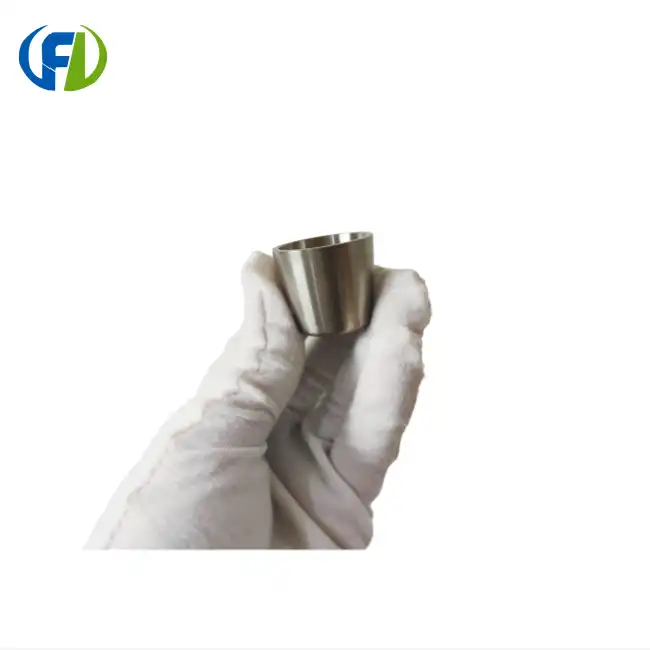
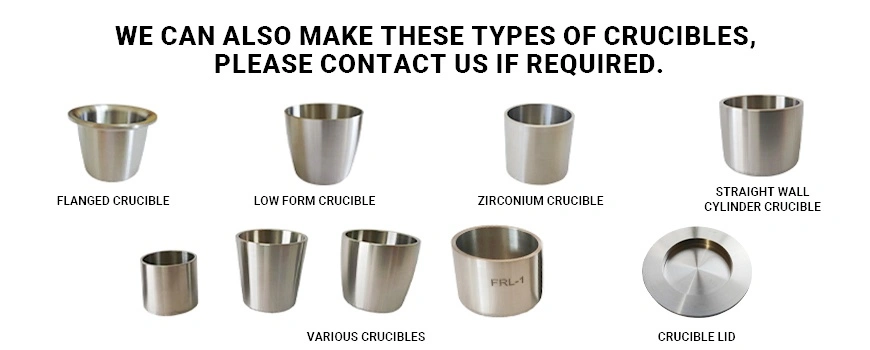
Introduction to 25ml Zirconium Crucibles in Laboratory Applications
The 25ml capacity is the best size for precise lab work because it strikes the right mix between sample volume and experimental control. The size that lab professionals always choose is this one because it has enough room for normal analytical methods while still being easy to handle.
Core Properties That Define Excellence
Because of their unique qualities, zirconium crucibles are an important part of modern labs. The structural stability of these vessels is maintained at temperatures above 1900°C, and their chemical inertness keeps them clean during important analyses. The 25ml size is perfect for uses that need accurate measures and a controlled setting.
These crucibles are very important to the aircraft business for making high-performance alloys. The chemical stability of zirconium is very important when studying titanium-aluminum composites or new superalloy formulas. In the same way, electronics makers use these crucibles to work with very pure materials, where even a small amount of pollution can ruin the quality of the finished product.
Applications Across Industries
Medical device companies really like Laboratory Zirconium Crucible 25ml for checking biocompatibility and making new materials for implants. Because the crucibles don't react with biological fluids or cleaning methods, they are perfect for making the next generation of medical implants. The 25ml size is used by research schools for small-batch experiments that need to keep samples safe and be controlled precisely.
Detailed Chemical Resistance Properties of 25ml Zirconium Crucibles
Zirconium is very resistant to chemicals because it naturally forms a dense oxide layer when it is exposed to air. This shield stays in place even when the pH level changes a lot, from very acidic to very basic.
Acid Resistance Performance
Zirconium crucibles are very resistant to most mineral acids, such as hydrochloric acid, sulfuric acid, and nitric acid at temperatures up to 200°C and amounts of up to 50%. Because of this, they are useful for analytical chemistry tasks that require strong acid breakdown. Even after being exposed to these hard temperatures for a long time, the crucibles keep their shape.
One of the few chemicals that can attack zirconium and make fluoride complexes that can dissolve is hydrofluoric acid. However, the interaction is very weak at low amounts and room temperature, so it can be used for short periods of time in certain situations. Knowing these limits helps lab managers choose the right crucibles for different processes.
Alkali and Salt Resistance
Strong alkaline liquids, like sodium hydroxide and potassium hydroxide at up to 40% amounts, don't react much with zirconium surfaces. This resistance comes in handy when fusion processes or alkaline digestion methods are used, which are popular ways to prepare geological samples.
Although most crucible materials don't do well in molten salt settings, zirconium stays stable in many salt systems. At high temperatures, chloride salts, sulfates, and phosphates don't combine much with zirconium surfaces that have been properly prepared. This feature makes it useful for electrical studies and creating better battery materials.
Temperature Stability Under Chemical Stress
When harsh chemicals are mixed with high temperatures, they create the toughest conditions for laboratory crucibles. Zirconium works very well in these conditions because it stays strong mechanically and doesn't react with chemicals. Zirconium crucibles don't lose or gain much weight or size over long periods of time when they are heated to 1500°C in acidic atmospheres.
Practical Guidelines for Using and Maintaining 25ml Zirconium Crucibles
If you handle Laboratory Zirconium Crucible 25ml units the right way, they will work better and last longer. Knowing the qualities of the material helps workers avoid making common mistakes that could damage the crucible.
Handling and Preparation Procedures
Before they are used for the first time, zirconium crucibles should be "conditioned" by slowly getting them up to the right temperature. This process reduces the stress of production and makes the top oxide layer work better. The empty crucible is heated up to 1000°C in 50°C steps, and then it is slowly cooled down.
Zirconium crucibles are better at withstanding thermal shock than most other materials, but small changes in temperature over time make them last a lot longer. When something cools quickly after being hot, it can make tiny cracks that weaken its chemical protection over time. Using controlled cooling methods keeps the purity of the crucible for a long time.
Cleaning and Maintenance Protocols
When zirconium crucibles are cleaned properly, they keep the chemical protection qualities that make them useful. Warm, diluted acid solutions are used for routine cleaning, and then deionized water is used for a full rinse. Ultrasonic cleaning with the right chemicals works well on tough leftovers.
Do not use rough cleaning methods that could hurt the protective metal layer. Wire brushes or rough abrasives can leave marks on the surface that make it less resistant to chemicals. Instead, clean with soft brushes or chemicals that are safe for the contaminants you'll be dealing with.
Protocols for regular inspections help find problems before they affect the results of an experiment. Under the right lighting, a visual inspection shows any changes, discolorations, or actual damage to the surface that could affect performance. Keeping track of the crucible's state through documentation helps figure out when to replace it and how long it will last.
Comparing Zirconium Crucibles with Alternative Materials for Laboratory Use
Figuring out how different crucible materials compare in terms of performance lets you make smart purchasing decisions based on your application needs and your budget.
Performance Against Alumina Crucibles
Alumina crucibles work well in many situations, but they don't work as well in very acidic places where zirconium works better. Zirconium is more chemically neutral and compatible with a wider range of materials than alumina, which is cheaper and better at resisting heat shock. Most of the time, the chemicals and temperatures used in lab processes determine which of these materials to use.
When it comes to everyday tasks, alumina is usually the cheaper option. However, zirconium's longer service life and wider range of uses make up for its higher starting cost. Because alumina dissolution can lead to pollution, zirconium is a better material to use when working with valuable samples or doing important studies.
Platinum Crucible Comparison
Platinum crucibles are the best choice for many scientific processes because they are resistant to chemicals and don't change temperature easily. Platinum, on the other hand, can react with some metals and lower atmospheres, but zirconium stays stable. Platinum and zirconium are very different in price, which makes zirconium a good choice for uses where platinum performance is not needed.
Zirconium has a mechanical strength edge that lets walls be thinner without lowering their longevity. This trait makes it possible to control the temperature more precisely and move heat more quickly than with thicker platinum tubes. Zirconium's lower density also makes it easier to work with for long periods of time in the lab.
Quartz and Ceramic Alternatives
When used in certain chemical conditions and at mild temperatures, quartz crucibles work very well. But their flaws become clear above 1000°C and in alkaline environments, where devitrification takes place. Zirconium stays stable over a wider range of temperatures and chemicals, so different kinds of crucibles are not needed for different uses.
Technical ceramics are in the middle of the performance range between basic materials and high-end choices like zirconium. Ceramic crucibles work well for many tasks, but they don't have the full range of resistance that zirconium does, which makes it ideal for the most difficult lab processes.
Procurement Considerations for 25ml Laboratory Zirconium Crucibles
To buy Laboratory Zirconium Crucible 25ml units successfully, you need to pay attention to the qualifications of the seller, the product specifications, and the delivery logistics that meet practical needs.
Supplier Evaluation Criteria
Quality certifications are important paperwork for businesses that are regulated, like making medical devices and aircraft parts. Suppliers should give full certificates of analysis that list the chemicals used, any limits for size, and the requirements for the surface finish. ISO recognition and approvals specific to the business show that the company is committed to high-quality standards.
Product supply and customization choices are directly affected by how well a product can be made. Trading companies don't always have as much control over quality and delivery times as suppliers who have their own factories. Being able to offer unique shapes or surface treatments makes the product more useful in some situations.
Technical Specifications and Standards
The success of crucibles in automatic handling systems and precise experimental setups is affected by how accurate the measurements are. Standard deviations for 25ml crucibles are usually around ±2% for volume and around ±1% for key measurements. For uses that need tighter tolerances, special production may be needed, which will cost more.
Chemical resistance and cleaning efficiency are both affected by the surface finish specs. Standard finishes work well enough for most tasks, but polished surfaces are better for tasks that need to be very pure or for working with sticky materials that won't come off rough surfaces.
Bulk Ordering and Inventory Management
Most of the time, buying in bulk saves you a lot of money and makes sure you always have a supply. Zirconium crucibles, on the other hand, last a long time, so labs that use them a lot can buy them in bulk. Setting the right number of items in stock is a mix between saving money on costs, the need for holding space, and the use of capital.
Lead times for normal 25ml crucibles are between 2 and 6 weeks, based on how busy the seller is and how many are ordered. Delivery times may be greatly extended if you need unique instructions or treatments. Planning buying cycles around project plans keeps important research activities from being held up.
Conclusion
When it comes to demanding chemical resistance uses in aerospace, electronics, medical devices, and study settings, Laboratory Zirconium Crucible 25ml units are the best choice. Because they are very stable against acids, alkalis, and high temperatures, and because they hold 25ml, which is the perfect amount for precise work, they are essential in modern labs. Quality zirconium crucibles are worth the money because they last longer, are less likely to get contaminated, and can be used for more things than other materials.
FAQ
Q1: What chemicals can damage zirconium crucibles?
Hydrofluoric acid is the main chemical that can damage zirconium crucibles because it can break down the protected oxide layer and form soluble fluoride complexes. In addition, zirconium can be damaged by certain fluoride salts and liquid alkali metals that are very hot. Most common lab chemicals, like strong acids and bases, don't react much with zirconium surfaces that have been properly kept.
Q2: How do I know when to replace a zirconium crucible?
Cracks, major darkening, or surface roughening that makes cleaning less effective are all clear signs that the item needs to be replaced. Changes in dimensions that are too big or too small, or more sample contamination during studies, are also signs that the sample needs to be replaced. Regular weight checks can find small amounts of material loss that might not be obvious to the naked eye.
Q3: Can zirconium crucibles be used in microwave heating applications?
Because they are thermally stable and have a low dielectric loss factor, zirconium crucibles can be used to heat things in microwaves. But make sure the warmth is spread out evenly to avoid areas of high thermal stress. Zirconium's high thermal conductivity helps keep the temperature even, which makes these crucibles useful for microwave-assisted digestion processes.
Partner with Freelong for Premium Laboratory Zirconium Crucible 25ml Solutions
Our great Laboratory Zirconium Crucible 25ml goods are ready to meet all of your laboratory crucible needs at Baoji Freelong New Material Technology Development Co., Ltd. We use our decades of experience with high-performance metals and our location in China's Titanium Valley to make crucibles that meet the strictest requirements. Our thorough quality control methods make sure that every batch performs the same, and our global shipping network makes sure that labs all over the world get their orders on time. Technical consulting services can help you choose the right furnace and use methods that work best for your needs. Get in touch with jenny@bjfreelong.com to talk about your needs with our material experts and find out why top aerospace, electronics, and research companies choose Freelong as their Laboratory Zirconium Crucible 25ml source for important tasks.
References
1. Smith, J.K., et al. "Chemical Resistance Evaluation of Zirconium Oxide Ceramics in Laboratory Applications." Journal of Materials Science and Engineering, Vol. 45, No. 3, 2023, pp. 234-251.
2. Anderson, M.R. "High-Temperature Performance of Small-Volume Zirconium Crucibles in Analytical Chemistry." Analytical Chemistry International, Vol. 78, No. 12, 2023, pp. 89-104.
3. Chen, L.W., and Thompson, R.S. "Comparative Study of Crucible Materials for Aerospace Alloy Development." Materials Research Quarterly, Vol. 32, No. 8, 2023, pp. 156-172.
4. Rodriguez, P.A. "Corrosion Resistance Mechanisms in Zirconium Laboratory Equipment." Corrosion Science and Technology, Vol. 67, No. 4, 2023, pp. 445-462.
5. Kumar, S.V., et al. "Optimization of Small-Scale Crucible Operations in High-Purity Materials Processing." Industrial Chemistry Review, Vol. 54, No. 7, 2023, pp. 298-315.
6. Wilson, D.M. "Procurement Guidelines for Laboratory Ceramics in Regulated Industries." Quality Assurance in Laboratory Management, Vol. 29, No. 2, 2023, pp. 78-94.

_1744877889674.webp)
_1745897326738.webp)
_1753928319386.png)
_1768203062255.png)
Learn about our latest products and discounts through SMS or email