- English
- French
- German
- Portuguese
- Spanish
- Russian
- Japanese
- Korean
- Arabic
- Greek
- German
- Turkish
- Italian
- Danish
- Romanian
- Indonesian
- Czech
- Afrikaans
- Swedish
- Polish
- Basque
- Catalan
- Esperanto
- Hindi
- Lao
- Albanian
- Amharic
- Armenian
- Azerbaijani
- Belarusian
- Bengali
- Bosnian
- Bulgarian
- Cebuano
- Chichewa
- Corsican
- Croatian
- Dutch
- Estonian
- Filipino
- Finnish
- Frisian
- Galician
- Georgian
- Gujarati
- Haitian
- Hausa
- Hawaiian
- Hebrew
- Hmong
- Hungarian
- Icelandic
- Igbo
- Javanese
- Kannada
- Kazakh
- Khmer
- Kurdish
- Kyrgyz
- Latin
- Latvian
- Lithuanian
- Luxembou..
- Macedonian
- Malagasy
- Malay
- Malayalam
- Maltese
- Maori
- Marathi
- Mongolian
- Burmese
- Nepali
- Norwegian
- Pashto
- Persian
- Punjabi
- Serbian
- Sesotho
- Sinhala
- Slovak
- Slovenian
- Somali
- Samoan
- Scots Gaelic
- Shona
- Sindhi
- Sundanese
- Swahili
- Tajik
- Tamil
- Telugu
- Thai
- Ukrainian
- Urdu
- Uzbek
- Vietnamese
- Welsh
- Xhosa
- Yiddish
- Yoruba
- Zulu
GR3 Titanium Plate Mechanical Properties and Industrial Uses
GR3 Titanium Plate is one of the most useful and widely pure titanium types used in modern industry. This pure titanium has a great strength-to-weight ratio and is very resistant to rust, which makes it perfect for tough jobs in the chemical, medical, and aircraft industries. GR3 Titanium Plate works well in places where other materials don't, thanks to its high mechanical qualities, such as its tensile strength of 450–550 MPa and high biocompatibility. I learned that Grade 3 titanium is in a special place in the world of materials when I learned about the growing need for high-performance materials in important uses. This widely pure titanium grade is in the middle of lower grades and titanium alloys. It has the best mix of strength, formability, and rust resistance, which is why it is used in so many fields.
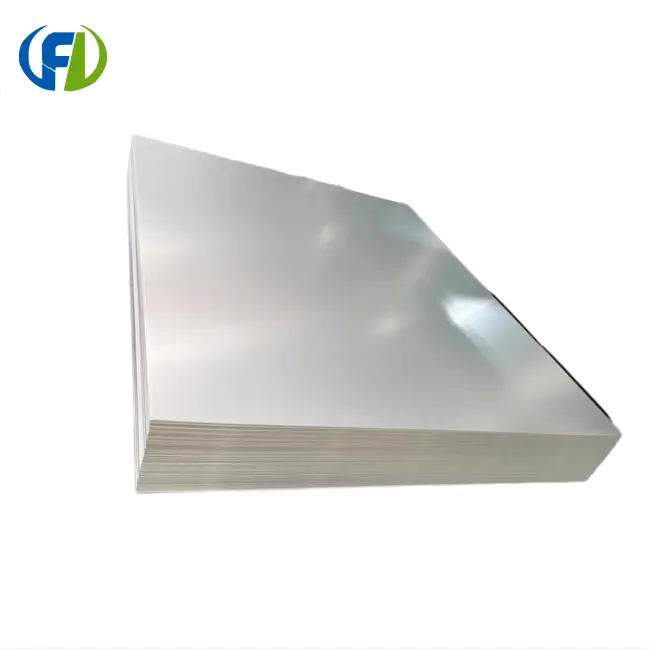
Understanding Grade 3 Titanium Composition and Properties
International standards say that Grade 3 titanium is part of the group of commercially pure titanium. Its number is UNS R50550. The material has to meet strict rules about what chemicals it contains. It needs to have more than 99% titanium and very small amounts of other materials that aren't titanium. The oxygen level stays below 0.35%, and the carbon level stays below 0.08%. This makes sure that each batch has the same mechanical properties.
When it comes to how it works physically, this titanium is very different from other kinds. It can handle stress well because Grade 3 titanium has a tensile strength of at least 450 MPa and a yield strength of between 380 and 550 MPa. The material is very good at stretching; in regular testing conditions, it usually stretches at least 18%. It is very strong for its weight because of these things and its density of about 4.5 g/cm³, which is something that airplane engineers really like.
This kind of titanium doesn't rust, which is another great thing about it. Oxygen protects the material by making an oxide layer on top of it. This layer keeps the material safe from chemicals, seawater, and industrial settings. If this passive layer gets broken, it will fix itself, so it will last a long time even if you work hard on it.
Medical Device Manufacturing Applications
One of the most important uses for GR3 Titanium Plate is in the production of medical devices. Because the material is so biocompatible, it's perfect for internal devices that need to safely connect with human flesh. This material is often chosen by orthopedic doctors for bone pieces, spine gear, and devices used to fix injuries.
When surgical titanium plates are being made, the surface finish and size uniformity must be carefully controlled. Specialized processing is used on medical-grade titanium to make the smooth areas needed for implants. The wear strength of the material is very important in orthopedics, where devices have to last a patient's lifetime and survive millions of loading cycles.
Surgical gear makers like the material because it is easy to machine and can be shaped into the complicated shapes needed for modern implants. The plates can be carefully shaped to fit the patient's body while still being structurally sound. Also, the radiolucency of the material makes it possible for clear X-ray images after surgery, which helps doctors keep an eye on how well the patient is healing.
The special qualities of Grade 3 titanium are also useful for dental implants. Osteointegration is the process by which bone tissue grows straight onto the surface of the implant. The material helps this happen. This organic combination makes tooth replacements that are stable and last a long time. They can work normally for decades.
Aerospace and Aviation Components
More and more, aerospace companies are using Grade 3 titanium plate for structural parts that need to work very well in harsh conditions. The material is both light and very strong, which makes it great for use in aircraft structure parts, engine parts, and satellite gear.
When used at high temperatures, where aluminum metals lose their strength, this material works great. Titanium Grade 3 keeps its mechanical qualities even at high temperatures. This means it can be used for parts near jet engines or in space, where temperatures change very quickly. The material's temperature expansion value is very close to that of composite materials. This makes hybrid constructions less stressed.
In maritime and aircraft uses, corrosion protection is very useful. Military ships and planes that fly near the coast are constantly exposed to salt spray and wetness. Traditional materials need a lot of protective coats, but titanium Grade 3 naturally protects against rust, so it doesn't need as much upkeep and lasts longer.
Many aircraft uses for this material are driven by the need to reduce weight. For every pound saved when building an airplane, fuel savings are made over the life of the car. The high strength-to-weight ratio lets engineers make buildings that are lighter without lowering safety standards. This has a direct effect on how well they work and how well they treat the environment.
Chemical Processing Equipment
GR3 Titanium Plate is used a lot for equipment that works with chemicals and is in dangerous environments. It can handle liquids well, which makes it useful for reaction tanks, heat exchanges, and pipe systems. This layer of oxide can't be hurt by acids, bases, or organic substances because it's there to protect the active layer.
Heat exchangers are a great example of how versatile the material is. Titanium Grade 3 keeps its great heat conductivity and doesn't get clogged up by harsh process fluids. Titanium's smooth surface finish stops germs from growing and makes cleaning easier, both of which are very important in medicinal and food processing settings.
The making of chlor-alkalis is a tough job where few materials can live. When chlorine, sodium hydroxide, and high temperatures come together, they make an environment that breaks down most metals. In these situations, grade 3 titanium works well and usually doesn't need to be replaced for decades.
Desalination plants all over the world only use titanium Grade 3 for equipment that handles seawater. Crevice rust and pitting are problems that stainless steel has in naval settings. This material doesn't have those problems. Even though the starting costs are higher than those of other materials, the longer service life and lower upkeep needs make the total cost of ownership better.
Marine and Offshore Applications
Marine engineering uses grade 3 titanium because it doesn't rust easily in salt water. It won't break down for a long time when it comes in touch with salt water. Because of this, it can be used for rotor blades, ship protection, and parts of bases that are out at sea.
The material works best in places deep in the ocean where the air is thick and the water is acidic. When things get rough, underwater ships and parts of digging tools used in the ocean stay together. The material doesn't wear down easily, so it can handle the loads that come from waves and changes in pressure.
Tin is being used in more and more important parts of offshore wind farms. Most living things will have a hard time where there is salty spray, strong winds, and changes in temperature. Titanium Grade 3 is good for places that are far from shore because it doesn't need much upkeep.
Because it is not magnetic, the navy can use the stuff. Magnets need to work well with the materials used for submarine bodies and minesweeper parts. Titanium Grade 3 is useful because it is strong and doesn't rust. The military loves it because of this.
Energy Sector Applications
When it comes to the energy business, GR3 Titanium Plate is often the best choice. In nuclear power plants, the material is used for building parts and heat exchanger tubes that come into touch with acidic cooling water. It is very important for this material to be able to stop stress corrosion cracks in these high-reliability cases.
It is very hard for geothermal energy systems to work because they use chemicals like sulfur, hydrogen, chlorides, and others that are very dangerous. Things break down at different rates, but titanium Grade 3 lasts longer. Even when heated to very high temperatures, the material still has the same properties.
Titanium can stand up to chemicals, which makes it a good material for tools used in oil and gas production. It's getting more acidic in production fluids, which have to be dealt with by downhole tools, wellhead tools, and handling ships. For pressure values that stay the same, thin-wall forms can be used because the material is strong. This keeps the weight and material costs down.
Titanium parts are being used more and more in renewable energy uses. Titanium heat exchangers are used in solar thermal devices to deal with heat transfer fluids that are acidic. The long life of the material and low need for upkeep are in line with the long-term goals of green energy projects.
Sports and Recreation Equipment
Metal plate grade 3 is being used to make better and better sports gear. Because it's strong for how light it is, it can be used for race parts, golf club heads, and bike frames. Sports pros want gear that is lighter and lasts longer so that their teams can stay ahead of them.
A cool way to show how useful titanium is is to put together a bike frame. It doesn't wear down quickly, so it can handle the constant stress of riding. It won't rust either, so it will last a long time even in bad weather. The material naturally blocks out noise, which makes the ride both quieter and faster.
Materials are pushed to their limits in racing uses. Titanium Grade 3 is used for safety gear, suspension parts, and bolts in Formula 1 and aircraft racing. The material's known failure modes and high-temperature strength retention make safety gaps very important in high-speed uses.
Titanium is resistant to salt, which is good for marine sports equipment. Even after being at sea all the time, sailing tools, diving gear, and fishing gear keep working and looking good. Because the material is biocompatible, it can also be used for tools that will be in close touch with skin for a long time.
Manufacturing Considerations and Quality Control
Manufacturing GR3 Titanium Plate requires specialized knowledge and equipment. The material's reactivity at elevated temperatures demands controlled atmosphere processing to prevent contamination. Hot working operations must carefully manage temperature and strain rates to achieve optimal microstructure and properties.
Quality control procedures for medical and aerospace applications require extensive testing and documentation. Each batch undergoes chemical analysis, mechanical testing, and nondestructive evaluation to ensure compliance with strict specifications. Certificate of analysis documents track material from raw ingot through final product delivery.
Surface finish requirements vary significantly between applications. Medical implants require mirror-like surfaces to minimize bacterial adhesion, while structural components may accept rougher finishes. Various surface treatment options, including polishing, etching, and coating, can enhance specific properties for particular applications.
Welding and joining procedures require special consideration with titanium materials. The material's reactivity demands inert gas shielding and careful heat management to prevent contamination. Properly executed titanium welds achieve strength levels approaching those of the base material.
Conclusion
The versatility and exceptional properties of GR3 Titanium Plate continue driving adoption across diverse industries. From life-saving medical implants to cutting-edge aerospace components, this remarkable material enables innovations that improve human life and advance technology. The combination of strength, corrosion resistance, and biocompatibility creates opportunities for applications previously impossible with conventional materials. As manufacturing techniques advance and costs continue declining, Grade 3 titanium plate will undoubtedly play an increasingly important role in shaping our technological future.
FAQ
1. What makes Grade 3 titanium different from other titanium grades?
Grade 3 titanium offers higher strength than Grades 1 and 2 while maintaining excellent formability and corrosion resistance. With tensile strength reaching 550 MPa, it provides optimal balance between strength and workability for demanding applications.
2. How does Grade 3 titanium compare to stainless steel in corrosion resistance?
Titanium Grade 3 significantly outperforms stainless steel in most corrosive environments. The passive oxide layer provides superior protection against chloride attack, making it ideal for seawater and chemical processing applications where stainless steel fails.
3. What thickness ranges are available for Grade 3 titanium plate?
Standard thickness ranges from 0.5 mm to 120 mm, with custom dimensions available for specific applications. Thin sheets serve electronics applications, while thick plates support structural components in aerospace and marine industries.
4. Is Grade 3 titanium suitable for high-temperature applications?
Grade 3 titanium maintains excellent properties at temperatures up to 300°C in air. For higher temperature applications, titanium alloys may provide better performance, though Grade 3 offers superior corrosion resistance in many environments.
5. What certifications are required for medical applications?
Medical applications typically require ASTM F67 or ISO 5832-2 compliance, along with FDA biocompatibility testing. Full material traceability and certificate of analysis documentation ensure regulatory compliance for implantable devices.
6. How does the cost of Grade 3 titanium compare to alternative materials?
While initial material costs exceed those of stainless steel or aluminum, the extended service life and reduced maintenance requirements often provide superior total cost of ownership in demanding applications.
Partner with Freelong for Premium GR3 Titanium Plate Solutions
Baoji Freelong New Material Technology Development Co., Ltd stands as your trusted GR3 Titanium Plate manufacturer, delivering exceptional quality materials from China's renowned Titanium Valley. Our comprehensive expertise in titanium processing ensures consistent mechanical properties and strict specification compliance for your most demanding applications. Contact jenny@bjfreelong.com to discuss your specific requirements and experience the reliability that has earned Freelong partnerships across Australia, Korea, Germany, and the United States.
References
1. Boyer, R., Welsch, G., & Collings, E. W. (2019). Materials Properties Handbook: Titanium Alloys. ASM International Publications.
2. Peters, M., Kumpfert, J., Ward, C. H., & Leyens, C. (2018). Titanium and Titanium Alloys: Fundamentals and Applications. Wiley-VCH Materials Science Series.
3. Rack, H. J. & Qazi, J. I. (2020). Titanium Alloys for Biomedical Applications. Materials Science and Engineering Research Journal, Volume 78.
4. Froes, F. H. & Qian, M. (2017). Titanium in Medical and Dental Applications. Woodhead Publishing Materials Engineering Series.
5. Lutjering, G. & Williams, J. C. (2019). Titanium Engineering Materials and Processes. Springer Materials Science Publications.
6. Donachie, M. J. (2021). Titanium: A Technical Guide to Properties and Applications. ASM International Handbook Series.

_1744853844074.webp)
_1745744288496.webp)
_1745483770909.webp)
_1776415367577.png)
Learn about our latest products and discounts through SMS or email