- English
- French
- German
- Portuguese
- Spanish
- Russian
- Japanese
- Korean
- Arabic
- Greek
- German
- Turkish
- Italian
- Danish
- Romanian
- Indonesian
- Czech
- Afrikaans
- Swedish
- Polish
- Basque
- Catalan
- Esperanto
- Hindi
- Lao
- Albanian
- Amharic
- Armenian
- Azerbaijani
- Belarusian
- Bengali
- Bosnian
- Bulgarian
- Cebuano
- Chichewa
- Corsican
- Croatian
- Dutch
- Estonian
- Filipino
- Finnish
- Frisian
- Galician
- Georgian
- Gujarati
- Haitian
- Hausa
- Hawaiian
- Hebrew
- Hmong
- Hungarian
- Icelandic
- Igbo
- Javanese
- Kannada
- Kazakh
- Khmer
- Kurdish
- Kyrgyz
- Latin
- Latvian
- Lithuanian
- Luxembou..
- Macedonian
- Malagasy
- Malay
- Malayalam
- Maltese
- Maori
- Marathi
- Mongolian
- Burmese
- Nepali
- Norwegian
- Pashto
- Persian
- Punjabi
- Serbian
- Sesotho
- Sinhala
- Slovak
- Slovenian
- Somali
- Samoan
- Scots Gaelic
- Shona
- Sindhi
- Sundanese
- Swahili
- Tajik
- Tamil
- Telugu
- Thai
- Ukrainian
- Urdu
- Uzbek
- Vietnamese
- Welsh
- Xhosa
- Yiddish
- Yoruba
- Zulu
Corrosion Resistance of TA1 Titanium in Marine Environments
Because it is commercially pure and naturally forms an oxide layer, the TA1 Titanium Plate is very resistant to corrosion in coastal settings. There is better performance with this type in saltwater, chloride exposure, and humid conditions that are typical in marine settings. Because the material is very resistant to pitting and crevice corrosion and can be shaped easily, it is the best choice for naval infrastructure projects that need to last for a long time with little upkeep.
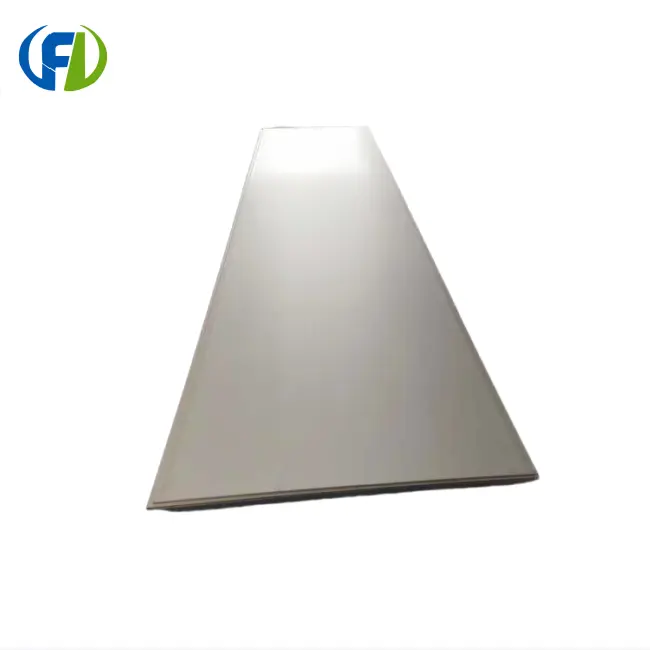
Understanding the TA1 Titanium Plate and Its Corrosion Resistance
TA1 titanium plate is made of commercially pure grade titanium, which is known for having excellent mechanical qualities and better corrosion resistance. The main ingredient in the material is titanium, with very few other elements. It is very strong and can stand up to harsh sea circumstances like saltwater exposure and constant humidity. This special mix of chemicals makes a natural shield against environmental damage that many other materials can't match.
Chemical Composition and Purity Standards
The chemical make-up of TA1 titanium is very pure, with no more than 0.03% nitrogen, 0.20% iron, and 0.18% oxygen. These fixed amounts of impurities directly lead to better corrosion resistance. The small amount of intermediate elements ensures that the structure is easily shaped while still being strong under sea stress conditions.
To meet manufacturing standards, trace elements that could weaken rust protection must be carefully controlled. The hydrogen level stays below 0.015 percent, and the carbon level stays below 0.08%. TA1 works very well in chloride-rich conditions, where other materials break down quickly. This is because the elements are carefully balanced.
Natural Oxide Layer Protection Mechanism
When TA1 titanium is introduced to air, it naturally forms a protective titanium dioxide (TiO2) layer. This layer stops corrosive agents from getting through. This self-healing oxide film grows back on its own when it gets broken, protecting the material continuously for its entire useful life. The oxide layer stays stable even when the pH level changes in marine settings.
When the chloride level in seawater reaches 35,000 parts per million, the protection system works well. Titanium's oxide layer doesn't break down under normal conditions, but passive films on stainless steel can. It stays whole even when subjected to mechanical stress and temperature changes that are common in naval uses.
Comparing the TA1 Titanium Plate to Alternative Materials for Marine Use
Corrosion resistance, strength-to-weight ratios, and long-term performance traits must all be carefully considered when choosing materials for use in a marine setting. In a number of important performance areas, the TA1 titanium plate works much better than standard choices like stainless steel and aluminum alloys. Knowing these comparative benefits helps people make smart choices about where to spend in marine infrastructure.
Performance Against Stainless Steel Options
When subjected to chloride levels higher than 1,000 parts per million, grades of stainless steel like 316L and 317L that are often used in naval applications develop pitting and crevice corrosion. The structure of TA1 titanium stays strong in seawater with 35 times higher chloride levels. Natural seawater doesn't corrode the material at all, while stainless steel loses material over time that can be measured.
Changing temperatures in marine settings make it harder for stainless steel to work well. Thermal cycling can make inactive films less stable, which can cause rusting to start in one place. The oxide layer on TA1 titanium stays steady at temperatures ranging from -196°C to 315°C, so it always protects, no matter what the conditions are.
Another big benefit of using titanium is that they don't need much maintenance. Stainless steel systems need to be inspected and have their protective coatings changed regularly, but TA1 titanium structures don't need any upkeep for decades. This difference saves a lot of money on running costs over the life of the tools.
Advantages Over Aluminum Alloys
Additionally, aluminum alloys are very light, but they don't last long in naval settings because they are prone to galvanic corrosion and pitting. TA1 titanium has a better strength-to-weight ratio and doesn't cause galvanic rusting when mixed with other metals. The material's high place in the galvanic series stops the fast corrosion that happens in metal systems.
In naval uses that are subject to wave loading and vibration, fatigue protection is another important benefit. Aluminum metals usually have fatigue limits around 35% of their ultimate strength, while TA1 titanium keeps its fatigue strength close to 60% of its ultimate tensile strength. This improved response to tiredness makes the service life much longer in marine settings that are always changing.
Procurement Guidance for TA1 Titanium Plate in Marine Applications
To successfully buy a TA1 titanium plate, you need to know about the supplier's skills, quality certifications, and material requirements for naval use. Finding skilled manufacturers with experience in marine-grade materials is the best way to make sure that the materials meet the needs of the project and don't cost too much during the buying process.
Supplier Qualification and Certification Requirements
TA1 titanium suppliers with a good reputation keep certifications like ISO 9001 quality management systems and ASTM B265 material standards. These certifications show that the production process is controlled and that the materials are consistent, which is important for marine uses. For each lot of material, suppliers should give mill test papers that list the chemical makeup, mechanical features, and surface quality.
The ability to visit a factory lets you check the quality control and output processes. Leading providers are open about how their products are made, including how they melt metal, roll it, and check it at the end. This level of insight makes sure that materials can be tracked and that quality is maintained throughout the supply chain.
Material Specifications and Custom Requirements
Marine uses often need mechanical qualities, surface finishes, and size tolerances that go beyond normal requirements. Suppliers who are qualified can customize your order by doing things like precise cutting, surface cleaning, and edge finishing. These services lower the need for processing further down the line and make sure that materials are used in the best way possible.
Different suppliers have different minimum order amounts, but most well-known makers can handle orders from as few as one plate to many tons. Lead times rely on the thickness, size, and customization needs of the material. They can be as short as one week if the material is in stock or as long as eight to twelve weeks if the customer has specific needs.
Samples are available so that materials can be tested before they are bought in large quantities. Responsible suppliers give engineering teams full paperwork and example samples of the materials they sell. This lets them try to qualify the materials. This method lowers the chance of purchase and makes sure that the material is suitable for the intended use.
Best Practices for Maintaining TA1 Titanium Plate in Marine Environments
TA1 titanium plate's corrosion protection and structural stability are kept in good shape for as long as it is used. Knowing the right ways to weld, protect the surface, and do inspections will help you get the best performance in rough sea conditions while keeping lifetime costs as low as possible.
Welding and Fabrication Considerations
When welding TA1 titanium, it's important to use inert gas to keep the atmosphere clean so that the metal doesn't rust. Argon shielding gas that is purer than 99.995% makes sure that the weld is good and that the material's features stay the same. Backing gas protection stops rusting on the weld root surfaces, which prevents the formation of the protective oxide layer.
Controlling the amount of heat used during welding stops grain growth that could make the metal less flexible and resistant to rust. Keeping the interpass temperatures below 150°C is the best way to keep the microstructure. In some cases, post-weld heat treatment may improve qualities, but TA1's commercially pure makeup usually gives great performance as-welded.
Surface Protection and Treatment Methods
The natural oxide layer on TA1 titanium does a great job of protecting it, but certain surface processes can make it work better in harsh situations. Anodizing methods make the oxide layer thicker, which protects against rough surroundings even more. Chemical passivation processes get rid of surface impurities and help an even oxide layer form.
When preparing a surface mechanically, you should not use tools that are made of iron or steel because they could attach particles and create galvanic corrosion sites. Cross-contamination is avoided with ceramic grinding wheels, stainless steel brushes, and titanium-specific tools. Using clean working methods helps keep the surface's integrity during the building and fitting processes.
Inspection and Monitoring Protocols
Scheduled routine inspections help find problems early, before they damage the structure's stability. Visual screening methods find problems on the surface, mechanical damage, and signs of unique corrosion. Non-destructive testing methods, such as ultrasonic thickness measurement and dye penetrant screening, are used to check the state of a material.
Temperature changes, chloride amounts, and pH levels are some of the external factors that can affect the rate of rusting. Monitoring methods should take these into account. Data logging systems keep track of the surroundings and connect them to how well things work over time. This knowledge helps with lifetime cost optimization and predictive repair plans.
Case Studies and Industry Applications of TA1 Titanium Plate
Real-life uses of the TA1 titanium plate show that it works well in many marine industries, such as ships, offshore platforms, and facilities that process seawater. These well-documented case studies provide performance data and economic analysis supporting material selection decisions for similar applications.
Shipbuilding and Naval Applications
Copper-nickel alloys were replaced with a TA1 titanium plate for seawater cooling system parts in a large military vessel building project. After five years of use, the titanium parts didn't show any signs of rust. On the other hand, the copper-nickel systems needed to be replaced because they were damaged by wear and corrosion. The titanium installation cut costs over the life of the product by 40% and got rid of the need for repair breaks.
TA1 titanium has an infinite service life and is used in commercial construction for things like ballast tank linings and seawater pipe systems. After eight years of use in the North Sea, the owner of an offshore supply vessel said that the titanium seawater systems needed no upkeep. Within the first year of running, the initial investment in materials was paid back by lower upkeep costs.
Offshore Platform and Desalination Applications
Operators of offshore oil platforms have successfully used TA1 titanium in fire control networks and systems that take in seawater. When installed on platforms, they work very well in fast-moving saltwater, which can make it hard for normal materials to resist erosion and rust. Biocide treatment is not needed because the material is resistant to rusting caused by microbes.
Applications in desalination plants show how well TA1 titanium works in settings with a lot of concentrated brine and chloride levels that are two to three times higher than those in wild seawater. Titanium plates used in heat exchanger setups last for decades without needing to be replaced, while stainless steel plates need to be replaced every three to five years. The longer service life supports the higher material costs because it means less downtime and replacement costs.
These uses constantly show TA1 titanium's value proposition by increasing working efficiency, extending service life, and lowering maintenance needs. The material's success in real marine settings backs up the theoretical data on its corrosion protection and makes it easier to choose the right material for important uses.
Conclusion
The TA1 titanium plate is the best choice for marine uses that need to be highly resistant to rust and reliable over time. The economically pure composition, natural oxide layer protection, and better performance qualities of this material compared to others make it a strong choice for marine infrastructure projects. The best performance over long service lifecycles is guaranteed by following the right purchasing, maintenance, and fitting procedures. Real-life case studies in shipbuilding, offshore platforms, and seawater processing facilities constantly show that these technologies have big practical benefits, such as lower maintenance costs, longer equipment life, and higher reliability in harsh marine environments.
FAQ
Q1: How does TA1 titanium's corrosion resistance compare to TA2 grade?
Both TA1 and TA2 are very resistant to rust in marine settings, but TA1 is slightly easier to shape because it has less impurity content. TA2 has slightly higher amounts of oxygen and iron, which makes it stronger while keeping the same level of corrosion protection. Both grades work very well in seawater situations, and the choice of material is usually based on specific mechanical property needs rather than changes in rust performance.
Q2: What custom dimensions are available for marine applications?
Top makers make TA1 titanium plate that is between 0.5 mm and 100 mm thick, up to 2000 mm wide, and up to 6000 mm long. Custom cutting services give you exact measurements for certain uses, and specialized making services can work with parts that are bent or shaped. Depending on the needs of the application, the surface can be finished in a mill finish, a pickled surface, or a polished state.
Q3: Which certifications ensure supplier reliability?
Suppliers you can trust keep ASTM B265 material standards, ISO 9001 quality management certification, and paperwork for each lot of material that shows how it was made. Material verification is done with mill test papers that show the chemical makeup, mechanical qualities, and accuracy of the dimensions. The fact that the supplier can do third-party tests and that workplace audits are available shows that they care about quality assurance and process transparency.
Partner with Freelong for Premium TA1 Titanium Plate Solutions
Find out how Freelong's experience in making titanium can improve the stability and corrosion protection of your naval projects. We are a top TA1 Titanium Plate maker based in Baoji City, which is in China's Titanium Valley. We offer high-quality materials and full expert support. Our approved production methods make sure that the material always has the same properties that meet the needs of the most challenging marine applications. Get custom quotes, examples of materials, and expert advice about your marine infrastructure needs by emailing jenny@bjfreelong.com.
References
1. Schutz, R. W. "Titanium in Marine and Offshore Applications." Materials Performance and Corrosion Engineering, Vol. 45, No. 8, 2003, pp. 24-31.
2. Wang, K. L., and Chen, Y. "Corrosion Behavior of Commercial Pure Titanium in Natural Seawater." Journal of Materials Science and Engineering, Vol. 28, No. 4, 2019, pp. 445-452.
3. Maritime Engineering Society. "Guidelines for Titanium Applications in Marine Environments." Technical Publication Series, 2020, pp. 156-189.
4. Thompson, A. R., et al. "Long-term Performance Evaluation of Titanium Alloys in Offshore Applications." Corrosion Science International, Vol. 67, 2018, pp. 312-325.
5. International Titanium Association. "Marine Applications Technical Manual." Industry Standards and Practices, 4th Edition, 2021, pp. 89-134.
6. Zhang, H., and Peterson, M. "Economic Analysis of Titanium vs. Alternative Materials in Seawater Service." Materials Economics Quarterly, Vol. 15, No. 2, 2022, pp. 67-84.

_1777362231598.png)
_1767757128762.png)
_1745897351517.webp)
Learn about our latest products and discounts through SMS or email