- English
- French
- German
- Portuguese
- Spanish
- Russian
- Japanese
- Korean
- Arabic
- Greek
- German
- Turkish
- Italian
- Danish
- Romanian
- Indonesian
- Czech
- Afrikaans
- Swedish
- Polish
- Basque
- Catalan
- Esperanto
- Hindi
- Lao
- Albanian
- Amharic
- Armenian
- Azerbaijani
- Belarusian
- Bengali
- Bosnian
- Bulgarian
- Cebuano
- Chichewa
- Corsican
- Croatian
- Dutch
- Estonian
- Filipino
- Finnish
- Frisian
- Galician
- Georgian
- Gujarati
- Haitian
- Hausa
- Hawaiian
- Hebrew
- Hmong
- Hungarian
- Icelandic
- Igbo
- Javanese
- Kannada
- Kazakh
- Khmer
- Kurdish
- Kyrgyz
- Latin
- Latvian
- Lithuanian
- Luxembou..
- Macedonian
- Malagasy
- Malay
- Malayalam
- Maltese
- Maori
- Marathi
- Mongolian
- Burmese
- Nepali
- Norwegian
- Pashto
- Persian
- Punjabi
- Serbian
- Sesotho
- Sinhala
- Slovak
- Slovenian
- Somali
- Samoan
- Scots Gaelic
- Shona
- Sindhi
- Sundanese
- Swahili
- Tajik
- Tamil
- Telugu
- Thai
- Ukrainian
- Urdu
- Uzbek
- Vietnamese
- Welsh
- Xhosa
- Yiddish
- Yoruba
- Zulu
How a High Temperature Corrosion Resistant Zirconium Crucible Enhances Chemical Processing
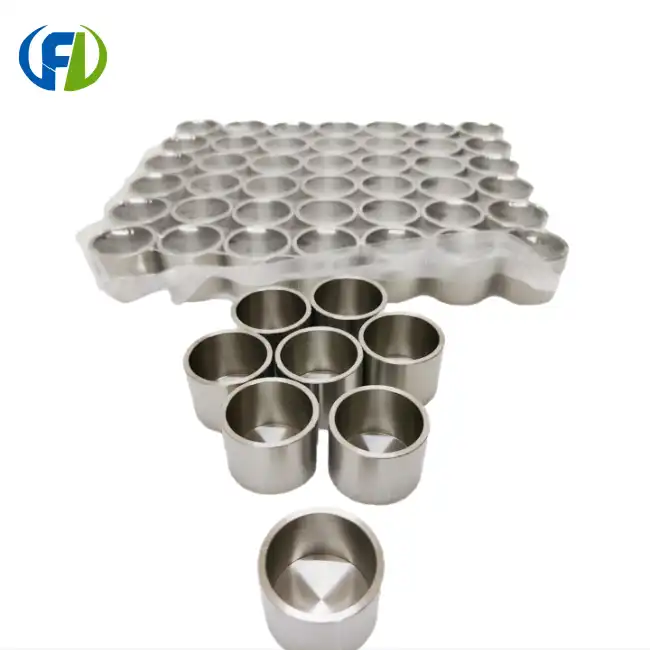
A 99% Purity Zirconium Crucible resists violent molten alkalis, carbonates, and peroxides over 1800°C, improving chemical operations. These crucibles form a zirconium oxide layer to prevent flux fusion sample contamination, unlike conventional ceramic or metal jars. Heavy metals don't hinder trace element studies and withstand hundreds of temperature cycles. Labs and industries that deal in difficult chemical conditions require high-purity zirconium crucibles for their chemical inertness, thermal stability, and mechanical strength.
Understanding Zirconium Crucibles and Their Role in Chemical Processing
Chemical processing facilities need materials that can withstand high heat and harmful compounds. Special mechanical properties and manufacturing of high-purity zirconium crucibles overcome this challenge.
What Makes Zirconium Crucibles Unique
ASTM B550/R60702 industrial-grade zirconium crucibles contain 99.2% zirconium and hafnium. The material has a density of 6.51 g/cm³ and melts at about 1852°C. Heat generates a zirconium dioxide coating on the metal surface that repairs and protects it from pollutants. When damaged, this passive layer repairs immediately, safeguarding the system between work cycles.
Platinum vessels have wettability issues with certain fusion melts, whereas zirconium containers pour cleanly. The melted material doesn't adhere to the crucible walls, making product recovery simpler and reducing waste. This characteristic is helpful in analytical laboratories that repeat fusion operations and need to minimise cross-contamination.
Applications Across Multiple Industries
These containers are used for sodium peroxide and sodium carbonate alkaline fusion by chemical scientists. Liquid hydroxides are harsh, yet the crucibles can withstand it without metal particles affecting the analysis. Research institutes investigating novel materials utilise small-batch zirconium crucibles to make trial alloys and examine their structures.
For high-purity heating jobs, metallurgical enterprises employ larger zirconium tanks. Pharmaceutical firms that use high-temperature synthesis operations benefit from the crucible's chemical safety and process preservation. Glass producers employ zirconium to test raw ingredients because it resists molten carbonates.
Manufacturing Standards and Quality Assurance
For chemical makeup research, producers apply thorough ICP-OES quality control. ASTM E114 ultrasonic testing detects holes or other weaknesses in the construction. Dimensional measuring uses precision laser gauging to ensure tolerances match h8–h11 requirements for lab instrument compatibility.
A check at the microstructure shows that the grain size is generally Grade 7 or lower, ensuring consistent dynamic properties throughout the vessel. This attention to metallurgical minutiae ensures consistent performance throughout manufacturing batches, which is crucial for regulated enterprises that must update their analytical procedures.
Core Advantages of Using High-Purity Zirconium Crucibles in High-Temperature Chemical Processes
Choosing the right containment boxes has a direct effect on how well the process works, the quality of the output, and the prices of running the business. When it comes to common problems in the business, 99% Purity Zirconium Crucible offers real benefits.
Superior Chemical Resistance Profile
Zirconium is completely resistant to hydrofluoric acid at all temperatures and concentrations. Stainless steel and nickel metals are not able to match this trait. When the material is heated to manufacturing temperatures, liquid alkalis like sodium hydroxide and potassium hydroxide don't change their structure. It is resistant to fusion conditions with sodium carbonate and sodium peroxide, where clay crucibles usually break after a few uses.
Because the tank can handle these harsh chemicals without breaking down, one of the main sources of sample contamination is eliminated. When analytical labs use different metal crucibles, they avoid the iron, chromium, and nickel disturbance that often happens. This ability to keep contaminants out is especially important when doing trace element analysis, because even small impurities can change the results.
Extended Operational Lifespan
Zirconium crucibles can keep their shape after being heated and cooled hundreds of times because they are very strong. The material's thermal expansion value is 5.8 µm/m·°C, which keeps its shape when the temperature changes. Nickel crucibles get deformed after being used a lot, so they need to be replaced often, and the process needs to be reset. When temperature shock happens, ceramic vessels crack, which can happen during important operations.
Because zirconium is so durable, repair plans can be planned ahead of time, and less equipment needs to be kept on hand. Facilities that run nonstop, like the dependability factor, are affected by unplanned crucible failures, which mess up production plans and make it harder to make sure that each batch is the same. Even though they cost more at first than throwaway options, the longer service life means that they cost less per use.
Economic Benefits Through Cost Optimization
Platinum crucibles are more expensive than these jars, which are usually only a fifth to a tenth of the price. However, they last longer in alkaline settings. When fewer replacements are needed, and batch rejections due to contamination are eliminated, the investment's payback time is shortened by a large amount. The self-healing oxide layer reduces the need for protection coats and surface treatments, which means less money is spent on maintenance.
Because zirconium's thermal qualities allow it to heat and cool quickly without damaging the structure, the energy economy goes up. In batch processing applications, this practical freedom cuts down on cycle times. Facilities that handle many types of samples every day are much more productive because they can turn things around faster thanks to reliable, reused crucibles that keep up their performance standards over an extended service life.
How to Select the Right Zirconium Crucible for Your Chemical Processing Needs
When making a procurement choice, it's important to carefully look at technical specifications, the supplier's skills, and the needs of the specific application. Making decisions based on good information leads to the best performance and realization of worth.
Assessing Purity Grades and Material Specifications
The amount of purity in zirconium has a direct effect on its chemical protection and the chance of contamination. The 99% pure grade, which has more than 99.2% zirconium and hafnium, works very well in most commercial settings. Specifications for materials should make sure that the total amount of iron and chromium is less than 0.2% so that there is less chance of contamination during sensitive analytical processes.
Buyers should ask for approval paperwork that includes reports on the chemicals used and claims that they meet ASTM B550 standards. It is important to know how much hafnium is in zirconium when it is used in nuclear applications where neutron absorption is important. However, the normal amount of hafnium in zirconium used in chemical processing is fine for most purposes.
Dimensional Customization and Capacity Considerations
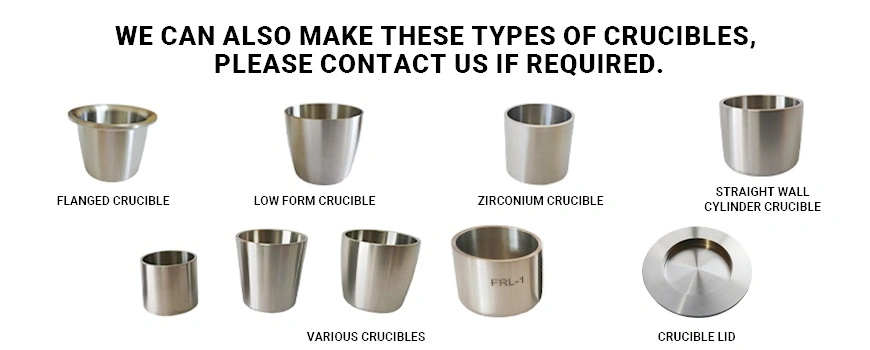
Standard crucible sizes range from small lab jars holding 10ml to big industrial containers holding more than several liters. The width of the wall affects both its thermal reaction and its mechanical strength. Thick walls are more durable, but they also make it harder for heat to move through them. You can choose a bottom shape that is flat, rounded, or angular, depending on your pouring and cleaning needs.
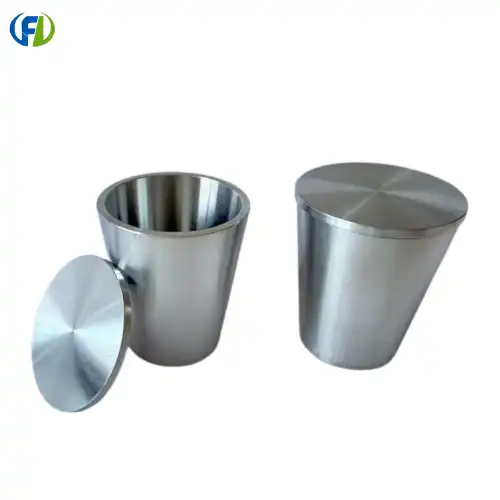
Custom fabrication lets you get specific sizes that fit current tools or meet the needs of a specific process. Precision machining suppliers can make vessels with tight specs that are needed for automatic handling systems. When processes need sealed atmospheres or to keep toxic fusion products inside during high-temperature operations, lid compatibility should be checked.
Evaluating Supplier Credentials and Support Services
Reputable makers keep certifications that show they follow quality control systems and can track materials. Having access to technical support helps answer questions about applications and find the best working conditions for different chemical settings. Suppliers who offer testing services for materials are very helpful during the initial approval process and when problems with performance come up out of the blue.
Delivery reliability is crucial for production planning, so the supplier’s track record must be considered. Companies with global distribution networks can ensure product availability and reasonable lead times. After-sales support, such as providing replacement parts and consulting on process improvements, adds value beyond the initial purchase and fosters long-term business relationships, making the 99% Purity Zirconium Crucible not only a critical tool but also a strategic investment.
Maintenance, Usage, and Best Practices for Maximizing Crucible Performance
Using the right techniques for handling and managing crucibles will greatly increase their useful life while keeping their performance level. Using regular methods will protect your investment and give you consistent results.
Storage and Handling Protocols
Crucibles should be kept in dry, clean places that aren't near anything that could break them. When you stack several vessels on top of each other, you need safe dividers to keep the surfaces from getting scratched, which could lead to stress concentration points. Metal tools that could cut the inside surface should not be allowed during handling, because damage to the protective oxide layer lowers chemical resistance.
Changing temperatures can affect how long something lasts. Gradual rates of heating and cooling lower thermal stress, especially when the protective oxide film is first put in place. Avoiding quick changes in temperature stops cracks from forming, which would finally lead to failure. Protective gloves keep hands clean by removing skin oils and keeping workers safe from leftover heat during handling after the process.
Cleaning and Residue Removal Techniques
Removing residues must find a balance between how well they work and how well they protect the material. Many fusing leftovers can be broken down by diluted acid solutions that don't damage the zirconium substrate. Using the right tools to scrape away stubborn layers mechanically works, but you should avoid using too much force. Some operators use thermal cleaning cycles to get rid of residues. These cycles use controlled temperatures to break down residues so that they can be easily removed by brushing.
When cleaned crucibles are looked at in good lighting, changes in the surface state show that the end of life is getting close. Surface roughening, discoloration patterns, or changes in size are all signs of wear that is happening over time. Keeping records of how often and what kind of cleaning is done helps come up with the best maintenance plans for the specific working conditions and chemical exposures that happen during normal operations.
Operational Guidelines for Safe Use
Operating methods should list the highest temperatures that can be used, making sure they are in line with the crucible's design specs and the chemicals being worked on. Zirconium can handle temperatures that are close to its melting point, but it is important to think about thermal expansion, oxidation kinetics, and safety gaps when setting realistic working limits. Controlling the atmosphere stops too much oxidation from happening during long periods of high temperature exposure, especially when working in air environments instead of inert gas environments.
Checking for chemical compatibility stops process materials from reacting in ways that were not expected. In most alkaline settings, zirconium is very resistant. However, sulfuric acid and acidic fluoride salts can be very damaging to the material when pushed too far. Keeping detailed process logs that record chemical exposures, temperatures, and cycle numbers helps with forecast maintenance and finding patterns of use that affect how long crucibles last.
Procurement Insights: Buying Reliable Zirconium Crucibles from Trusted Suppliers
Making strategic sourcing choices means weighing short-term cost concerns against long-term operating dependability. Understanding the factors that affect procurement lets you make the best use of your supply line for important products.
Understanding Pricing Structures and Volume Economics
The price of a 99% Purity Zirconium Crucible depends on the cost of the raw materials, how hard it is to make, and how much customization is needed. Base prices depend on the size and thickness of the tank walls. This is because bigger crucibles use more material and take longer to make. Due to setup costs and lower production efficiency, custom specs like odd sizes or finishes on the surface command higher prices.
At different quantity levels, volume deals become available, and yearly contract promises can save you a lot of money. Because they buy in bulk, distributors who work with more than one industry may be able to offer low prices. When comparing prices, you need to look at more than just the unit price. You need to look at the total acquisition cost, which includes shipping, import taxes, and payment terms.
Lead Times and Delivery Logistics
Standard crucible sizes from well-known makers usually ship within a few weeks. However, unique specs may mean that production times need to be longer. International sending takes longer and is more complicated. It is important to package items properly so they don't get damaged during travel. Different countries have different standards for import paperwork, which affects how long it takes to clear customs.
Setting safety stock levels strikes a balance between the costs of keeping goods and the risk of production interruptions caused by supply delays. For critical uses, keeping backup sources or larger inventory buffers may be necessary. Telling sellers about expected demand helps with better planning, production, and delivery, especially for custom goods that need to buy raw materials and have specialized machining done.
Certification Requirements and Quality Documentation
Material certifications should be required by procurement requirements. These should include studies on the material's chemical makeup, mechanical properties, and dimensions. Certificates of Conformance that show products meet ASTM standards help with quality management system needs and can be used to track products. Regulatory bodies in the aircraft and medicine industries often need supplier audit records that show controls over the manufacturing process.
Technical data sheets list the qualities of the material, the best way to use it, and any safety precautions that should be taken. They are important for correct application and user training. Suppliers who provide complete paperwork show that they are skilled and make the process of qualifying goods easier. Keeping organized records of source certifications makes regulatory checks and fixing problems that come up during the crucible service life easier.
Conclusion
Zirconium crucibles that don't corrode at high temperatures are an important investment for chemical processing jobs that need to be reliable, pure, and last a long time. Their great ability to withstand harsh alkaline conditions and their ability to stay stable at temperatures above 1800°C make up for the problems that other materials have. The self-healing oxide layer continuously protects and gets rid of the pollution worries that come with metal alternatives. There are economic benefits when service lives are stretched, upkeep needs are lessened, and process consistency is improved. The best performance is guaranteed by careful selection based on purity standards, size requirements, and source qualifications. Using the right methods for upkeep and handling increases the return on investment and keeps the uniform results needed for quality-critical uses in the pharmaceutical, analytical chemistry, and metalworking industries.
Frequently Asked Questions About Zirconium Crucibles
1. Can Zirconium Crucibles Be Used with All Chemical Compounds?
Zirconium crucibles work well with alkaline substances, liquid carbonates, peroxides, and hydrofluoric acid. However, they don't hold up well against sulfuric acid and some acidic fluoride fusions. Checking for compatibility with specific process chemicals stops mistakes that were not expected.
2. How Do Zirconium Crucibles Compare to Platinum Options?
It is much cheaper to use zirconium crucibles—usually only a fifth to a tenth of the price—but they work better in alkaline fusion situations. Platinum is still better in highly acidic, oxidizing conditions where zirconium doesn't work well.
3. How Long Should You Expect a Zirconium Crucible to Last?
When kept properly, the service life lasts hundreds of thermal cycles, which is much longer than ceramic options that break when exposed to sudden changes in temperature and nickel vessels that bend over time. How long something lasts depends on how it is used, what chemicals it is exposed to, and how it is handled.
4. Are Special Facilities Required for Using These Crucibles?
Zirconium crucibles can be used in regular high-temperature furnaces without any special changes. As with other methods of working with refractory metals, the most important safety requirements are good air and the right personal protective equipment.
Partner with Freelong for Your High-Purity Zirconium Crucible Requirements
Baoji Freelong New Material Technology Development creates 99% Purity Zirconium Crucible solutions that are perfect for harsh chemical manufacturing settings. Our factory is in China's Titanium Valley. It blends advanced mechanical knowledge with strict quality control procedures to make sure that every crucible meets ASTM B550 standards. We work with companies that make aerospace parts, chemicals, do research, and sell goods all over the world. These companies need stable material quality and quick expert help.
Our comprehensive capabilities include custom dimensional fabrication, accelerated production schedule, and full material approval paperwork, just a few of the many things we can do. We have been an experienced zirconium crucible manufacturer for a long time and have built ties with customers in Australia, Korea, Germany, the US, the UK, Malaysia, and the Middle East. Before being shipped, every vessel goes through ultrasonic testing and precise measurement proof. This is all part of our pledge to zero-tolerance quality standards.
Contact jenny@bjfreelong.com to talk about your unique application needs. Our technical team can help you choose the right crucible, set the best working settings, and do the best upkeep for your processing environment. We provide dependable supply chain performance at reasonable prices and with flexible minimum order numbers that can meet the needs of both small-scale study and large-scale production.
References
1. American Society for Testing and Materials. Standard Specification for Zirconium and Zirconium Alloy Ingots for Nuclear Application (ASTM B550-14). West Conshohocken: ASTM International, 2014.
2. Cox, B. "Corrosion of Zirconium Alloys." Shreir's Corrosion, Volume 3, edited by Tony Richardson. Oxford: Elsevier, 2010, pp. 1979-2004.
3. Gulbransen, E.A., and Andrew, K.F. "Oxidation of Zirconium Between 400° and 800°C." Journal of the Electrochemical Society, vol. 101, no. 3, 1954, pp. 128-135.
4. Liang, S.M., and Schmid-Fetzer, R. "Thermodynamic Assessment and Experimental Investigation of the Zirconium-Oxygen Binary System." Calphad, vol. 52, 2016, pp. 98-111.
5. Northcott, L. Zirconium: Metallurgy of the Rarer Metals. London: Butterworths Scientific Publications, 1956.
6. Richter, K., and Sari, C. "Phase Relationships in the Zr-O System at High Temperatures." Journal of Nuclear Materials, vol. 148, no. 3, 1987, pp. 266-271.

_1745201843292.webp)
_1745896715852.webp)
Learn about our latest products and discounts through SMS or email