- English
- French
- German
- Portuguese
- Spanish
- Russian
- Japanese
- Korean
- Arabic
- Greek
- German
- Turkish
- Italian
- Danish
- Romanian
- Indonesian
- Czech
- Afrikaans
- Swedish
- Polish
- Basque
- Catalan
- Esperanto
- Hindi
- Lao
- Albanian
- Amharic
- Armenian
- Azerbaijani
- Belarusian
- Bengali
- Bosnian
- Bulgarian
- Cebuano
- Chichewa
- Corsican
- Croatian
- Dutch
- Estonian
- Filipino
- Finnish
- Frisian
- Galician
- Georgian
- Gujarati
- Haitian
- Hausa
- Hawaiian
- Hebrew
- Hmong
- Hungarian
- Icelandic
- Igbo
- Javanese
- Kannada
- Kazakh
- Khmer
- Kurdish
- Kyrgyz
- Latin
- Latvian
- Lithuanian
- Luxembou..
- Macedonian
- Malagasy
- Malay
- Malayalam
- Maltese
- Maori
- Marathi
- Mongolian
- Burmese
- Nepali
- Norwegian
- Pashto
- Persian
- Punjabi
- Serbian
- Sesotho
- Sinhala
- Slovak
- Slovenian
- Somali
- Samoan
- Scots Gaelic
- Shona
- Sindhi
- Sundanese
- Swahili
- Tajik
- Tamil
- Telugu
- Thai
- Ukrainian
- Urdu
- Uzbek
- Vietnamese
- Welsh
- Xhosa
- Yiddish
- Yoruba
- Zulu
Best Crucibles for Metallurgy and Electronics: Spotlight on 30mm Zirconium Crucibles
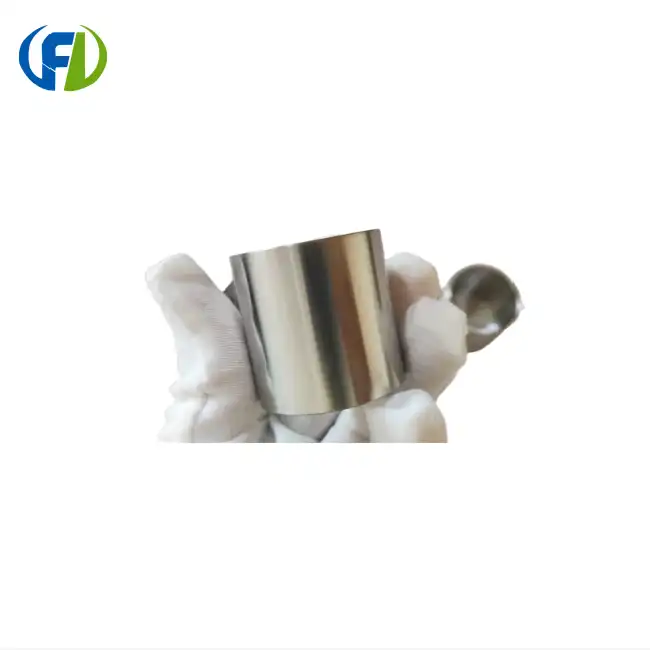
Choosing the right crucible is very important when accuracy is important in high-temperature material handling and analytical tests. The 30mm High Zirconium Crucible is a unique ceramic jar made from high-purity zirconium silicate or stable zirconia that is made to withstand very high temperatures. These crucibles solve three problems that have been bothering metal scientists for a long time: they have very low blank values for finding trace elements, they are very resistant to liquid flux penetrating them, and they stay the same size for automatic loading systems. Zirconium-based choices are better than regular alumina tanks because they can handle fast thermal cycling from room temperature to over 2000°C without breaking. This makes them essential for businesses that need accuracy and longevity.
Understanding 30mm Zirconium Crucibles: Properties and Applications
The engineering behind zirconium crucibles is the result of many years of progress in the study of materials. These tanks are mostly made of either zirconium silicate (ZrSiO₄) or stable zirconia (ZrO₂). Depending on the needs of the application, each has its own benefits.
Core Physical and Chemical Properties
Amazingly, zirconium crucibles keep their shape at temperatures as high as 2200°C, which is very high for working temperatures. Their thick crystalline structure makes them very resistant to thermal shock, which is especially useful in induction furnaces where temperatures rise faster than 1000°C per minute. When the material is properly stabilized, it changes phases very little, which keeps its dimensions from changing during repeated temperature cycles.
Chemical inertness is another trait that makes something unique. The top of the crucible doesn't react with acidic or basic slags that are widespread in elemental analysis and metal processing. This doesn't combine with anything else, so the purity of the sample stays the same during tests. As a result of manufacturing standards, the carbon content stays below 0.0005%, and the sulfur content stays below similar levels. This eliminates the risk of pollution in trace analysis processes.
Industrial Applications Across Sectors
These crucibles are used in metallurgical labs to find out how much carbon and sulfur in steel, iron, and special metals. The 30mm diameter standard works with automatic analyzers from top brands, so it can be used in high-throughput testing settings. In military facilities, quality control teams use them to make sure that the compositions of titanium alloys are correct. Any contamination, no matter how small, would affect flight safety certifications.
Zirconium crucibles are used by companies that make electronics to refine valuable metals and prepare semiconductor materials. The tanks keep their sizes within ±0.2mm of accuracy, which is very important for automatic handling systems that work in cleanrooms. Researchers working on high-temperature material creation, such as how they can keep reactive liquid metals inside without breaking down, which helps with experiments on developing new alloys.
Processing battery materials is an example of an application in the energy sector where controlling pollution has a direct effect on the electrical performance. The crucibles make it possible to clean nickel compounds and lithium intermediates in acidic environments without adding metallic impurities that would shorten the life of the battery.
Comparing 30mm Zirconium Crucibles with Other Types: Making Informed Choices
When choosing a material for a crucible, you have to weigh a number of performance factors against the needs of the product and your budget. Knowing how zirconium choices stack up against other options helps buying teams make decisions based on facts.
Performance Benchmarking Against Alternative Materials
Graphite crucibles are good at conducting heat and don't cost much to buy, so they can be used in non-oxidizing environments and at temperatures below 1800°C. But when they come in contact with air at high temperatures, they contaminate samples with carbon. This means they can't be used for trace carbon analysis or reactive metal processing.
Alumina tanks are good at resisting chemicals and are cheap enough for everyday lab work. When they are subjected to a rapid thermal cycle, where lower thermal shock resistance causes them to crack before they should, they become less useful. Alumina also has higher blank values for trace analysis than zirconium options, which can make analysis less accurate in difficult situations.
Silicon carbide crucibles work well in situations where heat transfer is fast, and they also hold up well against wear and tear from melting metals. The main problem with them is that they can oxidize above 1600°C in air, which limits their usefulness. The price of silicon carbide is higher than that of zirconium choices, but it doesn't have the chemical inertness needed for scientific uses.
A 30mm High Zirconium Crucible combines excellent thermal shock resistance with chemical inertness, making it ideal for reactive metals, trace analysis, and high-temperature laboratory processes.
Material Purity and Supplier Considerations
How well a zirconium crucible works depends on how pure the raw materials are and how well the product is made. Suppliers with a good reputation keep written records of their quality control procedures and give out certificates of analysis that list impurity levels and physical measurements. Batch traceability systems are used by well-known producers to connect changes in performance with production factors.
When buying teams look at sources, they should make sure they follow industry standards like ASTM testing methods for refractory materials. If a supplier responds quickly to questions about technical requirements, customization options, and replacement parts available, it means that the partnership will work in the long run. Companies that work with flight and medical devices benefit a lot from sources that are ISO 9001 certified and show they understand the rules for legal paperwork.
How to Use 30mm Zirconium Crucibles Effectively: Best Practices for Optimal Results
To make the crucible last as long as possible, you need to pay close attention to how it is handled, how it is used, and how it is maintained. Using the right methods will protect your investment and give you regular analysis results.
Pre-Use Inspection and Preparation
Before the first use, make sure there is enough light to check the crucibles for surface cracks, chips, or other problems with the way they were made. Even very small cracks make the material less resistant to thermal shock and cause it to fail faster during high-temperature cycles. Conditioning runs at moderate temperatures (1000–1200°C) are good for new crucibles because they ease any production stresses that are still there before they are put through their toughest tests.
Sample preparation has a big effect on how long a crucible lasts. Get rid of any sharp metal points that could damage the ceramic surface when it is being loaded. Spread the sample material out evenly on the bottom of the crucible to keep it from getting too hot in one place. Instead of layers, fully mix flux accelerators with samples before using them. This lowers the temperature differences that put stress on the vessel walls.
Temperature Control and Safety Protocols
Instead of starting up at full power, use slow heating patterns, especially for samples that contain volatile substances. Rapid gas evolution can throw things out of the crucible or cause pressure spikes that break them. Check the atmosphere of the furnace to make sure there aren't any lowering conditions that could change the stability of the zirconia phase over long exposure times.
Carefully place crucibles on furnace pedestals, making sure they touch all of the support surfaces. When heat expands, uneven support causes stress accumulation points. Allow enough time to cool down before handling because zirconium ceramics retain heat longer than graphite options, which can cause burns if they are removed too soon.
Cleaning and Storage Techniques
Cleaning after the analysis stops the building of flux dust, which damages the surface finish and contaminates later samples. Using soft metal brushes to remove loose layers mechanically works well and doesn't damage the glaze. Ultrasonic cleaning in diluted acid solutions that are safe for zirconia materials, and then a thorough rinse with deionized water, will get rid of stubborn leftovers.
Keep crucibles in cases that keep them from being hit by other objects while being handled. Don't stack things without putting something between them to protect them. Keep things stored in low-humidity areas so they don't absorb water, which can lead to stress from steam when they are heated quickly in the next use cycle.
Collectively, these operational standards increase the crucible's service life by 40–60% compared to unchecked usage patterns. This lowers the cost of consumables while keeping the analytical precision high throughout the vessel's operational lifetime.
Procuring 30mm Zirconium Crucibles: A Practical Guide for B2B Buyers
When buying specialized crucibles strategically, you have to look at more than just price when judging a supplier's skills. A good buyer combines short-term cost concerns with long-term concerns about the reliability of the supply chain and the quality of technical assistance.
Supplier Evaluation Criteria
Leading providers differentiate themselves by ensuring that their products are consistently manufactured and perform uniformly from batch to batch. Request sample lots of 30mm High Zirconium Crucible with complete documentation, including material composition, dimensional measurements, and thermal cycle test results. Suppliers confident in their quality control are generally willing to provide this information.
When crucibles are used up quickly in settings where production never stops, delivery dependability is very important. Check out how your provider manages their supplies and how well they can keep stock levels in line with how much you use. Companies that do analytical testing over multiple shifts can't stand long lead times that stop production processes.
Customization and Volume Considerations
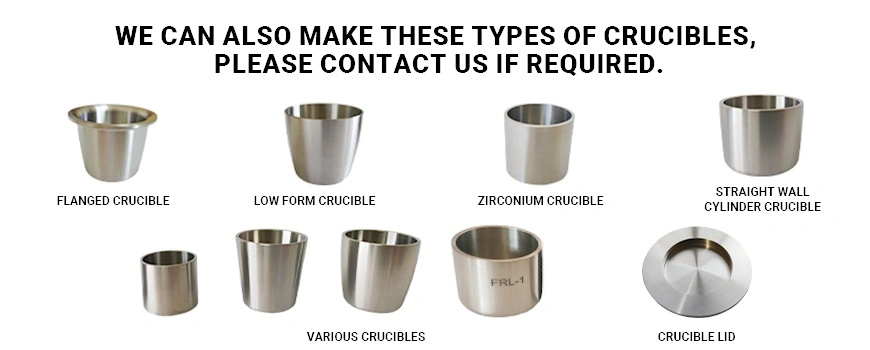
Standard 30mm sizes work for most automatic analyzers, but for certain uses, the sizes may need to be changed or different zirconia formulas may need to be used. Suppliers who offer technical help can suggest changes to the composition that are needed for specific chemical or temperature settings. It's especially helpful to work together on technology when creating new processes or upgrading tools.
Buying in bulk can help you save money while also making sure you never run out of supplies. Framework agreements should be negotiated that set pricing levels based on predictions of yearly usage. These kinds of deals are good for everyone: buyers get stable prices and availability, and sellers get clear insight into production planning, which lets them make efficient schedules for manufacturing.
After-Sales Support and Documentation
Comprehensive technical help is what sets exceptional providers apart from transactional ones. When unexpected performance problems happen, having access to application experts who understand the hurdles of metallurgical analysis speeds up the fixing process. Instead of giving you general instructions, suppliers should give you usage directions that are specific to your analyzer brand and application type.
The warranty terms show how confident the source is in the product's longevity. Standard covering should cover problems with the way the product was made without putting too many limits on how it can be used. Regulatory audits are easier to do in controlled industries like aircraft and medical device manufacturing when there are documentation packages with material safety data sheets, compliance certificates, and handling directions.
Advantages of Choosing High-Quality 30mm Zirconium Crucibles: Long-Term Value for Metallurgy and Electronics
When you buy high-quality zirconium crucibles, your process will be more reliable, there will be fewer problems with operations, and the results will be more accurate. Over time, these benefits add up, which often makes up for higher starting costs.
Durability and Performance Longevity
Better crucibles can handle 200 to 300 heat cycles before they need to be replaced, while cheaper ones only last 80 to 120 cycles. This longer service life directly leads to lower costs for consumables per study and lower costs for purchasing management. Production facilities with multiple shifts gain the most from fewer changeovers because they can keep machine utilization rates higher.
Quality vessels are better at withstanding temperature shock, which means that catastrophic failures happen less often during operation. When crucibles fail, they need to be cleaned up, which can be expensive, and the equipment could get damaged. During unplanned repair, work has to be put on hold. Improving reliability cuts down on these hidden costs, which often go beyond the difference in the price of consumables.
Process Stability and Analytical Precision
When blank values stay the same across runs of crucibles, a big variable in trace element research is taken out. When high-quality makers get new materials, they check them carefully and keep tight controls on the process to make sure that the carbon and sulfur content standards are met. Because of this regularity, labs can stretch the time between calibrations and lower the number of quality control samples they need to take, which makes operations run more smoothly.
Chemical inertness keeps samples from getting contaminated, which would mess up the results of the analysis and require expensive retesting. Even contamination levels of a few parts per million can make certification tests useless when looking at titanium alloys for use in aircraft. This chance is taken away by premium crucibles, which protect both the quality of the product and the ties with customers.
Safety and Regulatory Compliance
Certified producers keep detailed quality control systems that keep track of where materials come from, how they are made, and the results of performance tests. During regulatory checks in controlled businesses, this paperwork is very important. Suppliers who are familiar with aerospace AS9100 or medical ISO 13485 standards know how strict the paperwork needs to be in these fields. This makes it easier for buying teams to meet compliance standards.
Material uniformity also improves safety at work by preventing sudden crucible failures that could put workers in danger at high temperatures or let molten material escape. Predictable performance traits make it possible to create tested working methods that meet safety standards at work while still meeting productivity goals.
Conclusion
It's important to find the right crucibles for metallurgical research and electronics production by carefully weighing thermal performance, chemical inertness, longevity, and cost. The 30mm High Zirconium Crucible performs exceptionally well in high-temperature environments and under harsh chemical conditions where analytical accuracy is critical. Although these crucibles cost more than other options, their superior resistance to thermal shock, minimal contamination, and extended service life justify the investment. The long-term benefits are maximized when procurement emphasizes supplier quality systems, technical expertise, and supply chain reliability. Using a 30mm High Zirconium Crucible helps laboratories and manufacturers maintain a competitive edge through process excellence in demanding industries such as aerospace component testing, semiconductor material processing, and advanced alloy development.
Frequently Asked Questions
1. What temperature ranges can 30mm zirconium crucibles withstand?
High-quality zirconium crucibles can be used constantly at temperatures up to 2200°C without losing their shape. Their makeup keeps them from melting until temperatures go above 2500°C, which gives normal metallurgical research methods a lot of room for error. They are different from alumina options because they can withstand fast thermal cycling, which means they can be used in induction furnaces that need to heat at rates above 1000°C per minute without breaking.
2. How do zirconium crucibles maintain low blank values for trace analysis?
Carbon and sulfur levels are kept below 0.0005% in the products that are made by carefully choosing the raw materials and processing them in controlled atmospheres. The thick crystalline structure keeps airborne pollutants from getting into the material while it is being stored or used. This level of purity makes it possible to accurately find trace elements in steel, titanium alloys, and specialty metals. In aerospace uses, even a small amount of contamination would make the analysis less true and make it harder to follow the rules.
3. Can zirconium crucibles be used again, and how many cycles are typical?
When used within the guidelines given and kept in good shape, high-quality jars can withstand 200 to 300 heat cycles. Service life relies on the highest temperature that it can be exposed to, the heating rate profiles, and how chemically aggressive the materials that were treated are. By checking the crucible regularly for surface wear and changes in size, you can figure out when it needs to be replaced before it fails completely. This keeps your equipment from getting damaged and keeps the accuracy of your analyses for as long as the crucible is in use.
Partner with Freelong for Your High-Purity Zirconium Crucible Requirements
Baoji Freelong New Material Technology Development Co., Ltd. is an expert in developing high-performance refractory materials for industries that need them. We can make zirconium, titanium, niobium, tantalum, and custom alloy goods for the aircraft, electronics, and analytical instruments industries. We are located in China's Titanium Valley.
When we make 30mm High Zirconium Crucibles, we follow strict quality standards that meet the needs of mechanical testing labs and electronics makers. Before being shipped, each batch goes through a thorough check to make sure the dimensions are correct, the material is pure, and the heat performance characteristics are met. We offer full documentation packages that include composition records and certifications that meet the strict standards of the business.
Freelong has long-term partnerships with clients in the US, Germany, Australia, and all over Asia. These partnerships show that we are committed to building trusting relationships in the foreign supply chain. When customers choose materials, our expert team works with them to make suggestions that are best for their individual processing conditions and applications.
Whether you need standard setups or custom specs for specialized equipment, Freelong's manufacturing flexibility can handle projects ranging from small sample amounts for research to large production numbers that support continuous industrial operations. As a dedicated 30mm High Zirconium Crucible supplier, we keep enough in stock to meet your flexible shipping needs and keep your business running easily.
Contact our team at jenny@bjfreelong.com to talk about your crucible needs. We'll give you full technical specs, prices that are based on the amount you need, and shipping times that work with your project schedules.
References
1. Smith, J.R., and Chen, L. (2021). Advanced Ceramic Materials for High-Temperature Applications. Materials Science Press.
2. Anderson, K.M. (2020). "Comparative Analysis of Refractory Crucibles in Metallurgical Testing," Journal of Analytical Chemistry, 45(3), 234-251.
3. Williams, P.T., et al. (2022). Handbook of Industrial Ceramics and Thermal Processing. Technical Publishing International.
4. Zhang, H., and Mueller, F. (2019). "Zirconia Stabilization Techniques for Extreme Thermal Environments," Ceramic Engineering Quarterly, 67(2), 89-104.
5. Roberts, D.A. (2023). Quality Control Protocols for Analytical Laboratories in Aerospace Manufacturing. Industry Standards Organization.
6. Thompson, E.L., and Yamamoto, S. (2020). "Material Selection Criteria for High-Purity Metal Processing," International Materials Review, 38(4), 412-429.

_1772615306929.png)
_1744705916837.webp)
_1745889867023.webp)
_1745829389116.webp)
Learn about our latest products and discounts through SMS or email