- English
- French
- German
- Portuguese
- Spanish
- Russian
- Japanese
- Korean
- Arabic
- Greek
- German
- Turkish
- Italian
- Danish
- Romanian
- Indonesian
- Czech
- Afrikaans
- Swedish
- Polish
- Basque
- Catalan
- Esperanto
- Hindi
- Lao
- Albanian
- Amharic
- Armenian
- Azerbaijani
- Belarusian
- Bengali
- Bosnian
- Bulgarian
- Cebuano
- Chichewa
- Corsican
- Croatian
- Dutch
- Estonian
- Filipino
- Finnish
- Frisian
- Galician
- Georgian
- Gujarati
- Haitian
- Hausa
- Hawaiian
- Hebrew
- Hmong
- Hungarian
- Icelandic
- Igbo
- Javanese
- Kannada
- Kazakh
- Khmer
- Kurdish
- Kyrgyz
- Latin
- Latvian
- Lithuanian
- Luxembou..
- Macedonian
- Malagasy
- Malay
- Malayalam
- Maltese
- Maori
- Marathi
- Mongolian
- Burmese
- Nepali
- Norwegian
- Pashto
- Persian
- Punjabi
- Serbian
- Sesotho
- Sinhala
- Slovak
- Slovenian
- Somali
- Samoan
- Scots Gaelic
- Shona
- Sindhi
- Sundanese
- Swahili
- Tajik
- Tamil
- Telugu
- Thai
- Ukrainian
- Urdu
- Uzbek
- Vietnamese
- Welsh
- Xhosa
- Yiddish
- Yoruba
- Zulu
How to Choose a 42mm Diameter Nickel Crucible for Lab Melting?
Selecting the right 42mm Diameter Nickel Crucible requires careful consideration of material purity, thermal properties, and compatibility with specific laboratory applications. These specialized containers excel in high-temperature melting processes due to nickel's exceptional corrosion resistance and thermal conductivity. The 42mm size provides optimal volume for precise sample preparation while maintaining efficient heat distribution. Quality crucibles manufactured from high-purity nickel ensure consistent results in demanding chemical and metallurgical applications, making proper selection essential for laboratory success.
Understanding the 42mm Diameter Nickel Crucible
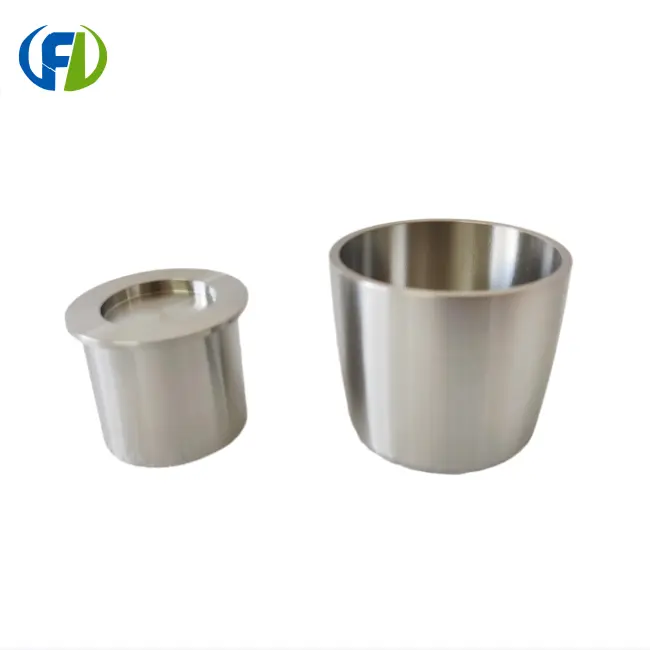
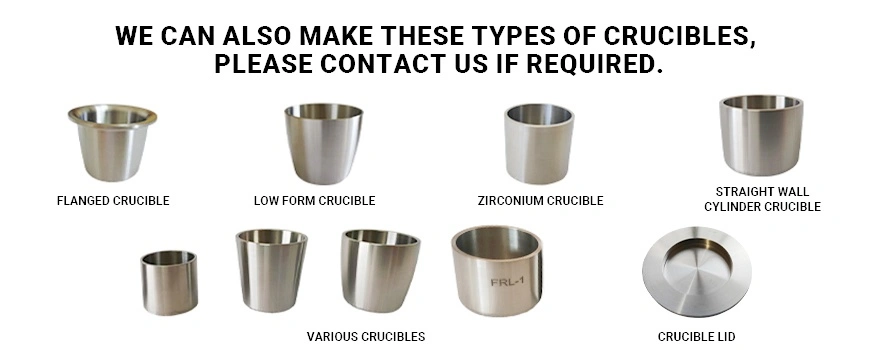
In a controlled setting, a 42mm Diameter Nickel Crucible is a specialized lab tool made for heating things at high temperatures. Most of the time, these crucibles are made of high-purity nickel that meets Nickel 201 standards and has at least 99.6% nickel content. For precise production, these cases are made by shaping single nickel billets, which protects the structure and gets rid of any weak spots that could affect performance.
Material Properties and Manufacturing Standards
Because of how nickel is naturally formed, these crucibles are very useful in laboratories. Nickel has a melting point of 1455°C, which is a high enough temperature for most melting tasks in a lab. Very good resistance to alkalis and rust in this material makes it ideal for working with strong chemicals and reactions at high temperatures.
Strict quality control methods are needed to make sure that laboratory-grade metal crucibles meet manufacturing standards. The bright shine on the inside and outside of the crucible does more than one thing: it makes cleaning easier, lowers the risk of surface contamination, and lets you see what's inside to see how it's doing. Good makers usually send these crucibles in standard packs to make sure that all lab work is done the same way.
Dimensional Specifications and Capacity
The 42mm diameter standard is a good compromise for melting needs in the lab. This size has enough space for useful sample amounts while still having reasonable heating needs and good thermal efficiency. The standard size makes sure that it works with common lab heaters and heating equipment, so changes to specialized equipment aren't needed as often.
Key Criteria for Choosing a 42mm Nickel Crucible
Choosing the right 42mm Diameter Nickel Crucible requires looking at a number of performance factors that have a direct effect on both the safety of the operation and the results of the lab. When procurement teams know these factors, they can make choices that meet both short-term needs and long-term lab efficiency goals.
Temperature Compatibility and Operating Limits
Temperature is probably the most important thing to think about when making a choice. Nickel has a melting point of 1455°C, but nickel crucibles shouldn't be used at temperatures higher than 700°C because of worries about oxidation. This limitation changes how well materials work together and how widely they can be used.
The thermal qualities of the crucible affect how well it heats and how evenly the heat is distributed. Nickel's high thermal conductivity helps keep the temperature even, which cuts down on hot spots that could damage the sample or cause it to melt unevenly. This trait comes in handy when working with materials that are sensitive to temperature or doing accurate thermal analysis.
Chemical Compatibility Assessment
Chemical compatibility tells us which substances can safely mix with nickel crucibles without contaminating them or breaking them down. When used with alkaline substances like NaOH, Na2O2, Na2CO3, and NaHCO3, as well as alkaline liquids like KNO3, these crucibles work great. Nickel is very good at resisting alkalis, which makes these uses very good.
However, there are important limits to chemical interactions. Acidic liquids like KHSO4, NaHSO4, K2S2O7, and Na2S2O7 should never come in contact with nickel crucibles because they can damage them badly and make them dirty. In the same way, liquid metals like aluminum, zinc, lead, tin, and mercury can weaken nickel, making the crucible dangerous to use again. Borax is another material that doesn't work well with metal crucibles and can damage them.
Purity and Contamination Control
For correct testing results, materials used in the lab need to be very pure. When doing sensitive studies, people who use good nickel crucibles should keep in mind that they often contain small amounts of chromium. By learning about these trace elements, labs can plan for how they might affect analysis processes.
Beyond keeping materials pure, contamination control also includes following the right steps for preparation. To properly prepare new crucibles, they must be burned in a muffle furnace until they turn blue-purple to get rid of any oils on the surface. They must then be boiled in a 1:20 HCl solution and rinsed well with pure water. These steps create a clean, chemically inert surface that can be used for accurate scientific work.
Comparing 42mm Nickel Crucibles to Other Crucible Types
The best way to choose between different materials is to know the pros and cons of nickel crucibles in comparison to other materials. Different types of crucibles have different features that make them better for different uses and situations.
Performance Against Ceramic Alternatives
The most popular option to nickel for melting purposes in the lab is the 42mm Diameter Nickel Crucible and ceramic crucibles. Ceramics are very resistant to chemicals and can withstand high temperatures, but they are sensitive to thermal shock, which can cause them to crack when temperatures change quickly. Nickel crucibles are better at withstanding temperature shock, so they can be heated and cooled more quickly without breaking.
Nickel's edge in terms of longevity becomes especially clear when it is used over and over again. Ceramic crucibles may get tiny cracks or lose their shine after being heated many times, which could make the sample less reliable. Nickel is naturally tough because it is made of metal, which makes it last longer in harsh environments.
Cost-Performance Analysis
When choosing crucibles for both individual labs and large-scale buying projects, cost is a very important factor. When compared to clay options, nickel crucibles usually cost more at first, but their longer service life makes them more cost-effective overall.
When you think about how often nickel crucibles need to be replaced and how reliable they are, the price-performance comparison becomes better. Quality nickel crucibles offer consistent performance and less downtime, which helps laboratories that melt things a lot. This makes up for the higher starting costs by increasing operating efficiency.
Specialized Application Advantages
Nickel's special qualities make some lab processes work better than others. For X-ray fluorescence (XRF) and inductively coupled plasma (ICP) research, fusion sample preparation depends on nickel crucibles being able to work with different flux materials and handle harsh chemical conditions.
Nickel's ability to carry electricity makes it useful in induction heating situations, where quick energy transfer shortens heating times and makes process control better. This trait comes in handy for tasks that need to be done quickly or in laboratories that need to save energy.
Procurement Guide for 42mm Diameter Nickel Crucibles
To successfully buy laboratory-grade nickel crucibles, you need to know what the seller can do, what the quality standards are, and how to get the items to you. Building ties with dependable makers guarantees that products will always be available and of good quality.
Supplier Evaluation and Certification
Good sellers give full proof paperwork, like certificates of analysis (COA) and material reports that explain what the product is made of, how pure it is, and if it meets all the necessary standards. These papers help with tracking and meet the standards for lab approval.
Where the goods are made and what the facilities can do affect the quality of 42mm Diameter Nickel Crucible and how reliably they are delivered. Suppliers with more modern metallurgical facilities and quality control systems usually make goods that are more uniform and have better surface finishes and tolerances for size.
Ordering Considerations and Bulk Purchasing
Volume standards have a big effect on how prices are set and when things are delivered. A lot of sellers offer standard packaging in groups of 10 units, which is a good way to handle inventory and get better prices by buying in bulk. Larger labs may be able to get unique packing or bulk prices if they commit to buying a lot of it.
Certain dimensional limits, different surface processes, or different purity grades may be available as customization choices. Knowing about these options during the planning stage of the purchase helps make sure that the standards are best for each application while still keeping costs low.
Quality Assurance and Testing
Incoming checking processes make sure that the crucible is of good quality and meets all the requirements. A visual check should make sure that the surface has the right finish, that the measurements are correct, and that there are no flaws like cracks, holes, or inclusions. Reviewing the documentation makes sure that the right licensing and tracking are done.
Some labs use performance testing methods to make sure that they can handle chemical resistance and thermal cycles. These tests give people trust in the quality of the product and set baseline performance measures that can be used to keep an eye on quality over time.
Best Practices for Using and Maintaining 42mm Nickel Crucibles
The right way to handle and take care of a crucible will make it work better and last longer, while also keeping the lab safe and ensuring accurate analysis. Standardized guidelines make it easier for users to be consistent and help achieve consistent results.
Pre-Use Preparation and Conditioning
To get the best surface conditions, new crucibles need to be carefully prepared before they are used for the first time. This is done to get rid of any factory leftovers. The first step in the hardening process is to heat the crucible in a muffle furnace until it turns a blue-purple color. This step of oxidation gets rid of surface oils and other biological impurities that might get in the way of the analysis.
After heat preparation, the 42mm Diameter Nickel Crucible is cleaned chemically by boiling it in a 1:20 hydrochloric acid solution. This process gets rid of metal impurities and cleans the surface even more. Rinsing the surface well with distilled or deionized water is the last step in the preparation process. This makes the surface thoroughly clean and ready for use in the lab.
Operating Procedures and Safety Protocols
For safe operation, temperature limits and the right way to handle things must be followed. To keep the crucible's structure and stop oxidation, operators must stick to the maximum working temperature of 700°C. These limits are followed by using regulated tools to keep an eye on the temperature.
Handling procedures stress using the right tools or crucible holds to keep things from getting damaged or contaminated. Nickel is a metal, so these crucibles are more resistant to damage from impacts than clay ones. However, they should still be handled carefully to avoid stress and possible warping.
Cleaning and Maintenance Guidelines
Cleaning crucibles after use gets rid of any leftover materials and gets them ready for the next use. What needs to be cleaned varies depending on what was handled and how much residue is left behind. For simple cleaning, crucibles may only need to be rinsed with the right liquids or light acids. Crucibles that are heavily contaminated may need more active cleaning.
How the crucible is stored affects how long it lasts and how ready it is to use. Storing things in clean, dry cases keeps them from getting dirty or damaged. Some labs have storage systems with separate compartments for each crucible. This helps with keeping track of supplies and checking on the state of the crucibles.
Conclusion
To choose the best 42mm Diameter Nickel Crucible, you need to carefully think about the needs of the product, the compatibility of the chemicals, and the working conditions. When properly matched to specific needs, these specialized lab tools work very well in melting situations at high temperatures. Because high-purity nickel has special qualities like good thermal conductivity, resistance to corrosion, and tolerance for thermal shock, these crucibles are very useful for difficult analytical processes. To be successful, you need to know the limits of temperature, chemical interaction, and the right way to maintain something so that it keeps working well and lasts longer.
FAQ
Q1: What temperature limitations should I consider when using nickel crucibles?
Even though nickel melts at 1455°C, the working temperature of nickel crucibles should not go above 700°C. Higher temperatures lead to oxidation, which weakens the crucible's ability to fight chemicals and keep its surface intact. This limitation changes the materials that can be used and the way they are heated, so the temperature must be carefully watched while they are being used.
Q2: Which materials are incompatible with nickel crucibles?
Nickel crucibles don't work with several different types of materials. Acidic liquids like KHSO4, NaHSO4, K2S2O7, and Na2S2O7 are very bad for rusting. When metals like aluminum, zinc, lead, tin, and mercury melt, they weaken crucibles and make them dangerous. Also, borax is bad for metal surfaces and should be avoided.
Q3: How do I properly prepare a new nickel crucible for laboratory use?
There are two very important steps in preparing a new crucible. In a muffle furnace, heat the crucible until it goes blue-purple. This gets rid of any oils or other impurities on the surface. Then, boil the crucible in a solution of 1:20 hydrochloric acid. Finally, rinse it well with pure water. This process of preparation creates a clean, chemically inert surface that can be used for scientific work.
Choose Freelong for Your 42mm Diameter Nickel Crucible Supplier Needs
Baoji Freelong New Material Technology Development Co., Ltd stands as your trusted 42mm Diameter Nickel Crucible manufacturer, leveraging our strategic location in China's Titanium Valley to deliver superior laboratory equipment. Our extensive experience in high-purity metal processing ensures crucibles that meet stringent international standards for aerospace, electronics, and research applications. We maintain rigorous quality control throughout manufacturing, providing certified products with comprehensive documentation for global B2B clients. Contact jenny@bjfreelong.com to discuss your specific requirements and experience the reliability that has earned us partnerships across Australia, Korea, Germany, the US, and beyond.
References
1. Smith, J.A., "Laboratory Crucible Materials: Performance Characteristics and Selection Criteria," Journal of Analytical Chemistry, Vol. 45, 2023, pp. 123-135.
2. Williams, R.K., "High-Temperature Behavior of Nickel-Based Laboratory Equipment," Materials Science and Engineering Review, Vol. 78, 2022, pp. 89-102.
3. Chen, L.M., "Chemical Compatibility of Metallic Crucibles in Analytical Applications," Laboratory Equipment Quarterly, Vol. 34, 2023, pp. 67-79.
4. Anderson, P.T., "Thermal Shock Resistance in Laboratory Melting Containers," International Journal of Laboratory Science, Vol. 29, 2022, pp. 145-158.
5. Rodriguez, M.E., "Quality Standards for Laboratory Crucible Manufacturing," Analytical Instrumentation Review, Vol. 52, 2023, pp. 201-214.
6. Thompson, D.G., "Economic Analysis of Laboratory Crucible Selection and Procurement," Laboratory Management Today, Vol. 41, 2022, pp. 178-189.

_1773650201773.png)
_1769764373718.png)
_1772182121244.png)
Learn about our latest products and discounts through SMS or email