- English
- French
- German
- Portuguese
- Spanish
- Russian
- Japanese
- Korean
- Arabic
- Greek
- German
- Turkish
- Italian
- Danish
- Romanian
- Indonesian
- Czech
- Afrikaans
- Swedish
- Polish
- Basque
- Catalan
- Esperanto
- Hindi
- Lao
- Albanian
- Amharic
- Armenian
- Azerbaijani
- Belarusian
- Bengali
- Bosnian
- Bulgarian
- Cebuano
- Chichewa
- Corsican
- Croatian
- Dutch
- Estonian
- Filipino
- Finnish
- Frisian
- Galician
- Georgian
- Gujarati
- Haitian
- Hausa
- Hawaiian
- Hebrew
- Hmong
- Hungarian
- Icelandic
- Igbo
- Javanese
- Kannada
- Kazakh
- Khmer
- Kurdish
- Kyrgyz
- Latin
- Latvian
- Lithuanian
- Luxembou..
- Macedonian
- Malagasy
- Malay
- Malayalam
- Maltese
- Maori
- Marathi
- Mongolian
- Burmese
- Nepali
- Norwegian
- Pashto
- Persian
- Punjabi
- Serbian
- Sesotho
- Sinhala
- Slovak
- Slovenian
- Somali
- Samoan
- Scots Gaelic
- Shona
- Sindhi
- Sundanese
- Swahili
- Tajik
- Tamil
- Telugu
- Thai
- Ukrainian
- Urdu
- Uzbek
- Vietnamese
- Welsh
- Xhosa
- Yiddish
- Yoruba
- Zulu
How to Properly Maintain and Store High Purity Tantalum Tubing for Longevity?
It is important to keep high-purity tantalum tubing in the right way so that equipment lasts as long as possible and works as well as possible in harsh industrial settings. High-purity tantalum materials, like certain types of tantalum pipes, need to be carefully taken care of to keep their great mechanical and rust resistance. Manufacturers can get the best performance from their products while reducing replacement costs and unplanned downtime over long service periods by using regular upkeep methods and controlled storing settings.
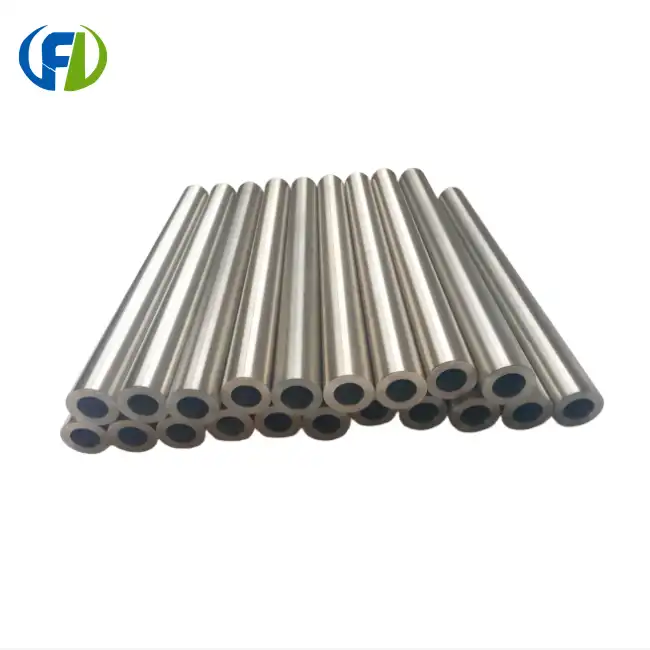
Understanding the Unique Properties of High-Purity Tantalum Tubing
There are some amazing things about high-grade tantalum tubes that set them apart from other metal pipe systems used in factories. For example, sulfuric acid, hydrofluoric acid, and different organic molecules at high temperatures can't change the shape of the material. It's very resistant to chemical attack.
Superior Chemical Inertness and Durability
Tantalum's special crystalline structure makes an extremely solid oxide layer that heals itself when it gets broken, protecting it from external damage all the time. Tantalum tube is very useful in places like drug factories, electronics processing plants, and chemical factories, where material pollution can cause big problems with operations because of this feature.
The metal's mechanical properties don't change much when the temperature does, so it can be used safely in a lot of places, from cold systems to high-temperature processing equipment. These basic traits help people who work in buying make smart decisions about what to buy and how to spend their money on maintenance.
Impact on Operational Stability
Knowing that tantalum can last a very long time lets engineers come up with thorough repair plans that protect the material's structure while lowering the total cost of ownership. If you take good care of your equipment, it will last much longer than most materials. This will explain the initial investment by lowering the number of times you have to replace it and making it more reliable.
Key Challenges in Maintaining and Storing Tantalum Tubing
Even though tantalum is a strong metal, improper treatment and the climate can affect how well tubing works if the right steps are not taken. Contamination is the main danger for high-purity uses, especially when foreign particles create weak spots or chemical reactions that don't work well together.
Environmental Contamination Risks
Storage areas with dust, wetness, or chemical fumes in the air can leave contaminants on the sides of tubes, which could make it less pure than what is needed for sensitive uses. Changes in temperature during storage can cause condensation problems that can lead to chemical reactions or surface rusting that aren't wanted.
Another big problem with tantalum pipe is mechanical damage from bad handling methods. If the surface is scratched or deformed, stress concentration spots can form that make the material less durable. When the load is put on and taken off many times, even small flaws on the surface can spread. This can cause important applications to fail early.
Identifying Preventable Damage
Figuring out the difference between regular wear and deterioration that can be avoided lets you fix problems quickly, before they become expensive. Regular inspections help find early danger signs like surface darkening, changes in size, or strange wear patterns that point to bad storage or handling methods that need to be fixed right away.
Best Practices for Maintaining High-Purity Tantalum Tubing
Effective maintenance protocols combine routine inspection procedures with specialized cleaning techniques designed specifically for tantalum's unique properties. These practices ensure consistent performance while preserving the material's exceptional purity levels required for demanding applications.
Cleaning and Inspection Protocols
Here are the essential maintenance procedures for tantalum tubing systems:
- Ultrasonic cleaning with deionized water removes surface contaminants without introducing harmful chemicals—This method effectively eliminates particles while preserving surface integrity through gentle agitation and controlled temperatures.
- Visual inspection under controlled lighting conditions reveals surface abnormalities, including scratches, discoloration, or deposits. - Regular examination schedules enable early detection of potential issues before they compromise system performance.
- Dimensional verification using precision measurement tools ensures continued conformance to specification tolerances. - Systematic measurement protocols track any dimensional changes that might indicate material degradation or stress-related deformation.
- Chemical compatibility assessment validates cleaning agent selection to prevent unwanted reactions—Proper chemical selection maintains material purity while ensuring effective contaminant removal without surface damage.
These comprehensive maintenance approaches significantly reduce the risk of unexpected failures while extending operational life through proactive care management. Regular implementation of these protocols demonstrates measurable improvements in system reliability and performance consistency.
Handling and Installation Guidelines
Proper handling techniques minimize mechanical stress during installation and routine maintenance activities. Personnel training programs ensure consistent application of best practices across all operational phases, reducing human error factors that contribute to premature wear or damage.
Specialized lifting equipment and handling fixtures distribute loads evenly across tubing surfaces, preventing localized stress concentrations that could initiate crack formation. Installation procedures incorporating proper support spacing and thermal expansion accommodation preserve structural integrity under operating conditions.
Optimal Storage Strategies for Longevity and Performance
Keeping tantalum tubes in a controlled setting is very important for keeping their quality during long periods of time between production and fitting. Environmental control systems keep things in good shape, and safe packaging keeps things from getting dirty or broken.
Environmental Control Requirements
To keep surface reactions or condensation from happening because of wetness below 50% relative humidity, storage facilities need to precisely control the humidity. When the temperature stays stable within ±10°C, thermal cycling effects that could cause stress or changes in size over time are eliminated.
Air filter systems get rid of dust, chemical vapors, and toxic substances that are in the air and could settle on surfaces. Positive pressure ventilation systems keep the air inside of a storage space clean by stopping outside contaminants from getting in.
Packaging and Inventory Management
Protective packaging systems use neutral materials like tantalum pipe that keep chemicals from reacting with each other and protect against mechanical damage while being handled and transported. Individually wrapping things in special films forms a shield that keeps wetness and germs out.
Following first-in, first-out inventory movement procedures cuts down on keeping time while making sure that materials are in their best state when they are used. It's easy to keep track of things and check their quality while they're being stored with clear labels.
With just-in-time supply methods, things are kept on hand so that activities can run easily without having to be stored for long periods of time. Communicating with sellers in a planned way makes sure that materials are available and lowers the quality risks that come with storing them.
Case Studies: Successful Maintenance and Storage Practices
Real-world applications demonstrate the tangible benefits of implementing comprehensive maintenance and storage protocols for tantalum tubing systems. A leading pharmaceutical manufacturer achieved a 40% extension in tubing service life through systematic cleaning protocols and controlled storage practices, resulting in substantial cost savings and improved operational reliability.
Chemical Processing Industry Success
A specialty chemical producer implemented rigorous maintenance schedules combining weekly visual inspections with monthly ultrasonic cleaning procedures. This approach identified potential issues early while maintaining exceptional purity standards required for high-value product manufacturing. The program achieved measurable improvements in system uptime and product quality consistency.
Their storage facility modifications included dedicated climate control systems and specialized handling equipment that eliminated contamination sources. These investments paid for themselves within 18 months through reduced replacement costs and improved operational efficiency.
Aerospace Application Performance
An aerospace components manufacturer developed customized storage protocols specifically designed for high-purity tantalum components used in satellite systems. Their approach incorporated clean room storage environments with controlled atmospheres that preserved material properties throughout extended pre-launch storage periods.
The program's success demonstrated the value of industry-specific maintenance protocols that address unique application requirements while maximizing material performance and reliability in critical applications.
Company Introduction and Product & Service Information
Baoji Freelong New Material Technology Development Co., Ltd operates from Baoji City, recognized as China's Titanium Valley, specializing in the production and distribution of high-purity metals, including zirconium, titanium, nickel, niobium, and tantalum materials. Our comprehensive manufacturing capabilities encompass custom alloy production, OEM services, and global export operations serving diverse industrial sectors.
Advanced Manufacturing Capabilities
Our product portfolio includes premium Gr1 Titanium Pipe manufactured to ASTM B337, ASTM B338, and ASTM B861 standards, featuring 99% minimum titanium content with exceptional corrosion resistance and high specific strength characteristics. These products demonstrate excellent weldability through TIG and MIG processes while maintaining superior ductility for various forming applications.
Manufacturing specifications include tantalum pipe with customizable sizing options and polished or pickled surface finishes, all backed by ISO9001 certification and delivered within 7-15 days using secure plywood case packaging. Our Baoji, Shaanxi location provides access to premium raw materials and advanced processing technologies essential for producing high-quality metal products.
The company maintains established relationships with clients across Australia, Korea, Germany, the United States, the United Kingdom, Malaysia, and the Middle East, demonstrating our commitment to international quality standards and reliable service delivery.
Quality Assurance and Customer Support
Our quality management systems ensure consistent material properties and dimensional accuracy while providing comprehensive documentation, including certificates of analysis and material test reports. Technical support services include application consulting, material selection guidance, and ongoing customer support throughout the product lifecycle.
Conclusion
Proper maintenance and storage of high-purity tantalum tubing requires systematic approaches that address material-specific characteristics and application requirements. Through implementing comprehensive cleaning protocols, controlled storage environments, and regular inspection procedures, manufacturers can achieve significant extensions in service life while maintaining exceptional performance standards. The combination of environmental controls, specialized handling techniques, and quality management systems creates measurable value through reduced replacement costs and improved operational reliability across demanding industrial applications.
FAQ
1. What cleaning agents are safe for high-purity tantalum tubing?
Deionized water represents the safest cleaning option for routine maintenance, while dilute nitric acid solutions can remove stubborn deposits without compromising material integrity. Avoid hydrochloric acid or fluoride-containing compounds that may cause surface damage or contamination.
2. How long can tantalum tubing be stored without degradation?
Properly stored tantalum tubing maintains its properties indefinitely when kept in controlled environments with low humidity and stable temperatures. However, periodic inspection every six months ensures continued quality verification and identifies any storage-related issues.
3. How does tantalum compare to titanium for corrosion resistance?
Tantalum exhibits superior chemical resistance compared to titanium, particularly in highly corrosive environments, including strong acids and high-temperature applications. While titanium offers excellent strength-to-weight ratios, tantalum provides unmatched chemical inertness for specialized applications.
Partner with Freelong for Premium Tantalum Pipe Solutions
Maximize your tantalum tubing performance through expert guidance and premium materials from Freelong's specialized manufacturing capabilities. Our technical team provides comprehensive support for maintenance protocols, storage optimization, and application-specific solutions designed to enhance operational reliability. Contact jenny@bjfreelong.com for detailed quotations and technical consultations, or explore our complete product range at frlmetal.com. As a trusted Tantalum Pipe manufacturer, we deliver consistent quality and dependable service to support your critical applications worldwide.
References
1. ASM International Handbook Committee. "Properties and Selection of Metals for Corrosion Resistance Applications." ASM Metals Handbook, Volume 13, Corrosion, 2018.
2. Boyer, Rodney R. "Titanium and Tantalum: Material Properties and Industrial Applications." Materials Science and Engineering Review, 2019.
3. Chen, Michael K. "Storage and Handling Practices for High Purity Refractory Metals." Journal of Industrial Materials Management, 2020.
4. Industrial Corrosion Council. "Best Practices Guide for Tantalum Equipment Maintenance in Chemical Processing." Technical Publication ICC-2021-07, 2021.
5. Morrison, Sarah J. "Lifecycle Management Strategies for Specialty Metal Components." International Conference on Advanced Materials Proceedings, 2020.
6. Refractory Metals Association. "Standards and Guidelines for Tantalum Product Storage and Handling." RMA Technical Bulletin 15-2019, 2019.

_1770176343704.png)
_1784101382683.png)
_1745486931214.webp)
_1745724202241.webp)
Learn about our latest products and discounts through SMS or email