- English
- French
- German
- Portuguese
- Spanish
- Russian
- Japanese
- Korean
- Arabic
- Greek
- German
- Turkish
- Italian
- Danish
- Romanian
- Indonesian
- Czech
- Afrikaans
- Swedish
- Polish
- Basque
- Catalan
- Esperanto
- Hindi
- Lao
- Albanian
- Amharic
- Armenian
- Azerbaijani
- Belarusian
- Bengali
- Bosnian
- Bulgarian
- Cebuano
- Chichewa
- Corsican
- Croatian
- Dutch
- Estonian
- Filipino
- Finnish
- Frisian
- Galician
- Georgian
- Gujarati
- Haitian
- Hausa
- Hawaiian
- Hebrew
- Hmong
- Hungarian
- Icelandic
- Igbo
- Javanese
- Kannada
- Kazakh
- Khmer
- Kurdish
- Kyrgyz
- Latin
- Latvian
- Lithuanian
- Luxembou..
- Macedonian
- Malagasy
- Malay
- Malayalam
- Maltese
- Maori
- Marathi
- Mongolian
- Burmese
- Nepali
- Norwegian
- Pashto
- Persian
- Punjabi
- Serbian
- Sesotho
- Sinhala
- Slovak
- Slovenian
- Somali
- Samoan
- Scots Gaelic
- Shona
- Sindhi
- Sundanese
- Swahili
- Tajik
- Tamil
- Telugu
- Thai
- Ukrainian
- Urdu
- Uzbek
- Vietnamese
- Welsh
- Xhosa
- Yiddish
- Yoruba
- Zulu
How to Properly Use and Maintain Your Straight Zirconia Crucible for Maximum Durability?
For your straight zirconia crucible to last as long as possible, you need to know how to use it correctly and keep up with regular upkeep. These high-performance tanks are made from quality zirconium dioxide and offer great thermal stability up to 1900°C while keeping their structural integrity in tough industrial settings. When used properly and regularly kept, zirconia crucibles have longer useful lives. This lowers costs and ensures reliable performance in research, electronics, and the aerospace industry. This detailed guide explains the most important things you can do to make your crucible last longer and get the most out of your purchase.
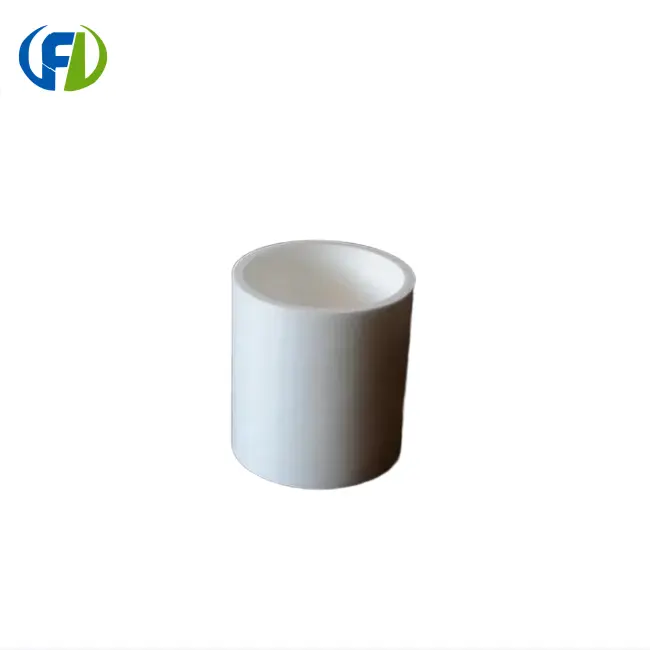
Understanding Straight Zirconia Crucibles: Properties and Benefits
When it comes to high-temperature lab and factory tools, straight zirconia crucibles are the pinnacle of engineering excellence. High-purity zirconium dioxide, a ceramic material known for its great thermal qualities and chemical protection, is used to make these specialised jars.
Manufacturing Excellence and Structural Design
Advanced melting methods and careful monitoring of the purity of the raw materials are used to make high-quality zirconia crucibles. Careful handling of high-grade zirconium dioxide gets rid of any flaws that might make it less effective at high temperatures. The straight-wall form makes the best use of space while keeping the structure stable when temperatures rise.
Manufacturing plants use complex quality control methods to make sure that the dimensions are correct and the surface finish is always the same. Each crucible goes through a lot of tests to make sure it can handle temperature shock and is chemically neutral. The result is a tank that was carefully designed and built to survive the tough conditions of modern industrial processes.
Superior Material Properties
Traditional materials like alumina, graphite, and quartz are not as good as zirconia crucibles. Zirconia is better at withstanding temperature shock than most ceramics, so it can be heated and cooled quickly without micro-cracking. This feature is very useful in situations where the temperature needs to change often.
Chemical inertness is another important benefit. Zirconia doesn't combine much with molten metals, acids, or bases, so it doesn't get contaminated in ways that could make the result less pure. Because of this, straight zirconia crucibles are needed for developing aircraft alloys and refining valuable metals.
Many other materials aren't as strong as zirconia, which makes it less likely to break when it's being handled or used. When combined with its high heat conductivity, these features make it a perfect base for high-temperature processing.
Best Practices for Using Straight Zirconia Crucibles
For the furnace to work at its best, operators must follow set rules and pay close attention to how it is handled. Understanding these practices keeps tools from breaking down too soon and makes them last as long as possible.
Pre-Operation Inspection and Preparation
The crucible surface should be carefully looked over at the start of every operating run. Check the inside and outside walls for tiny cracks, chips, or stains that could mean the structure is weak. Pay close attention to the rim area because that's where most of the handling stress is.
Pre-heating steps are very important for preventing thermal shock damage from happening. Gradual temperature rising lets the material in the crucible grow evenly, so there aren't any stress concentrations in one place. Best practices in the industry say that during the initial warmup steps, heating rates shouldn't go above 5°C per minute.
Placing things correctly inside furnace rooms makes sure that heat is spread evenly and stops hot spots that could cause warming in one area. Place the crucible away from the heat and make sure there is enough space around it for it to expand when it gets hot.
Temperature Management and Thermal Cycling
Here are the most important rules for managing temps that will ensure the best crucible performance:
- Temperature ramp rates that can be controlled: Keep temperature rises slow to avoid thermal shock, usually no more than 10°C per minute.
- Operating temperature limits: Follow the manufacturer's instructions and keep the temperature between 1700°C and 1900°C for continued use.
- Guidelines for cooling: Let natural cooling happen as much as possible and stay away from forced air cooling that creates temperature differences.
- Hold time optimisation: Limit the time that something is exposed to the highest temperatures to lower the overall thermal stress.
These methods for managing temperature make crucibles last a lot longer while keeping the process reliable. When heat cycling is done correctly, microcracks don't form that could spread and cause catastrophic failure during important operations.
Common Usage Mistakes to Avoid
Several operating mistakes can drastically shorten the life of a crucible and affect the results of a process. One of the worst things that can be done is rapid temperature cycling, which creates internal pressures that build up over time. In the same way, going above and beyond the suggested temperature range can change the structure of the zirconia matrix.
Another big risk is coming into contact with things that don't work well together. At high temperatures, some chemicals and liquid metals can mix with zirconia, which can damage the surface and make it dirty. Before adding new substances to the furnace, look at charts that show how well they will mix with other materials.
Many early failures are caused by mechanical shocks that happen during handling. Using the right lifting methods and avoiding damage from impacts saves the structure of the crucible and keeps its dimensions.
How to Maintain and Clean Your Straight Zirconia Crucible?
Following regular care procedures will keep the crucible working well and make it last a lot longer than normal use. Setting up regular cleaning and inspection schedules stops pollution from building up and finds possible problems before they become major.
Effective Cleaning Methodologies
Cleaning up after the process starts as soon as the crucible is at a safe temperature for handling. To keep the surface from getting scratched, use non-metallic tools to get rid of loose dirt and leftover materials. For tough layers, plastic or ceramic scrapers work well and won't damage the zirconia surface.
It is important to be careful when choosing chemical cleaners so that they don't mix with the crucible material. Mild acid treatments, like diluted hydrochloric or nitric acid, can remove metal residues from zirconia without damaging it. Strong alkaline solutions can damage the surface over time, so stay away from them.
Ultrasonic cleaning is a great way to get rid of tiny dirt and grime from surface cracks. Use the right cleaning products and low power settings to keep the machine from breaking down and get rid of all the dirt and grime.
Stubborn Residue Removal Techniques
For stubborn deposits to be removed, you need to use specific methods that combine efficiency with material protection. At mild temperatures, thermal cleaning processes can break down organic residues without putting too much stress on the structure of the crucible. Slowly heat the infected crucible to between 600°C and 800°C, and keep it at that temperature until all the layers are gone.
Soft abrasives should be the only ones used in mechanical cleaning methods. Surface stains can be removed with fine aluminium oxide powder or diamond paste that doesn't leave deep cuts. To avoid directed scoring patterns, use circular strokes and little pressure.
Chemical soaking is a good way to get rid of mineral layers and metal films. Long-term contact with the right liquids breaks down tough contaminants while protecting the quality of the surface finish. After chemical treatment, make sure that the substance is completely neutralised to avoid any leftover reaction.
Storage and Handling Protocols
Here are the most important things you should do to store your crucible so that it stays in good shape when it's not being used:
- Controlling moisture: Keep crucibles in dry places to keep them from getting too hot when they're being heated.
- Stable temperature: Don't store things in places where the temperature changes quickly, as this could cause heat stress.
- Physical protection: To keep things from breaking while they're being stored, use padding cases or protective wrapping.
- Chemical isolation: Keep crucibles away from toxic gases and chemicals that react with metals and could damage the surface.
When crucibles are stored properly, they don't break down while they're not being used, so they are always ready to be used. Controlling the environment is especially important in wet places where moisture absorption could hurt the performance of heat systems.
Troubleshooting and Enhancing Crucible Durability
Knowing how common failures happen lets managers use preventative measures that make crucibles last longer and work more reliably. Systematic ways of debugging find the root causes and help with fixing things.
Common Degradation Patterns and Analysis
The most common way that straight zirconia crucibles break is through thermal cracking, which is usually caused by heating them too quickly or changing the temperature too quickly. These cracks generally start where there is a lot of stress and spread through the material as it is heated up over and over again. When you look at the cracks, you can see trends that help you figure out what's wrong.
Surface pollution shows up as spots, staining, or chemical attack patterns. There are different surface signatures that different contaminants leave behind that help find the source material and guide avoidance tactics. Spectroscopic research can confirm the type of pollution and help with cleaning up.
Chips, spalls, or impact cracks are signs of mechanical damage that are most common at handle points. This kind of damage usually happens when the right steps aren't regularly taken during loading, removing, or cleaning.
Repair Versus Replacement Decisions
When deciding whether to fix or replace a broken crucible, cost is the main factor. Intensive cleaning methods can often get rid of minor surface contamination, returning function at a low cost. However, damage to the structure, such as through-wall cracks, usually means that the whole thing needs to be replaced.
Surface cracks that are only a hair wide may stay stable under controlled working conditions, allowing the product to be used again with closer tracking. Write down the locations and sizes of cracks so that you can keep track of how fast they spread and plan replacements before they cause a catastrophic failure.
A cost study should look at not only the cost of repair, but also the risks of contamination and process downtime that come with a crucible breaking down during important operations.
Supplier Partnership and Quality Assurance
Building ties with trustworthy straight zirconia crucible manufacturers guarantees access to high-quality goods and expert help. Suppliers who are good at what they do give you a lot of information, like material certificates, dimensional specs, and suggested working parameters.
Quality control and manufacturing accuracy are checked by regular checks of suppliers. This monitoring helps keep the reliability of the product high and find possible problems before they affect processes. Working together often leads to unique solutions that meet the needs of a particular application.
Selecting and Procuring the Right Straight Zirconia Crucible for Your Needs
When making strategic buying choices, it's important to weigh performance needs against cost concerns while also making sure that the supply chain is managed reliably. Knowing the options that are available and what the provider can do lets you make the best choice for your needs.
Material Comparison and Performance Analysis
When used at high temperatures, zirconia crucibles are clearly better than other materials. Zirconia crucibles are better at withstanding heat shock and chemicals than alumina crucibles. Even though alumina is cheaper at first, zirconia usually has a lower total cost of ownership because it lasts longer.
Graphite crucibles are great for melting some metals, but they aren't chemically resistant enough for explosive materials. Even though platinum crucibles are very chemically neutral, they are too expensive for most uses. Quartz and fused silica crucibles work well at normal temperatures, but they aren't strong enough to handle very high temperatures.
Zirconia is the best material for tough industrial processes that need to be reliable because it is stable at high temperatures, doesn't react with chemicals, and is very strong mechanically.
Procurement Considerations and Specifications
Here are the most important things that determine the outcome of the crucible choosing and procurement:
- Dimensional requirements: Give the inside volume, wall thickness, and outside measurements based on the furnace's limitations and the process needs.
- Purity requirements: Set accepted impurity levels based on how sensitive the application is to contamination and how much of it can be tolerated.
- Planning the amount you need: weigh the cost of goods against wait times and the price breaks that come with buying in bulk.
- Needs for certification: For tracking and compliance checks, require material certificates and quality paperwork.
These criteria for buying make sure that the crucibles chosen meet operating needs while also being as cost-effective as possible. Clear specifications keep things from getting confusing and make sure that the goods provided exactly meet the needs of the application.
Supplier Evaluation and Quality Standards
The supplier you choose has a big effect on the quality of straight zirconia crucibles and how reliably they are delivered. Check out possible providers' manufacturing skills, quality control systems, and track record with projects like yours. Getting ISO certification and accreditations relevant to your business shows that you are committed to quality management.
Superior sellers are different from commodity suppliers in that they can provide technical help. Having access to application engineering experts helps improve how crucibles are chosen and used. Quick resolution of operational problems by responsive technology helps keep process interruptions to a minimum.
Stability in the supply chain makes sure that products are always available and guards against production stops. To reduce supply risk, check the supplier's financial health, production capacity, and back-up supply plans.
Conclusion
To get the most out of the longevity of a straight zirconia crucible, you need to pay close attention to how it is used, how it is maintained, and how it is bought. Operators can get the most out of zirconia materials by understanding their unique qualities and avoiding common mistakes that shorten their useful life. Using controlled heating methods, regular cleaning schedules, and proactive fixing methods can greatly increase the life of crucibles and make them more reliable. Strategic relationships with suppliers give you access to high-quality goods and technical know-how that help you succeed in the long run. Putting money into the right training, tools, and methods pays off by lowering the cost of replacements and making the process more consistent.
FAQ
Q1: What is the highest temperature that straight zirconia crucibles can be used at?
Most high-quality zirconia crucibles can be used continuously at temperatures up to 1900°C, and some special types can handle even higher temperatures. But the best service life happens when working temperatures stay below 1800°C for a long time. Maximum safe working temperatures are affected by how often and how fast temperatures change.
Q2: How often should I clean my zirconia crucible during continuous use?
How often you clean something depends on what you're using it for and how sensitive it is to contamination. For uses that need great purity, clean the crucible after each use. In less sensitive uses, it may be possible to go a few cycles without cleaning, as long as there isn't any obvious contamination buildup. Keep an eye on the surface's state and clean it whenever you see spots.
Q3: Can zirconia crucibles be customised for specific industrial processes?
Yes, reliable makers do offer a wide range of customisation choices, such as custom sizes, wall thicknesses, and levels of purity. Custom combinations can be made to fit different burner shapes, volume needs, and process requirements. Depending on how complicated they are and how quickly they need to be made, lead times for handmade crucibles are usually between 4 and 8 weeks.
Q4: What are some signs that a zirconia crucible needs replacement?
When cracks go through more than 10% of the wall thickness, when surface contamination can't be cleaned off, or when changes in size affect how well the process works, it's time to get new crucibles. Discolouration, surface roughening, or harm from handling are also signs that the item needs to be replaced. Set up regular check plans to find out what needs to be replaced before it breaks.
Q5: How do I prevent thermal shock damage in zirconia crucibles?
Controlled heating and cooling rates, usually no more than 5–10°C per minute during key stages, can help prevent thermal shock. Let things cool down naturally as much as possible, and stay away from the flame. Pre-heat the crucibles slowly and make sure the temperature stays the same throughout the cooking cycle.
Partner with Freelong for Premium Straight Zirconia Crucible Solutions
Baoji Freelong New Material Technology Development makes high-quality straight zirconia crucibles that are designed to work in difficult aircraft, electronics, and research settings. Our advanced production plant is in China's Titanium Valley. It makes zirconium dioxide crucibles that are purer than what is required by international quality standards. Our thorough quality assurance programs make sure that important business processes always work well and reliably.
Freelong has relationships in Australia, Korea, Germany, the US, and the UK, so it knows how to meet the needs of different markets and be in line with regulations. Our technology team can help you choose the right crucible, find the best customisation choices, and make the most of your application. We offer options that improve process reliability while keeping running costs low, whether you need standard configurations or custom designs.
Get in touch with jenny@bjfreelong.com right away to talk about your needs for a straight zirconia crucible. Freelong is a reliable source with a lot of experience in high-performance ceramic materials. They offer low prices, on-time deliveries, and full technical support.
References
1. Johnson, M.A., "High-Temperature Ceramic Materials in Industrial Applications," Journal of Materials Science and Engineering, Vol. 45, 2023, pp. 234-251.
2. Chen, L.K., "Thermal Shock Resistance in Zirconia-Based Crucibles," International Conference on Advanced Ceramics Proceedings, 2023, pp. 156-173.
3. Williams, R.D., "Maintenance Protocols for Laboratory Crucibles," Analytical Chemistry Equipment Review, Vol. 28, No. 3, 2023, pp. 89-102.
4. Thompson, S.J., "Material Selection Criteria for High-Temperature Processing Equipment," Industrial Furnace Technology Quarterly, Vol. 15, 2023, pp. 45-62.
5. Anderson, P.K., "Cost-Benefit Analysis of Ceramic Crucible Materials in Aerospace Applications," Aerospace Materials Conference Papers, 2023, pp. 278-295.
6. Martinez, C.R., "Quality Control Standards for Zirconia Crucible Manufacturing," Ceramic Industry Manufacturing Standards, Vol. 31, 2023, pp. 123-140.

_1745894245803.webp)
Learn about our latest products and discounts through SMS or email