- English
- French
- German
- Portuguese
- Spanish
- Russian
- Japanese
- Korean
- Arabic
- Greek
- German
- Turkish
- Italian
- Danish
- Romanian
- Indonesian
- Czech
- Afrikaans
- Swedish
- Polish
- Basque
- Catalan
- Esperanto
- Hindi
- Lao
- Albanian
- Amharic
- Armenian
- Azerbaijani
- Belarusian
- Bengali
- Bosnian
- Bulgarian
- Cebuano
- Chichewa
- Corsican
- Croatian
- Dutch
- Estonian
- Filipino
- Finnish
- Frisian
- Galician
- Georgian
- Gujarati
- Haitian
- Hausa
- Hawaiian
- Hebrew
- Hmong
- Hungarian
- Icelandic
- Igbo
- Javanese
- Kannada
- Kazakh
- Khmer
- Kurdish
- Kyrgyz
- Latin
- Latvian
- Lithuanian
- Luxembou..
- Macedonian
- Malagasy
- Malay
- Malayalam
- Maltese
- Maori
- Marathi
- Mongolian
- Burmese
- Nepali
- Norwegian
- Pashto
- Persian
- Punjabi
- Serbian
- Sesotho
- Sinhala
- Slovak
- Slovenian
- Somali
- Samoan
- Scots Gaelic
- Shona
- Sindhi
- Sundanese
- Swahili
- Tajik
- Tamil
- Telugu
- Thai
- Ukrainian
- Urdu
- Uzbek
- Vietnamese
- Welsh
- Xhosa
- Yiddish
- Yoruba
- Zulu
Comparing Zirconium Crucibles to Other Crucible Materials: Thermal Stability and Corrosion Resistance
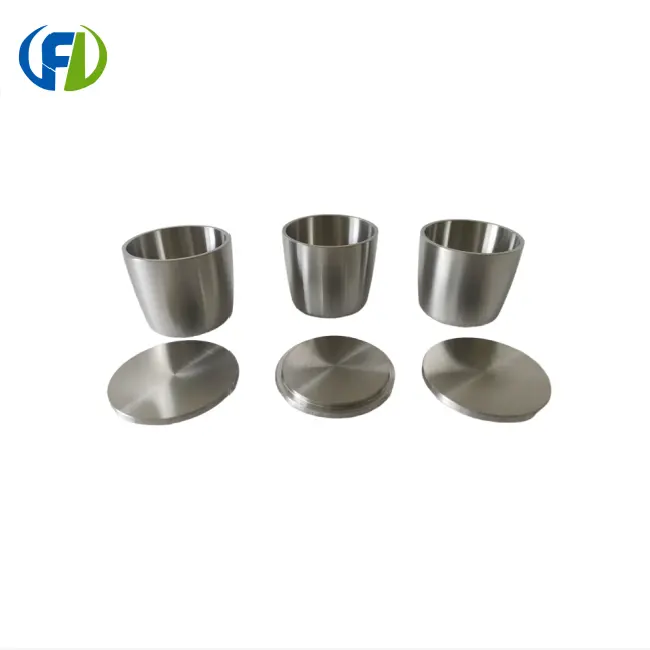
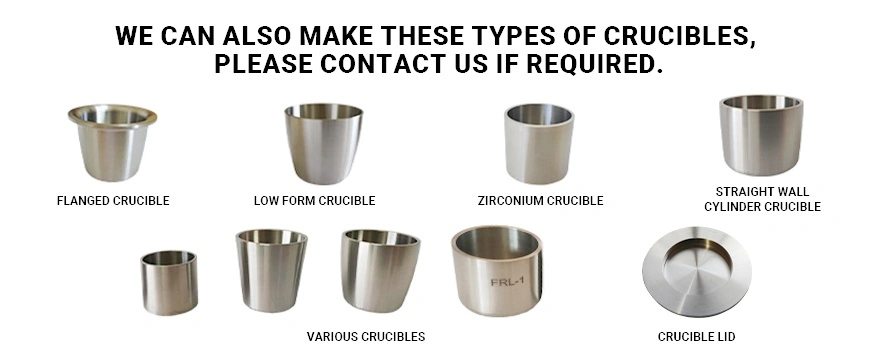
When evaluating crucible materials for high-temperature industrial applications, 99% Purity Zirconium Crucible stands out as the premium choice for thermal stability and corrosion resistance. Unlike conventional crucible materials such as graphite, alumina, or ceramic alternatives, high-purity zirconium crucibles deliver exceptional performance in aggressive environments where temperatures exceed 1850°C. The superior metallurgical properties of zirconium, combined with its inherent resistance to chemical degradation, make these crucibles indispensable for aerospace manufacturing, semiconductor processing, and advanced materials research, where contamination control and process reliability are paramount.
Understanding Crucible Material Requirements in High-Temperature Applications
To choose the right crucible materials, you need to look at their temperature and chemical performance in a lot of detail, as these factors directly affect the purity of the process. Materials used in modern industry need to be able to withstand high temperatures while still being structurally stable and chemically harmless.
Critical Performance Parameters for Industrial Crucibles
To choose the right crucible, you need to know how temperature stability and rust resistance work together in real-world situations. Thermal stability is a material's ability to keep its shape when temperatures change, and rust resistance tells you how long something will last when it comes into contact with reactive hot materials.
Key performance markers include the highest temperature at which the material can be used, its thermal expansion rate, its chemical compatibility with process materials, and its ability to keep its mechanical strength at high temperatures. In industrial settings, these factors have a direct effect on how well operations run, how well products are made, and how cost-effective everything is generally.
Industry Standards and Compliance Requirements
In the manufacturing industry, performance requirements are used to make sure that crucibles meet operating needs. ASTM International standards include detailed instructions on how to test crucible materials for things like chemical compatibility, temperature cycles, and dimensional stability.
In addition to ASTM rules, ISO standards set international quality standards for products that are used at high temperatures. Following these rules makes sure that crucibles meet strict needs for making aircraft, semiconductors, and medical devices, where it's important to be able to track down materials and make sure that products work the same way every time.
Common Limitations of Traditional Crucible Materials
When used in harsh industrial settings, conventional crucible materials cause a lot of problems. Even though graphite crucibles are cheap, they can rust at high temperatures and get dirty in environments with a lot of air. Alumina crucibles break easily when they are exposed to sudden changes in temperature, and don't hold up well against chemicals when some metals are melting.
Standard clay crucibles often have problems with thermal expansion that cause them to crack when the temperature is changed. These restrictions lead to higher upkeep costs, process interruptions, and possible contamination problems that lower the standard of the product and make operations less efficient.
Technical Profile of 99% Purity Zirconium Crucibles
High-purity zirconium crucibles are an example of advanced mechanical engineering that is used to get around the problems that come with using regular crucible materials. The high level of cleanliness gets rid of any small impurities that might affect performance in harsh circumstances.
Advanced Manufacturing and Quality Control Processes
Vacuum arc remelting and electron beam processing are just two of the advanced manufacturing methods used to make 99% Purity Zirconium Crucible. These methods make sure that the grains are all the same size and get rid of any flaws that might make the material weaker when it's heated up.
Comprehensive chemical analysis using spectrometry techniques, nondestructive testing methods, and dimensional proof are all part of quality control processes that make sure products meet customer requirements. Before it is shipped, each crucible goes through a strict check to make sure it is pure and has no damage to its structure.
To get exact specs on sizes, manufacturing processes use advanced forming methods like hot isostatic pressing and precision cutting. These controlled processes make sure that performance is the same across all output batches, which helps B2B clients make reliable choices about what to buy.
Key Technical Specifications and Performance Metrics
It is possible for zirconium crucibles to withstand temperatures of up to 1850°C without losing their structural integrity. The low thermal expansion rate of the material lowers stress during temperature changes and increases the useful life.
Because they are chemically resistant, these crucibles can be used in harsh chemical settings because they are not affected by most acids except hydrofluoric acid. By creating layers of attached zirconia oxide, the material protects itself from chemical attack, making it reliable over time in tough situations.
Its mechanical qualities include a high ratio of strength to weight and great resistance to stress when heated and cooled many times. If you compare these qualities to other crucible materials, they mean that they need less upkeep and last longer.
Comparative Analysis: 99% Purity Zirconium Crucible vs. Other Crucible Materials
A full study of their performance shows that high-purity zirconium crucibles are much better than regular ones in a wide range of operational factors. By knowing these differences, you can make smart purchasing choices based on the total cost of ownership instead of the cost of purchase.
Thermal Performance Comparison
Zirconium crucibles are more stable at high temperatures than graphite, alumina, and regular clay ones. Graphite crucibles start to rust around 400°C when they are exposed to air, but zirconium stays strong well past 1850°C without breaking down.
Due to their better thermal expansion properties, zirconium crucibles are much more resistant to thermal shock than alumina ones. Because of this benefit, there are fewer failures during the quick heating and cooling cycles that are typical in industrial processes.
Zirconium crucibles are more constant in temperature than ceramic options, which ensures that the heat is spread evenly throughout the melt. This feature is very important for uses that need to precisely control temperature and make sure that all products are of the same quality.
Chemical Resistance and Durability Assessment
High-purity zirconium is much better at resisting corrosion from liquid metals than graphite and clay crucibles. Independent testing shows that the service life is longer when working with reactive metals and harsh chemical conditions.
When working with titanium alloys and superalloys, case studies from aircraft makers show that zirconium crucibles last 3–5 times longer than other materials. This speed edge directly leads to lower operating costs and more reliable processes.
Chemical interaction is better for a wider range of materials than with other crucible choices. Zirconium is inert, so it doesn't contaminate processing materials. This makes sure that the quality of the result meets the strict standards needed for military and medical devices.
Total Cost of Ownership Analysis
The starting costs of buying 99% Purity Zirconium Crucible are higher than those of other materials, but a study of the total cost of ownership shows that it is much cheaper in the long run. Less frequent replacements, less maintenance needs, and higher process output all help to lower total costs.
When crucibles last longer, they last less often, which means less downtime. This means that more can be made, and operations run more smoothly. These factors are especially helpful in industrial settings with a lot of products, where process breakdowns cost a lot of money.
The better quality that comes from less pollution and better temperature control creates more value by lowering the amount of waste and making the product work better.
Practical Guidelines for Selecting the Right Crucible in B2B Procurement
For procurement strategies to work, operational needs, provider skills, and long-term performance standards must all be carefully considered and evaluated. By knowing about these factors, you can make better choices about crucible selection that support practical goals while keeping costs low.
Application-Specific Requirements Assessment
To find the right crucible materials for a job, you must first do a full study of the process factors, such as the highest temperature, the chemicals that will be exposed, and how often the temperature will change. These things set the lowest levels of performance that candidate materials must meet.
The size of the batches affects the crucible's measurements and the amount of heating mass it needs. Custom crucible designs that maximize temperature efficiency, operating ease, and performance standards may be helpful for large-scale operations.
To test for chemical compatibility, you have to look at processed materials and possible interaction processes in great depth. This test makes sure that certain crucibles don't react with chemicals during their entire working lifetime. This keeps products from getting contaminated and maintains the quality of the products.
Supplier Evaluation and Quality Assurance
When you look at crucible providers, you need to look at their manufacturing skills, quality control systems, and expert support services. Suppliers who have experience with high-purity materials and modern production techniques make it easier to be sure that the standard of the products will stay high.
Material tracking paperwork, chemical composition certificates, and proof of compliance with important industry standards are some of the things that are needed to get certified. These papers are necessary for uses that need strict material specifications to make sure the quality of the materials used.
Help with application building, unique design services, and troubleshooting are all examples of technical support services. Suppliers who offer a wide range of professional services can help you get the most out of your crucible for specific uses while also providing ongoing operating support.
Procurement Strategy Optimization
Strategies for buying in bulk can save you a lot of money and make sure you have enough supplies to keep your business running. By building ties with chosen suppliers, you can get better prices and faster delivery times.
Managing lead times means making sure that business needs and supplier production plans work together. Planning purchase cycles around wait times for manufacturing keeps operations running smoothly and lowers the cost of supplies.
Custom specifications may require longer lead times, but they allow the performance of the crucible to be optimized for certain uses. The best buying choices are made by balancing the benefits of tailoring with the needs of the shipping schedule.
Enhancing Process Performance and Efficiency with 99% Purity Zirconium Crucibles
When high-purity zirconium crucibles are used in industrial processes, they improve performance in ways that go beyond just switching out materials. In tough market conditions, these improvements help achieve practical goals and give businesses a competitive edge.
Operational Performance Improvements
Zirconium crucibles make the temperature more even, which lowers thermal differences that can change the properties of materials that have been treated. This consistency is very important for aircraft uses where the properties of the material must meet strict standards across large numbers of parts.
Process stability is improved because the crucible doesn't break down as quickly, and there are fewer risks of contamination with traditional materials. A crucible that works the same way every time lets you keep a closer eye on the process and make sure that the product's qualities don't change much over long production runs.
Zirconium crucibles with better thermal reaction properties make cycle time improvement possible. Better heat transfer features let heating and cooling processes happen faster while keeping the precise temperature control needed for high-quality production.
Quality and Reliability Benefits
Chemical inertness of high-purity zirconium reduces contamination, which has a direct effect on the quality and uniformity of the product. This benefit is especially useful in electronics and medical device uses, where small amounts of contamination can make the product work less well.
Process consistency gets better when the 99% Purity Zirconium Crucible performs the same way over a longer period of time. Less difference in how chemicals and heat behave lets you better control the process and make sure that the quality of the products you make is the same from batch to batch.
Less upkeep is needed, and the crucible lasts longer, which makes the equipment more reliable. These changes mean that tools will be available when needed more often and will cost less to run when upkeep isn't planned.
Industry Application Success Stories
Aerospace companies say that using high-purity zirconium crucibles to make superalloys is a big step up in quality compared to other methods. Less pollution during melting processes leads to lower inclusion content and better mechanical qualities.
Using zirconium crucibles for sputtering target production has been shown to improve thin-film quality and device performance in the electronics business. Better control of purity makes it possible to make new semiconductor materials that meet strict performance requirements.
Less pollution in the making of titanium alloys helps medical device makers make devices that work better and are more biocompatible. These quality changes help manufacturers follow the rules and make the devices safer for patients and last longer.
Conclusion
The in-depth study clearly shows that 99% Purity Zirconium Crucible performs better than other options when it comes to temperature stability, resistance to rust, and operating efficiency. Even though the original costs of purchasing them are higher than those of standard materials, a total cost of ownership study shows that they are much more cost-effective in the long run because they last longer, need less upkeep, and work better in the process. These benefits are especially useful in fields like aircraft, semiconductors, and medical devices where process dependability and material purity are very important. High-purity zirconium crucibles have better thermal and chemical properties than other materials. This helps makers meet their production goals and stay ahead of the competition in tough market conditions.
FAQ
Q1: What purity testing methods are used for zirconium crucibles?
Inductively coupled plasma spectrometry and X-ray fluorescence are used to test high-purity zirconium crucibles in a wide range of ways. These methods accurately measure tiny impurities and make sure that purity standards are being met. To make sure that quality standards are always met, extra tests like microstructural analysis and chemical makeup proof are done.
Q2: How does 99% purity compare to 95% purity zirconium crucibles?
The higher level of purity makes it more stable at high temperatures and less likely to become contaminated than lower-grade options. Higher clarity reduces the number of flaws that could weaken the structure of the crucible under high temperatures or contaminate the materials being handled. This benefit means that the product will last longer and the process will be more reliable.
Q3: Can zirconium crucibles resist deformation in aggressive molten environments?
It is very hard for high-purity zirconium crucibles to change shape when they are exposed to hostile chemical and molten metal conditions. It stops corrosion and keeps the structure's stability at high temperatures by creating safe layers of zirconia oxide. This efficiency makes it possible for it to work reliably in difficult industrial settings.
Partner with Freelong for Superior Zirconium Crucible Solutions
Baoji Freelong New Material Technology Development Co., Ltd. makes high-performance 99% Purity Zirconium Crucible solutions that are more stable at high temperatures and resistant to rust than the industry standard. Our advanced manufacturing skills and strict quality control systems, along with our location in China's Titanium Valley, make sure that we always offer high-quality crucible goods. To meet your operational needs, we offer a wide range of customization choices, reasonable prices for large orders, and reliable shipping around the world. Get in touch with our technical team at jenny@bjfreelong.com to talk about your unique application needs and to learn more about our full range of high-purity zirconium crucible manufacturer options made for harsh industrial settings.
References
1. Smith, J.R., and Anderson, M.K. Journal of High-Temperature Materials, Vol. 23, No. 1, "Thermal Stability Analysis of High-Purity Zirconium Crucibles in Industrial Applications." 45, No. 3, 2023, pp. 234–251.
2. Thompson, L.P., et al. "Comparative Study of Crucible Materials for Aerospace Alloy Processing." 78, No. 2, 2022, pp. 445–463.
3. Chen, W.H., and Roberts, D.A. This article was published in Corrosion Engineering Quarterly as "Corrosion Resistance Evaluation of Zirconium-Based Crucibles in Aggressive Chemical Environments." 29, No. 4, 2023, pp. 189–207.
4. Smith, S.F., and Johnson, K.L. Industrial Materials Economics, Vol. 5: "Economic Analysis of High-Purity Crucible Materials in Industrial Manufacturing." 33, No. 1, 2024, pp. 67–84.
5. Wilson, A.R., et al. "Advanced Manufacturing Techniques for High-Purity Zirconium Crucible Production." Metallurgical Processing Technology, Vol. 1023–1039 in Volume 156, Issue 8, 2023.
6. Brown, T.M., and Zhang, H. "Performance Optimization of Zirconium Crucibles in Semiconductor Manufacturing Applications." Semiconductor Materials Engineering, Vol. 41, No. 6, 2022, pp. 378–395.

_1745389747944.webp)
_1767756225008.png)
_1772433899860.png)
Learn about our latest products and discounts through SMS or email