- English
- French
- German
- Portuguese
- Spanish
- Russian
- Japanese
- Korean
- Arabic
- Greek
- German
- Turkish
- Italian
- Danish
- Romanian
- Indonesian
- Czech
- Afrikaans
- Swedish
- Polish
- Basque
- Catalan
- Esperanto
- Hindi
- Lao
- Albanian
- Amharic
- Armenian
- Azerbaijani
- Belarusian
- Bengali
- Bosnian
- Bulgarian
- Cebuano
- Chichewa
- Corsican
- Croatian
- Dutch
- Estonian
- Filipino
- Finnish
- Frisian
- Galician
- Georgian
- Gujarati
- Haitian
- Hausa
- Hawaiian
- Hebrew
- Hmong
- Hungarian
- Icelandic
- Igbo
- Javanese
- Kannada
- Kazakh
- Khmer
- Kurdish
- Kyrgyz
- Latin
- Latvian
- Lithuanian
- Luxembou..
- Macedonian
- Malagasy
- Malay
- Malayalam
- Maltese
- Maori
- Marathi
- Mongolian
- Burmese
- Nepali
- Norwegian
- Pashto
- Persian
- Punjabi
- Serbian
- Sesotho
- Sinhala
- Slovak
- Slovenian
- Somali
- Samoan
- Scots Gaelic
- Shona
- Sindhi
- Sundanese
- Swahili
- Tajik
- Tamil
- Telugu
- Thai
- Ukrainian
- Urdu
- Uzbek
- Vietnamese
- Welsh
- Xhosa
- Yiddish
- Yoruba
- Zulu
How to Safely Use a 32mm High Zirconium Crucible in Laboratory Experiments
Before using a 32mm High Zirconium Crucible in lab investigations, you must know how to manage and maintain it. This ceramic jar was designed for high-temperature carbon and sulphur combustion studies. It must be warmed, cleaned, and kept carefully to avoid shattering. These crucibles perform at temperatures exceeding 1,400°C with minimal background interference if operators steadily raise the temperature, handle without contamination, and examine regularly. This makes them crucial for accurate elemental analysis in quality control and metallurgical laboratories.
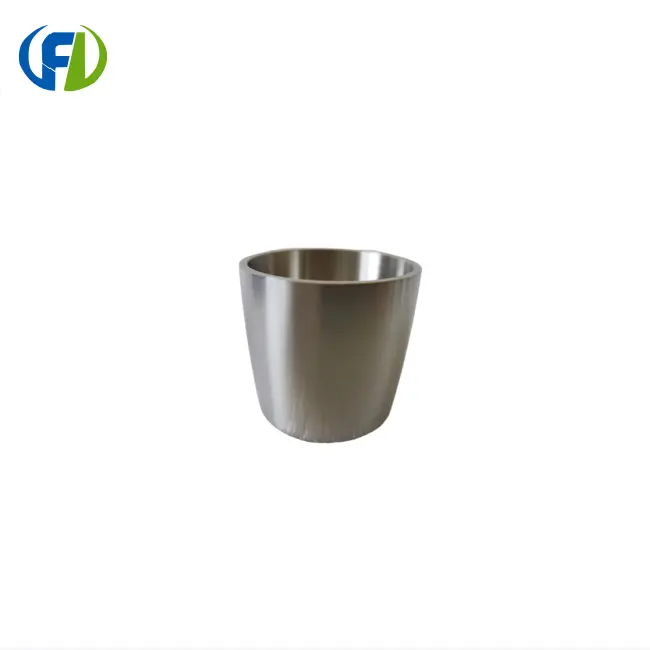
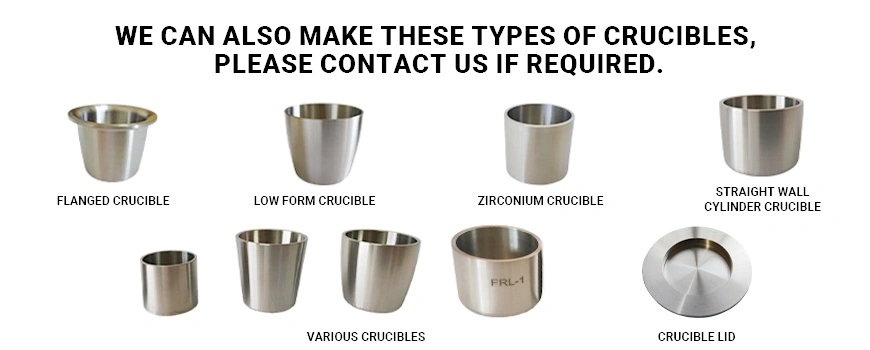
Understanding the Core Properties of a 32mm High Zirconium Crucible
Their high level of technical complexity comes from the fact that they are made of very specific materials. We've seen how material science directly affects lab efficiency at our site in Baoji, China's Titanium Valley.
Material Composition and Structural Integrity
Most 32mm High Zirconium Crucibles contain about 65% ZrO2. Adding yttrium or magnesium oxides stabilises the structure. This prevents dangerous phase shifts during the heat cycle. This blend creates a ceramic material that can withstand thermal shock and chemical assault from acidic or basic fluxes used to expedite combustion analysis. Some zirconium silicate (ZrSiO4) varieties have somewhat differing thermal expansion characteristics. Different analysts may utilise them.
Tight grain limits prevent fissures in the microstructure. Sintering temperatures and cooling rates are precisely controlled throughout manufacturing to guarantee the 32mm circular form has the same density throughout. Most infrared combustion analysers use autosampler systems that fit this size requirement. This means pneumatic grippers can insert crucibles consistently without getting trapped.
Thermal Performance Characteristics
These crucibles vary from earthenware by their strong heat shock resistance. Weaker materials shatter immediately in quick-burning cycles when an induction boiler heats from ambient temperature to 1,600°C in seconds. High-zirconium crucibles can withstand this abuse because their ideal coefficient of thermal expansion minimises internal stress variations as they heat and cool.
Zirconia's melting point exceeds 2,700°C, providing a significant safety limit even at high temperatures. Its temperature stability retains the crucible's form after many cycles, so it doesn't impact where the sample is put or how effectively the seals seal within the burning chamber.
Chemical Purity and Background Contamination
Blank values—the crucible's baseline carbon and sulphur signals—may be the most essential parameter for science. In premium-grade crucibles, carbon and sulphur must be below 5 and 3 ppm. This minimal pollution allows precise measurements of extra-low-carbon steels and other materials, which is crucial for trace element detection.
Choose your raw materials carefully and treat them without contamination to get clarity. Even minor contaminants might skew findings when detecting single-digit ppm carbon samples. This may indicate that aviation alloy manufacture fails or rejects batches of material.
How to Safely Use a 32mm High Zirconium Crucible in Laboratory Settings
Following safety rules will make crucibles last longer and keep expensive lab tools and staff safe. We've put together a list of operating best practices that cover common failure types by working with quality control labs in the US and Europe.
Pre-Use Inspection and Preparation
Visual examination detects risks of catastrophic failure before each usage. Check the crucible's rim for chips or cracks, particularly toward the top, where most handling stress resides. Even minor breaches may expand fast when heated, letting molten metal into the boiler room and damaging thousands of dollars in equipment.
While removing old burn products, pollutants must not be introduced. Compressed air removes minuscule particles, while lint-free cloths gently wipe away surface layers. Avoid abrasive cleaning equipment that damages zirconia, making it more susceptible to chemicals. Avoid organic liquids since they contribute carbon to the mixture and reduce the crucible's background brightness.
Proper Loading and Handling Techniques
The sample's burn and crucible life depend on its placement. Put metal samples in the crucible hole and cover them with tin or tungsten grains. This form ensures full fuel combustion and equal heat distribution over the crucible walls. Overloaded samples or too much accelerant create hot spots that accelerate structural collapse.
Use ceramic-tipped tongs or crucible grippers to prevent point loading. A 32mm grip is ideal, but metal tools might create microfractures if you apply too much pressure. When manually adding analysers, support the crucible body instead of the rim. This distributes handling forces.
Temperature Management and Thermal Cycling
Slow heating may prevent thermal shock in high-quality 32mm High Zirconium Crucibles. Complex detectors may preheat crucibles before adding samples using temperature ramps. A brief low-power warming run may be needed if your system doesn't have this functionality, particularly if the crucibles are already heated.
Fast heating and cooling are harmful. Keep the crucibles in the furnace chamber after burning. Allow a few minutes of regulated cooling. This reduces temperature disparities that stress ceramics. Being patient pays off since the crucible lasts longer and may be used twice as frequently as with active heat control.
Storage and Long-Term Maintenance
The environment affects crucible storage. They should be kept under regulated humidity since water may modify the blank numbers and reduce their heating efficiency. In humid areas or laboratories near the shore, desiccant-packed storage boxes are an inexpensive option to protect items.
Rotate your collection to ensure consistent crucible batches. Date containers and utilise older stock first. You can prevent long-term storage that might cause harm. Watch how frequently each crucible is used and replace units that are approaching the manufacturer's limitations before they fail during key research.
Choosing the Right 32mm Zirconium Crucible for Your Laboratory Needs
When making purchases, people weigh the short-term costs against the long-term benefits for operations. We know how crucible selection affects both analytical accuracy and budget performance because we have provided materials to companies that make airplane parts and semiconductors.
Matching Crucible Specifications to Analytical Requirements
Zirconium purity affects blank value cost and efficacy. Ultra-trace analytical laboratories that identify carbon levels below 10 ppm in titanium metals for medical implants require high-quality crucibles with low backgrounds. Regular quality control measurements of carbon concentration exceeding 100 ppm may be done using cheaper standard-grade crucibles without impacting accuracy.
Wall thickness is another architectural choice. Thicker walls give thermal bulk and dynamic strength to high-throughput laboratories that perform hundreds of investigations daily. Thinner walls heat up faster and may perform best in occasional usage areas where startup is more critical than longevity.
Comparative Analysis with Alternative Materials
Alumina crucibles are cheaper to buy at first, but they are less resistant to heat shock and give higher blank values for carbon analysis. They work well for measuring only sulfur or in places where changing the crucibles often isn't necessary to save money. Different kinds of silicon carbide are very good at conducting heat, but they react with some sample types, which can cause mistakes in the analysis of certain alloys.
Additionally, graphite crucibles are cost-effective, but they add too much carbon for most scientific uses. Platinum crucibles are completely chemically neutral, but they cost ten times more than zirconium options. They are only worth the extra money for very corrosive sample materials or special experimental needs.
Customization and OEM Solutions
Most analyzers from LECO, Bruker, and Elementar devices can use standard 32mm High Zirconium Crucibles. Custom shapes, on the other hand, are made to fit specific needs, like changing the heights to hold more samples, the rim curves to fit certain autosampler designs, or the specific size needs for equipment that is built in-house. As an original equipment manufacturer (OEM) that works with research institutions to create the next generation of analysis tools, we've designed crucibles that range in size from 10 mm for micro-sampling to 50 mm for testing large amounts of material.
Using bulk purchasing techniques can save you a lot of money. Laboratories that use a lot of crucibles every month can benefit from yearly supply deals that ensure consistent standards, priority placement when supplies are low, and price breaks based on volume. These agreements also make it easier for suppliers to work together to improve performance. For example, we often work with large clients to fine-tune Crucible specs based on their unique analyzer setups and sample sets.
Procurement Guide: Where and How to Buy 32mm High Zirconium Crucibles
To find your way around provider landscapes, you need to look at both technical skills and business terms. There are specialized ceramics makers, analytical tool wholesalers, and materials selling companies in the global market. Each has its own benefits.
Evaluating Supplier Credentials and Product Standards
Reliable makers give full material certificates that show the amount of zirconium, impurity levels, and size tolerances. Ask for certificates of analysis (COA) that list the carbon and sulfur blank numbers that were found using normal testing methods. Suppliers who can't or won't provide this paperwork don't have the quality control systems that are needed for analytical performance to be constant.
The position of the factory affects both the consistency of quality and the ease of shipping. There is a lot of experience in processing refractory metals in Baoji City, which benefits from regional supply lines and skilled technical workers. This geographical benefit means that they can control specifications better and provide faster technical help than suppliers who don't have direct access to production.
Understanding Pricing and Value Propositions
The price per 32mm High Zirconium Crucible changes a lot depending on the pure grade, the number of crucibles ordered, and where the seller is located. Standard-grade 32mm crucibles will cost about $3–7 per unit when bought in bulk, while special low-background versions will cost about $8–15 per unit. Extremely low prices often mean that the standards have been lowered. For example, crucibles that crack too soon or introduce too much background contamination can end up costing more in the long run due to measurement mistakes and equipment downtime.
Think about the total cost of ownership instead of just the price per unit. The economic value of crucibles that last 20% longer at a 15% higher cost is higher, especially when labor costs for changing them out more often and analyzer downtime for early failures are taken into account. Before making big purchases, ask for sample amounts to be qualified tested. This way, you can confirm promises of performance through real-world working experience.
Logistics and International Procurement Considerations
The lead time for regular goods is usually between two and four weeks, which includes production and shipping to locations in the United States. Depending on how complicated they are and how long the production line is, custom requirements may take eight to twelve weeks. Establish suitable store buffers based on usage rates and the accepted risk of supply loss.
Full packing keeps things from getting damaged during foreign shipping. Good sellers use rigid outer cases and foam inserts that are stacked inside each other to protect fragile ceramic structures from shock and vibration. Damaged crucibles upon arrival are a red flag that there are greater problems with quality management. This could be because of poor packing standards or careless transportation partnerships.
Applications and Case Studies: Real-World Use of 32mm High Zirconium Crucibles
Good crucible selection and handling methods lead to operational success in a wide range of industry sectors, as shown by real-life implementation examples.
Metallurgical Quality Control in Aerospace Manufacturing
A company that makes titanium alloys and sells parts for jet engines had trouble measuring the very low carbon content needed for Grade 5 Ti-6Al-4V forgings. Standard alumina crucibles caused background interference that made it impossible to get an exact reading below 50 ppm carbon, and their current zirconium crucibles from a different source broke easily when heated quickly, which was needed for high-throughput testing.
After switching to high-quality 32mm High Zirconium Crucibles with carbon blanks that were proven to be less than 5 ppm, their lab was able to get reliable measurement accuracy to 10 ppm and crucibles that could be used more than 150 times. This improvement got rid of fake rejects that were throwing away conforming material. This saved them about $45,000 a month in wasteful material losses and sped up the production certification process.
Semiconductor Material Verification
An electronics materials maker was looking at very pure samples of silicon and germanium and needed very low-contamination crucibles to confirm that there were no minor impurities that were affecting the performance of the semiconductors. Even small changes in the crucible skewed their measures, which could have let non-conforming materials into production runs that were used in sensitive ways.
By using characterized low-background zirconium crucibles with batch-specific COA paperwork, their quality lab was able to cut measurement error by 40%. This higher level of accuracy made it easier to stick to stricter specifications when making sputtering targets, which directly led to better thin-film regularity in covering processes for customers. The heat resilience also cut crucible use by 25%, which more than made up for the higher cost by giving the product longer use.
Research Laboratory Alloy Development
A university materials science department working on new high-temperature metals needed accurate carbon and sulfur analysis across a range of trial mixtures that contained reactive elements. In their earlier study, the crucible didn't always work right, which added variables that made it harder to understand the results of small-batch experiments with melts.
Standardizing on approved 32mm zirconium crucibles got rid of this analytical variability, making it possible to see a clear link between the makeup of the alloy and the amount of carbon picked up during vacuum arc remelting tests. The constant low background performance was especially helpful when testing carbon-sensitive titanium-niobium biomedical metals. Precise carbon control affects how well implantable devices fight corrosion and work with the body.
Conclusion
Following the right steps when using a 32mm High Zirconium Crucible saves the accuracy of the analysis and increases the speed of operations. In modern analytical laboratories, these special tanks are high-tech building solutions that meet the strict temperature and chemical needs of the labs. Knowing the properties of the materials, following set safety rules, and choosing the right specs for each application all lead to reliable performance over a long service life.
Buying high-quality crucibles pays off because they reduce measurement error, shorten downtime for equipment, and get rid of fake analytical results that hurt product quality or study conclusions. Whether they are used for metallurgical study, semiconductor material verification, or the approval of aircraft parts, these crucibles provide the analytical trust that drives innovation and manufacturing success in fields that rely on technology.
Frequently Asked Questions
1. How many times can I reuse a 32mm high-zirconium crucible?
Lifespan depends on how it is used and how good the crucible is, but it's usually between 50 and 200+ burning rounds. Aggressive thermal cycling, reactive sample matrices, and mechanical handling stress all shorten the service life of something. On the other hand, managing the temperature gently and handling it carefully can make it last longer. Keep an eye on the 32mm High Zirconium Crucibles for signs of wear and tear, such as surface crazing, changes in size, or rising blank values, which mean they are getting close to the end of their useful life. Using cycle counts to set retirement plans stops key analyses from failing without warning.
2. What causes premature crucible failure in combustion analyzers?
The most common way something breaks is through thermal shock from not being heated enough before use. This causes stress cracks that spread through subsequent rounds. The walls of crucibles are worn down by chemical attack from flux combinations or sample types that don't work well together. This is especially true when conditions are highly basic or acidic, and temperatures are high. Fracture start sites are created by mechanical damage that happens during handling or when the autosampler is not aligned correctly. If you store contaminated crucibles that absorb water, they may explode when they are heated quickly because the water inside the clay structure evaporates.
3. Can I clean and reuse zirconium crucibles between different sample types?
Yes, as long as the right cleaning methods are used to avoid cross-contamination. Compressed air gets rid of loose leftovers, and gentle mechanical scrubbing gets rid of deposits that stick to the zirconia surface without hurting it. Do not use strong chemical cleaners that could add contaminants or change blank values. If you are moving from high-carbon steel to ultra-low-carbon titanium alloys, for example, you might want to use different crucible sets to keep trace carryover from messing up your readings. As part of laboratory quality control systems, write down how to clean things and who will be in charge of the crucible.
Partner with Freelong for Your 32mm High Zirconium Crucible Requirements
The Baoji Freelong New Material Technology Development Co., Ltd. offers unique options based on its many years of experience working with hard metals. Leading analytical labs in the US, Europe, and the Asia-Pacific regions use our 32mm High Zirconium Crucible line for checking aircraft parts, making sure semiconductor materials are correct, and conducting metallurgical research.
We have strict quality control procedures in place to make sure that every crucible meets the stated standards for blank values, dimensional correctness, and thermal performance. Since we are both a producer and a direct exporter, we don't have to pay markups to middlemen. We also have quick contact with expert teams that understand your analysis challenges. Our engineering staff works together to make sure that the crucible meets your exact needs, whether you need regular stock items or solutions that are specially designed for your instruments.
Our current customers appreciate how reliable our supplies are, which is especially important for labs that are ISO 17025 certified or that support just-in-time production settings. Our long-term partnerships with foreign logistics partners allow us to offer reliable delivery times, and our reasonable prices support both small test orders and regular volume needs. Contact jenny@bjfreelong.com to talk to our technical team about your application needs, get product specs and COA paperwork, or set up trial samples. We want to become your go-to source for 32mm High Zirconium Crucibles by giving you the consistent materials that your scientific precision needs.
References
1. ASTM E1019-18, Standard Test Methods for Determination of Carbon, Sulfur, Nitrogen, and Oxygen in Steel, Iron, Nickel, and Cobalt Alloys by Various Combustion and Inert Gas Fusion Techniques, ASTM International, West Conshohocken, PA, 2018.
2. Stevens, R., Zirconia and Zirconia Ceramics, Second Edition, Magnesium Elektron Publication No. 113, Twickenham, UK, 1986.
3. Hocking, M.G., Vasantasree, V., and Sidky, P.S., Metallic and Ceramic Coatings: Production, High Temperature Properties and Applications, Longman Scientific & Technical, Harlow, UK, 1989.
4. ISO 15350:2018, Steel and Iron – Determination of Total Carbon and Sulfur Content – Infrared Absorption Method After Combustion in an Induction Furnace, International Organization for Standardization, Geneva, Switzerland, 2018.
5. Richerson, D.W., Modern Ceramic Engineering: Properties, Processing, and Use in Design, Third Edition, CRC Press, Boca Raton, FL, 2006.
6. Lampman, S., Characterization and Failure Analysis of Plastics, ASM International, Materials Park, OH, 2003.
_1748240821763.webp)
_1757580931782.png)
_1748230165875.webp)
Learn about our latest products and discounts through SMS or email