- English
- French
- German
- Portuguese
- Spanish
- Russian
- Japanese
- Korean
- Arabic
- Greek
- German
- Turkish
- Italian
- Danish
- Romanian
- Indonesian
- Czech
- Afrikaans
- Swedish
- Polish
- Basque
- Catalan
- Esperanto
- Hindi
- Lao
- Albanian
- Amharic
- Armenian
- Azerbaijani
- Belarusian
- Bengali
- Bosnian
- Bulgarian
- Cebuano
- Chichewa
- Corsican
- Croatian
- Dutch
- Estonian
- Filipino
- Finnish
- Frisian
- Galician
- Georgian
- Gujarati
- Haitian
- Hausa
- Hawaiian
- Hebrew
- Hmong
- Hungarian
- Icelandic
- Igbo
- Javanese
- Kannada
- Kazakh
- Khmer
- Kurdish
- Kyrgyz
- Latin
- Latvian
- Lithuanian
- Luxembou..
- Macedonian
- Malagasy
- Malay
- Malayalam
- Maltese
- Maori
- Marathi
- Mongolian
- Burmese
- Nepali
- Norwegian
- Pashto
- Persian
- Punjabi
- Serbian
- Sesotho
- Sinhala
- Slovak
- Slovenian
- Somali
- Samoan
- Scots Gaelic
- Shona
- Sindhi
- Sundanese
- Swahili
- Tajik
- Tamil
- Telugu
- Thai
- Ukrainian
- Urdu
- Uzbek
- Vietnamese
- Welsh
- Xhosa
- Yiddish
- Yoruba
- Zulu
Understanding the Chemical Stability and Contamination-Free Benefits of Zirconium Crucibles
High-density Zirconium Crucibles are a big step forward in the study of materials for lab work and precise manufacturing. These special containers, which are made from high-purity zirconium metals, are very chemically inert, which keeps processing materials from getting contaminated. In metalworking uses, chemical stability refers to the crucible's ability to stay intact and avoid unwanted reactions while working at high temperatures. Industries that work with volatile metals, make semiconductors, and make flight parts depend on these qualities to keep their products intact. Zirconium crucibles keep the surroundings clean, which guarantees regular results, cuts down on waste, and increases the life of equipment. This makes them essential in processes where even small impurities can lower the quality of the final product.
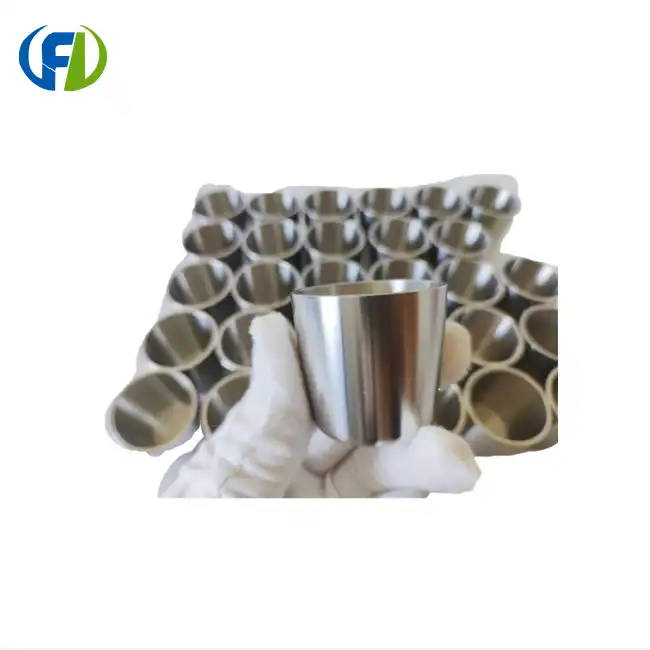
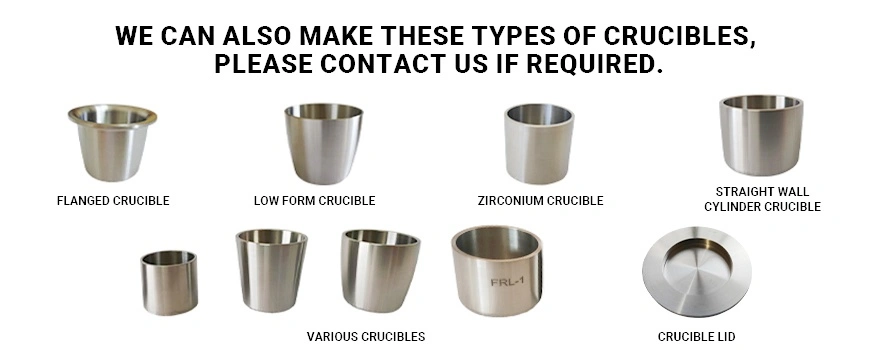
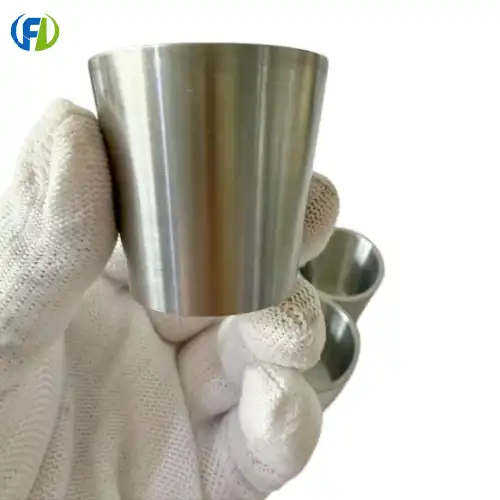
What Are High-Density Zirconium Crucibles and Why Chemical Stability Matters
Defining High-Density Zirconium Crucibles
A High-density Zirconium Crucible is made from ultra-pure zirconium (usually Grade 702, with Zr+Hf content over 99.2%) using sophisticated cold-working or flow-forming methods. These ways of making things are different from standard cast or welded ones because they achieve near-theoretical density with very few holes. The word "high-density" means that the microstructure and grain direction have been fine-tuned, which makes the material much more chemically and mechanically resistant. This design solves important problems in the industry, like how quickly it breaks down during alkaline fusions, how cross-contamination can happen because of porous surface retention, and how expensive it is to buy platinum replacements.
The Importance of Chemical Inertness
Chemical stability is important because it has a direct effect on how pure the materials being worked on are. Any contact between the container and the contents can contaminate whole batches when working with reactive metals or doing sensitive chemical tests. Zirconium's surface has a thick, self-healing oxide layer (ZrO₂) that most mineral and organic acids can't get through. This inactive layer grows back on its own when it gets scratched or broken, protecting the crucible for as long as it is used. The oxide film's ability to keep things from leaking stops metal ions from escaping. This is especially important when working with materials that will be used in flight, medical implants, or semiconductors, where strict purity standards must be met.
Industries Demanding Contamination-Free Environments
Aerospace companies that work with titanium and superalloys can't have ceramics in their products because they could weaken the structure of flight-critical parts. Chemical processing plants that work with acidic materials need containers that won't break down and let metals into their products. For geological samples to be analyzed in research labs, crucibles that won't mess up spectroscopic readings are needed. All of these areas need the same thing: materials must be kept completely pure during high-temperature activities.
In-Depth Material Properties and Heat Resistance of High-Density Zirconium Crucibles
Superior Thermal Performance Characteristics
The great performance of zirconium crucibles comes from the way the material itself is made. Zirconium has a melting point of 1,855°C, which means it can be used in situations where most metals and alloys would melt. Because the material is thermally conductive, heat is evenly spread throughout, so there are no hot spots that could damage the crucible or its contents. Zirconium is different from other materials because it doesn't change shape when the temperature changes a lot. It doesn't warp or form tiny cracks that would make containment less reliable.
Mechanical Strength and Durability
In metallic containers, density is directly related to how strong they are mechanically. When it comes to temperature shock protection, High-density Zirconium Crucibles are better than ceramic ones. The material's flexibility keeps it from breaking completely when it's heated or cooled quickly, which happens a lot in arc furnaces. Specialized production methods can finetune the microstructure, which makes the grain structure uniform and spreads stress evenly across the walls of the crucible. This uniformity means that performance can be predicted and service life is increased, which lowers the cost of replacement and unintended downtime.
Comparative Analysis with Alternative Materials
When compared to crucibles made of graphite, alumina, and silicon carbide, zirconium has clear benefits. Even though graphite crucibles are cheap, they combine with some metals and oxidize at high temperatures in environments that aren't neutral. Alumina is pretty resistant to chemicals, but it is easily broken and can react badly to sudden changes in temperature. Silicon carbide has good thermal qualities, but it can pollute delicate uses with silicon. Zirconium crucibles have the best qualities: they are chemically inert, almost as inert as platinum, resistant to temperature shock better than ceramics, and cheap enough to be used on an industrial scale. Real-world performance data from aircraft superalloy production plants shows that zirconium crucibles keep their shape after hundreds of thermal cycles, while graphite options need to be replaced after less than fifty cycles in the same circumstances.
Applications and Proper Usage of High-Density Zirconium Crucibles in Industry
Aerospace and Superalloy Production
High-density Zirconium Crucibles are very important for making nickel- and cobalt-based superalloys for turbine blades in Vacuum Arc Remelting (VAR) and induction melting setups. Because the crucible has almost no holes in it, ceramic inclusions can't form. These inclusions can cause wear in parts that are put under a lot of mechanical stress and temperature changes during flight operations. Aerospace companies like how consistent the material is because expensive casts that fail non-destructive testing methods can be ruined by tiny contamination.
Precious Metal Refining Applications
Zirconium crucibles are used to melt rhodium, platinum, and palladium by platinum group metal (PGM) refiners. When these metals are processed at temperatures above 1,800°C, silica or other impurities would leak into the melt from refractories that aren't up to par. To keep 99.99% purity levels, storage boxes must be completely chemically inert. Huge amounts of money are at stake—even 0.01% pollution in a kilogram batch of platinum means big losses and bad traits for materials that will be used later in catalytic converters or electronic parts.
Nuclear and Reactive Material Processing
High-density Zirconium Crucibles are used in arc furnaces to solidify radioactive isotopes in specialized facilities that work with unstable nuclear materials. The crucible's structure, which is not porous, stops nuclear material from entering. This makes cleaning between runs easier. This feature limits the amount of radiation that repair workers are exposed to and limits the amount of radioactive trash that is produced. In nuclear applications, regulatory compliance requires recorded material tracking and performance proof. Reputable zirconium crucible makers easily meet these requirements through thorough quality control methods.
Best Practices for Handling and Maintenance
Careful treatment is the first step in proper usage to avoid damage to the machine. Even though zirconium is more flexible than ceramics, strikes that are very hard can cause stress points that spread when the temperature changes. To properly prepare the oxide layer, temperature control methods should include slow rates of heating and cooling, especially when the system is first used. When not in use, crucibles need to be cleaned thoroughly to get rid of any leftover materials that could affect later runs. The best way to clean depends on the object being cleaned, but chemical dissolving is usually better than mechanical scraping, which could damage the protective oxide layer. Keeping the metal in a place with low humidity stops it from absorbing water and possibly rusting.
Comparing High-Density Zirconium Crucibles with Other Crucible Types for Optimal Procurement Decisions
Chemical Stability Comparison
Some metal oxides combine with graphite crucibles, and they can't be used in environments that are acidic without being coated to protect them. Alumina and silicon carbide keep chemicals stable in a wider range of conditions, but they can cause contamination in very pure situations. Zirconium's self-passivating oxide layer makes it more chemically inactive in neutral, basic, and acidic conditions. Because of this, you don't have to keep multiple types of crucibles on hand for different processes. This makes inventory keeping easier and makes buying less complicated.
Thermal Resilience and Longevity
When temperature stress goes over their brittleness barrier, ceramic crucibles break quickly. Metal crucibles gradually change shape, showing that they need to be replaced soon. Because of this, planned repair can be scheduled instead of being done after a catastrophic failure that stops output. Graphite alternatives usually need to be replaced every three months under the same conditions as High-density Zirconium Crucibles, which can work effectively for 18 to 24 months in ongoing high-temperature applications. Longer lifespan makes up for higher original costs by lowering the number of times that parts need to be replaced and reducing the number of times that production has to stop.
Total Cost of Ownership Analysis
When making a buying choice, the total cost of ownership should be taken into account, not just the purchase price. Even though zirconium crucibles cost more at first than graphite or ceramic alternatives, they often end up being more cost-effective in the long run because they last longer, lose less contamination, and need less upkeep. Facilities that work with high-value materials find that the cost of better control is worth it if they can avoid even one contamination event. Better stability from batch to batch cuts down on quality control fails and the costs of redoing work. Zirconium crucibles are often the most cost-effective choice for demanding uses when direct material costs and these other factors are taken into account in a financial analysis.
Physical Properties Influencing Application Suitability
Different types of crucibles have different densities, which affect how they are handled and how much heat they hold. High-density versions have better heat retention and mechanical strength, keeping the temperature stable during charging when materials at room temperature are added to liquid batches. Alternatives with less density heat and cool more quickly, but they can't hold big charges as well. The choice should be based on the needs of the application. For example, thermal stability is important for continuous melting processes, while fast heating response might be more important for occasional laboratory uses.
Procurement Guide: Selecting and Sourcing High-Density Zirconium Crucibles
Evaluating Supplier Qualifications
For buying to go well, companies must work with producers who can show they have the right certifications and follow quality standards. Look for providers that follow the ISO 9001 quality management system and, if necessary, the AS9100 aircraft certifications or the ISO 13485 medical device standards. When evaluating a supplier, you should look at their chemical analysis capabilities. Reputable manufacturers use ICP-OES (Inductively Coupled Plasma Optical Emission Spectroscopy) to check the purity of zirconium and keep an eye on interstitial elements like oxygen, nitrogen, and hydrogen that can change the properties of the material. Ultrasonic testing according to ASTM E114 guidelines should be normal to find holes or other things inside that could affect performance.
Understanding Material Certifications and Documentation
A Certificate of Analysis (COA) should be sent with every High-density Zirconium Crucible shipment. This will list the chemical makeup, mechanical qualities, and size requirements. Material traceability from raw zirconium sponge to final product helps with regulatory compliance in businesses that need to follow rules. Manufacturers should easily be able to give test records that show their products meet ASTM B550 standards for bars, rods, and wire made of zirconium and zirconium alloys. When customers are audited or need to confirm material qualities for qualification testing of new uses, this paperwork is very important.
Customization Capabilities and Lead Times
Standard crucible shapes work well for many uses, but for more specialized processes, custom sizes or design elements are often needed. Check to see if possible suppliers can provide engineering help and are ready to work with you on making changes that are specific to your application. Manufacturing lead times depend on how complicated the product is and how many of them are ordered. Standard sizes may ship in four to six weeks, but special designs may need eight to twelve weeks. Building ties with makers and keeping a stock of partially finished goods lets you respond faster to urgent needs while still allowing for planned procurement cycles for regular consumption.
Leveraging B2B Platforms for Global Sourcing
When you buy something internationally, you have to think about more than just getting it locally. When problems in the supply chain could stop production, delivery dependability is very important. Check out the export knowledge, documentation skills, and logistics partnerships of your providers. When you buy in bulk, you can often get better prices, but make sure you know how much space you need before you commit to big orders. Proper keeping keeps items from going bad over long periods of time. Online business-to-business (B2B) platforms help compare suppliers, but they shouldn't take the place of direct contact with expert reps who can answer questions about specific applications.
Conclusion
In conclusion, High-density Zirconium Crucibles offer unmatched chemical stability and contamination-free processes in fields where product success depends on how pure the materials are. They are the best choice for aircraft, semiconductor, valuable metal refining, and research because they have great thermal properties, mechanical sturdiness, and cost-effectiveness over their operating lifecycles. To choose the right type of crucible, you need to carefully look at how well it works with chemicals, how hot it needs to be, and how much it will cost you in total. Working with seasoned manufacturers guarantees access to high-quality materials, full technical support, and dependable supply chain performance that keeps production running smoothly.
FAQ
1. What makes high-density zirconium crucibles superior to platinum for most applications?
Platinum is very chemically stable, but High-density Zirconium Crucibles are much cheaper and work just as well to keep contaminants out. Because platinum is dense and hard to find, it is too expensive for large-scale activities. The chemical safety of zirconium is needed for most mining processes, and its mechanical strength is higher than that of platinum. This means that it can be used in industrial settings where platinum would be too expensive.
2. Can zirconium crucibles be used with all metals and alloys?
While zirconium crucibles work with a lot of things, they aren't perfect for everyone. They are very good at working with valuable metals, nickel superalloys, and volatile metals like titanium. Zirconium might react with highly reducing conditions or certain metal combinations, but this doesn't happen very often. Talking to technical experts about your specific materials and working conditions is the best way to make sure you choose the right crucible and avoid problems with compatibility.
3. How should I clean zirconium crucibles between different materials?
How to clean depends on what things are still there. Using the right acids or alkaline solutions for chemical dissolving gets rid of most of the leftovers without hurting the surface of the crucible. Do not use rough mechanical scraping because it could damage the protected metal layer. Rinse well with deionized water and let dry completely before putting away. Keeping detailed cleaning logs helps set up good processes and meets the paperwork needs of quality systems.
Partner with Freelong for Premium Zirconium Crucible Solutions
This company, Baoji Freelong New Material Technology Development Co., Ltd., is based in China's Titanium Valley and makes high-purity High-density Zirconium Crucibles and other advanced refractory metal goods. We have been making these products for a long time and work with companies in Australia, North America, Europe, and the Middle East that work in aerospace, chemical processing, and research. Our quality control procedures, which include ultrasonic testing and ICP-OES chemistry analysis, make sure that every crucible meets the highest international standards. Our engineering team works with clients to make designs that work best for their needs, whether they need standard shapes or unique configurations. You can talk to our technical experts about your needs by emailing jenny@bjfreelong.com. As a reliable supplier, we give buying workers the stability, paperwork, and support they need.
References
1. Davis, J.R. (2000). Nickel, Cobalt, and Their Alloys. ASM International Handbook Committee.
2. Luscher, W.G. & Geelhood, K.J. (2014). Material Property Correlations: Comparisons between FRAPCON-4.0, FRAPTRAN-2.0, and MATPRO. Pacific Northwest National Laboratory Technical Report.
3. Pourbaix, M. (1974). Atlas of Electrochemical Equilibria in Aqueous Solutions. National Association of Corrosion Engineers.
4. Smithells, C.J. & Gale, W.F. (2004). Smithells Metals Reference Book, Eighth Edition. Elsevier Butterworth-Heinemann.
5. Yilmazbayhan, A. et al. (2004). Structure of zirconium alloy oxides formed in pure water studied with synchrotron radiation and optical microscopy. Journal of Nuclear Materials, 324(1), 6-22.
6. Zhao, W. & Xue, Y. (2017). Oxidation behavior and mechanisms of zirconium alloys in high-temperature environments. Corrosion Science, 126, 81-92.

_1745830219482.webp)
_1745891086012.webp)
_1767756225008.png)
Learn about our latest products and discounts through SMS or email