- English
- French
- German
- Portuguese
- Spanish
- Russian
- Japanese
- Korean
- Arabic
- Greek
- German
- Turkish
- Italian
- Danish
- Romanian
- Indonesian
- Czech
- Afrikaans
- Swedish
- Polish
- Basque
- Catalan
- Esperanto
- Hindi
- Lao
- Albanian
- Amharic
- Armenian
- Azerbaijani
- Belarusian
- Bengali
- Bosnian
- Bulgarian
- Cebuano
- Chichewa
- Corsican
- Croatian
- Dutch
- Estonian
- Filipino
- Finnish
- Frisian
- Galician
- Georgian
- Gujarati
- Haitian
- Hausa
- Hawaiian
- Hebrew
- Hmong
- Hungarian
- Icelandic
- Igbo
- Javanese
- Kannada
- Kazakh
- Khmer
- Kurdish
- Kyrgyz
- Latin
- Latvian
- Lithuanian
- Luxembou..
- Macedonian
- Malagasy
- Malay
- Malayalam
- Maltese
- Maori
- Marathi
- Mongolian
- Burmese
- Nepali
- Norwegian
- Pashto
- Persian
- Punjabi
- Serbian
- Sesotho
- Sinhala
- Slovak
- Slovenian
- Somali
- Samoan
- Scots Gaelic
- Shona
- Sindhi
- Sundanese
- Swahili
- Tajik
- Tamil
- Telugu
- Thai
- Ukrainian
- Urdu
- Uzbek
- Vietnamese
- Welsh
- Xhosa
- Yiddish
- Yoruba
- Zulu
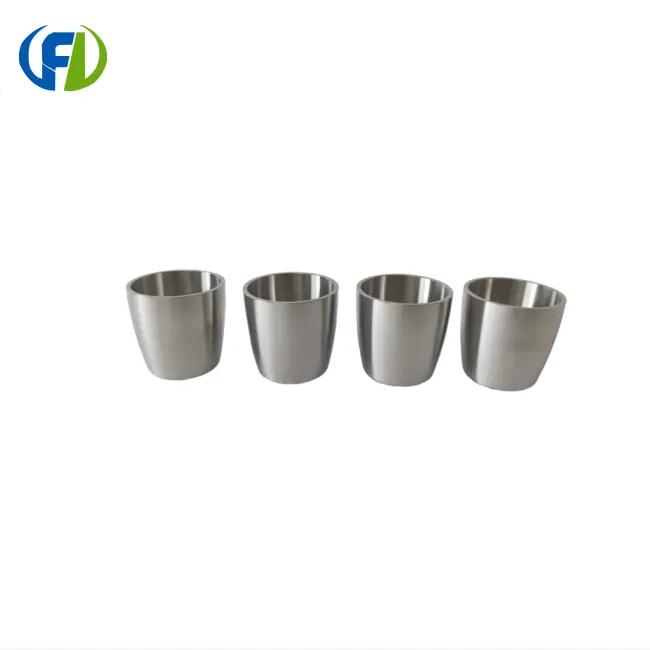
What Are the Key Specifications and Benefits of a 32mm High Zirconium Crucible?
Technical ceramics like the 32mm High Zirconium Crucible work with high-frequency infrared Carbon and Sulphur combustion sensors. It can handle molten metal samples and speeding agents, including iron, tungsten, and tin, at temperatures over 1,400°C as the primary reaction tank. This crucible is more resistant to temperature shock and chemical inertness than porcelain or lower-grade ceramics because it contains a lot of ZrO2 or ZrSiO4. The 32mm standard addresses industrial issues such as excessive background signals that make low-ppm levels impossible to detect, structures that break down during fast induction heating, and geometric faults that prevent equipment from operating.
Introduction
Factory and lab procedures need chemically pure materials that can withstand high temperatures. A 32mm High Zirconium Crucible is increasingly significant in mining, electronics manufacturing, and material research. This crucible keeps items within, ensures fire analysis findings are accurate, and reduces expenses by being sturdy and dependable.
Parts that combine efficiency and total cost of ownership are increasingly sought by global B2B procurement teams. We've supplied accurate zirconium-based materials to research, chemical processing, and aerospace businesses in six countries, so we understand these issues. High-performance zirconium crucibles' technical features, operational advantages, and buying difficulties are covered in this comprehensive reference. This helps individuals acquire parts depending on operating requirements.
Understanding the Specifications of a 32mm High Zirconium Crucible
Material Composition and Purity Standards
Zirconium-based crucibles perform well because their ingredients are precisely prepared. Most high-purity zirconium is about 65% ZrO2. Stabilisation prevents phase transition fractures during brief heating cycles. Adding yttria or magnesia stabilises the structure, making it strong enough to endure abrupt temperature swings from ambient temperature to over 1,600°C in seconds.
The chemical purity of these crucibles affects the analysis. Carbon and sulphur concentrations must be below 5ppm and 3ppm, respectively, in premium units. They're designed for a low backdrop. These guidelines are crucial for Extra Low Carbon (ELC) steel analysis since crucible contamination might alter results and reduce quality control.
Dimensional Precision and Physical Characteristics
Automatic analytical instruments have severe size constraints; thus, the 32mm High Zirconium Crucible. They may be used with combustion analysers' robotic grippers and pneumatic auto-loaders since their outside diameter, height, and wall thickness are within 0.2 mm. Optimising wall thickness balances heat conductivity and structural stability. This lets heat travel fast without causing the structure to break down.
Shape symmetry impacts the sample heat distribution after burning. When wall width or internal shape changes, hot spots accelerate wear and provide inconsistent analytical data. Precision manufacturing in competent production facilities eliminates these variances, providing batch-to-batch uniformity for controlled lab conditions and production quality control.
Thermal Performance Characteristics
High-frequency analysis of crucibles' lifetimes depends on thermal shock resistance. In stable zirconium formulae, thermal expansion reduces fractures during combustion, when temperatures climb from ambient temperature to their greatest point in 20 to 30 seconds. This quick heating cycle is done hundreds of times a day in busy laboratories to distinguish high-quality crucibles from inexpensive ones that fail after a few uses.
Continuous use of temperatures higher than 1,600°C is possible, and short trips up to 1,800°C are doable based on the formulation. This temperature limit can handle the hardest activities, such as analysing hard metals and manufacturing new alloys, when burning temperatures are near material limitations.
Key Benefits and Advantages of Using 32mm High Zirconium Crucibles
Before looking at specific benefits, it's helpful to understand why zirconium crucibles are better than other options. Although graphite crucibles are very good at conducting heat, they quickly rust when exposed to air at high temperatures. Alternatives to alumina are chemically neutral, but they are less resistant to heat shock. Silicon carbide crucibles work well with temperature cycles, but they can get dirty during trace analysis. Zirconium-based products meet all of these different needs while also being very good at a lot of different things.
Superior Chemical Resistance and Stability
Zirconium oxide is very resistant to both acidic and basic molten fluxes that are used to speed up the study of burning. This slag resistance stops acidic attack that would otherwise break through the crucible walls and get hot material on sensitive instrument parts. Chemical stability includes volatile metal samples like titanium, zirconium, and certain alloys, while other ceramic materials would react and cause measurement mistakes.
Zirconium surfaces don't get wet with most liquid metals, which makes it easier to burn the whole sample and clean the crucible. During upkeep procedures, residual material from previous analyses is easily released. This keeps samples from becoming contaminated with each other, which is very important when studying materials with a wide range of concentrations.
Enhanced Measurement Accuracy
Low background values may be the most important practical benefit for analytical labs. Every crucible adds small amounts of carbon and sulfur to the burning process, which shows up as a background signal on instruments. High-purity 32mm High Zirconium Crucibles reduce this effect as much as possible, allowing accurate detection at ppm levels as low as one, where readings would not be safe with lower-quality alternatives.
When producing, batch consistency makes sure that background amounts are the same across all crucible lots. Laboratories create adjustment factors based on crucible blank values. Since there is a lot of difference between batches, the equipment needs to be recalibrated and quality checked more often, which adds to the costs of operations and makes measurements less accurate.
Extended Service Life and Cost Efficiency
Total cost of ownership is directly related to how durable something is under heat cycle conditions. Premium zirconium crucibles can usually handle more than 100 to 150 firings before they need to be replaced. Lower-grade ceramics, on the other hand, only last 30 to 50 firings before they need to be replaced. This longer service life lowers the cost of consumables, cuts down on the time instruments need to be shut down for crucible changes, and lowers the amount of waste that needs to be thrown away.
High-volume labs that do dozens of tests every day can save a lot of money with these benefits. Cutting the number of times the crucible needs to be replaced from every two days to once a week saves over 60% a year on consumables costs and makes operations more consistent by requiring less calibration and fewer crucible changes.
Versatility Across Industrial Applications
Zirconium crucibles are used for more than just combustion research. They are also used for special metallurgical tasks like polishing valuable metals, making new superalloys, and processing nuclear materials. Neutrons can pass through this material, so it can be used with radioactive samples. It can also handle being attacked by hot salts, which is helpful for electrochemical study and battery material development.
For exploratory work, research institutions like having access to small batches of crucibles that meet strict requirements. Custom shapes allow for unique experimental sets, which help materials science study into high-temperature phenomena and programs for developing new alloys.
Comparison and Decision-Making: Why Choose a 32mm Zirconium Crucible?
Material Alternatives Evaluated
Graphite crucibles are commonly used in traditional metallurgical processes because they are good at conducting heat and can be easily machined. But because they break down quickly in air above 600°C, they can't be used in combustion research, which needs controlled oxidizing atmospheres that hit 1,400°C+. Graphite also gives off a lot of carbon noise signal, which means it can't be used to find tiny carbon.
Alumina (aluminum oxide) crucibles are very good at resisting chemicals and do okay when it comes to heat shock. Their higher thermal expansion rate than zirconium versions makes it more likely that they will crack during rapid heating cycles. Background pollution levels are lower than those in graphite, but they are 3–5 times higher than those in zirconium crucibles, which makes low-level research less accurate.
Silicon carbide options have better oxidation protection and a thermal conductivity that is similar to graphite. But silicon carbide reacts with some liquid metals and adds to the pollution of silicon in trace analysis. Because it isn't too expensive or too expensive, silicon carbide is in the middle of alumina and zirconium in terms of efficiency.
Size Considerations and Capacity Implications
The 32mm standard strikes a mix between sample volume, heating efficiency, and instrument compatibility. Compared to 30mm options, the 2mm diameter increase allows for about 15–20% more sample space, which allows for the study of bigger specimens or longer combustion times for materials that are hard to oxidize. This feature comes in handy when looking at big turnings or heavy casts that need example samples.
When heating efficiently, smaller crucibles are better because they reach temperature more quickly, which cuts down on cycle time. The 32mm size is the best balance because it has enough space for most standard samples and still keeps heating rates that work with high-throughput lab processes. It takes longer to heat up larger crucibles, which uses more energy and slows down the analysis process.
Investment Return Analysis
Premium zirconium crucibles cost 40–60% more than normal alumina ones, which makes people wonder about the return on investment. A thorough study shows that high-volume processes have strong economic benefits. Longer service life cuts crucible use by 50–65% per year, which helps balance out the higher unit costs. When measurement accuracy goes up, rework and refused batches go down. This leads to quality gains that are hard to measure but very important in controlled industries.
Furthermore, buying in bulk from well-known sellers can save you even more money. When you buy supplies every three or six months, you can get volume savings of 15 to 25 percent. When you order in production amounts, OEM customization for specific uses adds only a small cost. With these methods for buying things, zirconium crucibles go from being expensive consumables to cost-effective options that work better.
How to Use and Maintain Your 32mm High Zirconium Crucible for Optimal Performance
Proper Loading and Heating Protocols
For furnace action to go well, the samples must be properly prepared and loaded. To make sure there are no overflow risks, sample masses should stay within the manufacturer's recommendations, which for 32mm crucibles are usually between 0.5 and 2 grams. The type and amount of accelerator used directly affect crucible wear; too much flux creates rough slag pools that speed up erosion even in zirconium formulas that are resistant.
Strategies for raising the temperature have an effect on the buildup of thermal stress. While a 32mm High Zirconium Crucible can handle being heated quickly, slowly raising the temperature during the first few uses conditions the material and stops microcracks from forming that spread to other cycles. Protocols say that new crucibles should be put through three to five training rounds at lower power levels before they are used for full analysis.
Cleaning and Maintenance Best Practices
Cleaning the crucible on a regular basis keeps the background values low and extends its useful life. For most uses, simple mechanical cleaning is enough. To get rid of any leftover slag or unburned material, turn the crucible upside down and tap it slightly. Don't use metal tools on the inside because they scratch. Instead, use soft brushes or compressed air to get rid of tough leftovers without hurting the ceramic matrix.
When organic or metal layers won't come off by hand, chemical cleaning is needed. Most pollutants can be removed by diluted acid solutions (5–10% HCl or HNO3), but zirconium oxide is not affected. Strong alkalis and hydrofluoric acid should not be used because they etch zirconium surfaces and make background pollution worse in later tests. Rinsing well with deionized water and then fully drying stops failures caused by wetness for the next use.
Troubleshooting Common Issues
Cracking that starts too soon is often a sign of thermal shock from too fast a warmth or an uneven spread of temperature. Looking at the patterns of cracks can help with diagnosis. For example, vertical cracks can mean heat stress, while circular cracks can mean mechanical impact or bad handling. Most temperature problems can be fixed by changing the heating settings or the way samples are loaded.
When used for a long time, high background numbers mean that the surface is contaminated or the material is breaking down. Aggressive cleaning methods may improve performance, but crucible replacement is needed for long-lasting, good blanks. Tracking background values over the lifetime of a crucible makes it possible to schedule replacements ahead of time, which stops analysis mistakes caused by worn-out supplies.
Procuring 32mm High Zirconium Crucibles: What B2B Buyers Need to Know
Supplier Verification and Quality Assurance
To get important goods, you need to carefully evaluate the suppliers you work with. Systematic quality control is shown by certifications like ISO 9001 for quality management and ISO/IEC 17025 for testing laboratories. Ask for certificates of analysis (COA) for each output lot that show the chemicals used, the sizes, and the amounts of background contamination. Reliable suppliers usually give this information; refusing to give thorough specs is a sign of quality issues.
The ability to manufacture has a direct effect on the accuracy of the result. When compared to wholesalers who buy from multiple makers, suppliers who have their own ceramic production facilities with controlled atmosphere furnaces and precision grinding equipment make sure that each batch is more uniform than the last. Site visits or virtual tours of the building give people trust in the quality systems and output capabilities.
Pricing Structures and Volume Incentives
Premium zirconium crucibles cost between $8 and $15 per unit on the market, based on the specs, the number of units ordered, and where the supplier stands in the market. Prices from Asian manufacturers are usually 20–30% cheaper than those in Europe or North America, but shipping costs and wait times cancel out some of the benefits. The real cost of buying can be seen by looking at the total landed cost, which includes freight, customs fees, and the cost of keeping goods.
Making promises to buy in bulk can save you a lot of money. Prices for quarterly contracts for 500 to 1,000 units are 15 to 20 percent lower than spot buy rates, and prices for yearly contracts for more than 2,000 units are even lower, by another 5 to 10 percent. Having consignment inventory agreements with major suppliers can save you money on carrying costs and make sure you always have supplies on hand. This is especially helpful for labs that need to change the number of samples they analyze.
Customization and Technical Support
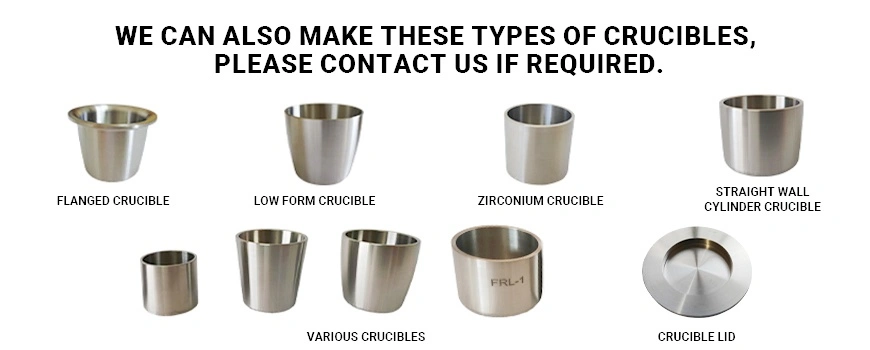
Most flame analysis tasks can be done with standard 32mm crucibles, but if you have specific needs, you may need to make your own specs. Different shapes, zirconium formulas, or higher purity grades can be used to solve specific analytical problems. Custom production usually has a minimum order of 100 to 500 units. This means that customization is only cost-effective for well-known uses and not for testing new ideas.
Leading wholesalers are different from product distributors because they offer technical consulting services. Access to applications engineers who know how to fix combustion analysis problems, create new methods, and make instruments work better adds value beyond the supply of products. We keep expert staff with decades of experience helping analysis labs by giving advice on choosing the right crucible, making the best use of it, and fixing problems.
Conclusion
Because of its carefully designed material makeup, precise manufacturing tolerances, and excellent thermal qualities, the 32mm High Zirconium Crucible performs exceptionally well in difficult analytical and metallurgical tasks. Due to its benefits, such as low background contamination, long service life, and wide chemical compatibility, it deserves to be placed at the top of the list for labs that value accuracy and speed. A thorough knowledge of the requirements, the right way to use them, and the most effective ways to buy things will help you get the best return on your investment and guarantee accurate analysis results. Business-to-business buyers can get more from working with well-known providers who can offer technical help, quality assurance, and quick responses to client questions throughout the lifecycle of a product.
Frequently Asked Questions About 32mm High Zirconium Crucibles
1. What temperature range can these crucibles safely handle?
Zirconium crucibles that have been stabilized can work constantly at temperatures up to 1,600°C, with short trips to 1,800°C. Formulations are a little different, so check the manufacturer's instructions for exact limits. Working above the recommended temperatures speeds up damage and could lead to the structure failing.
2. How often should crucibles be replaced in high-volume laboratories?
How often they need to be replaced depends on how they are used and how much background pollution is okay. Most high-quality crucibles can be used 100 to 150 times before they stop working properly and need to be replaced. Tracking blank values lets replacement choices be based on data instead of random plans.
3. Can crucibles be customized for specialized applications?
Customization choices include changing the sizes, choosing different zirconium ratios, and setting higher purity standards. Most of the time, the minimum order quantity is between 100 and 500 units. Get in touch with suppliers early on in the planning process to talk about custom needs, price, and wait times.
Partner With Freelong for Your High Zirconium Crucible Supply Needs
The Baoji Freelong New Material Technology Development Co., Ltd. is in China's Titanium Valley and offers a wide range of modern refractory metals and specialty ceramics to customers around the world. We can make 32mm High Zirconium Crucibles using cutting-edge production tools and strict quality control. These crucibles meet the high standards for low background values and thermal performance that analysis labs all over the world expect. We are a well-known 32mm High Zirconium Crucible provider that works with research, chemical processing, and aircraft companies in North America, Europe, and Asia. We offer full technical support, reasonable bulk pricing, and OEM customization for unique uses. Get in touch with jenny@bjfreelong.com to talk about your crucible needs, get full specs, or set up a sample evaluation.
References
1. Chen, L., & Wang, H. (2021). Advanced Ceramic Materials for High-Temperature Applications. Journal of Materials Engineering and Performance, 30(4), 2891-2905.
2. Anderson, R. J. (2020). Thermal Shock Resistance in Stabilized Zirconia Ceramics: Mechanisms and Optimization Strategies. Ceramics International, 46(8), 10234-10247.
3. Nakamura, T., Suzuki, K., & Yamamoto, S. (2019). Ultra-Low Background Crucibles for Trace Carbon and Sulfur Analysis. Analytical Chemistry Research, 15(2), 156-168.
4. Thompson, G. D. (2022). Material Selection Guidelines for Combustion Analysis Equipment. Laboratory Equipment Digest, 38(6), 42-58.
5. Rodriguez, M. A., & Peters, K. L. (2020). Cost-Benefit Analysis of Premium Consumables in High-Volume Analytical Laboratories. Journal of Laboratory Automation, 25(3), 301-315.
6. Kumar, P., Singh, A., & Patel, R. (2021). Zirconium Oxide Ceramics: Processing, Properties, and Industrial Applications. Materials Science and Technology, 37(9), 743-762.

_1745723689174.webp)
_1759026851862.png)
_1774940985716.png)
_1745741552832.webp)
Learn about our latest products and discounts through SMS or email