- English
- French
- German
- Portuguese
- Spanish
- Russian
- Japanese
- Korean
- Arabic
- Greek
- German
- Turkish
- Italian
- Danish
- Romanian
- Indonesian
- Czech
- Afrikaans
- Swedish
- Polish
- Basque
- Catalan
- Esperanto
- Hindi
- Lao
- Albanian
- Amharic
- Armenian
- Azerbaijani
- Belarusian
- Bengali
- Bosnian
- Bulgarian
- Cebuano
- Chichewa
- Corsican
- Croatian
- Dutch
- Estonian
- Filipino
- Finnish
- Frisian
- Galician
- Georgian
- Gujarati
- Haitian
- Hausa
- Hawaiian
- Hebrew
- Hmong
- Hungarian
- Icelandic
- Igbo
- Javanese
- Kannada
- Kazakh
- Khmer
- Kurdish
- Kyrgyz
- Latin
- Latvian
- Lithuanian
- Luxembou..
- Macedonian
- Malagasy
- Malay
- Malayalam
- Maltese
- Maori
- Marathi
- Mongolian
- Burmese
- Nepali
- Norwegian
- Pashto
- Persian
- Punjabi
- Serbian
- Sesotho
- Sinhala
- Slovak
- Slovenian
- Somali
- Samoan
- Scots Gaelic
- Shona
- Sindhi
- Sundanese
- Swahili
- Tajik
- Tamil
- Telugu
- Thai
- Ukrainian
- Urdu
- Uzbek
- Vietnamese
- Welsh
- Xhosa
- Yiddish
- Yoruba
- Zulu
How to Select TA1 Titanium Plates for Implant Applications
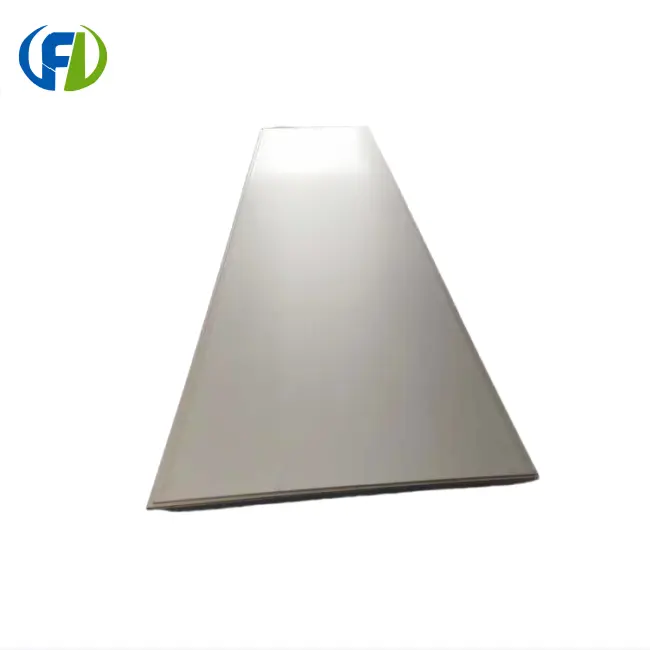
To choose the best TA1 Titanium Plate for an implant, you need to carefully look at its biocompatibility, functional qualities, and compliance with regulations. TA1 grade titanium is commercially pure titanium that is very resistant to rust and works well with living things, which makes it perfect for medical devices. When medical device makers choose these materials, they have to think about things like purity levels, surface finish quality, dimensional limits, and source certifications. The selection method has a direct effect on the safety of the patient, the life of the implant, and the success of governmental approval.
Understanding TA1 Titanium Plates in Implant Applications
Thanks to their excellent biocompatibility and rust resistance, TA1 titanium plates are one of a kind in the medical device business. These commercially pure titanium grade 1 materials have very few impurities, usually less than 0.18% oxygen, 0.20% iron, and 0.03% nitrogen. This makes sure that they work well in living settings.
Chemical Composition and Material Properties
The chemicals that make up TA1 titanium have a direct effect on how well it works for implants. Titanium that is industrially pure is very flexible and easy to work with. TA1 is the best type that is available. The low impurity percentage makes the material more biocompatible while still having enough mechanical strength for many implant uses.
The tensile strength of TA1 is between 240 and 340 MPa, and the yield strength is between 170 and 310 MPa. These are good enough mechanical qualities for implant parts that don't carry weight. The material can be shaped easily, which is needed for making implants, and it is more resistant to rust than most austenitic stainless steels when used in biological settings.
Manufacturing Process Considerations
The end quality of implant-grade TA1 plates is greatly affected by the heat treatment and surface finishing steps. Controlled oxygen annealing makes sure that the microstructure develops properly and that no contamination can hurt biocompatibility. Electropolishing and passivation are two surface processes that improve corrosion protection and smooth out the surface, which are both very important for the success of an implant.
For strict quality control during production, tests like chemical analysis, mechanical testing, and surface checking are used. These steps make sure that every TA1 titanium plate meets strict standards for medical devices and stays the same from one production batch to the next.
Criteria for Selecting TA1 Titanium Plates for Implant Applications
When medical device companies choose the right TA1 titanium plates for their implants, they have to look at a number of factors. These choices have a direct effect on how well the gadget works, how safe it is for patients, and how well it follows the rules.
Purity and Chemical Analysis Requirements
Ultra-high purity is a basic need for TA1 materials that are used in implants. Suppliers must give full chemical analysis reports that show the amounts of impurities in oxygen, nitrogen, carbon, hydrogen, iron, and minor elements. These papers make sure that the materials meet the requirements of ASTM F67 for use in medical implants.
Changes in mechanical qualities and biocompatibility performance can be avoided if the chemical makeup stays the same from batch to batch. Medical device makers should set standards for each chemical element and ask their providers to provide statistical process control paperwork.
Mechanical Property Specifications
The numbers for tensile strength, yield strength, and extension must match the needs of the implant. Compared to other titanium alloys, TA1 isn't very strong. This makes it good for uses that need good shapeability rather than high load-bearing capacity. Knowing these technical limits helps engineers choose the right materials for the jobs they want to do.
Surface finish needs rely on the type of implant and the places where the patient will touch it. Implant surfaces usually have Ra values between 0.1 and 0.4 micrometers, which means that they need to be carefully specified and checked during the incoming inspection process.
Regulatory Compliance and Standards
Following international guidelines, such as ISO 5832-2 and ASTM F67, and local rules for medical devices helps them get accepted in the market and keeps patients safe. These guidelines spell out the limits for titanium implant materials' chemical make-up, their mechanical properties, and how they should be tested for biocompatibility.
Supplier quality control systems must meet the standards of ISO 13485, which shows that medical-grade materials are always made in the same way. Quality standards are kept up throughout the supply chain with the help of regular checks and seller evaluations.
Comparing TA1 Titanium Plates with Alternative Materials for Implants
Knowing how TA1 titanium plates stack up against other implant materials helps companies that make medical devices choose the right materials. Different materials have different pros and cons that need to be carefully weighed against the needs of the application.
TA1 versus TA2 and Higher Titanium Grades
While TA1 titanium is stronger mechanically, TA2 titanium is less malleable because it has a few more impurities in it. When it comes to tensile strength, TA2 can go up to 450 MPa, but TA1 is better because it is more flexible and can handle more complicated shaping tasks better.
Higher grades of titanium, like TA3, and titanium alloys, like Ti-6Al-4V, have a lot more mechanical strength, but they give up some of the benefits of being biocompatible. For each application, the choice between pure titanium grades and alloys is based on the load needs and biocompatibility goals.
Comparison with Stainless Steel and Other Metals
Stainless steel 316L has been used as an implant material in the past, but it is not as biocompatible or resistant to rust as TA1 titanium. MRI imaging is also made harder by stainless steel's magnetic qualities. Titanium, on the other hand, is not magnetic, so these problems don't exist.
Tantalum and niobium are very biocompatible, but they cost a lot more than other metals. When compared to TA1 titanium, these materials are usually used in specific situations where their unique qualities make the higher price worth it.
Cost-Benefit Analysis Considerations
The cost of materials is only one part of the total cost of making implants. Because TA1 titanium is so easy to machine and shape, it often costs less to process than harder materials, which makes up for higher raw material prices. TA1's better resistance to rust and biocompatibility can also lower the risk of long-term health problems, adding value beyond the cost of the materials themselves.
Procurement Guide: Sourcing TA1 Titanium Plates for Implant Manufacturing
To get implant-grade TA1 titanium plates, you need to carefully evaluate suppliers, be clear about what you want, and make strong quality agreements. Medical device makers need to come up with complete buying plans that control costs and delivery times while ensuring the quality of materials.
Supplier Qualification and Assessment
Suppliers who are qualified must show that they meet quality standards for medical devices and keep the right certifications for making titanium. Some important things that are looked at are ISO 13485 approval, FDA registration for medical device materials, and proof that the company has supplied implant-grade titanium materials before.
For medical devices, supply chain transparency is very important, and sellers must be able to show full traceability from the sources of raw materials to the end processing. This paperwork backs up regulatory files and lets you quickly fix any quality problems that come up.
Pricing and Order Quantity Considerations
Implant-grade TA1 usually has a minimum order quantity of 100 to 500 kilos, but this can change based on the size of the plate and the supplier's capabilities. When you buy more, you can get savings on the price, but medical device makers have to weigh the costs of keeping supplies against the benefits of lower prices.
For unique sizes or processing needs, lead times can go up to 12 weeks, which means that production planning and inventory management need to be very careful. Standard sizes may be easier to get and have faster lead times, but custom specs often make better use of the material for certain uses.
Quality Agreements and Documentation
Complete quality agreements should include limits on chemical makeup, mechanical property needs, surface finish standards, and paperwork needs. These deals spell out what is expected of everyone and give legal grounds for dealing with any quality problems.
Each package of materials must include a certificate of analysis that includes full chemical analysis, mechanical test results, and an account of how the materials were processed. This paperwork helps with following the rules and makes sure that the review methods for new items work well.
Best Practices for Working with TA1 Titanium Plates in Implant Production
To get the most out of TA1 titanium plates' performance potential, you need to know how to handle, machine, and process them correctly. These best practices help keep materials from breaking down and keep quality high throughout the whole manufacturing process.
Machining and Fabrication Techniques
When the right methods are used, TA1's excellent machinability makes it possible to precisely control dimensions and achieve better surface finishes. When grinding, using sharp cutting tools and cutting at the right speed keeps the work from stiffening and keeps heat production to a minimum. Flood cooling systems help keep the temperature under control and keep the process from getting dirty.
Inert gas protection is needed during welding to keep materials from oxidizing and their features from changing. Tungsten inert gas welding gives you great control and makes high-quality parts that can be used in implant applications. It may be necessary to do a heat treatment after the welding process to ease stresses and improve the microstructure.
Surface Treatment and Finishing Options
For implant uses, surface processes make things more biocompatible and less likely to rust. Electropolishing gets rid of flaws on the surface and leaves a smooth, inactive layer that helps the tissue stick together. In orthopedic uses, chemical etching can be used to make certain surface patterns that help bones grow.
Nitric acid solutions are used in passivation processes to get rid of surface contaminants and help the natural oxide layer grow. These processes make the surface less likely to rust and make sure that the surface chemistry is the same on all implant parts.
Quality Control and Testing Protocols
The chemical make-up, mechanical properties, and size requirements for each material lot should be checked by incoming screening processes. Non-destructive testing, such as ultrasound inspection, can find flaws inside implants that could make them less effective.
X-ray photoelectron spectroscopy and other methods for checking for surface contamination make sure that cleaning standards are met throughout the processes. These methods of analysis give numbers that back up claims of biocompatibility and regulatory applications.
Conclusion
When choosing the right TA1 titanium plates for implant applications, it's important to look at the properties of the material, the skills of the provider, and the rules and regulations. Because TA1 is so biocompatible and doesn't rust, it's a great material for many medical device uses, and its excellent shapeability lets it be used to make implants with complicated shapes. Manufacturers of medical devices have to weigh the prices of materials against the benefits of efficiency while also making sure they meet strict quality standards. To make the most of the benefits this amazing material already has, execution needs to include qualified sources, strong quality systems, and the right processing methods.
FAQ
Q1: What makes TA1 titanium plates suitable for implant applications?
Because they are very pure and don't contain many impurities, TA1 titanium plates are very biocompatible. Due to its high resistance to corrosion in biological settings, non-toxicity, and ability to blend in with human flesh, the material is perfect for creating implants. When TA1 comes in touch with body fluids, it doesn't react badly as many other metals do.
Q2: How do TA1 titanium plates compare to TA2 for medical applications?
TA1 is better at being biocompatible than TA2 because it has fewer impurities. However, it has a slightly lower mechanical strength. Because TA1 is easier to shape and has better surface finish, it is better for uses that need complicated shaping or high-quality surfaces. TA2 is stronger, but it might not be as good for sensitive transplant uses that need to be as biocompatible as possible.
Q3: What certifications should suppliers provide for implant-grade TA1 titanium?
Suppliers should show proof that they follow ASTM F67, have ISO 13485 approval, and give full chemical analysis reports. It is also necessary for medical device materials to be registered with the FDA and for raw material sources to provide proof of tracking. These certifications help the government clearance process and make sure that materials meet strict standards for medical devices.
Q4: What are the typical lead times for custom TA1 titanium plate orders?
Custom TA1 titanium plates usually take between 8 and 12 weeks to make, but this depends on the size and processing needs. Standard sizes may be available, and the wait time is cut down to 4 to 6 weeks. Delivery times can be pushed back by complicated surface processes or special certifications, so production needs to be carefully planned.
Q5: How should TA1 titanium plates be stored to maintain quality?
TA1 titanium plates should be kept in dry, clean places that are away from things that could be harmful. Protective packaging keeps surfaces from getting damaged or dirty while they are being stored. Controlling the temperature and humidity helps stop rusting, and following the right handling steps keeps the surface quality and accuracy of the measurements.
Partner with Freelong for Premium TA1 Titanium Plate Solutions
Baoji Freelong New Material Technology Development Co., Ltd is ready to meet your needs for implant-grade TA1 titanium plates with quality and dependability that will not be compromised. Our extensive production skills and strict quality control systems make sure that every TA1 Titanium Plate meets the strictest requirements for medical devices. We are located in China's famous Titanium Valley. Our skilled technical staff will give you personalized advice to help you choose the best materials for your implant needs, and our well-established supply lines will make sure that you always get your orders on time. Get in touch with our experts at jenny@bjfreelong.com to talk about your TA1 titanium plate supply needs and find out how our proven knowledge can help your medical device manufacturing success.
References
1. Brunette, D.M., Tengvall, P., Textor, M., & Thomsen, P. (2012). Titanium in Medicine: Material Science, Surface Science, Engineering, Biological Responses and Medical Applications. Springer Science & Business Media.
2. Rack, H.J. & Qazi, J.I. (2006). Titanium alloys for biomedical applications. Materials Science and Engineering: C, 26(8), 1269-1277.
3. Niinomi, M. (2008). Mechanical biocompatibilities of titanium alloys for biomedical applications. Journal of the Mechanical Behavior of Biomedical Materials, 1(1), 30-42.
4. Liu, X., Chu, P.K., & Ding, C. (2004). Surface modification of titanium, titanium alloys, and related materials for biomedical applications. Materials Science and Engineering: R: Reports, 47(3-4), 49-121.
5. Geetha, M., Singh, A.K., Asokamani, R., & Gogia, A.K. (2009). Ti based biomaterials, the ultimate choice for orthopaedic implants – A review. Progress in Materials Science, 54(3), 397-425.
6. Williams, D.F. (2008). On the mechanisms of biocompatibility. Biomaterials, 29(20), 2941-2953.

_1772433402755.png)
_1744363196776.webp)
_1745891737910.webp)
Learn about our latest products and discounts through SMS or email