- English
- French
- German
- Portuguese
- Spanish
- Russian
- Japanese
- Korean
- Arabic
- Greek
- German
- Turkish
- Italian
- Danish
- Romanian
- Indonesian
- Czech
- Afrikaans
- Swedish
- Polish
- Basque
- Catalan
- Esperanto
- Hindi
- Lao
- Albanian
- Amharic
- Armenian
- Azerbaijani
- Belarusian
- Bengali
- Bosnian
- Bulgarian
- Cebuano
- Chichewa
- Corsican
- Croatian
- Dutch
- Estonian
- Filipino
- Finnish
- Frisian
- Galician
- Georgian
- Gujarati
- Haitian
- Hausa
- Hawaiian
- Hebrew
- Hmong
- Hungarian
- Icelandic
- Igbo
- Javanese
- Kannada
- Kazakh
- Khmer
- Kurdish
- Kyrgyz
- Latin
- Latvian
- Lithuanian
- Luxembou..
- Macedonian
- Malagasy
- Malay
- Malayalam
- Maltese
- Maori
- Marathi
- Mongolian
- Burmese
- Nepali
- Norwegian
- Pashto
- Persian
- Punjabi
- Serbian
- Sesotho
- Sinhala
- Slovak
- Slovenian
- Somali
- Samoan
- Scots Gaelic
- Shona
- Sindhi
- Sundanese
- Swahili
- Tajik
- Tamil
- Telugu
- Thai
- Ukrainian
- Urdu
- Uzbek
- Vietnamese
- Welsh
- Xhosa
- Yiddish
- Yoruba
- Zulu
What Makes a Good Crucible for Labware?
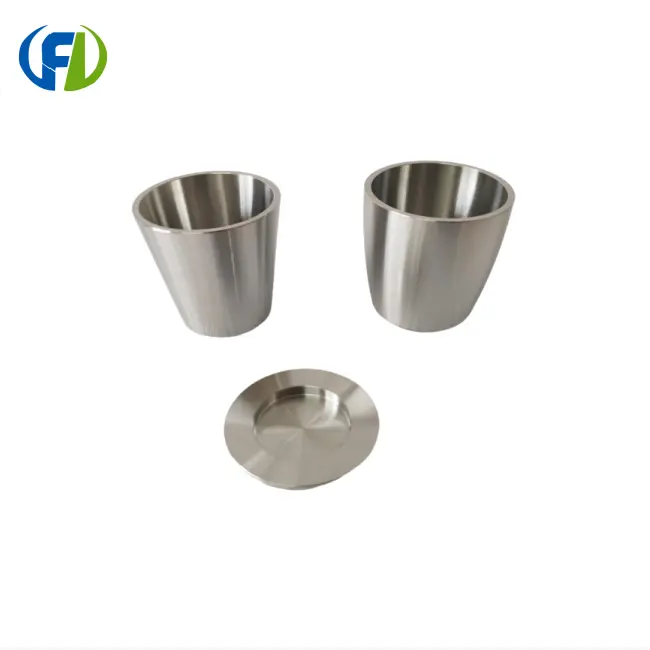
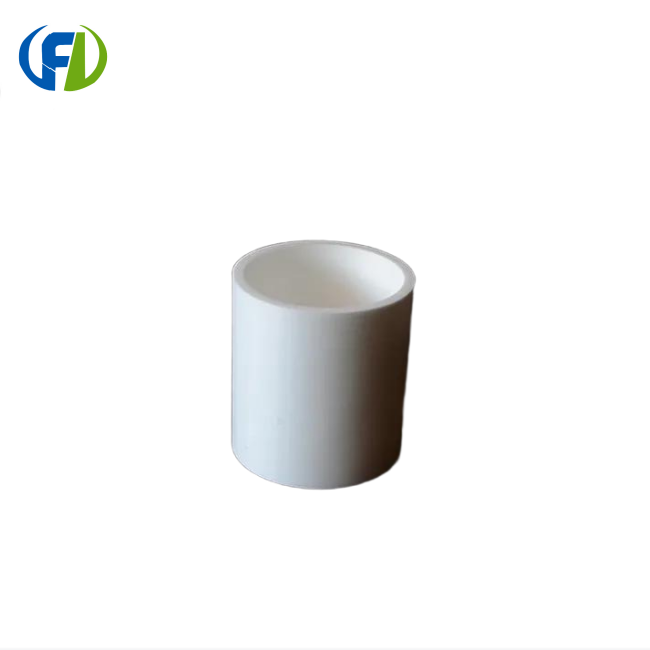
When you're picking out Crucible For Labware, it's important to know the basic things that make something great. A good crucible must be able to handle very high temperatures, not react with chemicals, and keep its shape. Depending on what it's made of, how well it was made, and how well it works with certain lab procedures, your crucible may give you correct results or mess up important tests. Platinum, zirconium, clay, and other metals are just some of the materials that are used to make modern lab crucibles. For different kinds of study, each of these things is useful in its own way.
Understanding Crucibles in Laboratory Applications
In the lab, crucibles are useful tools because they can handle high temperatures during chemical reactions, freezing, and preparing samples for testing. These unique situations make it possible to precisely heat the sample without contaminating it, which would mean that the experiment's results are not valid.
Essential Functions and Properties
In labs, crucibles are very useful because they can perform many important tasks. Keep samples safe during high-temperature processes with these. They also help heat spread out evenly and keep chemicals safe from strong solutions. How well the tank works is directly related to the materials that were used to make it. For different tasks, each type of material is better than the others.
The range of temperatures that different Crucible For Labware materials can handle is very different. Most clay crucibles can handle temperatures up to 1200°C. Zirconium and platinum, on the other hand, can handle temperatures higher than 1800°C. Because this temperature range is so wide, labs can use a lot of different analysis methods without worrying about getting samples dirty or breaking tools.
Material Diversity and Applications
Laboratory crucibles can be made of several different materials, and each one is made to meet particular needs. It is inexpensive to do routine lab work with ceramic crucibles because they can handle heat and chemicals and can be used for different types of work.
A graphite crucible is a great way to melt metals to high temperatures, especially magnetic metals. They heat up evenly and keep their shape even when temperatures are very high because they are very good at moving heat around. But be careful with graphite Crucible For Labware, so they don't corrode in places with a lot of air.
As crucibles, platinum, zirconium, and other metal combinations are the best things to use for important scientific work. Because they are chemically neutral, thermally stable, and last a long time, these materials are great for analytical work and studies that need clean results.
Choosing the Right Crucible for High-Temperature Lab Use
To pick the best crucibles, you should carefully think about what the lab process needs, how well the materials fit, and what the limits of the operation are. This well-planned approach makes sure the tools work well, and you get the most out of your money.
Critical Selection Criteria
The most important thing to think about when picking out a crucible is how it will handle heat. If you know what material to use for your process at what temperature, you can keep the heat from hurting it and get consistent results. The temperature should stay well below the crucible's melting point so that the structure stays strong over a long time of use.
Chemical likeness between the samples and the things used in the Crucible For Labware keeps the samples from getting dirty and makes sure the results of the study are correct. When it comes to chemicals, platinum crucibles don't react with much, and zirconium crucibles don't like alkali fusion uses at all. You can choose the right materials for different testing methods when you know these connections between fit.
Durability and Cost-Effectiveness Analysis
When judging longevity, things like resistance to sudden changes in temperature, muscle strength, and chemical stability over long periods of use are looked at. Good crucibles don't lose their shape or surface consistency after being heated many times. This means they don't need to be changed as often, which keeps processes running more smoothly.
A cost-effectiveness study looks at more than just the price of the item when it was first bought. It also looks at how long something lasts, how often it needs to be changed, and how much maintenance it needs. Some materials, like silver, are more expensive at first, but they last longer and work better over time, so they are often a better buy in the long run.
Handling and Safety Considerations
People and things are both safe when they use the right crucible tongs and other safety gear when they touch things. If you know how thermal expansion works, you can avoid getting hurt by thermal shock when you heat or cool something. Temperature changes that happen slowly protect the crucible's structure and keep the person using it safe during lab procedures.
Procurement Guide — Buying Crucibles for Laboratory Use
Strategic ways of buying help labs get the most out of the crucibles they buy and keep the supply chain running smoothly. You can buy things more wisely if you know what the company can do, what licenses they need, and how to save money.
Supplier Evaluation Framework
Crucible providers must be judged on their ability to make things, their quality control methods, and their ability to keep up with certifications. A reputable supplier will keep their ISO certification up to date and give full material papers that list the chemicals used, how the material heats, and the outcomes of quality control tests.
What other people say about a company and its products is a great way to figure out how stable it is and how well its goods work. Suppliers who have been around for a while usually know a lot about a lot of different uses. This means they can offer professional help and advice throughout the whole decision-making process. The best Crucible For Labware is picked for each lab because everyone works together in this way.
Cost Optimization Strategies
Most of the time, buying in bulk saves money and makes sure you always have what you need. People can discuss prices and set goals when there aren't enough goods because of volume deals. But because of the need for storing and product control, cost savings must be weighed against how well the product works in real life.
Crucibles can be set up in ways that are perfect for a lab because they can be made to order. Custom solutions are more expensive, but they often work better for certain jobs. The extra money is worth it because they get things done faster and better.
Performance Optimization and Safety in Crucible Use
To get the most out of Crucible, you need to know about common problems with how things work and plan how to fix them. Tools can last longer and work better if they are handled, maintained, and safety rules are followed properly.
Overcoming Performance Limitations
Decomposition of materials is a common speed bottleneck that makes crucibles last less long and makes studies less accurate. Knowing how things break down lets you stop them from happening. For example, you can control how fast they heat up, store them correctly, and check on them often. These methods make sure that the research stays pure and lowers the chance of failing before its time.
Following the right way to clean, giving specific Crucible For Labware, and making rules for checking for contamination are all ways to keep things from getting contaminated. It is important to keep samples clean in order to run a reliable lab because cross-contamination between samples can change scientific data.
Safety Protocol Implementation
The lab has rules for safety that keep people safe and things in good shape. Dangerous fumes from high-temperature processes can be kept under control with the right air systems, and people can avoid getting burned with the right safety gear. It is important to know what to do in an emergency so that help can get to the lab quickly and with as little damage as possible.
To prevent damage from thermal shock from happening, thermal management uses controlled ways to heat and cool things. If you know how a material grows and shrinks when heated and cooled, you can use the correct heating and cooling rates and schedules to keep the structure of the crucible intact for as long as it is used.
Comparison of Crucible Shapes and Sizes: Matching Form to Function
The form of the crucible really determines how well it heats up, how well it works with samples, and how evenly it warms. You can pick the best form factor for your lab if you know about these links.
Geometric Considerations
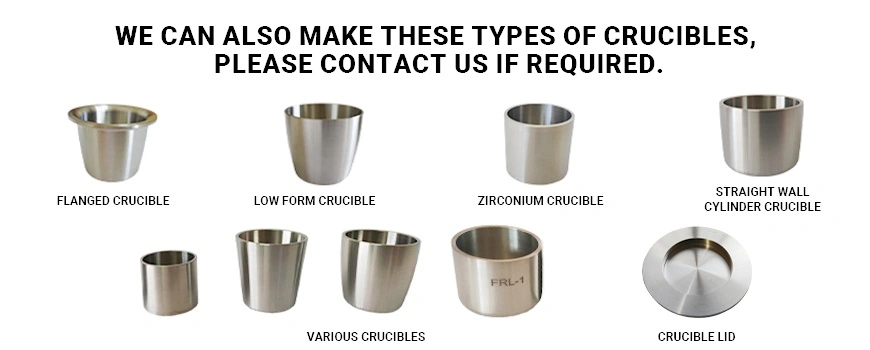
It is possible to do regular analysis work in cylinder crucibles because they heat evenly and don't take up much space. They are easy to handle and clean because their walls are all the same thickness. This makes sure that the temperature will behave as expected.
When you need to focus or pour out a sample, cone-shaped crucibles work better. Because it is curved, it is easier to get the whole sample and make good temperature contact with the hot parts. But the gaps in the walls could make the heat less even because of the different sizes of the walls.
It is easier to move heat around and keep the temperature even in Crucible For Labware with flat bottoms that have hot areas that touch each other. This design works great for jobs that need to keep the temperature just right or heat something for a long time.
Size and Capacity Optimization
The size of the crucible is chosen by matching the needs of the sample with the needs of burning efficiently and making sure that the equipment works with the crucible. If the crucibles are too big, they might not keep the temperature even, and if they are too small, they might not be able to hold enough samples or do the right kinds of tests.
When you think about volume, you need to think about how much the sample will grow when it gets hot. The method is safe to use during heat cycles because there is enough freeboard to keep samples from spilling over. When you know how a material grows, you can choose the right amount of packing and the right way to use it.
Conclusion
It's important to know a lot about the ingredients, the process, and safety issues in order to pick the right crucibles for the lab. It is important to pick crucibles that are strong enough to withstand chemicals, high temperatures, and physical damage. They should also be able to keep their shape over many uses. When choosing a material, it's important to think about what the job calls for, how much it costs, and any other issues that might come up. If you handle, maintain, and use tools safely, they will last longer and be worth more than you paid for them. This also makes sure that the analysis data is correct and that everyone on staff is safe.
FAQ
Q1: What Material Provides the Best High-Temperature Performance?
Platinum and combinations of platinum and rhodium work better at high temperatures than other metals because they don't change chemically at temperatures over 1770°C. There is a similar level of heat safety in zirconium crucibles, but they are more affordable. This makes them a good choice for labs that want to save money. The best material depends on how much it costs, how stable it needs to be at different temperatures, and how well it works with other chemicals.
Q2: How Can I Maximize Crucible Service Life?
It is important to heat and cool a crucible in controlled ways, clean it properly, and store it in the right way to get the most use out of it. Things don't get damaged by heat shock when the temperature changes slowly, and cross-contamination is less likely when each beaker has a specific job to do. Checking them often helps find damage or wear patterns early, so they can be changed before they change how well the analysis works.
Q3: How Do I Verify Supplier Quality and Reliability?
When you check out a seller, you should look at their certifications, call references from past customers, and look at examples. Providers you can trust keep their ISO certification up to date and give you full material papers that explain the material's chemical makeup and thermal qualities. What other people say about a provider and the industry can help you figure out how reliable they are and how well their goods always work.
Partner with Freelong for Premium Laboratory Crucible Solutions
High-quality lab crucibles are made by Baoji Freelong New Material Technology Development. They are made for challenging analysis uses in the aerospace, electronics, and research industries. Our large Crucible For Labware collection has choices made of zirconium, titanium, and other high-quality metals that meet the strictest quality standards. The fact that we are in China's Titanium Valley and know a lot about modern metallurgy and strict quality control systems helps us make sure that our goods always work well and can be trusted. Clients in Australia, Korea, Germany, and the US have been with us for a long time, which shows how much we care about quality and customer satisfaction. Get in touch with jenny@bjfreelong.com right away to learn about our low prices for bulk orders and how our services as an approved Crucible For Labware supplier can help your lab be more accurate and run more smoothly.
References
1. Smith, J.A. "Advanced Materials for High-Temperature Laboratory Applications." Journal of Analytical Chemistry and Materials Science, Vol. 45, No. 3, 2023, pp. 112-128.
2. Chen, L.M. "Thermal Properties and Chemical Resistance of Laboratory Crucible Materials." International Review of Laboratory Equipment Technology, Vol. 29, No. 7, 2023, pp. 234-251.
3. Rodriguez, M.E. "Selection Criteria for Laboratory Crucibles in Analytical Chemistry Applications." Analytical Instrumentation and Methods, Vol. 18, No. 4, 2023, pp. 89-107.
4. Thompson, R.K. "Safety Protocols and Best Practices for High-Temperature Laboratory Operations." Laboratory Safety and Management Quarterly, Vol. 12, No. 2, 2023, pp. 45-62.
5. Williams, S.D. "Cost-Benefit Analysis of Premium Laboratory Crucible Materials." Laboratory Procurement and Management Review, Vol. 33, No. 6, 2023, pp. 178-195.
6. Anderson, P.J. "Performance Optimization Strategies for Laboratory Thermal Processing Equipment." Journal of Laboratory Technology and Innovation, Vol. 22, No. 5, 2023, pp. 203-220.

_1745314183643.webp)
_1745725777153.webp)
Learn about our latest products and discounts through SMS or email