- English
- French
- German
- Portuguese
- Spanish
- Russian
- Japanese
- Korean
- Arabic
- Greek
- German
- Turkish
- Italian
- Danish
- Romanian
- Indonesian
- Czech
- Afrikaans
- Swedish
- Polish
- Basque
- Catalan
- Esperanto
- Hindi
- Lao
- Albanian
- Amharic
- Armenian
- Azerbaijani
- Belarusian
- Bengali
- Bosnian
- Bulgarian
- Cebuano
- Chichewa
- Corsican
- Croatian
- Dutch
- Estonian
- Filipino
- Finnish
- Frisian
- Galician
- Georgian
- Gujarati
- Haitian
- Hausa
- Hawaiian
- Hebrew
- Hmong
- Hungarian
- Icelandic
- Igbo
- Javanese
- Kannada
- Kazakh
- Khmer
- Kurdish
- Kyrgyz
- Latin
- Latvian
- Lithuanian
- Luxembou..
- Macedonian
- Malagasy
- Malay
- Malayalam
- Maltese
- Maori
- Marathi
- Mongolian
- Burmese
- Nepali
- Norwegian
- Pashto
- Persian
- Punjabi
- Serbian
- Sesotho
- Sinhala
- Slovak
- Slovenian
- Somali
- Samoan
- Scots Gaelic
- Shona
- Sindhi
- Sundanese
- Swahili
- Tajik
- Tamil
- Telugu
- Thai
- Ukrainian
- Urdu
- Uzbek
- Vietnamese
- Welsh
- Xhosa
- Yiddish
- Yoruba
- Zulu
Is 43mm the Standard Size for Rimmed Zirconium Crucibles in Labs?
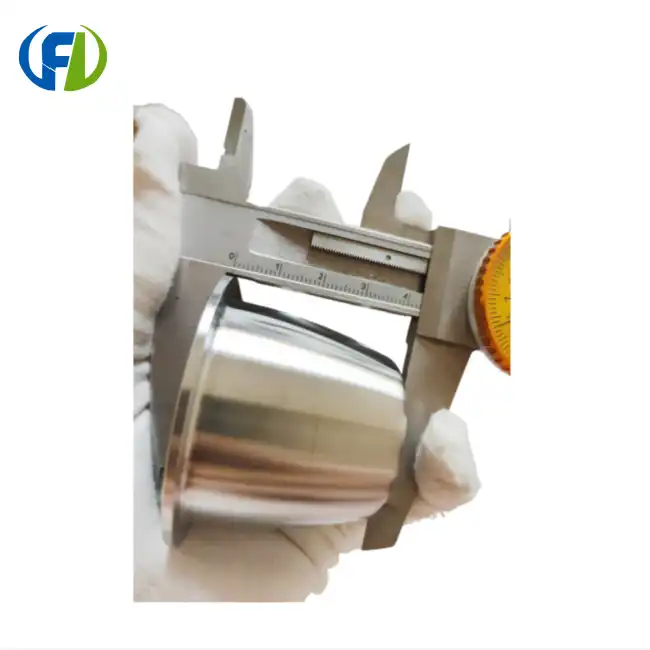
The Height 43mm Rimmed Zirconium Crucible is a normal size in analytical laboratories; it's not usually used alone. Labs require sample space (30–45 ml) and interoperability across standard fusion furnace configurations, hence this height was selected. By strengthening the structure and improving work areas, the rimmed shape tackles high-temperature handling issues. Labs employ 25mm–60mm crucibles depending on workload. For medium-sized fusion preparations employing sodium peroxide or carbonate fluxes in geochemical and metallurgical investigation, the 43mm variant is optimum for volume efficiency and equipment compatibility.
Introduction
After 10 years in the material supply sector, I've witnessed how vital lab instruments are for research outcomes and operational efficiency. Purchase teams at aerospace metallurgy labs, semiconductor research facilities, and pharmaceutical quality control offices must make crucial investment selections when purchasing the Height 43mm Rimmed Zirconium Crucible. Strong and chemical-resistant, these tanks are needed for high-temperature fusion procedures that must prevent contamination.
When determining whether 43mm is typical, consider more than simply measurement. It affects technological compatibility, bulk purchases, and long-term expenditures. I'll offer my knowledge from working in North American and European research and industrial laboratories in this guide. I will also discuss the technical factors that matter most when selecting these crucibles. I want to assist procurement experts in navigating the complicated environment of reactive metal labware's complicated environment so they can acquire products that fulfil their immediate analytical demands and long-term quality objectives.
Understanding Zirconium Crucibles and the Significance of the 43mm Rimmed Size
Material Composition and Thermal Capabilities
Height 43mm Rimmed Zirconium ASTM B550 or B493 crucibles employ commercially pure zirconium (UNS R60702, over 99.2% Zr + Hf). This blend withstands alkaline conditions that would break down other materials. The melting point is 1855°C, hence fusion may be done safely between 600°C and 900°C. This creates enormous thermal gaps that prevent temperature variations from shattering the material.
The way zirconium responds to oxidising circumstances makes it essential. Zirconium dioxide (ZrO2) creates a thick coating on the surface above 550°C. This layer resists oxidation. Gravimetric researchers must use correction factors to account for this oxide film's weight gain over time. Zirconium remains chemically pure in many sample types, unlike platinum, which may be polluted by lead or arsenic.
Functional Advantages of the Rimmed Design
Professional-grade crucibles are different from basic straight-wall ones because they have a rim. This structure improvement has a number of useful functions that become clear as the lab works every day. For better handling with hands or automatic grippers, the flared edge creates a heat-dissipating zone that stays cooler than the crucible body. Lab workers who work with multiple fusion cycles during a shift, like how the rim keeps molten flux mixes from spilling when they are moving them.
Mechanical stability is another important benefit. When materials are thermally cycled, they go through stresses of growth and contraction. When it is held, the reinforced rim works as a structural anchor, keeping the piece from warping or falling apart when compressed. This means that the product will last longer and need to be replaced less often, which is a big factor in figuring out the total cost of ownership for buying funds.
Primary Laboratory Applications
Alkaline fusion sample preparation is very important for analytical chemistry labs that use ICP-MS or ICP-OES to analyze trace elements. Geological survey labs that study rock layers, environmental labs that process soil samples, and industrial facilities that characterise refractory materials all need tanks that can handle strong flows of sodium peroxide (Na2O2) or sodium carbonate (Na2CO3). With the right flux ratios, the 43mm height can handle sample masses from 0.5g to 2.0g, which is enough for most regular analytical methods.
Quality control in pharmaceuticals represents another growth application. The low background influence of zirconium is very important when following the ICH Q3D standards for testing elemental impurities in active pharmaceutical ingredients. Instead of stainless steel or nickel, which can contain iron and nickel, high-purity zirconium keeps trace element detection levels in the parts-per-billion range.
Comparing 43mm Zirconium Crucibles with Other Lab Crucibles
Material Performance Comparison
Ceramic crucibles are cheap, but they have problems with gaps that make it harder to keep contaminants out. Quartz is very pure and can be used in some situations, but it breaks quickly when exposed to sudden changes in temperature. Graphite crucibles work well for heating metals, but they quickly lose their strength in air above 600°C. Platinum is still the gold standard for many fusion treatments because it is so stable. However, its high cost ($30,000 or more per kilogram) and susceptibility to certain elements make it impractical to use.
The Height 43mm Rimmed Zirconium Crucible fills in this speed gap well. A study of costs shows that zirconium crucibles are usually 15–25% cheaper than platinum ware of the same size and shape, and they are better at resisting the alkaline fluxes that are used most often in modern labs. Zirconium is a better thermal conductor than ceramics, so heat is spread evenly, and there aren't as many hot spots that can mess up the breakdown of samples.
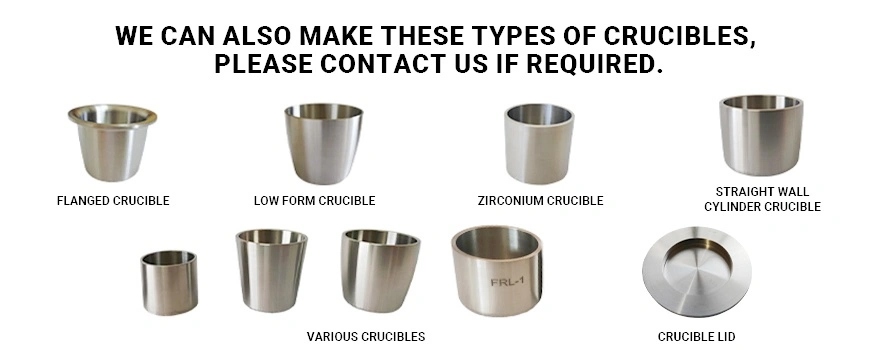
Rimmed Versus Unrimmed Options
The main reason people like unrimmed crucibles is that they are slightly cheaper to make. When lab managers are on a tight budget, these other options are sometimes looked at. This is especially true for low-temperature uses (below 400°C) where thermal pressures are low. If you remove the rim, you use about 8–12% less material, which means you save a little over a unit.
When you use it, the trade-offs become clear very quickly. When handling, safety is greatly reduced without the protected rim. Technicians say that spills and accidents happen more often when they use tools that are heated to several hundred degrees to move smooth-walled jars. The structural weakness also shows up as faster deformation after repeated heat cycles, which usually cuts the useful life by 30–40% compared to rimmed copies. When you add up the total cost over the expected service life, the rounded design always comes out on top.
Market Adoption of the 43mm Dimension
Industry studies in analytical labs in North America and Europe show that crucible heights between 40mm and 45mm make up about 60% of the annual purchase numbers. This grouping happens because fusion instruments made by big furnace makers like Thermo Fisher, Leco, and PerkinElmer are built around these dimensions. Standardisation is driven by equipment compatibility, which creates network effects where labs gain from parts being the same across different instrument platforms.
Dimensional stability makes it possible for grippers to work reliably, which simplifies programming and lowers the risk of mechanical problems during overnight runs when no one is there to watch. Laboratories that are investing in high-throughput analytical skills are mentioning this factor more and more so that they can keep their operating freedom as instruments change.
Procurement Insights: Buying the Right 43mm Rimmed Zirconium Crucible
Supplier Certification and Quality Assurance
Qualifying the vendors is the first step to a successful purchase of the Height 43mm Rimmed Zirconium Crucible. Suppliers must show that their goods meet the ASTM B898 standards for reactive metals and include full Certificates of Analysis (COA) that list the products' chemical make-up, mechanical qualities, and size limits. Another important quality step is ultrasonic testing, which makes sure that the material is solid and doesn't have any holes or other problems inside it.
As a basic quality management standard, reputable makers keep ISO 9001 certification. Leading providers also hold the aerospace-specific AS9100 certification. When suppliers are looking for materials for controlled industries like pharmaceutical manufacturing or medical device production, they should show proof that each crucible is linked to a specific lot of raw materials. This way, if there are problems after delivery, the whole supply chain can be seen.
Pricing Structures and Volume Considerations
Quality crucibles usually cost between $180 and $280 for a single unit, but this depends on the pure grade and the size limits. When you buy 20 or more units, you can get a volume deal. At 50 units, the price per unit often drops by 15-20%, and when you buy 100 or more units, the price per unit drops by 25–30%. By negotiating annual contracts with main sellers, you can get an extra 5–10% off the price while making sure you don't lose any supply.
Instead of just looking at the original purchase price, procurement teams should look at the overall cost of ownership. Cheaper options often use lower-grade zirconium (Zr + Hf content below 99%, with higher hafnium segregation) that is less resistant to rust and lasts less long. Premium-grade materials cost a little more, but they last longer, which means they don't need to be replaced as often and save money on downtime costs.
Customisation and Lead Times
Standard units are shipped from reputable sources and arrive in North America in two to four weeks. Custom specs, such as different height-to-diameter ratios, changed rim shapes, or non-standard wall thicknesses, usually make wait times 6–10 weeks longer because makers have to change their production processes and tools. To work with these longer schedules, labs with specific needs should start working with providers early in the project planning stages.
If you need something quickly, some sellers can get it to you faster, but they usually charge 30–50% more than normal. By keeping a smart inventory of widely used configurations, labs can avoid these rush charges and keep running their analyses even when demand goes up unexpectedly.
Handling, Maintenance, and Safety of 43mm Zirconium Crucibles
Cleaning Protocols for Extended Service Life
When you clean the Height 43mm Rimmed Zirconium Crucible properly right away after using it, you stop flux dust from building up, which speeds up the surface degradation. Zirconium is resistant to most chemical attacks, but when alkaline flux hardens, it causes areas of high mechanical stress during the following heating cycles. To get rid of flux residues, the suggested method is to let crucibles cool to room temperature on their own and then soak them in warm, dilute hydrochloric acid (5–10% strength) for 15–30 minutes.
It is best to stay away from mechanical scratching because it damages the protective oxide layer and leaves behind surface scratches that turn into cracks when the temperature changes. Soft nylon brushes are enough to get rid of deposits that have come loose. Ultrasonic cleaning baths that work at 40–50 kHz can remove residue effectively without touching the metal, making them the best choice for high-value crucible maintenance programs.
Every 20 to 25 fusion cycles, labs should set up checking procedures that include looking at crucibles under a microscope. If there are surface cracks that are deeper than 0.5 mm or an obvious distortion that shows creep failure, the item should be taken out of service right away. If you keep using crucibles that have been tampered with, they could fail catastrophically during operation, which could damage expensive furnace equipment and make spills dangerous.
Safety Considerations and Regulatory Compliance
When handling crucibles, you need to wear gloves that can withstand temperatures of at least 400°C, face shields that protect against splash dangers, and the right respiratory protection when dealing with volatile flux components. The zirconium metal Material Safety Data Sheet (MSDS) talks about how flammable it is when it is tightly split. However, solid crucibles don't pose much of a fire risk in a lab setting.
The institution's rules for dealing with toxic metals should be followed when getting rid of old crucibles. Zirconium doesn't pose many environmental risks, but flux pollution can add controlled elements that need special waste management. Talking to the environmental health and safety offices makes sure that local rules are followed and stops people from breaking the rules by accident, which could lead to fines from the authorities.
Why 43mm Rimmed Zirconium Crucibles Are Preferred in Lab Environments
Durability and Long-Term Cost Efficiency
Laboratories have found that the Height 43mm Rimmed Zirconium Crucible can withstand more than 200 fusion cycles when they are properly kept. This is about three times as long as ceramic options and as good as platinum performance at a much lower cost. This longevity comes from the mechanical properties of zirconium and the structural support that the rim shape gives.
A medium-sized lab that analyses 500 samples every month might need 15 to 20 clay crucibles every year because of chemical and thermal shock damage. By switching to zirconium, this number drops to 4–6 crucibles, and the accuracy of the analysis is also improved because there are fewer contaminants. The return on investment usually shows up in 8 to 12 months. In the years after that, the savings on costs can be put toward other important lab tasks.
Equipment Compatibility Advantages
The 43mm size works perfectly with automatic fusion systems made by well-known scientific instrument companies. This compatibility gets rid of the lost time and effort that comes with preparing samples by hand, so 40 to 60 samples can be processed in batches overnight without a worker watching. Accreditation programs like ISO/IEC 17025 benefit from automated systems because they make it easier to repeat results. This makes quality paperwork for reports stronger.
Alkaline fusion methods are getting more attention again because they have new uses in battery materials analysis and semiconductor processing. Researchers working on the next generation of lithium-ion cathode materials use zirconium crucibles to break down complicated oxide matrices. This lets them accurately find the amounts of transition metals that are important for electrochemical performance. Cross-contamination between experimental runs can't happen because the chemicals aren't reacting with each other. This keeps the data honest, which is important for peer-reviewed release.
Conclusion
The Height 43mm Rimmed Zirconium Crucible is a great piece of scientific equipment because it works just as well as professional-grade options without being as expensive as platinum ones. Even though it's not a strict uniform standard, this dimension has become de facto standardised through broad acceptance, which was driven by concerns about how well equipment works together and how efficiently operations run. When purchasing crucibles, procurement professionals should look at the quality standards of the suppliers, know the total cost of ownership that goes beyond the original purchase price, and know how the rimmed design affects the safety of handling and the long life of the product. Investing in high-quality zirconium crucibles always pays off because they need to be replaced less often, give more accurate results, and boost lab output in a wide range of situations.
FAQ
1. Is the 43mm height mandatory for all laboratory fusion applications?
43mm is a size that many people use, but it's not a required standard. Laboratories choose crucible heights based on how many samples they need to process, the size of the furnace room, and the analysis technique they are using. For a low-volume study, 30-35 mm crucibles work well, while 50-60 mm vessels may be needed for larger sample sizes in industry quality control labs. The Height 43mm Rimmed Zirconium Crucible version is just the most compatible with most typical tool setups.
2. How does the rim affect crucible performance beyond handling convenience?
The rim adds strength to the structure and keeps the wall from falling down when it's under heat stress and compression forces. This technical benefit makes the service life longer by lowering the number of failures caused by deformation. The rim also makes a thermal gradient zone that stays cooler than the body of the crucible. This makes handling the metal safer and lowers the risk of thermal shock when moving from one temperature zone to another. All of these benefits make up for the small price difference over options without rims.
3. Can crucible specifications be customised for specialised applications?
Reliable zirconium crucible makers offer custom choices such as changing the wall thickness, the diameter-to-height ratio, and the surface treatment. For customisation, you usually need to buy at least 50 to 100 units, and the lead time goes up to 6 to 10 weeks. Laboratories with specific needs should talk to manufacturers early on in the planning process to make sure the project is possible and get accurate cost estimates for making special tools.
Partner with Freelong for Premium Zirconium Crucible Solutions
Baoji Freelong New Material Technology Development Co., Ltd. makes high-purity Height 43mm Rimmed Zirconium Crucible units that meet ASTM B550 standards. These are used in analytical laboratories in the pharmaceutical, electronics, and aircraft industries. Our integrated production facility is in China's Titanium Valley and controls the whole manufacturing process, from fine-tuning the raw materials to precision forming and quality checking. This makes sure that the dimensions and chemical purity are always the same and meet the strictest analytical needs. Our crucibles go through strict ultrasonic testing and come with all the paperwork needed to back their ISO 17025 laboratory approval. Our expert team is here to help you from the first specification all the way through delivery, whether you need standard setups or custom specs that are made to fit your specific fusion protocols. You can talk to our material experts about your crucible needs at jenny@bjfreelong.com, get full product specifications, or get volume prices for your lab's yearly purchasing needs. We keep our prices low for suppliers while still providing the quality guarantee and supply dependability that important analytical operations need.
References
1. Davis, J.R. (ed.). "Reactive Metals and Their Industrial Applications." ASM International Handbook Series, 2001.
2. Thompson, M.A. "Sample Preparation Techniques for Trace Element Analysis: A Comparative Study of Crucible Materials." Journal of Analytical Atomic Spectrometry, Vol. 34, No. 6, 2019.
3. ASTM International. "ASTM B550-20: Standard Specification for Zirconium and Zirconium Alloy Strip, Sheet, and Plate." West Conshohocken, PA, 2020.
4. Williams, K.L. "Introduction to X-ray Spectrometry: Sample Preparation and Fusion Techniques." John Wiley & Sons, 2nd Edition, 2017.
5. Henderson, P. and Henderson, G.M. "The Cambridge Handbook of Earth Science Data." Cambridge University Press, 2009.
6. ISO/IEC 17025:2017. "General Requirements for the Competence of Testing and Calibration Laboratories." International Organisation for Standardisation, Geneva, 2017.

_1783927368174.png)
_1777359699308.png)
_1751509391393.webp)
Learn about our latest products and discounts through SMS or email