- English
- French
- German
- Portuguese
- Spanish
- Russian
- Japanese
- Korean
- Arabic
- Greek
- German
- Turkish
- Italian
- Danish
- Romanian
- Indonesian
- Czech
- Afrikaans
- Swedish
- Polish
- Basque
- Catalan
- Esperanto
- Hindi
- Lao
- Albanian
- Amharic
- Armenian
- Azerbaijani
- Belarusian
- Bengali
- Bosnian
- Bulgarian
- Cebuano
- Chichewa
- Corsican
- Croatian
- Dutch
- Estonian
- Filipino
- Finnish
- Frisian
- Galician
- Georgian
- Gujarati
- Haitian
- Hausa
- Hawaiian
- Hebrew
- Hmong
- Hungarian
- Icelandic
- Igbo
- Javanese
- Kannada
- Kazakh
- Khmer
- Kurdish
- Kyrgyz
- Latin
- Latvian
- Lithuanian
- Luxembou..
- Macedonian
- Malagasy
- Malay
- Malayalam
- Maltese
- Maori
- Marathi
- Mongolian
- Burmese
- Nepali
- Norwegian
- Pashto
- Persian
- Punjabi
- Serbian
- Sesotho
- Sinhala
- Slovak
- Slovenian
- Somali
- Samoan
- Scots Gaelic
- Shona
- Sindhi
- Sundanese
- Swahili
- Tajik
- Tamil
- Telugu
- Thai
- Ukrainian
- Urdu
- Uzbek
- Vietnamese
- Welsh
- Xhosa
- Yiddish
- Yoruba
- Zulu
TA1 Titanium Plate Thickness Options: Choosing the Right One
When choosing a TA1 Titanium Plate for commercial use, the width is a very important factor that affects performance, cost, and how well the product is made. Understanding the right thickness specs is important for getting the most out of your materials and meeting the strict requirements of your business. This detailed guide talks about important things to think about when picking the right TA1 titanium plate measurements for a wide range of industries, such as aircraft, chemical processing, and medical device manufacturing. Choosing the right thickness is important for both building airplane parts and chemical reactors because it affects the structure's strength, resistance to corrosion, and the general success of the project.
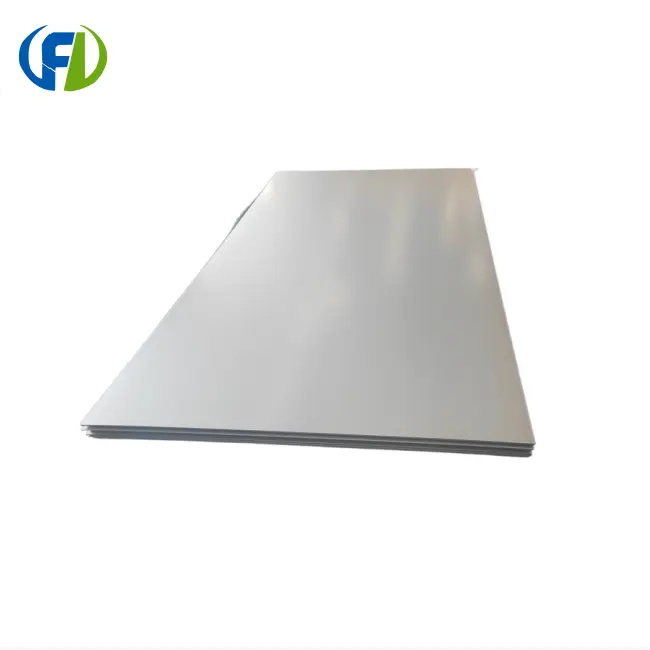
Understanding TA1 Titanium Plate BasicsChemical Composition and Grade Characteristics
TA1 titanium is commercially pure titanium that is very resistant to rust and is safe for living things. This grade has very few alloying elements and a titanium content of over 99.5%, which makes it perfect for uses that need the highest level of chemical stability. The material is very flexible and easy to shape, which lets makers make complicated shapes while still keeping the structure strong.
The grade is different from other widely pure titanium types because it has less oxygen in it. This makes it easier to weld and less likely to break. These traits are especially useful in chemical processing settings, where the cleanliness of the materials directly impacts the security of the process and the quality of the finished product. Knowing these basic qualities helps procurement workers match the thickness choices they make with the needs of the business.
Mechanical Properties and Performance Standards
There is a great balance between strength and weight in TA1 titanium plates, and they don't rust in a wide range of weather conditions. The material's tensile strength is usually between 240 and 550 MPa, but this can change based on how it is processed and how thick it needs to be. Yield strength numbers are usually between 170 and 485 MPa, which means they work reliably in a wide range of pressure situations.
Quality standards for TA1 titanium plates are set by manufacturing standards like ASTM B265 and ISO 5832-2. This makes sure that the material features are the same from one source to the next. These guidelines spell out exact requirements for the chemical make-up, technical features, and quality of the surface finish. It is especially important to follow these rules when choosing thickness choices for important uses in aircraft and medical device manufacturing.
Comparison with Alternative Materials
When TA1 titanium is compared to stainless steel and aluminum, it shows a number of important benefits. When compared to stainless steel, this material is more resistant to rust while still being less dense than steel choices. TA1 titanium is stronger and can handle higher temperatures better than aluminum, which makes it ideal for challenging high-temperature uses.
These changes in materials have a big effect on how thicknesses are chosen. In aluminum uses, the thickness might need to be raised to get the same amount of strength, but with TA1 titanium, the cross-sections can often be thinner while still meeting performance standards. This trait is especially useful in aircraft uses where lowering weight has a direct effect on how much fuel is used and how much it costs to run.
Key Thickness Specifications and Their Industrial Applications
Standard Thickness Ranges and Customization Options
TA1 titanium plates are usually available in thicknesses between 0.5 mm and 50 mm, but for certain uses, unique sizes of up to 100 mm or more may be needed. Thin plates with a thickness of 0.5 mm to 3 mm are used for things like chemical processing equipment and aircraft parts that need to be flexible and light. Plates with a thickness between 3 mm and 15 mm are strong and easy to work with for most commercial uses.
For heavy-duty uses like pressure tanks and structural parts, plates that are thicker than 15 mm offer the best structural stability. Custom thickness choices let makers get the most out of the materials they use while still meeting exact engineering standards. When you work with experienced providers, you can get access to specialized cutting services and custom rolling capabilities that give you more thickness choices than what is normally available.
Aerospace and Aviation Applications
Thin TA1 titanium plates with a thickness of 0.8mm to 5mm are used by aerospace companies to make airplane skin panels, engine parts, and satellite structures. For these uses, exact thickness tolerances are needed to keep the aerodynamic efficiency high while still giving enough structural strength. The material is very resistant to fatigue, so it will work well in settings like aircraft, where loads are applied and removed over and over again.
Medium-thickness plates (3 mm to 10 mm) are often used for structural frames and pressure tank parts in spacecraft. Because it doesn't rust and stays stable at low temperatures, TA1 titanium is great for parts that will be used in tough space settings. By matching weight limits with structural needs, precise thickness selection has a direct effect on the success of a task.
Chemical Processing and Electronics Industry
TA1 titanium plates can be anywhere from 1 mm to 20 mm thick, based on the pressure needs and the size of the vessel. They are used in chemical handling equipment. The material is very good at resisting corrosion from harsh chemicals, and it stays strong even at high temperatures and pressures, which is useful for reactor tanks and heat exchanges.
Plates that are smaller, between 0.5 mm and 3 mm, are used for blasting targets and precision parts in electronics manufacturing. To make sure stable performance in semiconductor production processes, these uses need very high surface quality and precise measurements. Because it is electrically stable and chemically stable, the material is perfect for keeping processes pure in important industrial settings.
Criteria for Choosing the Right Thickness for TA1 Titanium Plates
Mechanical Load and Structural Requirements
To find the right width, you must first do a full stress analysis that takes into account the static loads, dynamic forces, and safety factors that are needed for each application. Engineers have to look at bending moments, tensile stresses, and fatigue loading cases to figure out the minimum thickness needed. They have to be careful not to be too exact, which would make the material cost more than it needs to be.
Patterns of load distribution have a big effect on the choice of thickness. Loads that are concentrated need thicker layers or different ways to strengthen them. By understanding these technical needs, you can get the most out of your materials while still leaving enough room for error. Working with skilled engineering teams helps find ways to cut down on thickness without affecting the performance of the structure.
Environmental Conditions and Corrosion Resistance
The operating environment has a direct effect on how thickness selection methods are used for TA1 titanium uses. The material is very good at resisting corrosion, but in harsh settings, it might need to be thicker to account for material loss that could happen over long periods of time. When used at high temperatures, thickness needs are also affected by changes in temperature and thermal expansion.
The level of chemical exposure decides whether normal thickness specifications allow enough corrosion or if larger measurements are needed for long-term dependability. Knowing about these external factors helps you choose the right thickness that combines the cost at first with the upkeep needed over time and the expected service life.
Fabrication and Processing Considerations
During the manufacturing process, skills like forming, welding, and drilling affect the width choices that can be made. Thinner materials are better at being shaped into complex shapes, but they may need special treatment and support during manufacturing. It is easier to handle plates that are thicker, but they can make some making processes more difficult.
When choosing a thickness for an assembly that needs solid parts, welding becomes a very important factor. The right choice of thickness makes sure that enough heat is lost during welding so that the joint stays intact and warping is kept to a minimum. Knowing these production needs early on in the planning process keeps changes from being too expensive and makes sure that the manufacturing process runs smoothly.
Procuring TA1 Titanium Plates: Thickness Considerations for Supply Chain Efficiency
Supplier Selection and Quality Assurance
By picking qualified sellers with a wide range of thickness options, you can be sure that you can get a full range of products while keeping quality standards high. Manufacturers with a lot of experience can help you choose the right width and give you advice on how to make the standards work best for your needs. With supplier certifications and quality control systems in place, you can be sure that the materials will be the same from one order to the next.
For important uses, quality assurance programs that include testing materials and keeping records of certifications become more and more important. For each thickness standard, suppliers should give full material test results that show the chemical make-up, mechanical qualities, and accuracy of the dimensions. This paperwork backs up the need for tracking and makes sure that industry standards are followed.
Bulk Ordering Benefits and Custom Cutting Services
Strategic buying planning lets you order the right amount of goods to get the best prices and keep your store running smoothly. When getting standard thickness choices in bulk, you can often save a lot of money compared to buying them in small amounts. But finding the right balance between inventory costs and material supply requires careful thought about how things are used and how long wait times are needed.
Custom cutting services help you get the most out of your materials by giving you plates in exact sizes that cut down on waste during production. When working with expensive materials like TA1 Titanium Plate, where material economy has a direct effect on project prices, these services are very helpful. Building relationships with providers that offer a wide range of cutting services gives you the freedom to meet a variety of thickness needs.
Logistics and Inventory Management
Different thicknesses have a big effect on shipping costs and handling needs. For example, bigger plates need special tools for moving and lifting them. Understanding these logistics effects helps make the best decisions about what to buy and when to send it so that the total cost of the supply chain is kept as low as possible. Planning makes sure that there are enough wait times for custom thickness needs while still keeping production plans.
Strategies for managing inventory need to take into account how different thickness choices affect how often they are used in different situations. Keeping the right amount of widely used thicknesses in stock and buying only what you need at the right time for special needs helps you save money on working capital and make sure you have materials when you need them.
Advantages of Choosing the Correct TA1 Titanium Plate Thickness
Performance Enhancement and Lifecycle Benefits
Choosing the right thickness standards directly improves the performance of a component by making sure there are enough strength reserves while avoiding weight costs that aren't necessary. By choosing the right thickness, you can get the most out of the material's natural benefits, such as its resistance to rust, biocompatibility, and temperature stability. These improvements in performance mean that the part will last longer and need less upkeep over its lifetime.
In challenging situations where a failure of the material could have bad results, the link between thickness and performance becomes even more important. By understanding these connections, engineers can make systems that are as reliable as possible while still being cost-effective. The right choice of thickness also makes it easier to predict performance traits that help make system design and operation more reliable.
Cost Optimization and Waste Reduction
Correctly choosing the width stops over-specification, which raises the cost of the material without improving its performance comparably. Figuring out how thickness affects cost lets you come up with improvement methods that meet performance needs while staying within your budget. This improvement is especially important when working with expensive materials like TA1 Titanium Plate, where the cost of the materials is a big part of the project cost.
Proper thickness planning that limits the removal of unnecessary material during grinding processes opens up ways to cut down on waste. Choosing the right starting width cuts down on cutting time and waste while also making the manufacturing process more efficient. These advantages add up to big savings when a lot of things are being made, because small changes in how materials are used can add up to big savings.
Supplier Relationship and Technical Support
Creating relationships with sellers who know how to choose the right thickness gives you access to technical knowledge that makes the project more likely to succeed. Expert providers can suggest the best thickness choices based on the needs of the product and the limitations of the manufacturing process. It's very helpful to have this technology support when making new apps or improving current ones to work better.
Long-term ties with suppliers give you access to unique services and thickness choices that you might not be able to get through transactional buying. These connections also give you special access when there are problems in the supply chain and let you work together to create new solutions that use advanced thickness features.
Conclusion
When choosing the right TA1 Titanium Plate thickness, it's important to think about all of the technical needs, weather conditions, and manufacturing limitations. Understanding the connection between thickness requirements and performance traits lets you come up with strategies for improvement that balance cost, weight, and dependability for a wide range of uses. To choose the right thickness, you need to work with skilled suppliers who can offer a wide range of products and specialized advice. Choosing the right thickness is an investment that pays off in a big way: better performance, less upkeep, and the best use of materials throughout the duration of the component.
FAQ
Q1: How does thickness affect the corrosion resistance of TA1 titanium plates?
The main thing that affects rust resistance is thickness, which gives the material more room for the surface to wear down over time. The natural corrosion resistance of TA1 titanium is very high, but adding more thickness gives you more safety gaps in very aggressive settings. The material's inactive oxide layer forms no matter how thick it is, but for long-term exposure situations, bigger parts are more durable.
Q2: Can TA1 titanium plates be customized to specific thickness requirements for specialized applications?
Yes, makers with a lot of experience can offer custom thickness choices that go beyond standard sizes by using special rolling and cutting methods. Custom width options usually include very thin sections for use in electronics and heavy plates for use in building parts. Lead times for special thickness needs depend on how complicated the specifications are and how busy the factory is right now.
Q3: What are typical lead times for non-standard thickness orders?
Lead times for special thickness orders are usually between 4 and 8 weeks, but they can be longer or shorter based on the manufacturer's capabilities. Standard thickness choices usually have shorter arrival times, between 2 and 4 weeks. By planning your purchases around these wait times, you can make sure that the materials you need will be available on time and up to quality standards.
Contact Freelong for Expert TA1 Titanium Plate Solutions
Baoji Freelong New Material Technology Development Co., Ltd. is ready to help you with your unique thickness needs thanks to its deep scientific knowledge and wide range of manufacturing skills. Our team knows how important it is to choose the right thickness for use in aircraft, chemical processing, and medical devices. We use advanced production technologies to make personalized solutions that meet exact requirements while keeping prices low and delivery times reliable. We are located in China's Titanium Valley. Contact jenny@bjfreelong.com to talk about your project needs and find out how our experience as a TA1 Titanium Plate maker can help you choose the best materials for better performance and lower costs.
References
1. ASM Handbook Volume 2: Properties and Selection of Nonferrous Alloys and Special-Purpose Materials, ASM International Materials Engineering Society, 2018.
2. Boyer, Rodney R., Gerhard Welsch, and E.W. Collings. Materials Properties Handbook: Titanium Alloys. ASM International Materials Park, 2019.
3. Donachie, Matthew J. Titanium: A Technical Guide, Second Edition. ASM International Materials Engineering Reference, 2020.
4. Froes, Francis H. Titanium: Physical Metallurgy, Processing, and Applications. ASM International Handbook Series, 2021.
5. Lutjering, Gerd and James C. Williams. Titanium Engineering Materials and Processes. Springer Materials Science Engineering, 2019.
6. Peters, Manfred, Joachim Kumpfert, and Christoph Leyens. Titanium and Titanium Alloys: Fundamentals and Applications. Wiley Materials Science Technology, 2020.

_1747119558471.webp)
_1745376166114.webp)
_1744600755689.webp)
Learn about our latest products and discounts through SMS or email