- English
- French
- German
- Portuguese
- Spanish
- Russian
- Japanese
- Korean
- Arabic
- Greek
- German
- Turkish
- Italian
- Danish
- Romanian
- Indonesian
- Czech
- Afrikaans
- Swedish
- Polish
- Basque
- Catalan
- Esperanto
- Hindi
- Lao
- Albanian
- Amharic
- Armenian
- Azerbaijani
- Belarusian
- Bengali
- Bosnian
- Bulgarian
- Cebuano
- Chichewa
- Corsican
- Croatian
- Dutch
- Estonian
- Filipino
- Finnish
- Frisian
- Galician
- Georgian
- Gujarati
- Haitian
- Hausa
- Hawaiian
- Hebrew
- Hmong
- Hungarian
- Icelandic
- Igbo
- Javanese
- Kannada
- Kazakh
- Khmer
- Kurdish
- Kyrgyz
- Latin
- Latvian
- Lithuanian
- Luxembou..
- Macedonian
- Malagasy
- Malay
- Malayalam
- Maltese
- Maori
- Marathi
- Mongolian
- Burmese
- Nepali
- Norwegian
- Pashto
- Persian
- Punjabi
- Serbian
- Sesotho
- Sinhala
- Slovak
- Slovenian
- Somali
- Samoan
- Scots Gaelic
- Shona
- Sindhi
- Sundanese
- Swahili
- Tajik
- Tamil
- Telugu
- Thai
- Ukrainian
- Urdu
- Uzbek
- Vietnamese
- Welsh
- Xhosa
- Yiddish
- Yoruba
- Zulu
Top TA1 Titanium Plate Suppliers for the Aerospace Industry
When procurement workers are looking for the best TA1 titanium plate sources for the aerospace industry, they should focus on suppliers with strong quality control, aerospace certifications, and a history of providing Grade 1 titanium materials. To meet the strict needs of aircraft manufacturing, these providers should test all of their materials thoroughly, follow strict traceability rules, and make sure that their supply chains are always reliable.
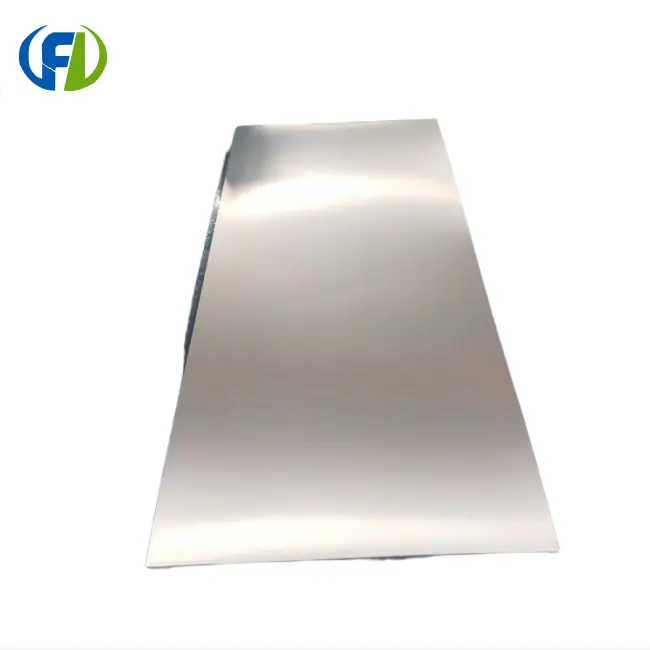
Understanding TA1 Titanium Plate for Aerospace Applications
TA1 titanium plate is the purest form of commercial titanium that can be bought in the market for aircraft products. This Grade 1 titanium metal has very few impurities, which makes it perfect for uses that need high corrosion protection and good shapeability.
Chemical Composition and Material Properties
Very few intermediate elements are found in the TA1 titanium plate. Oxygen levels are usually less than 0.18%, nitrogen levels are less than 0.03%, and hydrogen levels are less than 0.015%. This level of purity gives the metal amazing flexibility and lets you do complicated shaping operations without affecting its internal integrity. The material has a tensile strength of 35–45 ksi and a yield strength of 20–35 ksi, which means it can be used to make a lot of different aircraft parts.
These industrial pure titanium types, like TA1, are more flexible than higher-strength titanium alloys. This makes them perfect for uses that need a lot of shaping. For aerospace production settings, this material's great stamping, welding, and cutting processability makes it a lot easier.
Aerospace Applications and Performance Benefits
A lot of TA1 titanium plate is used in aircraft applications where corrosion resistance is more important than final strength. Manufacturers of airplanes use this material to make parts for the fuel system, the hydraulic system, and the weather control system that can withstand temperatures up to 360°C.
TA1 titanium's great toughness at low temperatures makes it very useful in space uses where parts need to be able to handle big changes in temperature. This material can work well at temperatures as low as -259°C as long as the iron content stays below 0.095% and the oxygen content stays below 0.08%. This makes it a good choice for structures in space vehicles and systems for cryogenic fuel.
Comparison with Other Titanium Grades
Knowing the differences between grades TA1, TA2, and TA3 helps buying teams choose the best materials for each job. Among the industry grades of pure titanium, TA1 is the most workable. TA2, on the other hand, has better mechanical qualities and moderate corrosion protection. TA3 has better levels of strength but less flexibility, so choosing the right grade is important for success in the application.
TA1 titanium is better than stainless steel and aluminum metals in terms of strength-to-weight ratio, which is why it is chosen even though it costs more. Because it has a density of about 4.5 g/cm³, it is much lighter than steel options and is also better at resisting rust in coastal and atmospheric settings.
Top Criteria for Selecting TA1 Titanium Plate Suppliers
To successfully buy an aerospace-grade TA1 titanium plate, you need to carefully assess the supplier's skills in a number of important areas. Aerospace companies need to set strict criteria for qualifying suppliers to make sure the quality of the materials and the dependability of the supply chain.
Quality Certifications and Standards Compliance
Aircraft providers need to keep a full set of certifications, such as ISO 9001:2015 quality management systems and AS9100 aircraft quality standards. Following the ASTM B265 standard makes sure that the qualities of the material meet the needs of the industry, and the ASTM F67 approval makes sure that the material is biocompatible for uses that need to come into contact with people.
For aircraft uses, it's necessary to keep records of all the chemical analyses, mechanical property tests, and heat treatments that were done on each lot of material. Suppliers must also keep these records for each lot. With these certificates of analysis, aerospace makers can keep the detailed material genealogy records that aviation regulatory bodies need.
Third-party testing shows that a provider is dedicated to quality assurance. When a supplier offers independent lab proof of a material's qualities, customers can be more sure that the material will be consistent and meet specifications.
Production Capabilities and Customization Services
For aerospace uses, it's common to need custom designs and exact measurements that go beyond standard plate sizes. To meet the specific needs of each product, suppliers must show that they can do precise cutting, custom heat treatment, and specialized surface finishes.
Plates made of titanium are usually between 0.25 inches and 4 inches thick, while sheets are usually between 0.016 inches and 0.187 inches thick. Aerospace designers have more options when it comes to suppliers who offer different thicknesses and special sizes.
Managing lead times is very important in aircraft supply chains because production plans need reliable delivery performance. Suppliers who keep enough goods on hand and show a history of on-time deliveries help keep production running smoothly and make project management easier.
Technical Support and After-Sales Service
Superior suppliers are different from basic suppliers because they offer full expert support services. Buyers in the aerospace industry gain when suppliers help them choose materials, make molds, and weld, so that industrial processes run more smoothly.
As part of the after-sales support, you can get faster shipping, help with material approval, and steps for fixing quality problems. These services are especially useful during key stages of production, when the supply of materials has a direct effect on project plans.
Leading TA1 Titanium Plate Suppliers for the Aerospace Industry
The global TA1 titanium plate supply chain is made up of specialized producers and wholesalers that work with aerospace markets in Asia, Europe, and North America. Procurement teams can make the best use of supply chain tactics and cost management methods by learning about the strengths of area suppliers.
North American Supplier Landscape
The North American aircraft titanium market is dominated by a few well-known suppliers who offer a wide range of products and full approval services. These suppliers keep their stock in strategic places near major aircraft manufacturing hubs. This lets them respond quickly to urgent material needs.
Titanium Industries works with a well-known wholesaler that sells Grade 2 and Grade 4 titanium plates that are certified by ASTM B265 and also offers aircraft grades that meet AMS standards. Their stocking control systems make sure that standard sizes are always available, and they also offer custom cutting services for different types of applications.
Regional providers often offer extra services that add value, such as precise cutting, surface conditioning, and faster shipping. When aerospace makers need just-in-time shipping plans and customized material preparations, these skills become very useful.
International Supplier Networks
Titanium suppliers around the world offer reasonable prices and a wide range of specialized products to serve the aircraft markets around the world. Chinese suppliers, especially those in Baoji City's titanium valley area, offer options that are both cost-effective and meet the quality standards needed for aerospace uses.
Asian suppliers often show that they are very good at making unique alloys and using specialized working methods. Their manufacturing skills allow them to make materials with specific chemical compositions and specs that meet the needs of aircraft applications.
When it comes to advanced aerospace projects, European providers focus on high-precision applications and special grades. Their quality systems and technical know-how are in line with the strict European aircraft standards and licensing needs.
Supplier Performance Evaluation Metrics
To judge how well a provider is doing, you need to look at a lot of different measures, such as quality, delivery, service, and cost. Quality measures include the number of defects, how well the product meets approval requirements, and how consistent the test results are for different deliveries.
Tracking delivery success includes rates of on-time deliveries, accurate lead times, and the ability to speed up deliveries. Service evaluation includes how quickly expert help responds, how accurate the literature is, and how well problems are solved.
Cost analysis looks at more than just unit prices. It also looks at the total cost of ownership, which includes things like the cost of keeping goods, the cost of quality control, and the cost of running the business. Long-term relationships often save money by committing to higher volumes and working together to make processes better.
Procurement Best Practices for TA1 Titanium Plate
For aerospace-grade TA1 titanium plate buying plans to work, they need to take a planned approach to qualifying suppliers, checking materials, and lowering costs. Buyers in the aerospace industry have to find a mix between quality standards and price limits, all while making sure the supply chain is reliable.
Request for Quotation Development
Complete RFQ packages should list all the material needs, such as the ranges of chemical makeup, mechanical properties, and size standards. Making it clear what licenses and testing records are needed keeps people from getting confused and makes sure the right materials are supplied.
The standards for delivery schedules must take into account the time it takes to prepare materials and transport them. International packages may need more time for customs clearance and handling of paperwork, especially if the goods are controlled for export.
The terms and conditions of payment and business dealings should be in line with industry standards and protect both buyers and sellers as needed. Progressive payment plans can help you keep track of your cash flow and make sure that your suppliers stick to their delivery dates.
Material Authentication and Quality Verification
Material authentication methods keep aerospace makers safe from fake materials and materials that don't meet specifications. Checking documents means looking over mill test records, chemical analysis reports, and tracking paperwork to make sure they are correct and consistent.
When extra confidence is needed, third-party testing services can independently check the qualities of a material. Using handheld analyzers for positive material recognition can help make sure that chemistry rules are followed during receiving checks.
Supplier monitoring programs let you directly check the quality systems and production capabilities. Aerospace buyers can look at production methods, quality control methods, and efforts to keep getting better by visiting facilities on a regular basis.
Cost Management and Negotiation Strategies
Aerospace companies that know exactly how much material they will need can often save a lot of money by signing volume purchasing deals. Long-term contracts let suppliers plan their production more efficiently and offer reasonable prices.
When the market opens and closes can affect the cost of materials, especially for titanium goods whose raw material prices change a lot. Buyers may be able to take advantage of good market conditions while keeping enough inventory on hand if shipping plans are flexible.
Using different ways to get supplies, like having two or more sources or shopping around the world, can help you save money while still keeping the supply chain safe. Careful handling of supplier diversity makes sure that prices are low while quality standards are kept.
Technical Insights: When Working with the TA1 Titanium Plate?
By learning about the technical properties of the TA1 titanium plate, aircraft makers can find the best processing conditions and make parts that work better. Specialized knowledge and the right choice of tools are needed to understand how materials behave during forming, machining, and welding processes.
Machining and Fabrication Considerations
To keep heat from building up and tool wear from being too high, certain methods are needed to machine the TA1 titanium plate. Sharp cutting tools and enough water flow keep the work from hardening and make sure that the dimensions are always correct during machine operations.
Because TA1 titanium is so easy to shape, it can be used for complicated shaping processes like deep drawing and stretch forming. To meet the end size standards, spring-back characteristics must be taken into account when the tool is being designed.
In order to keep the corrosion-resistant qualities of TA1 titanium and keep the welding process clean, inert gas protection is needed. As long as the joint is properly prepared and the heat flow is controlled, the quality of the weld meets aircraft standards.
Heat Treatment and Property Enhancement
The mechanical qualities of TA1 titanium can be improved through heat treatment methods that are tailored to specific uses. Stress relief annealing gets rid of any leftover stresses from shaping while keeping the material's flexibility.
During heat treatment, it is very important to keep the temperature under control, since too high of temperatures can cause unwanted grain growth and property changes. Vacuum or neutral atmosphere furnaces keep the quality of the material and stop surface rusting.
To make sure the heat treatment went well, inspections afterward should include hardness tests and microstructural evaluation. Keeping track of and meeting quality standards is easier when heat treatment factors are written down.
Grade Comparison and Selection Guidelines
Engineers can choose the best materials for different aircraft uses by comparing TA1 to TA2 and TA3 grades. TA1 is the most flexible when it comes to making complex shapes, while TA2 is stronger but has a moderately lower flexibility.
TA3 has higher amounts of strength that make it good for structural uses where little shaping is needed. As the impurity content goes up from TA1 to TA3, the flexibility properties get worse, and the strength gets better.
Comparing TA1's performance at different temperatures shows that it still has great qualities at cold temperatures. This means that it can be used for fuel system parts and in space. All types of industrial pure titanium are better at resisting corrosion than most austenitic stainless steels used in aircraft settings.
Conclusion
To choose the right TA1 titanium plate providers, you need to look at their quality systems, professional skills, and service performance. Aerospace companies need to give priority to providers who can show stable material quality, reliable shipping performance, and full certification capabilities. Successful buying strategies find a balance between lowering costs and meeting quality standards. They also build long-term relationships that support efforts to keep getting better. Because TA1 titanium has special qualities like being very easy to shape and resistant to corrosion, it is essential for many aircraft uses where material dependability affects operating safety and performance.
FAQ
Q1: What certifications are required for the aerospace-grade TA1 titanium plate?
Aerospace-grade TA1 titanium plate has to meet the requirements of ASTM B265 and keep its AS9100 aerospace quality system approval. For each lot of material, suppliers should give full material tracking paperwork, such as chemical analysis records, mechanical property test results, and mill test certificates.
Q2: How does TA1 titanium plate pricing compare to other titanium grades?
Because it is easier to work with and has less alloying, the TA1 titanium plate usually costs less than higher-strength titanium alloys. However, prices change depending on the market, the size of the order, and the supplier's capabilities. For cost optimization, it is necessary to directly compare prices from various vendors.
Q3: What custom cutting and heat treatment services do suppliers offer?
Leading sellers offer precise cutting services, such as mechanical shears, waterjet cutting, and plasma cutting, based on what the customer needs. Stress relief annealing, solution treatment, and aging processes are all part of heat treatment services. They are done to aircraft standards and come with full paperwork and proof.
Partner with Freelong for Superior TA1 Titanium Plate Solutions
Baoji Freelong New Material Technology Development Co., Ltd is ready to help you with your aircraft projects by making high-quality TA1 titanium plate that meets your exact needs. Our company is in China's famous Titanium Valley, and we have decades of experience processing titanium and making sure the quality of the materials we send meets the strictest military standards. Our wide range of certifications and long-term partnerships with aerospace makers around the world ensure that your important applications get reliable supply chain performance and reasonable pricing.
Get in touch with jenny@bjfreelong.com right away to talk about your TA1 titanium plate needs and find out how our scientific knowledge can help you make the best decisions about your purchase. As a reliable company that makes TA1 titanium plates for aerospace users in North America, Europe, and Asia, we offer personalized consultation services and flexible shipping choices that work with your budget and production plans.
References
1. American Society for Testing and Materials. "Standard Specification for Titanium and Titanium Alloy Strip, Sheet, and Plate." ASTM B265-20a.
2. Aerospace Industries Association. "Quality Management Systems Requirements for Aviation, Space and Defense Organizations." AS9100D:2016.
3. Boyer, Rodney R. "Titanium for Aerospace Applications: Present and Future." Advanced Performance Materials Journal, Vol. 2, No. 4, 1995.
4. International Titanium Association. "Titanium Alloys Guide for Aerospace Applications." Technical Publication Series, 2019.
5. Federal Aviation Administration. "Material Certification and Supplier Approval Guidelines for Aircraft Components." Advisory Circular AC 21-29C.
6. Society of Automotive Engineers International. "Titanium Alloy Sheet and Plate for Aerospace Applications." AMS 4901G Specification.

_1774596607421.png)
_1745891921752.webp)
_1745573260424.webp)
_1745217716850.webp)
Learn about our latest products and discounts through SMS or email