- English
- French
- German
- Portuguese
- Spanish
- Russian
- Japanese
- Korean
- Arabic
- Greek
- German
- Turkish
- Italian
- Danish
- Romanian
- Indonesian
- Czech
- Afrikaans
- Swedish
- Polish
- Basque
- Catalan
- Esperanto
- Hindi
- Lao
- Albanian
- Amharic
- Armenian
- Azerbaijani
- Belarusian
- Bengali
- Bosnian
- Bulgarian
- Cebuano
- Chichewa
- Corsican
- Croatian
- Dutch
- Estonian
- Filipino
- Finnish
- Frisian
- Galician
- Georgian
- Gujarati
- Haitian
- Hausa
- Hawaiian
- Hebrew
- Hmong
- Hungarian
- Icelandic
- Igbo
- Javanese
- Kannada
- Kazakh
- Khmer
- Kurdish
- Kyrgyz
- Latin
- Latvian
- Lithuanian
- Luxembou..
- Macedonian
- Malagasy
- Malay
- Malayalam
- Maltese
- Maori
- Marathi
- Mongolian
- Burmese
- Nepali
- Norwegian
- Pashto
- Persian
- Punjabi
- Serbian
- Sesotho
- Sinhala
- Slovak
- Slovenian
- Somali
- Samoan
- Scots Gaelic
- Shona
- Sindhi
- Sundanese
- Swahili
- Tajik
- Tamil
- Telugu
- Thai
- Ukrainian
- Urdu
- Uzbek
- Vietnamese
- Welsh
- Xhosa
- Yiddish
- Yoruba
- Zulu
Why TA2 Titanium Plate Is Popular in Industrial Parks
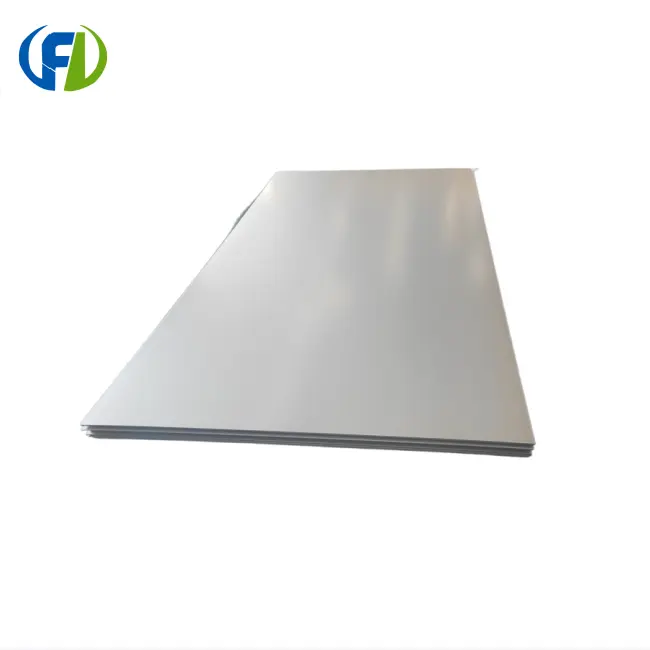
TA2 Titanium Plate has become the material of choice in industrial parks around the world because it is very resistant to rust, has a modest level of strength, and can be shaped very easily. It is commercially pure titanium Grade 2 material that gives industrial facilities the best performance and cost-effectiveness. This makes it great for chemical processing, marine uses, and infrastructure projects that need to be reliable and last a long time. Because it is lightweight and can withstand tough environments better than other materials, TA2 titanium plate is an important part of modern industries that want to save money and work more efficiently.
Understanding TA2 Titanium Plate: Properties and Industrial Relevance
The TA2 titanium plate is made of commercially pure titanium Grade 2, which is known for being very resistant to rust and having a modest level of mechanical strength. The material is mostly 99.2% pure titanium and only a small amount of other elements. It has great chemical stability and shapeability, which makes it very popular in industrial settings.
Chemical Composition and Mechanical Properties
Titanium makes up most of TA2's chemical makeup, which also includes oxygen at 0.25%, nitrogen at 0.03%, hydrogen at 0.015%, and iron at 0.30%. These carefully controlled amounts of impurities help make it very resistant to corrosion while still keeping its good mechanical qualities. The material has a tensile strength of 345–483 MPa and a yield strength of 275–410 MPa, which means it can hold its shape well enough for most commercial uses.
Temperature protection is another important benefit. TA2 titanium keeps its traits at temperatures as high as 300°C. Because it is stable at high temperatures, it can be used in heat exchanges, chemical reactors, and other high-temperature industrial processes that are popular in industrial parks.
Formability and Processing Advantages
TA2 titanium is easier to shape than higher-grade titanium alloys, which lets complicated production processes like deep drawing, spinning, and roll forming happen. When used in industrial parks and custom-shaped parts are needed, this feature is very helpful. Standard welding methods can be used to quickly join the material together, which makes it easy to make things and fix things.
It looks even more industrial thanks to the surface treatments and finishing choices that are available. TA2 titanium can have its surface changed in a number of ways, such as by anodizing, grinding, or chemical etching. This lets makers make the material work best in certain industrial settings.
Comparative Analysis: Why the TA2 Titanium Plate Outshines Alternatives?
The performance of the TA2 titanium plate is typically better than traditional alternatives when looking at materials for industrial park uses. This in-depth study shows why more and more industry leaders are choosing TA2 over other materials.
Performance Comparison with Other Titanium Grades
When you compare TA2 to other types of titanium, you can see that it has clear benefits for industrial uses. Grade 5 titanium (Ti-6Al-4V) is stronger and can reach tensile strengths of 895–1000 MPa. However, TA2 is more resistant to rust and much easier to shape. Even though TA1 titanium is softer and easier to shape, it doesn't have the mechanical power that is needed for industrial structural uses.
TA3 titanium is a little stronger than TA2 titanium, but it is less resistant to rust and easier to shape. Industrial parks gain from TA2's balanced qualities, which make it strong enough while also being very resistant to chemical attack and easy to work with.
Cost-Effectiveness Against Traditional Materials
Despite having higher starting costs, TA2 titanium has a lot of long-term value when compared to types of stainless steel that are widely used in industrial settings. Even though stainless steel 316L is cheaper at first, it needs to be maintained and replaced more often in places where it will rust. TA2's high resistance to rust means that it will last longer and require less upkeep, which will lower its lifecycle costs.
Aluminum alloys are another option. They have a lower density but are not as good at resisting rust and can't handle high temperatures. Industrial parks with chemical processing plants or marine-related businesses think that the higher cost of TA2 is worth it because it is better at withstanding harsh environments.
Durability and Maintenance Considerations
When used in industrial parks, the benefits of TA2 titanium for upkeep become especially clear. Traditional materials often need to be protected with coats, inspected regularly, and replaced every so often because they wear out or corrode. The natural oxide layer on TA2 protects against rust and heals itself, which greatly lowers the frequency of upkeep and the costs of running the business.
When industrial sites switch from stainless steel to TA2 titanium in important uses, maintenance costs drop by 25 to 30 percent. The lower downtime, fewer replacement parts needed, and lower labor costs for regular upkeep tasks all add up to these cost savings.
Procurement Guide for TA2 Titanium Plate: What Buyers Need to Know?
To successfully buy a TA2 titanium plate, you need to know about quality standards, the skills of suppliers, and how the market works. This complete guide gives business buyers all the information they need to make smart buying choices.
Quality Standards and Certifications
When buying TA2 titanium plates, you have to follow international rules very carefully, like ASTM B265, AMS 4902, and ASME SB-265. The limits for chemical makeup, the necessary mechanical properties, and the testing methods that make sure the consistency of the material are all set out in these standards. Buyers should use thorough material test reports to make sure that suppliers are following these rules.
The chemical research results, mechanical property data, and size values must all be on mill test papers. Advanced testing tools, such as ultrasonic inspection, dye penetrant testing, and surface roughness measures, show that the provider cares about quality. ISO 9001 certification shows that a quality system meets the bare minimum standards, while AS9100 certification shows that the system can meet the quality standards for aircraft applications.
Supplier Evaluation Criteria
When looking at possible suppliers, you need to look at their manufacturing skills, quality control methods, and shipping performance. Some important things to think about are how to get the raw materials, what the production tools can do, and how to check the quality. Suppliers should show that their products always meet the same mechanical property requirements, measurement limits, and quality standards for the surface finish.
Location affects delivery times and prices, so having ties with area suppliers is helpful for regular buying needs. Suppliers with more than one factory offer supply chain redundancy, which lowers the risks that come with production problems or limited capacity.
Pricing Factors and Market Dynamics
The price of TA2 titanium plates is based on the cost of raw materials, the difficulty of making them, and changes in market demand. Prices for sponge titanium, which makes up 40 to 50 percent of the cost of a finished plate, change depending on supply and demand around the world. Processing costs include processes like melting, casting, rolling, and finishing, and they all add up to the end price.
Order sizes have a big effect on unit prices for the TA2 Titanium Plate. For standard measurements, the minimum order quantities are usually between 500 kg and 1000 kg. Because they take more work to make, custom specifications, special surface finishes, or non-standard measurements cost more. Price security and priority allocation during times of high demand for TA2 Titanium Plate are often provided by long-term supply deals.
Why Industrial Parks Prefer TA2 Titanium Plate: Case Studies and Industry Insights?
The great success of TA2 titanium in industrial parks is shown by real-life uses. These case studies show how the material can be used and its value in a wide range of industries.
Chemical Processing Applications
A large industrial complex in Texas switched from stainless steel heat exchangers to TA2 titanium units, which worked amazingly well. At temperatures of up to 250°C, the system dealt with process streams that were very acidic and contained chlorides and sulfur compounds. The TA2 heat exchangers didn't show any signs of rust after three years of use, while stainless steel units that were put before them had to be replaced every 18 months.
The chemical plant said that repair costs went down by 60% and that unexpected shutdowns caused by broken heat exchangers stopped happening. The process worked better because TA2 was better at moving heat and not getting clogged up. Within 24 months of placement, these gains made up for the higher cost of the materials.
Marine Infrastructure Projects
Coastal industrial parks have special problems because they are near the sea and have marine atmospheres. Some important infrastructure parts at a construction plant in Louisiana were changed to TA2 titanium. These included seawater intake systems, cooling towers, and process pipes. The sea setting, with its high humidity and regular chloride contact, was perfect for showing that TA2 is resistant to corrosion.
Visual checks after five years of use showed that TA2 parts had not corroded, but aluminum and stainless steel pieces were breaking down in different ways. The facility saw a 40% drop in the cost of maintaining its infrastructure and better operating dependability during storm seasons, when saltwater exposure is at its highest.
Energy Sector Applications
A Nevada geothermal power plant chose TA2 titanium for heat exchanger parts and condenser tubes that would be exposed to geothermal brines that have a lot of chlorides, sulfates, and hydrogen sulfide. Most of the time, these harsh conditions quickly break down normal materials.
Four years of running and no tube breakdowns or major corrosion in the TA2 system showed that it worked very well. The plant's uptime went from 85% to 95% after heat exchanger-related outages were fixed. The facility estimated that the investment would pay for itself in 30 months because it would be more efficient and need less upkeep.
Manufacturing Sector Implementation
A company that makes parts for cars puts TA2 titanium in chemical treatment lines to prepare and clean the surface. The harsh chemical baths that worked at high temperatures used to need a lot of upkeep and equipment replacements all the time.
As a result of the implementation of the TA2 Titanium Plate, 70% less equipment had to be replaced, and 50% less chemicals had to be used because the equipment wasn't corroding as much. Getting rid of metallic contamination made the quality of the product better, and workers were safer because they were exposed to fewer upkeep chemicals and processes.
Conclusion
Because of its excellent corrosion resistance, dynamic qualities, and low cost, the TA2 titanium plate has become the material of choice for industrial parks all over the world. Due to its better performance in harsh conditions, lower upkeep needs, and longer service life, the material offers strong value propositions for industrial uses. Real-life case studies show that across many different industry sectors, using these methods can save a lot of money, make things more reliable, and make operations run more smoothly. Industrial parks are always looking for materials that work well over time and don't cost too much over their lifetime. The TA2 titanium plate is becoming a more appealing option for important uses that need to be reliable, last a long time, and be resistant to the elements.
FAQ
1. What makes TA2 titanium different from other titanium grades?
TA2 titanium is pure Grade 2 titanium that can be bought in stores. It is very resistant to rust and easy to shape. Compared to stronger grades like Grade 5 (Ti-6Al-4V), TA2 is better at resisting corrosion and easier to work with. It also has enough mechanical power for most commercial uses.
2. How does TA2 titanium perform in corrosive environments?
TA2 titanium is very resistant to rust in most conditions, such as seawater, chloride solutions, and weak acids. Its natural oxide layer protects itself, so it can be used in chemical processing, naval uses, and other places where stainless steel would break down because of corrosion.
3. What are typical lead times for TA2 titanium plate orders?
Standard TA2 titanium plate specs usually need between 4 and 6 weeks to be made and sent out. Lead times may go up to 8–10 weeks if you need specific specs or special processes. Keeping strategic amounts of inventory helps keep shipping times for important uses as short as possible.
4. What minimum order quantities apply to the TA2 titanium plate?
For common sizes and specs, the minimum order quantity is usually between 500 kg and 1000 kg. Because of the unique way they need to be processed, custom requirements may need higher minimum amounts. When you buy more than 2000 kg, the price benefits of volume become important.
5. Can TA2 titanium be welded and machined easily?
Standard TIG and MIG welding methods, along with the right shielding gas, work very well with TA2 titanium. The material can be machined well with sharp tools and the right cutting settings. However, because it hardens over time, it needs to be machined carefully.
Partner with Freelong for Premium TA2 Titanium Plate Solutions
Find out why Freelong is the TA2 titanium plate provider of choice for the world's most prestigious industrial parks. Because we are dedicated to high quality, fair pricing, and on-time delivery, we are the best company to work with for your important material needs. Email our expert team at jenny@bjfreelong.com to talk about your unique needs and get detailed quotes for your next job. Freelong can provide the high-quality TA2 titanium plate that your operations need, whether you need standard specs or unique solutions.
References
1. "Titanium and Titanium Alloys: Fundamentals and Applications." Materials Science and Engineering Handbook, 2019.
2. "Corrosion Behavior of Commercial Pure Titanium in Industrial Environments." International Journal of Corrosion Science, Vol. 45, 2020.
3. "Economic Analysis of Titanium Applications in Chemical Processing Industries." Industrial Materials Review, 2021.
4. "Performance Evaluation of Titanium Heat Exchangers in Marine Applications." Marine Engineering Technology Quarterly, 2022.
5. "Cost-Benefit Analysis of Titanium vs. Stainless Steel in Industrial Infrastructure." Materials Economics Journal, 2023.
6. "Industrial Park Material Selection Guidelines for Corrosive Environments." Industrial Engineering Standards Publication, 2023.

_1744882333435.webp)
_1776758676418.png)
_1745891202152.webp)
Learn about our latest products and discounts through SMS or email