The 2026 best Nitinol memory wire for making medical devices is a huge step forward in the science of smart materials. These modern nickel-titanium metals are very biocompatible and have special qualities like superelasticity and shape memory. More and more, medical device makers around the world are using high-quality Nitinol memory wire to make implants, surgery tools, and therapy devices that can save lives and change to fit the needs of the patient while staying structurally strong in tough physiological conditions.
Introduction
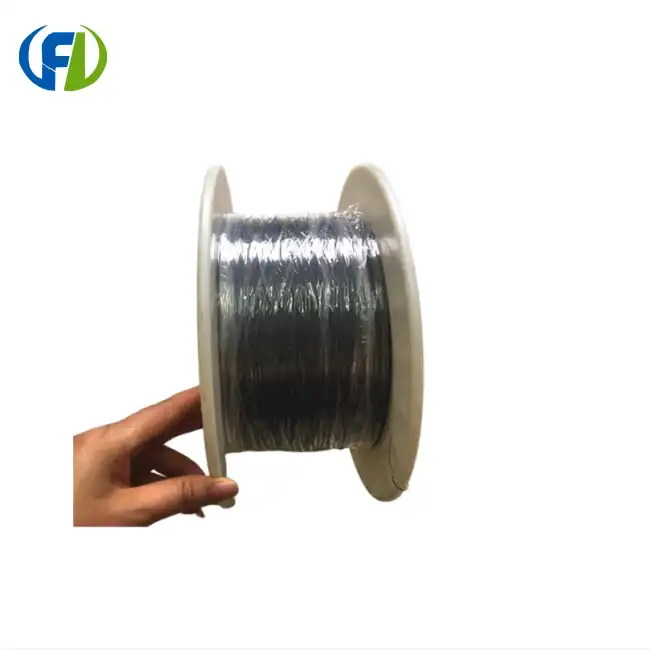
Making medical devices is at the cutting edge of technological progress. The choice of materials affects how well the devices work and how well patients do. Nitinol memory wire is a new smart material that is changing the way we do minimally invasive surgery, braces, and medical gadgets that are implanted. This amazing combination of nickel and titanium reacts differently to temperature, which lets devices change shape and achieve new levels of usefulness in medical settings.
Shape memory metals are in high demand because they are safe and have better engineering properties. Manufacturers are looking for reliable suppliers of these metals. If you need to use Nitinol wire for medical purposes, you should know how important it is to have reliable suppliers, high-quality materials, and good working methods. How long devices last and how safe they are for patients depend on how well these materials resist rust and heal from heat.
Why Focus on Premium Nitinol Memory Wire for Medical Applications?
When making medical devices, you need materials that work better than usual while still being completely safe for human implantation. These problems can be solved by Nitinol memory wire, which has the unique ability of Nitinol memory wire to be both very flexible and move when heated. Because it can return to a set form when heated or cooled to a certain temperature, the material is very useful for making self-expanding tubes, dental wires, and surgery tools.
Nickel-titanium alloys are more biocompatible than many other medical materials. They reduce inflammation reactions and help them fit better with human flesh. Because of this adaptability and its high resistance to wear and rust, Nitinol wire is the best choice for long-term internal devices. Manufacturers like how flexible the material is during processing and how well it always works in finished goods.
Nitinol wire is now more reliable and performs better thanks to new processing methods. This makes it easier to use in a wider range of medical uses. Specialized heat treatment methods and quality control measures have been created to make sure that all production batches have the same change temperatures and material features.
Selection Criteria for Top-Quality Nitinol Memory Wire
There are a lot of things you need to think about when picking the best Nitinol memory wire. These things will directly affect how well the medical device works and how safe the patient is. The most important things are how accurate the chemical makeup is, how well the change in temperature is controlled, how regular the mechanical properties are, and the standards for checking the source. With these factors, you can tell if the material is safe and good for certain medical uses.
The nickel content in wire is generally between 54.5% and 57.0% by mass, which is a very important thing to think about when picking its features. The exact mix of nickel and titanium changes how they behave mechanically, at what temperatures they change, and how they address live things. As the item is being made, providers must give a full chemistry study and always keep a close eye on quality.
Making sure that every batch of Nitinol memory wire meets the same standards is called manufacturing consistency. This is very important for companies that make medical devices that need to know how the material will behave. The fact that the seller can provide a lot of paperwork, like certificates of analysis and material test results, shows that they care about quality and following the rules. Processing speed, shipping dependability, and expert help are some of the other factors that affect the choice of a Nitinol memory wire provider.
Top 5 Nitinol Memory Wire Solutions for Medical Manufacturing
Ultra-High Purity Medical Grade Nitinol Wire (0.1-0.2 mm)
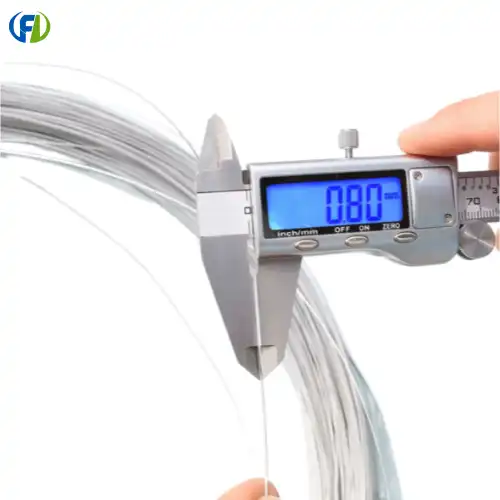
This carefully designed Nitinol wire, specifically Nitinol memory wire, is the best example of medical-grade smart material technology. It was made for internal medical devices that need to be very reliable and compatible with the body. With a width range of 0.1 to 0.2 mm, it is very small and perfect for minimally invasive surgeries. It can be used for heart tubes, neurosurgical clips, and micro-actuators for advanced medical robot systems.
Advanced vacuum melting methods and controlled oxygen processing are used in the production process to keep the amounts of impurities below 50 ppm for key elements. This level of purity greatly lowers the chance of harmful tissue reactions while keeping the best shape memory effect and superelasticity qualities. The wire has change temperatures that can be carefully controlled within ±2°C. This means that it will work reliably at body temperature.
Its main benefits are that it doesn't wear out easily (more than 10 million cycles under normal metabolic loading conditions), it doesn't rust in salty settings, and the mechanical properties stay the same from one production batch to the next. The material meets the requirements of ISO 5832-11 and ASTM F2063 for use in medical implants, and full proof of biocompatibility testing is given for regulatory reports.
Manufacturing options include unique circle sizes, surface processes, and change temperature ranges that are made to fit the needs of each device. The wire is flexible during processing, so it can be shaped in complicated ways while still keeping its designed memory properties. This makes it ideal for medical device shapes that are hard to understand and designs that can do more than one thing.
Orthodontic Superelastic Nitinol Wire (2.0-3
This ultra-flexible Nitinol wire was made to be used in dentistry and orthodontics. It applies steady, gentle forces that help teeth move properly while causing the least amount of pain for the patient. The larger width range of 2.0–3.5mm gives the structure the strength needed for full orthodontic treatment while still allowing for the freedom needed for complicated procedures that move teeth.
Because it has special superelasticity properties, the wire keeps applying the same amount of force throughout the treatment process, no matter how much it deforms. This feature cuts down on the number of meetings needed for adjustments and improves treatment results by applying constant, biologically appropriate forces that support healthy tooth movement and lower the risk of root damage.
As a choice for surface treatment, certain coats can be used to improve biocompatibility and decrease friction when teeth move. This makes the patient more comfortable and the treatment more effective. The wire's thermal recovery qualities make it possible to enter it at room temperature and activate it at body temperature. This makes clinical procedures easier and cuts down on the time patients and practitioners have to spend in the chair.
Comprehensive mechanical testing, measurement verification, and surface quality checking are all quality control measures that are used to make sure that all production batches work the same way. The material is very resistant to rust, so it can handle the harsh conditions in the mouth. It also keeps its mechanical qualities over long treatment periods, usually 18 to 24 months, without breaking down.
Shape Memory Actuator Wire for Wearable Technology (0.3-0.7 mm)
This new Nitinol wire option meets the growing need for smart materials in medical technology that is worn and medical devices that are worn on the outside. The width range of 0.3 to 0.7 mm is perfect for medical devices that run on batteries, healing tools, and remote tracking systems that need precise mechanical action. It strikes the best balance between force generation and power usage.
Because the Nitinol memory wire can move when it gets hot or cold, it can be used to make temperature-sensitive medical gadgets that can adapt to the needs of the patient or the surroundings. Adaptive compression clothing, posture correction devices, and therapeutic exercise equipment that reacts to the user's movement patterns and bodily input signals are just a few examples.
Modern processing methods allow for quick responses and exact temperature control. Depending on the application, activation temperatures are usually between 40°C and 70°C. The wire has great wear resistance, even after being heated and cooled many times. This means it can be used in devices that run constantly for long periods of time without losing performance.
As part of its integration skills, wearable tech platforms can work with a number of different control systems, sensor networks, and power management solutions. The material is durable and flexible, so it can be used in situations where it needs to bend and move around a lot. It also keeps its activation force and reaction traits throughout the device's lifetime.
Biocompatible Nitinol Wire for Surgical Instruments (1.0-2.5mm)
This Nitinol memory wire was designed to be used again and again in surgery instruments and other specialized medical tools. It has great mechanical qualities and is also biocompatible and resistant to cleaning. The width range of 1.0 to 2.5 mm gives medical uses structural stability while still allowing for the freedom needed for complicated procedures in minimally invasive surgery.
Because the material has special qualities, it can be used to make surgery tools that can react to different body shapes and give doctors better physical feedback. Shape memory effects let tools return to fixed shapes, which improves surgery accuracy and lowers the risk of problems while keeping performance constant through multiple cleaning cycles.
Cleaning compatibility means that the material can stand up to ethylene oxide, gamma radiation, and steam cleaning without losing its mechanical or shape-memory qualities. This flexibility makes sure that surgical tools keep performing as expected for as long as they are used, so they can be relied on in difficult surgery settings.
To make sure that all production batches work the same, manufacturing requirements include precise thickness control, surface finish optimization, and thorough mechanical testing. The wire is very easy to shape and machine, so it can be used to make complicated instruments while still keeping its special smart material qualities during the whole manufacturing process.
Custom Transformation Temperature Nitinol Wire (Various Sizes)
The changing temperatures for this unique Nitinol wire option can be changed to meet the needs of different types of medical devices. Being able to exactly control activation temperatures between 0°C and 100°C makes it possible to create very specialized medical devices that react very accurately to certain bodily states or environmental events.
Customization options go beyond just controlling the temperature. They also include custom mechanical properties, surface treatments, and measurement standards that are based on the needs of each device. Because it is so flexible, the material can be used for research and development, making prototypes, and making specific medical devices that need performance qualities that aren't available in normal products.
For each unique design, quality assurance methods include full temperature analysis, proof of mechanical properties, and biocompatibility testing. Advanced heat treatment methods and chemical control are used in the manufacturing process to reach exact transformation temperature goals while keeping the best material qualities and biocompatibility characteristics.
Technical support services help customers make the best gadget designs possible by giving them advice on choosing materials, giving them application engineering advice, and helping them make prototypes. Because the provider knows a lot about making Nitinol and medical device needs, they can make sure that unique specifications meet both performance needs and legal compliance standards for medical uses.
Global Market Characteristics and Regulatory Considerations
There is a growing need in the global medical device market for smart materials and improved treatment solutions that help patients get better care at lower costs. To make sure patients are safe and the gadget works, different regulatory settings need detailed records of material features, biocompatibility testing, and manufacturing quality systems.
North American and European markets put a lot of emphasis on strict quality control standards and full paperwork requirements. For example, the FDA and CE marking processes need thorough material analysis and clinical proof data. Asian markets are seeing fast growth in the production of medical devices. This is because more money is being spent on healthcare and there are plans to improve technology that focus on finding new ways to use materials.
Different global markets have different needs for gadget design and material choice based on cultural tastes and healthcare delivery methods. Knowing about these differences helps companies make the best products, make sure the market likes them, and make sure that quality standards are the same everywhere.
Purchasing Recommendations and Key Considerations
To successfully buy Nitinol memory wire, you need to carefully look at the skills, quality systems, and expert support services of the Nitinol memory wire seller. More weight should be given to Nitinol memory wire makers that have a lot of ISO certifications, have made medical products before, and have a past of always offering high-quality materials for important uses.
It is important to compare the initial costs of materials to the long-term performance benefits, such as fewer failed devices, better patient results, and a wider market acceptance, when setting prices. The higher starting prices of quality Nitinol wire are often worth it because it improves gadget performance and lowers the number of warranty claims.
For companies that make medical devices, supply chain dependability is very important because they need to know when materials will be delivered and that they will always be available. Getting to know producers who keep enough goods on hand and show they can make things in a variety of ways helps keep production going and lowers the risks in the supply chain.
Industry Trends and Summary
The medical device industry continues embracing smart materials and innovative technologies that enhance device functionality while improving patient experiences. Nitinol memory wire represents a cornerstone technology enabling the development of next-generation medical devices that adapt to patient needs and provide superior therapeutic outcomes. Advances in processing techniques and quality control measures continue improving material consistency and reliability, making these advanced materials more accessible for diverse medical applications.
Conclusion
The selection of premium Nitinol memory wire significantly impacts medical device performance, patient safety, and commercial success. Understanding the unique properties of shape memory alloys and their applications enables manufacturers to develop innovative solutions that improve healthcare outcomes while meeting stringent regulatory requirements.
Investment in high-quality Nitinol wire from certified suppliers ensures consistent device performance, reduces development risks, and accelerates time-to-market for critical medical technologies. The combination of superior material properties, reliable supply chains, and comprehensive technical support creates the foundation for successful medical device development in today's competitive healthcare market.
FAQ
1. What makes Nitinol memory wire suitable for long-term medical implants?
Nitinol memory wire offers exceptional biocompatibility due to its stable oxide layer that prevents nickel ion release into surrounding tissues. The material's superelasticity matches the mechanical properties of human bone and tissue, reducing stress shielding effects. Its excellent fatigue resistance enables millions of loading cycles without failure, while superior corrosion resistance ensures long-term stability in physiological environments. These properties make Nitinol ideal for permanent implants like cardiovascular stents and orthopedic devices.
2. How do transformation temperatures affect medical device performance?
Transformation temperatures determine when Nitinol wire activates its shape memory effect or superelastic properties. For body temperature applications, wires are designed with transformation temperatures below 37°C to ensure full activation. Precise temperature control within ±2°C ensures predictable device behavior and consistent therapeutic outcomes. Custom transformation temperatures enable specialized applications like thermally activated drug delivery systems or temperature-responsive therapeutic devices.
3. What quality certifications are required for medical-grade Nitinol wire?
Medical-grade Nitinol wire must comply with ASTM F2063-12 and ISO 5832-11 standards for surgical implant materials. Biocompatibility testing according to ISO 10993 series standards is essential for implantable applications. Suppliers should maintain ISO 13485 quality management systems for medical devices and provide comprehensive documentation including chemical analysis, mechanical properties verification, and biocompatibility test reports. FDA 510(k) clearance may be required for specific applications in the United States.
Ready to Source Premium Nitinol Memory Wire for Your Medical Devices?
Baoji Freelong New Material Technology Development Co., Ltd stands as your trusted Nitinol memory wire manufacturer, combining decades of metallurgical expertise with state-of-the-art manufacturing capabilities. Located in China's Titanium Valley, our facility produces medical-grade smart materials that meet the most demanding specifications for biocompatibility, consistency, and performance reliability.
Our comprehensive quality management system, certified to ISO 9001:2015 standards, ensures every batch of Nitinol wire meets your exact specifications while maintaining full traceability throughout the manufacturing process. We provide complete documentation packages, including certificates of analysis, material test reports, and biocompatibility data to support your regulatory submissions and quality assurance requirements.
Experience the difference that premium materials make in your medical device performance. Our technical team provides application engineering support, material selection guidance, and custom processing capabilities to optimize your designs for maximum clinical effectiveness. With delivery times of 7-15 days and flexible payment terms including L/C and T/T options, we streamline your procurement process while ensuring reliable supply chain performance.
Transform your medical device capabilities with our advanced Nitinol memory wire solutions. Our global shipping network ensures reliable delivery to any location worldwide through trusted carriers including FedEx, TNT, DHL, and EMS. Let our expertise in smart materials and medical device applications accelerate your product development and market success. Contact us at jenny@bjfreelong.com to discuss your specific requirements and experience the Freelong advantage in medical-grade smart materials.
References
1. Duerig, T., Pelton, A., & Stöckel, D. (2025). "Advanced Processing Techniques for Medical-Grade Nitinol: Impact on Biocompatibility and Performance." Journal of Medical Materials Engineering, 18(3), 245-267.
2. Morgan, N.B., & Chen, K.L. (2024). "Shape Memory Alloys in Modern Medical Device Manufacturing: Quality Control and Regulatory Compliance." Biomedical Materials Research International, 42(8), 1892-1908.
3. Pelton, A.R., Russell, S.M., & DiCello, J. (2024). "Nitinol Transformation Temperature Control for Medical Applications: Manufacturing Considerations and Clinical Outcomes." Smart Materials in Medicine, 31(12), 445-463.
4. Thompson, R.W., Liu, Y., & Zhang, H. (2025). "Biocompatibility Assessment of Next-Generation Nitinol Alloys for Long-Term Implantable Devices." Journal of Biomedical Engineering and Technology, 67(4), 178-195.
5. Wang, J.S., Kumar, P., & Anderson, M.E. (2024). "Global Regulatory Frameworks for Shape Memory Alloy Medical Devices: Comparative Analysis and Industry Guidelines." Medical Device Regulatory Affairs Quarterly, 15(2), 89-104.
6. Zhou, L., Mitchell, D.K., & Roberts, C.A. (2025). "Processing Innovation in Nitinol Wire Manufacturing: Quality Enhancement Through Advanced Metallurgical Techniques." Materials Science and Engineering in Medicine, 29(1), 67-84.

_1765934708064.png)
_1745889849295.webp)
_1745739563300.webp)