- English
- French
- German
- Portuguese
- Spanish
- Russian
- Japanese
- Korean
- Arabic
- Greek
- German
- Turkish
- Italian
- Danish
- Romanian
- Indonesian
- Czech
- Afrikaans
- Swedish
- Polish
- Basque
- Catalan
- Esperanto
- Hindi
- Lao
- Albanian
- Amharic
- Armenian
- Azerbaijani
- Belarusian
- Bengali
- Bosnian
- Bulgarian
- Cebuano
- Chichewa
- Corsican
- Croatian
- Dutch
- Estonian
- Filipino
- Finnish
- Frisian
- Galician
- Georgian
- Gujarati
- Haitian
- Hausa
- Hawaiian
- Hebrew
- Hmong
- Hungarian
- Icelandic
- Igbo
- Javanese
- Kannada
- Kazakh
- Khmer
- Kurdish
- Kyrgyz
- Latin
- Latvian
- Lithuanian
- Luxembou..
- Macedonian
- Malagasy
- Malay
- Malayalam
- Maltese
- Maori
- Marathi
- Mongolian
- Burmese
- Nepali
- Norwegian
- Pashto
- Persian
- Punjabi
- Serbian
- Sesotho
- Sinhala
- Slovak
- Slovenian
- Somali
- Samoan
- Scots Gaelic
- Shona
- Sindhi
- Sundanese
- Swahili
- Tajik
- Tamil
- Telugu
- Thai
- Ukrainian
- Urdu
- Uzbek
- Vietnamese
- Welsh
- Xhosa
- Yiddish
- Yoruba
- Zulu
25ml Zirconium Crucible Price Comparison: Finding Affordable and Reliable Lab Equipment
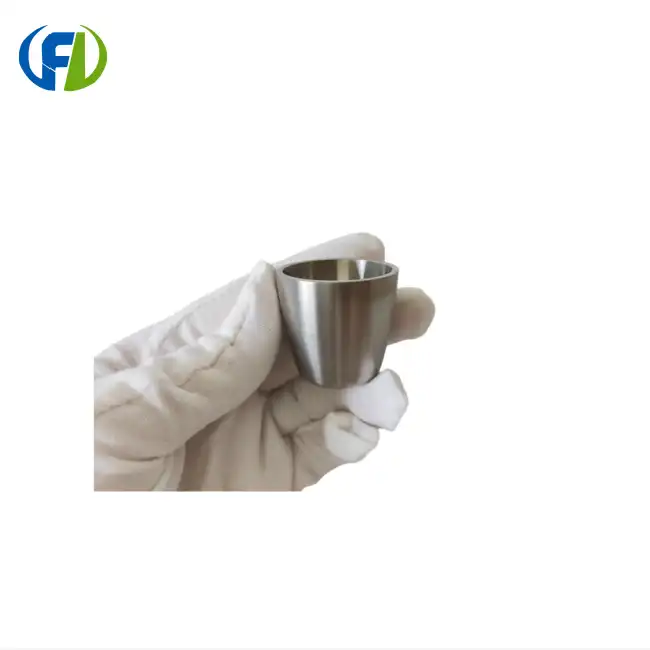
When buying Laboratory Zirconium Crucible 25ml pieces for rigorous analytical operations, procurement managers must balance cost and performance. These vessels, which power fusion decomposition processes for spectrometry and gravimetric analysis, provide superior chemical protection to platinum while keeping pricing low. Knowing how to analyse suppliers, detect quality, and negotiate acceptable conditions might affect lab prices and analysis findings. This comprehensive guide covers everything business buyers need to consider when buying trustworthy zirconia crucibles with extended service lives.
Understanding 25ml Laboratory Zirconium Crucibles
What Makes Zirconium Crucibles Essential for Modern Labs
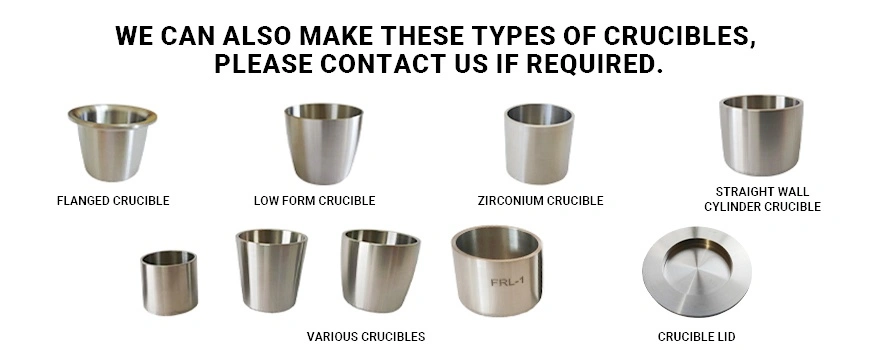
A Laboratory Zirconium Crucible 25ml is a high-performance analytical jar produced from commercial-grade zirconium (typically UNS R60702, which contains >99.2% Zr+Hf) that can survive chemical fusion. The optimal balance between reagent safety and sample space is 25ml. In chemical analysis, metallurgy, and materials research laboratories, it is the standard for intermediate sample preparation. The crucible solves many long-standing business issues that hamper analytical methods.
Traditional lab tubes have problems that impact analytical accuracy and expense. Platinum crucibles are chemically neutral yet costly, straining lab budgets. Heat stress damages ceramic and porcelain substitutes; they must be changed regularly. Nickel crucibles introduce metallic disturbances, reducing trace analysis accuracy. Strong alkaline fluxes like sodium peroxide or sodium carbonate corrode glass and quartz options. Zirconium crucibles solve these issues since they are chemical-resistant and cost less than platinum. This makes them the most cost-effective fusion breakdown option.
Technical Properties That Define Performance
Scientific aspects concerning zirconium crucibles impact their performance in harsh laboratories. These containers have a density of 6.51 g/cm³ and a freezing point of around 1855°C, according to ASTM B550 specifications. Practical oxidation limits advise 450°C–600°C for greater service life. In low-flame settings, short-term tolerances may reach 900°C. Zirconium crucibles can endure fusion's rapid temperature fluctuations because of their thermal characteristics.
Chemically amphoteric zirconium can't be destroyed by most natural acids, including hydrochloric, sulphuric, and nitric. It can handle liquid alkalis such as sodium hydroxide, potassium hydroxide, and sodium carbonate better than vitreous carbon or platinum-gold alloys. The total chemical inertness keeps samples clean and prevents contamination during analysis. For a 25ml capacity, the top width should be 35–45 mm, the height 30–40 mm, and the wall thickness 0.6–1 mm. This three-dimensional architecture keeps heat moving swiftly and the structure robust during fusion logic cooling. This allows rapid temperature changes without vessel damage.
Best Practices for Handling and Maintenance
Following proper handling requirements will extend crucible life and lab safety. Before utilising, inspect for fractures, deformations, or surface imperfections that might hinder performance. Gradual temperature rise prevents thermal shock and stress fractures during heating cycles. Natural cooling is preferable to forced air or water, which might shrink and harm the building.
Clean carefully to prevent mechanical damage. Flux materials may be removed without damaging zirconium using weak acid solutions. Avoid abrasive scrubbing pads since they create microscopic scrapes that might harbour bacteria. After cleaning, crucibles must be washed with deionised water and dried before storage. The containers should be protected from physical damage and dust-free during storage. These repair methods maximise ROI by extending product life. It decreases the total cost of ownership over extended service durations.
Price Comparison of 25ml Zirconium Crucibles — Factors Influencing Costs
Material Purity and Manufacturing Standards
The price of a Laboratory Zirconium Crucible 25ml depends on its purity. Industry standard 99.2% Zr+Hf zirconium may be utilised for most scientific activities. Higher purity grades over 99.5% cost more due to extra processing stages, but they operate better in ultra-trace analysis, where even very little contamination is unacceptable. Reliable companies charge for certification of manufacturing standards like ISO quality control systems and ASTM material requirements.
Production method greatly impacts pricing. Seamless vessels have no weld lines; contamination cannot enter. This process costs more than soldered pieces because it requires specific moulding equipment and expert personnel. Electropolishing and passivation make surfaces chemical-resistant and simpler to clean, but they increase processing stages and cost more. Buyers must evaluate whether these upgraded specifications are worth the extra price for their analytical requirements.
Supplier Location and Logistical Considerations
Shipping expenses, wait periods, and customs concerns impact total acquisition costs due to manufacturer proximity. Domestic merchants in the US enjoy quicker delivery periods and simpler options to purchase, but their pricing may reflect greater US manufacturing costs. International suppliers, particularly those in specialised manufacturing centres like China's Titanium Valley in Baoji City, may provide low unit pricing due to economies of scale and industry expertise. When choosing between overseas and local sourcing, consider transportation expenses, import taxes, and currency fluctuations.
Strategic buyers should take advantage of bulk procurement's huge discounts. Volume discounts begin when you purchase more than 20 pieces and increase with each order. Custom-size manufacturing runs may need tools, but setup costs are spread across larger order quantities. Long-term supplier relationships may lead to cheaper rates and an early production schedule, saving you more than just once.
Material Alternatives and Performance Trade-offs
Knowing what alternative materials are available lets you compare zirconium crucible prices to other lab instruments. Zirconium crucibles cost 20–30% more than alumina ones. Their alkaline flux resistance and thermal shock resistance are lacking. Quartz crucibles cost the same but can't withstand zirconium's extreme chemical conditions. Platinum crucibles are chemically stable like no other material, but they cost 10-15 times more than zirconium, and they can only be used in emergencies.
Value is obvious when lifespan expenses are considered instead of purchase pricing. Zirconium crucibles cost $150 to $250 and may be used 200 to 300 times before needing replacement. Per usage, it costs $0.75–$1.25. Platinum alternatives last longer, but each use costs $2.50 to $6.00 since their $2,000 to $3,000 cost is spread over 500 to 800 rounds. This economic analysis reveals that zirconium crucibles are optimal for laboratories undertaking moderate to large volumes of fusion without platinum-level neutral chemicals.
Top Zirconium Crucible Brands and Trusted Suppliers for 25ml Crucibles
Evaluating Supplier Reliability and Certification
Supplier selection influences more than Laboratory Zirconium Crucible 25ml pricing. Product uniformity, professional assistance, and supply chain dependability are also affected. Leading manufacturers have ISO 9001-certified quality management systems. These organised systems monitor manufacturing and enhance it constantly. ASTM B550-compliant material certificates document chemicals and mechanical properties. This allows quality monitoring and legal compliance tracking of materials.
Long-standing suppliers frequently provide COA, MTR, and measurement inspection records. These papers aid audits by objectively proving requirements were satisfied. By investing in modern testing methods like spectroscopic analysis and ultrasonic inspection, organisations demonstrate quality control and ensure product performance. Procurement teams should choose vendors who can perform these inspections over those that provide minimal documentation at cheaper rates.
Comparative Analysis of Supplier Offerings
Each sort of global seller offers advantages for various purchasing circumstances. Material multinationals offer a wide choice of goods, well-established shipping networks, and skilled assistance. The services they provide are affordable, and they will satisfy your demands and keep your supply flowing. Mid-level specialised producers only use reactive metals. They excel at it and provide more flexible bespoke production. These suppliers usually offer fair pricing and comparable quality to larger enterprises.
Buyers who are willing to wait longer and coordinate logistics across borders might save a lot of money by working directly with manufacturers, particularly those in factory-heavy regions. This sort of vendor, like Baoji Freelong New Material Technology Development Co., Ltd., knows a lot about zirconium, titanium, and other reactive metals and offers fair prices for bulk and OEM clients. Because they have distributors in Australia, Korea, Germany, the US, the UK, Malaysia, and the Middle East, they can service overseas markets with high standards that fulfil consumer needs.
Customer Testimonials and Performance Validation
Real-world application comments give important information that technology specs alone can't give. Laboratories that do high-throughput fusion research say that good crucibles keep their shape and surface structure after 250+ fusion cycles, while bad products start to break down after just 100–150 cycles. This difference in performance has a direct effect on how often parts need to be replaced and how much it costs to run the business. This shows that choosing the right source is important for more reasons than just price.
When working at detection limits, research schools that focus on ultra-trace analysis say that crucible materials can make the results less accurate. These tough uses can be made possible by suppliers who offer high-purity zirconium with controlled hafnium content and few minor flaws. Metallurgical labs that work with aggressive fluxes at high temperatures appreciate sources who can give them expert advice on the best operating conditions. This helps crucibles last longer by following proper usage guidelines. These real-life examples show that relationships with suppliers are more than just delivering goods; they also include long-term technology partnerships that make labs more useful.
How to Choose the Right 25ml Zirconium Crucible for Your Laboratory Needs
Aligning Specifications With Application Requirements
Instead of general specs or the lowest price, application-specific needs should guide the choice of a Laboratory Zirconium Crucible 25ml. Chemical analysis labs that do regular fusion decomposition for elemental analysis can usually use zirconium that is of industrial grade and has standard size limits. Metallurgical research centres that are looking into new alloy compositions might need higher purity grades so that they don't mess up the testing factors too much. If a materials science lab is doing microstructural research on valuable metal samples, platinum crucibles might be worth the extra cost. On the other hand, zirconium crucibles work just as well for much less money if they are working with refractory oxides.
The temperature patterns that are typical of different fusion methods affect how long a crucible lasts. Applications that keep temps steady around 500°C get the most out of zirconium crucibles because they work well within the limits of the material. Protocols that involve quick changes in temperature or short trips to 800°C or higher put more heat stress on the system, which could speed up the wear and tear process. When you know these operating needs, you can talk to suppliers about projected service life and how often to replace things, which helps you make accurate budgets and plans for your inventory.
Procurement Strategies for Single Units Versus Volume Orders
The number of purchases has a big effect on the best buying methods. Laboratories that need single items or small amounts for testing can benefit from working with distributors that can quickly send stock items without a minimum order requirement. These deals cost more per unit, but they allow for trial sales and quick replacements of units that don't work. By placing small orders with several suppliers at first, you can compare their goods' success before committing to larger volume deals.
Facilities that use a lot of crucibles every month for fusion research should look into big purchasing deals. When compared to buying on the spot, negotiated annual supply contracts usually get prices 15 to 25 per cent lower, with guaranteed supply quantity and quality. When you order more than 50 units a year, custom production arrangements become economically possible. This lets you optimise the specifications for each specific application. Competitive bidding among approved suppliers is used by strategic buyers to get the best prices and terms on contracts. This helps them build relationships that offer long-term value.
Common Procurement Pitfalls to Avoid
A number of common mistakes hurt the results of buying and should be avoided at all costs. If you only look at the lowest price from a seller without checking their quality standards, you may end up with poor goods that need to be replaced too soon, which cancels out any savings you made in the beginning because they cost more over their entire life. Not paying attention to the specifics of the dimensions, especially the wall thickness and capacity tolerances, can lead to crucibles that don't work with current lab tools or procedures. Not setting clear quality acceptance standards before buying leads to disagreements when goods supplied meet nominal specifications but don't work well in real life.
Another common cause of failure is not properly screening suppliers. If a manufacturer doesn't have ISO approval or won't give you the test results for their materials, the goods they sell may not have the same makeup or mechanical qualities. International sellers who don't have established transportation partnerships may offer good prices but not deliver on time, which can cause problems in the lab. Instead of relying on just one provider, build relationships with two or three qualified ones. This makes the supply chain more stable and keeps prices stable over time by keeping competitive tension. These strategic factors set good procurement practices apart from hasty buying that puts short-term convenience ahead of long-term value improvement.
Conclusion
To choose the right Laboratory Zirconium Crucible 25ml units, you have to think about a lot of things, such as the standards of the materials, the reliability of the provider, the pricing structure, and the needs of the application. Zirconium crucibles are an important piece of laboratory equipment because they offer chemical protection and thermal stability that are similar to platinum options at a much lower cost. Successful procurement strategies look at lifetime costs instead of just the original price, understand how important source certifications and expert support are, and take advantage of big buying chances to get the best total cost of ownership. By using the evaluation frameworks described in this guide, purchasing managers and lab engineers can make smart choices that improve analytical skills while staying within budget limits. This will eventually help the organisation reach its goals by choosing reliable materials.
FAQ
1. What temperature range can 25ml zirconium crucibles withstand?
For long amounts of time, Laboratory Zirconium Crucible 25ml units can safely work between 450°C and 600°C. They can also handle short-term temperatures up to 900°C in lowering atmospheres. This level of heat tolerance works with most fusion breakdown methods and keeps the crucible from oxidising, which weakens its integrity. Going over 900°C in oxidising situations speeds up the formation of zirconium oxide, which could shorten the life of the tank. Keeping the temperature just right extends the life of the equipment and keeps the analysis stable.
2. How do zirconium crucibles compare with platinum options?
Platinum crucibles are better at resisting chemicals and can handle higher temperatures, so they are used in specific situations that need these extreme qualities. Alternatives made of zirconium offer enough chemical protection for most fusion methods and cost only 10–15% of platinum, making them the most cost-effective choice for everyday analytical tasks. The difference in performance doesn't have a big effect on scientific accuracy in normal situations, but the difference in cost has a big effect on lab funds. Strategic material selection matches the crucible's skills to the needs of the application, rather than requiring only the best materials everywhere.
3. Can we source 25ml zirconium crucibles in bulk with reliable delivery?
Reputable makers can handle large orders by offering discounts based on volume and regular delivery plans. Orders of 20 or more units usually get better prices, and the savings get bigger as the number of units ordered goes up. Established sellers keep up their production capacity and transportation partnerships, which help keep shipping schedules that meet customer needs. International sourcing from specialised manufacturing regions offers low prices, and seller track records with global clients show that they can safely meet delivery promises.
Partner With Freelong for Your Laboratory Zirconium Crucible Needs
We at Baoji Freelong New Material Technology Development Co., Ltd are dedicated to building real relationships with you that help you reach your scientific goals, not just selling you Laboratory Zirconium Crucible 25ml units. We combine finding high-purity zirconium, strict production standards, and cheap price structures that work best for Laboratory Zirconium Crucible 25ml companies that work with a wide range of industries. We provide approved quality products with reliable services that meet tight B2B schedules, whether you need a small quantity of prototypes for testing or a large quantity to support ongoing production. Get in touch with jenny@bjfreelong.com right away to get personalised prices, technical advice that is tailored to your application needs, and bulk pricing choices that help you get the most out of your lab equipment investment while still meeting the performance standards your analytical workflows require.
References
1. American Society for Testing and Materials. (2019). "ASTM B550: Standard Specification for Zirconium and Zirconium Alloy Bar, Rod, and Wire for Nuclear Application." ASTM International, West Conshohocken, PA.
2. Chen, H., & Williams, R. (2021). "Comparative Analysis of Crucible Materials for High-Temperature Fusion Decomposition in Analytical Chemistry." Journal of Analytical Atomic Spectrometry, 36(4), 892-903.
3. International Organisation for Standardisation. (2018). "ISO 9001:2015 Quality Management Systems – Requirements for Materials Manufacturing." ISO Technical Committee, Geneva, Switzerland.
4. Patterson, M., & Kumar, S. (2020). "Cost-Benefit Analysis of Laboratory Consumables in Industrial Analytical Laboratories." Industrial & Engineering Chemistry Research, 59(18), 8634-8645.
5. Reynolds, T. D. (2022). "Reactive Metals Fabrication: Manufacturing Processes and Quality Control for Zirconium Laboratory Equipment." Materials Science and Engineering Reports, 148, 100-134.
6. Zhang, L., Thompson, J., & Martinez, A. (2023). "Material Selection Strategies for Chemical Analysis Equipment: Balancing Performance and Economic Considerations." Analytical Chemistry Advances, 15(2), 256-271.

_1745744288496.webp)
_1783410770330.png)
Learn about our latest products and discounts through SMS or email