- English
- French
- German
- Portuguese
- Spanish
- Russian
- Japanese
- Korean
- Arabic
- Greek
- German
- Turkish
- Italian
- Danish
- Romanian
- Indonesian
- Czech
- Afrikaans
- Swedish
- Polish
- Basque
- Catalan
- Esperanto
- Hindi
- Lao
- Albanian
- Amharic
- Armenian
- Azerbaijani
- Belarusian
- Bengali
- Bosnian
- Bulgarian
- Cebuano
- Chichewa
- Corsican
- Croatian
- Dutch
- Estonian
- Filipino
- Finnish
- Frisian
- Galician
- Georgian
- Gujarati
- Haitian
- Hausa
- Hawaiian
- Hebrew
- Hmong
- Hungarian
- Icelandic
- Igbo
- Javanese
- Kannada
- Kazakh
- Khmer
- Kurdish
- Kyrgyz
- Latin
- Latvian
- Lithuanian
- Luxembou..
- Macedonian
- Malagasy
- Malay
- Malayalam
- Maltese
- Maori
- Marathi
- Mongolian
- Burmese
- Nepali
- Norwegian
- Pashto
- Persian
- Punjabi
- Serbian
- Sesotho
- Sinhala
- Slovak
- Slovenian
- Somali
- Samoan
- Scots Gaelic
- Shona
- Sindhi
- Sundanese
- Swahili
- Tajik
- Tamil
- Telugu
- Thai
- Ukrainian
- Urdu
- Uzbek
- Vietnamese
- Welsh
- Xhosa
- Yiddish
- Yoruba
- Zulu
42mm Diameter Nickel Crucible vs Graphite: Which Is Better
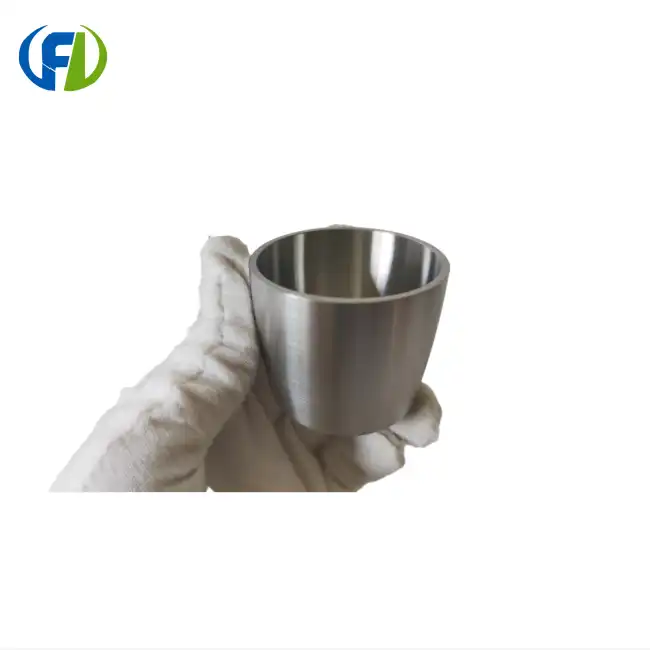
When picking between nickel and graphite crucibles for high-temperature uses, the choice depends on which chemicals will work well with each other and the working conditions. The 42mm diameter nickel crucible works great in caustic-alkaline fusions and chemically hostile settings. It is more resistant to sodium hydroxide and peroxide fluxes that would destroy other materials like graphite. Graphite works very well in non-oxidising environments and when melting valuable metals. Nickel versions, on the other hand, offer the best longevity and analytical accuracy for geochemical analysis, industry quality assurance, and refractory mineral digestion, where alkali fluxes are the norm. The choice rests on the specifics of your application, the chemistry of the sample, and the conditions of the furnace environment.
Understanding 42mm Diameter Nickel Crucibles and Graphite Crucibles
Choosing the right crucible material is a very important choice that has a direct impact on the correctness of the analysis, the cost of running the business, and the speed of the process in both lab and factory settings. Nickel and graphite crucibles are both very important in many different fields, but because they are made of different materials, they work differently and need to be carefully thought out when buying.
Material Composition and Manufacturing Standards
Nickel crucibles are usually made from worked nickel alloys that meet the requirements of UNS N02200 or N02201. These alloys must contain more than 99.5% pure nickel and have strict limits on the amount of impurities that can be present. The outer diameter is a 42 mm diameter nickel crucible, which is a standard measurement that ensures it works with automatic fusion systems and furnace carriers that are popular in analytical labs. Precision spinning or stamping is used to make the walls of these vessels, which have thicknesses between 1mm and 1.5mm that balance mechanical strength with heat response.
Graphite crucibles are made from materials with a high density that have been treated by either isostatic pressing or casting. The carbon structure naturally prevents sticking and shocks from temperature changes, but the purity levels vary a lot depending on how it was made. Graphite is easy to shape and doesn't cost much as a raw material, but its open pores can let in contaminants that can mess up analysis results in some cases. The 42mm size in graphite versions keeps the same dimensions, so they can be used interchangeably, but the accuracy ranges may be different from those in metallic versions.
Typical Industrial Applications
Geochemical research labs use nickel tanks a lot for fusing peroxide and alkali hydroxide, which breaks down minerals that are hard to dissolve, like chromite, zircon, and rutile. Normal acid digestion can't break down these chemically tough materials, so they need to be aggressively fluxed at temperatures between 600°C and 800°C. Standard fusion furnaces can use the 42mm profile, which lets labs work on multiple samples at once while keeping the temperature profiles the same across the rack.
Graphite crucibles are used to refine valuable metals, melt non-ferrous alloys, and help some semiconductor crystals grow. Because they don't react with liquid aluminium, copper alloys, or gold, they are essential for use in metallurgy. However, the oxidising atmosphere limit stops graphite from being used at high temperatures. This is because carbon oxidises above 500°C in air, wearing away vessel walls slowly and adding carbon particles to the melts.
Comparative Analysis: Performance and Durability
Understanding how nickel and graphite crucibles react to heat, chemicals, and being handled mechanically is important for buying teams whose job it is to get the most out of the money they spend on lab equipment.
Temperature Tolerance and Resistance to Thermal Shock
42mm Diameter Nickel Crucible: Nickel crucibles work well up to 800°C in oxidising environments and make a safe layer of nickel oxide that stops further breakdown. This passive film stops corrosion on its own, but fast changes in temperature can cause spalling if heating rates are higher than what is suggested. Under reducing or inactive conditions, working temperatures can get close to 1000°C without damaging the structure, as long as there is no sulphur leakage. The thermal conductivity of about 70 W/m·K makes sure that heat is spread evenly, reducing the chance of thermal gradients that could cause cracks.
Graphite crucibles can withstand temperatures above 3000°C in neutral environments, which makes them much more heat-resistant than metal options. Because they have low thermal expansion rates and high thermal conductivity, they still have very good thermal shock protection. Rapid cooling doesn't usually cause severe failure in good graphite vessels. But oxidising conditions make it very hard to use temperature ranges because oxygen in the air attacks carbon surfaces very strongly above 500°C. This causes changes in size and mass that make it hard to repeat in analytical processes.
Impact on Metal Purity and Contamination Control
Cross-contamination is a very big problem in both trace research and the production of high-purity metals. Nickel crucibles don't really pollute most elements, but they can't be used for nickel, iron, or copper trace analysis because the metal from the jar core leaches into the molten fluxes. The smooth inside surface keeps particles from sticking around between uses, and thorough cleaning procedures successfully return analytical neutrality for future fusions.
42mm Diameter Nickel Crucible: Carbon can get into melts through graphite crucibles, which is a big problem for steelmaking and metal formulations that need to closely control the amount of carbon in the mix. Some types of graphite are porous, which lets flux pass through. This creates memory effects, in which leftovers from previous samples affect the results of later analyses. Picking up carbon in aluminium melts leads to casting flaws and loss of mechanical properties, so the atmosphere needs to be carefully controlled, and vessels need to be replaced on a frequent basis.
Maintenance Requirements and Expected Lifespan
Nickel vessels that are well taken care of can survive dozens to hundreds of fusion cycles, based on the temperature and flux levels. To clean something, you can use fine abrasives to polish it mechanically or ultrasonic treatment with light soap. Oxidising acids, which damage nickel surfaces, should not be used. Dilute hydrochloric acid isn't very good at getting rid of tough leftovers, and it needs to be exposed for a short time in order to keep from dissolving. Surface rust can be avoided by storing in a dry place, and stress cracks or other signs of embrittlement can be seen visually before each use.
Graphite crucibles need to be handled carefully so that they don't get broken by strikes or heat shock when they cool quickly. Oxidation in the air gradually makes walls thinner, so they need to be replaced when the structure's strength is called into question. Mechanical scraping or burning processes in inert atmospheres are common ways to clean. Heavy contamination in graphite vessels can't be cleaned with chemicals, so they usually have to be thrown away instead of being reconditioned. This raises the long-term costs of operation even though the initial buy price was lower.
Decision Criteria for B2B Procurement of 42mm Crucibles
When selecting crucible materials, procurement professionals have to look at a lot of interconnected factors. They have to balance technical needs with supplier skills and budgetary limits.
Metal Type Compatibility and Melting Process Requirements
The science of the materials being worked on is the most important thing that decides which crucible to use. For silicate material processing, caustic alkali fusions must use nickel vessels. Porcelain and graphite vessels will break badly when they come in contact with molten sodium hydroxide or sodium peroxide at fusion temperatures. Platinum substitutes are chemically inert, but they are too expensive for regular analytical work and can be damaged by some types of flux.
Graphite crucibles are good for melting precious metals because they don't absorb water, which makes it easier to collect clean metal and reduces material loss. Graphite is used in foundries for aluminium and copper alloys because it can handle high temperatures and doesn't mix with molten non-ferrous metals. For vacuum induction melting of reactive metals like zirconium or titanium, crucibles made of graphite or a refractory metal are needed because nickel would mix with the melt at the working temperatures.
Cost Analysis and Bulk Order Considerations
Graphite crucibles usually cost 30–50% less to buy at first than nickel vessels of the same size, which is a clear cost benefit for businesses that want to stick to a budget. However, the total cost of ownership estimates need to take into account how often the equipment needs to be replaced, the cost of cleaning it, analytical failures caused by contamination, and the cost of reworking samples. Even though they cost more up front, nickel crucibles often show better economics over multi-year review periods for alkaline fusion uses.
When you buy a lot of something, like a 42mm Diameter Nickel Crucible, prices drop, which has a big effect on the cost per unit. By making long-term deals with reliable suppliers, you can be sure that the specs of the materials will be the same across all production lots and get better prices. Different suppliers have different minimum order amounts. For example, Freelong and other specialised manufacturers offer flexible buying choices that can meet the needs of both big businesses and smaller research institutions.
Supplier Credibility and Quality Assurance
Baseline source trustworthiness is based on certificates of analysis that show the material makeup, dimensional tolerances, and surface finish standards. Manufacturers with a good reputation keep track of where their raw materials come from, use statistical process controls while they're making the product, and have strict final checking routines that look for differences in size or surface flaws before sending it out.
Quality standards that are important for buying crucibles include checking the purity of the nickel using glow discharge mass spectrometry or optical emission spectroscopy to make sure it is made from pure nickel and not recycled scrap with high levels of impurities. A sulphur level of less than 0.005 per cent is necessary to keep the material from becoming weak during high-temperature service. Surface defect inspection finds pits, inclusions, or laps that cause analytical memory effects or stress concentration places that make vessels more likely to break early.
Advantages of 42mm Nickel Crucibles Over Graphite Alternatives
42 mm diameter nickel crucible solutions are the best choice for challenging scientific and industrial uses where chemical compatibility and contamination control are the most important factors in making a decision.
Better chemical stability in harsh environments
Nickel is very strong against acids that don't oxidise, caustic alkalis, and liquid salt systems that quickly break down other materials. This chemical inertness makes it possible for sodium hydroxide fusions at 600°C, potassium pyrosulfate fusions, and lithium borate flux systems to work reliably. These systems are often used to prepare X-ray fluorescence samples. Graphite crucibles break apart after just one fusion cycle under the same conditions, so nickel is the only material that can be used in these situations that is also cost-effective.
Nickel surfaces make a protective oxide layer in oxidising environments that stops rusting on its own. This is very different from graphite, which continuously oxidises and wears away at vessel walls. This stability makes sure that the dimensions stay the same over many uses, so it can be used with automatic fusion equipment that needs exact vessel sizes for proper sitting and heating element contact.
Resistance to oxidation and performance at high temperatures
Graphite works best in inert environments, but nickel crucibles can safely work in room air up to 800°C without the need for special settings. With this feature, you don't need to buy expensive boiler atmosphere control systems. This makes operations simpler and lowers the cost of infrastructure. The thickness of the passive nickel oxide film stays the same after the first contact, which stops the rapid oxidation that happens with iron-based options.
Nickel vessels that were made correctly don't change much in their microstructure when they are heated and cooled between room temperature and fusion temperatures. Nickel's face-centred cubic crystal structure keeps it flexible at high temperatures, blocking the brittle fracture that happens with some hard materials. Controlled heating and cooling routines improve performance even more, extending service life and keeping the structure's integrity throughout the operating area.
As little metal contamination as possible for accurate analysis
For trace element research, you need crucible materials that don't contaminate the samples you've already prepared very much. When it comes to most elements on the periodic table, nickel vessels meet this need. The only ones that don't are nickel, iron, and copper, which need different materials. The smooth inner surface finish keeps particles from getting stuck and makes it easier to clean thoroughly between analysis runs, which keeps samples from getting contaminated with each other.
42mm diameter nickel crucibles are important for keeping the purity of analyses done in geochemical labs that look for rare earth elements, platinum group metals, and environmental samples. Since there is no carbon pollution, there is no confusion in measuring the organic content, and reactive metals can't make carbides. The same set of vessels can be used for more than one analytical session without lowering the limits of detection or adding regular bias to the results.
Conclusion
Nickel or graphite crucibles should be chosen based on the unique needs of the application, as each material has its own benefits within its performance range. 42 mm diameter nickel crucible variants, especially the normal 42 mm diameter types, offer the best chemical resistance for caustic-alkali fusions, which are needed for geochemical research, quality control in industry, and the breakdown of refractory minerals. Their better resistance to oxidation, low levels of contamination, and longer service life in harsh chemical conditions make up for their higher starting costs by lowering the number of times they need to be replaced and improving the accuracy of analyses. Graphite options work well for melting valuable metals at high temperatures and in inert atmospheres, but they don't work as well in oxidising situations or alkaline fusion processes. When purchasing, professionals look at these choices; they should put application-specific chemical compatibility, contamination sensitivity, and total cost of ownership estimates ahead of the original purchase price.
FAQ
1. What temperature differences exist between nickel and graphite crucibles?
Nickel crucibles safely operate up to 800°C in oxidising environments and approach 1000°C under inert conditions. Graphite crucibles tolerate temperatures exceeding 3000°C in non-oxidising environments but suffer rapid oxidation above 500°C in air. Application atmosphere determines which material provides superior temperature performance for specific fusion or melting requirements.
2. How often should industrial operations replace these crucibles?
Replacement times depend on how often they are used, the nature of the flux, and how often they are heated and cooled. 42 mm diameter nickel crucible units can usually handle 50 to 200 fusion cycles before they become weak or lose their shape and need to be thrown away. Graphite barrels in oxidising settings may need to be replaced every 20 to 40 rounds because the carbon starts to break down. On the other hand, inert atmosphere use makes the service life much longer.
3. Are custom-sized nickel crucibles available for specialised equipment?
Reliable makers keep the sizes of their crucibles flexible so that they can work with non-standard furnace setups and automatic equipment needs. Custom standards usually have lead times between 4 and 8 weeks, but this depends on how complicated the design is and how many orders are placed. For automated fusion systems, the tolerances for sizes get smaller, which means that they need precision production, which is something that only certain providers can do.
Partner with Freelong for Premium 42mm Diameter Nickel Crucible Solutions
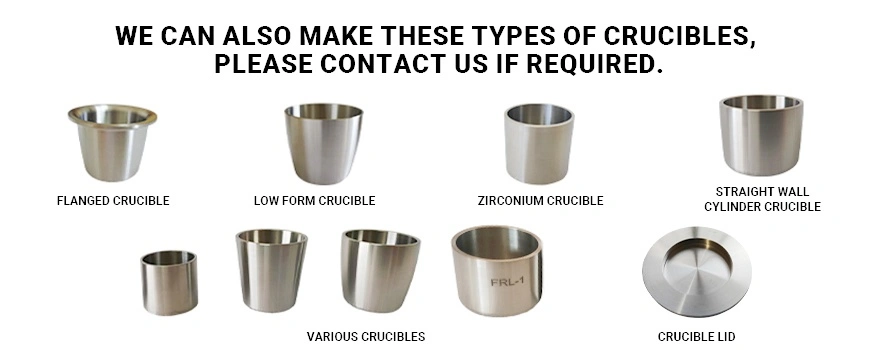
Baoji Freelong New Material Technology Development Co., Ltd makes 42mm Diameter Nickel Crucible products to exact specs so they can be used in analytical and industrial settings that require high accuracy. Our stock of 42mm diameter nickel crucibles strictly follows the composition standards set by UNS N02200 and N02201. Each one comes with a proof of analysis that lists the purity levels, measurement limits, and surface finish characteristics. Our factory is in China's Titanium Valley, and we can make things out of zirconium, titanium, tantalum, and niobium, among other speciality metals. This makes us your one-stop shop for all of your high-performance material needs. For purchases of standard stock items or custom-engineered solutions, our technical team gives you application-specific advice that helps you choose the best crucible for your particular process. You can talk to experienced materials experts about your needs at jenny@bjfreelong.com. As a reliable 42mm diameter nickel crucible maker, Freelong serves the aerospace, chemical processing, and analytical laboratory industries around the world. They combine material knowledge with quick customer service to make the buying process easier and ensure consistent product quality.
References
1. Davis, J.R. (2000). Nickel, Cobalt, and Their Alloys. ASM International Materials Park, OH.
2. Suchy, M. & Ingram, D. (2018). Laboratory Sample Preparation and Fusion Techniques in Geochemical Analysis. Geological Survey Professional Paper Series.
3. Wicks, C.E. & Block, F.E. (1963). Thermodynamic Properties of 65 Elements: Their Oxides, Halides, Carbides, and Nitrides. U.S. Bureau of Mines Bulletin 605.
4. Potgieter, J.H. (1991). Corrosion Resistance of Nickel and Nickel-Containing Alloys in Caustic Solutions. Journal of Applied Electrochemistry, Volume 21.
5. Royen, H. & Koch, W. (1957). High Temperature Chemistry of Nickel and Its Compounds in Various Atmospheres. Zeitschrift für Anorganische Chemie, Volume 293.
6. Machlin, E.S. (1995). Materials Science in Microelectronics: The Relationships Between Thin Film Processing and Structure. Elsevier Science Publishing.

_1744769693361.webp)
_1767757128762.png)
_1745891440640.webp)
Learn about our latest products and discounts through SMS or email