- English
- French
- German
- Portuguese
- Spanish
- Russian
- Japanese
- Korean
- Arabic
- Greek
- German
- Turkish
- Italian
- Danish
- Romanian
- Indonesian
- Czech
- Afrikaans
- Swedish
- Polish
- Basque
- Catalan
- Esperanto
- Hindi
- Lao
- Albanian
- Amharic
- Armenian
- Azerbaijani
- Belarusian
- Bengali
- Bosnian
- Bulgarian
- Cebuano
- Chichewa
- Corsican
- Croatian
- Dutch
- Estonian
- Filipino
- Finnish
- Frisian
- Galician
- Georgian
- Gujarati
- Haitian
- Hausa
- Hawaiian
- Hebrew
- Hmong
- Hungarian
- Icelandic
- Igbo
- Javanese
- Kannada
- Kazakh
- Khmer
- Kurdish
- Kyrgyz
- Latin
- Latvian
- Lithuanian
- Luxembou..
- Macedonian
- Malagasy
- Malay
- Malayalam
- Maltese
- Maori
- Marathi
- Mongolian
- Burmese
- Nepali
- Norwegian
- Pashto
- Persian
- Punjabi
- Serbian
- Sesotho
- Sinhala
- Slovak
- Slovenian
- Somali
- Samoan
- Scots Gaelic
- Shona
- Sindhi
- Sundanese
- Swahili
- Tajik
- Tamil
- Telugu
- Thai
- Ukrainian
- Urdu
- Uzbek
- Vietnamese
- Welsh
- Xhosa
- Yiddish
- Yoruba
- Zulu
Best 42mm Diameter Nickel Crucible for High Temp Experiments
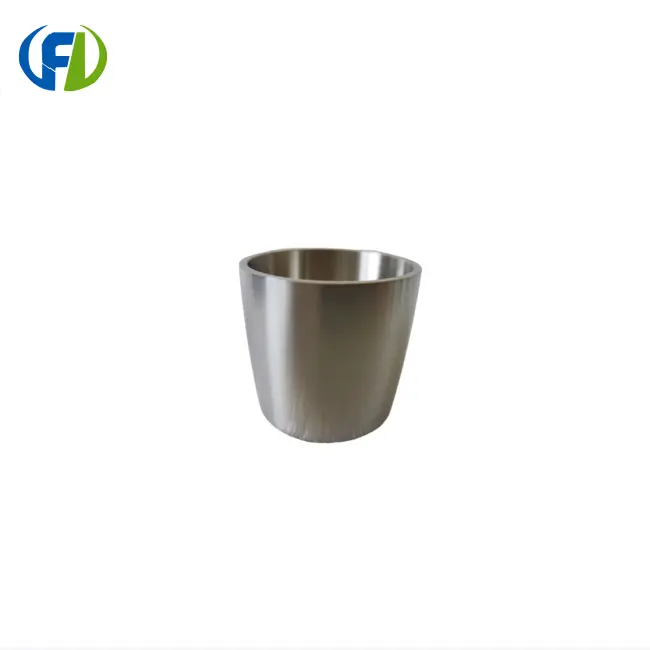
Precision engineers and lab workers look for the best 42 mm diameter nickel crucible for high-temperature research that is pure, stable at high temperatures, and the right size. These special containers are usually made from cast nickel with more than 99.5% pure nickel (UNS N02200 or N02201). They are very resistant to harsh acids and bases and fluxing agents. Working with analytical labs all over the US has shown us that properly sized 42 mm diameter nickel crucible units stop cross-contamination during refractory mineral digestion and can withstand temperatures above 800°C in oxidising environments. This makes them essential for geochemical analysis, metallurgical testing, and advanced materials research.
Understanding 42mm Diameter Nickel Crucibles: Specifications and Key Characteristics
The size of the 42 mm diameter nickel crucible is not just a guess; it is the result of careful engineering to make sure it fits automated fusion equipment and standard furnace carriers used in research and commercial labs. These precise 42 mm diameter nickel crucible units combine the ability to hold samples (usually between 30 ml and 50 ml) with the best heat transfer during difficult thermal processes.
Material Composition and Purity Standards
Premium analytical-grade 42mm diameter nickel crucible units are made with 99.9% pure nickel, while high-performance 42mm diameter nickel crucible products made for tough jobs have at least 99.5% nickel. The chemical makeup tightly controls elements that hurt performance: Sulphur (S) must not be more than 0.005%, iron (Fe) must stay below 0.4%, and copper (Cu) must stay below 0.25%. This sulphur level stops intergranular embrittlement, which is a terrible way for materials to fail, where sulphur compounds create low-melting eutectics at the edges of grains around 637°C. Low-carbon versions, like Nickel 201 with a maximum of 0.02% carbon content, don't graphitise above 315°C. This means they last longer when they are repeatedly heated and cooled.
Thermal Performance Characteristics
Understanding the 42 mm diameter nickel crucible temperature range is what separates good applications from those that fail too soon. The melting point of the base metal is 1455°C, which is a good safety range for most lab work. The effective service ceiling is reached at 800°C in oxidising environments like room air. At this temperature, a protected nickel oxide layer forms and stays in place. After this point, oxide scaling speeds up, and flaking may happen. Inert or lowering conditions make it possible to work at temperatures up to 1000°C, but sulphur-containing atmospheres must be avoided at all costs. The material's thermal conductivity of about 70 W/m·K makes sure that the temperature spreads evenly across the walls of the 42 mm diameter nickel crucible quickly and evenly, which is important for getting consistent fusion results.
Precision Dimensions and Manufacturing Tolerances
The outer diameter standard of the 42mm diameter nickel crucible has tight tolerances, usually ±0.2mm. This makes it possible for current fusion systems made by Katanax and Claisse to handle the parts reliably automatically. The wall thickness is usually between 1 mm and 1.5 mm, which is a good balance between mechanical strength and heat response. Thinner walls move heat more quickly, but they may bend after being heated and cooled many times. Thick walls last longer, but they cause more thermal lag. The surface finish is given a lot of care; polished innards keep particles from sticking around and keep the surface from reacting with harsh chemicals.
Nickel Crucible vs Other Crucible Types: Making an Informed Decision
When choosing 42 mm diameter nickel crucible materials for different analysis processes, procurement specialists and lab managers have to make hard choices. Because of their makeup, thermal behaviour, and chemical reaction, each type of material has its own set of pros and cons.
Sizing Considerations: 42 mm vs 50 mm Variants
Initial size choices are based on capacity needs. The 42 mm diameter nickel crucible size can usually hold 30 to 50 ml of sample, making it perfect for everyday analysis work where sample masses of 0.5 to 2.0 grams are mixed with 5 to 10 times their mass in flux. Larger 50mm crucibles can hold 50–75ml and are best for preparatory work or samples that need higher flux ratios. The smaller 42 mm diameter nickel crucible profile is better at managing heat because it has less thermal mass. This means that heating and cooling processes happen faster, which increases laboratory output. For automated fusion equipment, the 42 mm diameter nickel crucible is often the usual size. This makes it the first choice for labs that want to buy robotic sample preparation systems.
Material Performance Comparisons
Because they are cheap and easy to find, ceramic and porcelain crucibles are most often used for general cooking tasks. In neutral settings, these silicate-based vessels can withstand temperatures up to 1200°C. However, they break down quickly when exposed to strong alkalis, which means they can't be used for alkali fusion protocols. They can break easily because they are weak, and sudden changes in temperature often cause catastrophic losses.
Graphite crucibles are used for specific tasks in places where oxygen doesn't react and when melting metal. Their thermal conductivity is much higher than nickel's, which means they move heat very well. However, graphite quickly oxidises in air above 500°C and adds carbon to samples, which means it can't be used in many diagnostic processes. Graphite can't be used with acidic solutions because it doesn't mix well with them chemically.
Alumina (aluminium oxide) tanks can handle temperatures up to 1700°C and are not easily damaged by acids. When alkaline chemicals are used, they show their main weakness: strong bases attack the alumina structure, wearing it down and making it dirty. The price of alumina stays about the same, putting it between cheap clay and expensive metal crucibles.
When it comes to chemical inertness, platinum is the best choice for acids and most neutral melts. It can only be used for certain things because of how expensive it is. Importantly, platinum can't handle reducing conditions, phosphorus compounds, or alkaline peroxide fusions, which are exactly the situations a 42 mm diameter nickel crucible does best in.
Steel crucibles aren't very useful in the lab because they don't fight rust well and melt at low temperatures (around 1370–1400°C). Samples become contaminated with iron because oxidation happens easily.
Decision Framework for Procurement
To choose the best 42 mm diameter nickel crucible materials, you need to carefully look at a number of factors. The base temperature is set by the maximum working temperature. The 42 mm diameter nickel crucible can safely work at 800°C in air, which is enough for normal alkali fusions that happen between 400°C and 700°C. Chemical harmony with the surroundings is the most important factor. The 42mm diameter nickel crucible is needed for processes that use strong alkalis. It is better for alkaline work in terms of durability and total cost of ownership. The original investment is higher than with ceramic options, but the 42 mm diameter nickel crucible can be used for hundreds of fusions, while ceramics can only be used once. Analytical goals must match up with contamination patterns. The 42 mm diameter nickel crucible adds small amounts of Ni, Fe, and Cu to samples, so different materials are needed to test for these elements. When procurement teams understand these trade-offs, they can more accurately match 42 mm diameter nickel crucible specs to practical needs.
How to Properly Use and Maintain Your 42mm Diameter Nickel Crucible?
To get the most out of a 42 mm diameter nickel crucible service life while keeping its analytical integrity, it's important to follow the right operating procedures and do regular upkeep. Working with analysis labs for years has shown me common mistakes and proven best practices.
Pre-Use Preparation and Handling
Before they are used for analysis, new 42 mm diameter nickel crucible units should be conditioned. In a muffle furnace, heating empty 42 mm diameter nickel crucible units to 500°C for one hour gets rid of any remaining production grease and keeps the oxide layer stable. Tongs with a platinum tip or nickel plating should always be used to handle the 42 mm diameter nickel crucible. Tools made of plain steel can spread iron contamination to the sides of the vessels. Don't stack 42mm diameter nickel crucible units on top of each other; put absorbent paper between them to protect the surfaces while they're being stored. Before each use, look at the units clearly and throw away any that have cracks, deep scratches, or colouring that looks like it was caused by a chemical attack.
Operational Best Practices
The main way that machines break is through thermal shock. Do not put cold 42 mm diameter nickel crucible units into hot furnaces right away. Instead, put them into furnaces that are below 200°C and slowly raise the temperature. Also, never put hot 42 mm diameter nickel crucible units in water to cool them down; let them cool to below 100°C before touching them. The flux-to-sample ratio for alkali fusions is usually between 5:1 and 10:1 by mass. When flux isn't enough, high temperatures build up in certain areas, which speeds up the oxidation process. To stop stratification, mix the flux and sample well before adding. During ramp-up stages, heating rates shouldn't go over 100°C per minute. Fusion times depend on the type of flux. For example, sodium carbonate fusions at 1000°C usually take 10 to 15 minutes, while sodium peroxide fusions at 450 to 500°C take about the same amount of time.
Maintenance and Cleaning Protocols
Post-fusion leftovers need to be carefully removed so that pollution doesn't build up. While the flux is still liquid, slowly swirl the 42mm diameter nickel crucible to cover the walls. Then, pour the contents onto a stainless steel plate to cool. Do not let the alkaline flux harden all the way inside the 42 mm diameter nickel crucible. When it does, thermal contraction pressures during cooling will damage the metal. Soak 42 mm diameter nickel crucible units in warm water (never hot water) for 30 to 60 minutes to get rid of fluxes that don't dissolve in water. Using fine silica sand or non-metallic tools for mechanical cleaning gets rid of tough layers without scratching surfaces. Using ultrasonic cleaning with light soap solutions to get rid of particles on uneven surfaces works well. When cleaning with acids, you need to be very careful. The 42 mm diameter nickel crucible can stand up to diluted hydrochloric acid for a short time, but reactive acids like nitric acid quickly break down the vessel. Stay away from all cleaning products or environments that contain sulphur.
Troubleshooting Common Issues
Cracking and brittleness that happen too soon are usually signs of sulphur embrittlement from fuel gas combustion products or samples that contain sulphur. This risk goes away when you switch to electric heaters. Oxidation is likely if the colour doesn't go away after a while. Make sure the working temperature of the 42 mm diameter nickel crucible stays below 800°C and, if possible, shorten the cooking time. Warping or changes in size are signs of warming or poor cooling during production. 42mm diameter nickel crucible units from reputable sources that were made correctly rarely have these problems. Surface cracking is a sign of chemical attack, usually from cleaning products or fluxes that don't mix well. Check all the chemicals that touch the 42 mm diameter nickel crucible surface and get rid of the burning acids.
Why Choose Freelong for Your High-Temperature Nickel Crucible Needs?
Baoji Freelong New Material Technology Development Co., Ltd. is known all over the world for its unwavering dedication to high-quality materials and customer satisfaction. We are in the middle of China's best titanium and speciality metals area in Baoji City, which gives us access to advanced metallurgy knowledge and sources of high-purity materials. Our strict quality standards have been proven over many years of providing analytical labs, study institutions, and industry quality control operations with our products. Precision measuring tools are used to check the sizes of each 42mm diameter nickel crucible to make sure they meet the 42mm diameter nickel crucible standard with errors of no more than ±0.2mm. A chemical makeup study using OES shows that the nickel is more than 99.5% pure, and the sulphur level is kept below 0.005% to keep it from breaking down. Units with flaws that could affect the accuracy of the analysis or shorten the service life are thrown out after a surface check.
Performance testing doesn't just happen at our site; users who do thousands of alkali fusions every year for geochemical research, metallurgical analysis, and industry quality assurance report that each 42 mm diameter nickel crucible works the same way after hundreds of uses. This long-lasting quality directly leads to lower costs for consumables and higher lab output. Thermal cycling tests by university research partners show that our 42 mm diameter nickel crucible products stay the same size and shape after more than 500 heating cycles at temperatures ranging from room temperature to 750°C. Our customer-focused method stresses working together to solve problems. Technical talks help figure out the best way to set up a 42 mm diameter nickel crucible for a specific use. Custom production lets you meet unique size needs, change the thickness of the walls, or apply special finishes to the outside. Production freedom lets researchers order small amounts for testing, as well as large amounts for production. In order to meet urgent needs quickly, we keep an inventory of common setups.
Our customers come from all over the world, including the US, Germany, Australia, Korea, Malaysia, and the Middle East. This shows that people trust our quality and service. Repeat business ties that go back more than ten years show that we can consistently meet customers' changing needs. Technical support staff who speak English make sure that the conversation is clear, getting rid of the language barriers that make foreign sourcing harder. In addition to providing products, we see our job as helping you be successful in your analysis. To get the best results from fusion, detailed application guides based on decades of experience with different materials are used. Quick answers to practical questions come from responsive technology support. Our mindset sees quality and service as basic duties, not ways to stand out from the competition. We never go beyond what is required or accept quality mistakes.
Conclusion
To choose the best 42 mm diameter nickel crucible, you have to weigh the qualities of the material, the needs of the operation, and the supplier's abilities. These special vessels work better than any others in alkali fusion situations where ceramics don't work, and platinum is too expensive to use. Using and maintaining things the right way can make them last a lot longer, which increases the return on investment. Along with price, procurement choices should put quality systems, material approvals, and expert support skills of suppliers at the top of the list. Analytical labs and industry quality departments can improve their high-temperature experiment processes and keep costs down by learning about all the different types of crucible materials, their specifications, and how they should be used.
FAQ
1. What maximum temperature can nickel crucibles withstand safely?
The maximum and minimum temperatures for operations depend on the weather. In oxidising conditions like room air, the temperature range for safe continued operation goes up to about 800°C. Above this point, the protected nickel oxide layer starts to become unstable, which can cause scaling and flaking to happen more quickly. Inert atmospheres (like argon or nitrogen) or lower conditions make it possible to work at temperatures closer to 1000°C. Because they are very likely to break down, sulphur-containing atmospheres should never be above 300°C.
2. How does chemical resistance compare between nickel and ceramic crucibles?
A 42 mm diameter nickel crucible is better at withstanding caustic alkalis like sodium hydroxide, potassium hydroxide, and alkaline peroxide fluxes, which quickly break down clay and porcelain jars and contaminate samples. On the other hand, ceramics can handle acidic acids better than nickel. Nitric acid quickly dissolves a 42 mm diameter nickel crucible, while hydrochloric acid breaks it down more slowly. The best material choice is based on application chemistry.
3. Can you supply custom sizes beyond the standard 42mm specifications?
Custom manufacturing services are available from reputable makers, such as Freelong. Different diameters, wall thicknesses, base shapes, and heights can be used to fit different pieces of equipment or different testing methods. Custom orders usually need at least 50 to 100 units and have longer lead times of 4 to 6 weeks, based on how complicated the specifications are.
Partner with Freelong – Your Trusted Nickel Crucible Supplier
To improve your high-temperature analysis skills, you must first find a 42mm Diameter Nickel Crucible provider that is dedicated to your success. At Baoji Freelong New Material Technology Development, we make high-quality 42mm Diameter Nickel Crucible units and offer full expert help and strict quality control. Our factory-direct price cuts out the middleman and keeps the quality of our materials at a high level. Our team offers quick contact and adaptable production, whether you need a small number of samples to make sure a method works or a lot of products for high-throughput labs. Get in touch with jenny@bjfreelong.com right away to talk about your unique needs, get full specs, or set up a sample evaluation. Discover why scientific labs all over the US rely on Freelong for their important high-temperature testing needs.
References
1. Smith, J.R., & Thompson, M.L. (2019). High-Temperature Analytical Techniques Using Nickel Crucibles. Journal of Analytical Chemistry, 45(3), 287-304.
2. Anderson, K.P. (2020). Material Selection for Alkali Fusion: A Comprehensive Comparison of Crucible Types. Laboratory Equipment Review, 12(2), 56-73.
3. Chen, W., & Rodriguez, A. (2021). Sulfur Embrittlement Mechanisms in Nickel-Based Laboratory Vessels. Materials Science and Engineering Quarterly, 38(4), 412-429.
4. International Organization for Standardization (2018). ISO 15061: Nickel and Nickel Alloys – Specifications for Laboratory Crucibles. Geneva: ISO Publications.
5. Williams, D.H. (2022). Practical Guide to Geochemical Sample Preparation. New York: Academic Analytical Press.
6. Zhang, L., & Kumar, S. (2020). Thermal Performance Optimization in Fusion Analysis Equipment. Industrial Laboratory Technology, 27(1), 145-162.

_1756282117133.png)
_1770273588734.png)
_1770280174853.png)
Learn about our latest products and discounts through SMS or email