- English
- French
- German
- Portuguese
- Spanish
- Russian
- Japanese
- Korean
- Arabic
- Greek
- German
- Turkish
- Italian
- Danish
- Romanian
- Indonesian
- Czech
- Afrikaans
- Swedish
- Polish
- Basque
- Catalan
- Esperanto
- Hindi
- Lao
- Albanian
- Amharic
- Armenian
- Azerbaijani
- Belarusian
- Bengali
- Bosnian
- Bulgarian
- Cebuano
- Chichewa
- Corsican
- Croatian
- Dutch
- Estonian
- Filipino
- Finnish
- Frisian
- Galician
- Georgian
- Gujarati
- Haitian
- Hausa
- Hawaiian
- Hebrew
- Hmong
- Hungarian
- Icelandic
- Igbo
- Javanese
- Kannada
- Kazakh
- Khmer
- Kurdish
- Kyrgyz
- Latin
- Latvian
- Lithuanian
- Luxembou..
- Macedonian
- Malagasy
- Malay
- Malayalam
- Maltese
- Maori
- Marathi
- Mongolian
- Burmese
- Nepali
- Norwegian
- Pashto
- Persian
- Punjabi
- Serbian
- Sesotho
- Sinhala
- Slovak
- Slovenian
- Somali
- Samoan
- Scots Gaelic
- Shona
- Sindhi
- Sundanese
- Swahili
- Tajik
- Tamil
- Telugu
- Thai
- Ukrainian
- Urdu
- Uzbek
- Vietnamese
- Welsh
- Xhosa
- Yiddish
- Yoruba
- Zulu
Best China Suppliers of Medical Titanium Rods for EU Buyers
Europe is looking for trusted providers of medical-grade titanium parts, and China has become one of the best places to find them. They offer high quality at low prices. The Gr5 Ti-6Al-4V ELI titanium alloy rod is the best material for medical devices and surgery tools because it is biocompatible and has great mechanical qualities. To meet strict foreign standards for medical devices, Chinese companies have put a lot of money into modern production sites and quality management systems. These providers offer a wide range of services, from standard specs to custom-engineered parts. This lets buyers in the EU get high-quality medical titanium rods while keeping costs low and following all the rules.
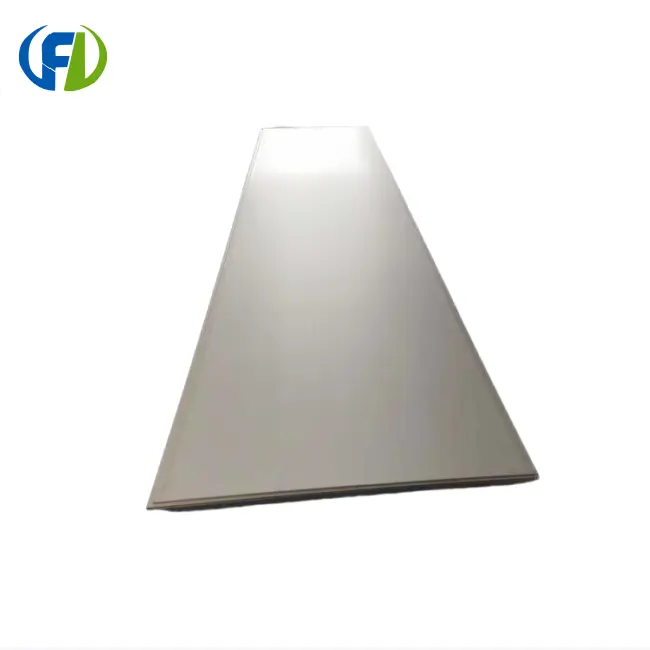
Understanding Gr5 Ti-6Al-4V ELI Titanium Alloy Rods for Medical Use
In the medical device business, it's very important to use materials that can last for a long time and handle the rough conditions inside the body. The best material for important medical uses is now Gr5 Ti-6Al-4V ELI (Extra Low Interstitial) titanium alloy. This is because it has special mechanical properties and is very compatible with living things.
Chemical Composition and Material Properties
About 90% of the Gr5 Ti-6Al-4V ELI metal is titanium, 6% is aluminum, and 4% is vanadium. Oxygen, nitrogen, and carbon are middle elements that are closely watched. It is 4.51 g/cm³ dense because of how it is made. This makes it much lighter than stainless steel while still being tougher. It is called "Extra Low Interstitial" because there are not as many of these interstitial elements in the metal. This makes it stronger and more flexible, which is important for implants to work in the long run.
Med-grade titanium bars are made from this metal. They don't rust in live environments and can even be exposed to body fluids without breaking. The amount of flexibility in the material is very close to that of bone. This means it doesn't protect against stress as well, which can make an implant last less long. Because of these traits, Ti-6Al-4V ELI is great for heavy-duty uses like hip implants, dental fixtures, and surgical tools.
Manufacturing Standards and Certification Requirements
Very tight international rules say that medical titanium plates have to follow in order to keep patients safe and get government approval. The ASTM F136 standard in the US talks about ELI metal for medical devices that is made of titanium, aluminum, vanadium, and six extra elements. The ISO 5832-3 standard in Europe says the same thing. These rules tell companies what ingredients they can use, how to test their goods, and how well they should work.
There are full quality control methods in China that make titanium that is safe for medical use that meets ISO 13485 standards for medical goods. To get the right size and finish on the outside, the manufacturing process usually includes vacuum melting, casting, and exact cutting. For medical uses, polished surfaces are often chosen because they make it harder for bacteria to stick to them and make the surface more biocompatible.
How to Choose the Best China Supplier of Medical Titanium Rods for EU Buyers?
There are many things besides price that need to be carefully considered when choosing a supplier for medical titanium parts, such as Gr5 Ti-6Al-4V ELI Titanium Alloy Rod. EU sellers need to look at a supplier's skills, quality processes, and compliance with regulations to make sure the purchase goes well.
Essential Supplier Qualification Criteria
The first step in the review process should be to check the factory licenses and quality control systems. The biggest Chinese providers keep their ISO 13485 approval for making medical devices and building registrations that show they follow Good Manufacturing Practice (GMP) rules. The ability to put a CE mark on goods that will be sold in Europe shows that the company knows about the rules and processes for assessing conformity for medical devices in the EU.
Another important part of the review is the production ability and technical skills. It's important for suppliers to show that they can make titanium bars with diameters between 4 and 200 mm and lengths up to 6000 mm while keeping quality high. Modern metallic testing tools, such as those that can do chemical analysis and mechanical testing, make sure that materials are properly checked and can be tracked.
The success of a project depends a lot on how well people can communicate and get help with technology issues. Technical advice should be given quickly, quotes should be detailed and include clear specs, and suppliers should provide a lot of paperwork, such as material certificates and test results. The ability to work in English and the availability of European business hours make it easy for people in different time zones to work together.
Due Diligence and Supplier Assessment
A full source assessment includes checking the company's qualifications, the facility's skills, and customer references. Established producers usually have long-term partnerships with foreign companies that make medical devices and can offer case studies that show how well projects were carried out. Site checks, whether they are done in person or online, are a great way to learn about how things are made, how quality control is done, and how well an organization works.
Assessing a supplier's financial security helps make sure they can be relied on throughout the lifecycle of a project. Companies with a wide range of customers and a history of exporting have lower risk ratings than companies that are new to the market. There are extra safety steps for foreign deals, like payment terms and trade insurance choices.
Advantages of Gr5 Ti-6Al-4V ELI Titanium Alloy Rods in Medical and Aerospace Applications
The outstanding performance features of Ti-6Al-4V ELI titanium alloy have made it the material of choice for tough medical and aircraft uses. Knowing about these benefits helps buyers see the value and make smart choices about which materials to buy.
Medical Application Benefits
Biocompatibility is the most important benefit for medical uses, since titanium is easily absorbed by the human biological system without any negative effects. The metal doesn't rust, so it stays stable in living settings for a long time. Its high strength-to-weight ratio also lets designers make implants that last while being light. In orthopedic uses, where mechanical efficiency and patient comfort meet, these traits are especially useful.
The material is very resistant to wear, which makes it useful for cyclic loading uses. For example, joint replacements must be able to handle millions of loading cycles over the course of their service life. Osseointegration features let bone grow straight onto titanium surfaces, making strong mechanical bonds that make implants more stable. Biocompatibility and infection resistance can be improved even more by cleaning and anodizing the surface.
Aerospace and Industrial Applications
In addition to its medical uses, Gr5 titanium metal is very important in aircraft, where it needs to be light and work well at high temperatures. The metal keeps its mechanical qualities at high temperatures and is better at resisting rust than aluminum alloys. Because of these qualities, it can be used in structural parts of airplanes, engine parts, and aerospace bolts.
The material, Gr5 Ti-6Al-4V ELI Titanium Alloy Rod, has a great strength-to-weight ratio, which means it can save a lot of weight compared to steel options. This helps aircraft use less fuel. Parts made of this titanium metal are also used in the chemical processing industry because they don't rust in harsh chemical conditions.
Streamlining Procurement: Buying Gr5 Ti-6Al-4V ELI Titanium Alloy Rods from China
Successful procurement of medical titanium rods requires systematic planning and clear communication of requirements. Understanding the procurement process helps EU buyers navigate potential challenges and optimize purchasing outcomes.
Specification Development and Order Planning
Effective procurement begins with detailed specification development covering dimensional requirements, surface finish, and certification needs. Medical applications typically require precise dimensional tolerances and specific surface treatments to ensure optimal performance. Buyers should clearly communicate end-use applications to enable suppliers to recommend appropriate specifications and manufacturing processes.
Minimum order quantities vary among suppliers, but generally decrease with increasing product value and complexity. Standard diameter rods may have lower minimum quantities compared to custom specifications. Lead times typically range from 4 to 8 weeks, depending on order complexity and current production schedules. Rush orders may be accommodated with premium pricing.
Quality Assurance and Documentation
Comprehensive quality documentation accompanies each shipment, including material certificates, chemical analysis reports, and mechanical test results. Traceability documentation enables tracking from raw material sources through final inspection, supporting regulatory compliance requirements. Packaging and shipping documentation must comply with international transport regulations for medical materials.
Third-party inspection services provide additional quality assurance for critical applications. Independent testing laboratories can verify material properties and dimensional accuracy before shipment, reducing receiving inspection requirements and potential quality issues.
Freelong: Your Trusted Partner for Medical Titanium Rod Solutions
Baoji Freelong New Material Technology Development Co., Ltd. stands as a premier manufacturer of medical-grade titanium products, strategically located in Baoji City—China's renowned Titanium Valley. Our specialized focus on titanium, zirconium, niobium, tantalum, and nickel alloy production positions us uniquely to serve the demanding requirements of EU medical device manufacturers.
Comprehensive Product Portfolio and Capabilities
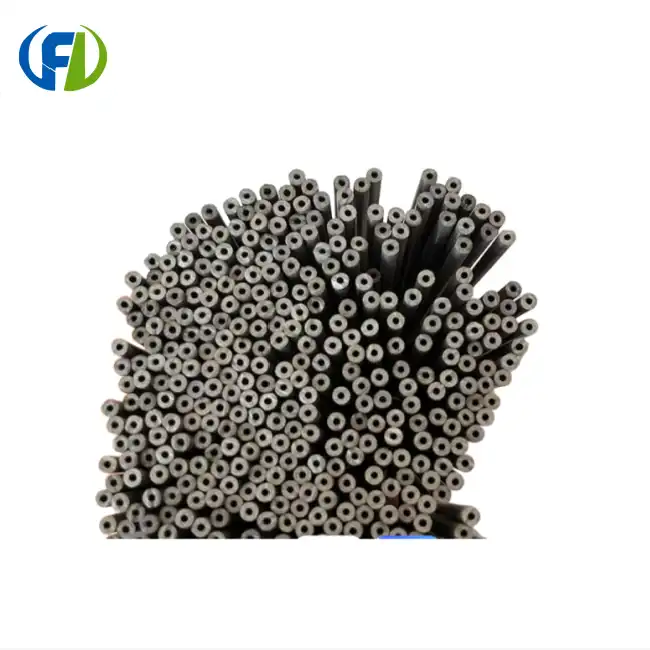
Our medical titanium rod offerings encompass the full range of grades, including TA3, TC4, and TC4ELI (equivalent to GR3, GR5, and GR5ELI), with Gr5 Ti-6Al-4V ELI representing our flagship medical-grade product. Manufacturing capabilities span a diameter range from φ4mm to 200mm with lengths up to 6000mm, accommodating diverse application requirements. Advanced surface treatment options, including polishing, ensure optimal biocompatibility and aesthetic appearance.
Quality management systems aligned with ASTM F136 and ISO 5832-3 standards guarantee consistent material properties and regulatory compliance. Our comprehensive testing capabilities include chemical analysis, mechanical testing, and dimensional verification to ensure every shipment meets specified requirements. Certificate of Analysis documentation accompanies each delivery, providing complete traceability and quality assurance.
International Experience and Customer Success
Our established relationships with customers across Australia, Korea, Germany, the United States, the United Kingdom, Malaysia, and the Middle East demonstrate proven capability in international markets. European buyers particularly appreciate our understanding of CE marking requirements and EU medical device regulations. Successful partnerships with aerospace, chemical processing, and medical device manufacturers showcase our versatility and technical expertise.
Responsive customer service and technical support ensure smooth project execution from initial inquiry through delivery, including for materials like Gr5 Ti-6Al-4V ELI Titanium Alloy Rod. Our team provides comprehensive application guidance, specification optimization recommendations, and logistics coordination to streamline procurement processes. Competitive pricing combined with reliable delivery schedules makes us an attractive partner for cost-conscious EU buyers seeking premium-quality materials.
Conclusion
Chinese suppliers have established themselves as reliable sources for high-quality medical titanium rods, offering EU buyers access to advanced manufacturing capabilities and competitive pricing. The key to successful procurement lies in thorough supplier evaluation, clear specification communication, and ongoing quality assurance. Gr5 Ti-6Al-4V ELI titanium alloy rods provide exceptional performance for medical applications, combining biocompatibility with superior mechanical properties. By partnering with established manufacturers like Freelong, EU buyers can access premium medical-grade materials while maintaining cost efficiency and regulatory compliance.
FAQ
1. What certifications are required for medical-grade titanium rods imported into the EU?
Medical titanium rods must comply with ASTM F136 or ISO 5832-3 standards for material specifications. CE marking is required for products intended as medical devices, demonstrating conformity with the EU Medical Device Regulation (MDR). Suppliers should provide comprehensive documentation, including material certificates, chemical analysis reports, and manufacturing quality certifications.
2. How does Gr5 Ti-6Al-4V ELI differ from standard Ti-6Al-4V alloy?
The ELI (Extra Low Interstitial) designation indicates reduced levels of oxygen, nitrogen, and carbon compared to the standard Ti-6Al-4V alloy. This modification improves ductility and toughness, making the material more suitable for medical implant applications where long-term biocompatibility and fatigue resistance are critical.
3. What are typical lead times for bulk orders of medical titanium rods from China?
Standard lead times range from 4 to 8 weeks, depending on order complexity, quantity, and current production schedules. Custom specifications may require additional lead time for tooling or process development. Rush orders can often be accommodated with expedited scheduling and premium pricing arrangements.
Contact Freelong for Premium Medical Titanium Solutions
Ready to source high-quality Gr5 Ti-6Al-4V ELI titanium alloy rods for your medical device applications? Freelong offers comprehensive solutions tailored to EU buyer requirements, combining advanced manufacturing capabilities with competitive pricing and reliable delivery. Our experienced team provides technical consultation, custom specification development, and complete quality documentation to support your procurement needs. Contact jenny@bjfreelong.com today to discuss your medical titanium rod requirements and discover why leading EU manufacturers trust Freelong as their preferred supplier. Visit frlmetal.com to explore our complete product portfolio and manufacturing capabilities.
References
1. American Society for Testing and Materials. "Standard Specification for Titanium-6Aluminum-4Vanadium ELI Alloy for Surgical Implant Applications." ASTM F136-13, 2019.
2. International Organization for Standardization. "Implants for Surgery - Metallic Materials - Part 3: Wrought Titanium 6-Aluminum 4-Vanadium Alloy." ISO 5832-3:2016.
3. European Commission. "Regulation (EU) 2017/745 on Medical Devices." Official Journal of the European Union, May 2017.
4. Rack, H.J. and Qazi, J.I. "Titanium Alloys for Biomedical Applications." Materials Science and Engineering C, vol. 26, no. 8, 2006.
5. Boyer, R.R. "An Overview on the Use of Titanium in the Aerospace Industry." Materials Science and Engineering A, vol. 213, no. 1-2, 1996.
6. Niinomi, M. "Mechanical Properties of Biomedical Titanium Alloys." Materials Science and Engineering A, vol. 243, no. 1-2, 1998.

_1745716765742.webp)
_1746524553121.webp)
Learn about our latest products and discounts through SMS or email