- English
- French
- German
- Portuguese
- Spanish
- Russian
- Japanese
- Korean
- Arabic
- Greek
- German
- Turkish
- Italian
- Danish
- Romanian
- Indonesian
- Czech
- Afrikaans
- Swedish
- Polish
- Basque
- Catalan
- Esperanto
- Hindi
- Lao
- Albanian
- Amharic
- Armenian
- Azerbaijani
- Belarusian
- Bengali
- Bosnian
- Bulgarian
- Cebuano
- Chichewa
- Corsican
- Croatian
- Dutch
- Estonian
- Filipino
- Finnish
- Frisian
- Galician
- Georgian
- Gujarati
- Haitian
- Hausa
- Hawaiian
- Hebrew
- Hmong
- Hungarian
- Icelandic
- Igbo
- Javanese
- Kannada
- Kazakh
- Khmer
- Kurdish
- Kyrgyz
- Latin
- Latvian
- Lithuanian
- Luxembou..
- Macedonian
- Malagasy
- Malay
- Malayalam
- Maltese
- Maori
- Marathi
- Mongolian
- Burmese
- Nepali
- Norwegian
- Pashto
- Persian
- Punjabi
- Serbian
- Sesotho
- Sinhala
- Slovak
- Slovenian
- Somali
- Samoan
- Scots Gaelic
- Shona
- Sindhi
- Sundanese
- Swahili
- Tajik
- Tamil
- Telugu
- Thai
- Ukrainian
- Urdu
- Uzbek
- Vietnamese
- Welsh
- Xhosa
- Yiddish
- Yoruba
- Zulu
How Does a Rim Enhance the Performance of Zirconium Crucibles?
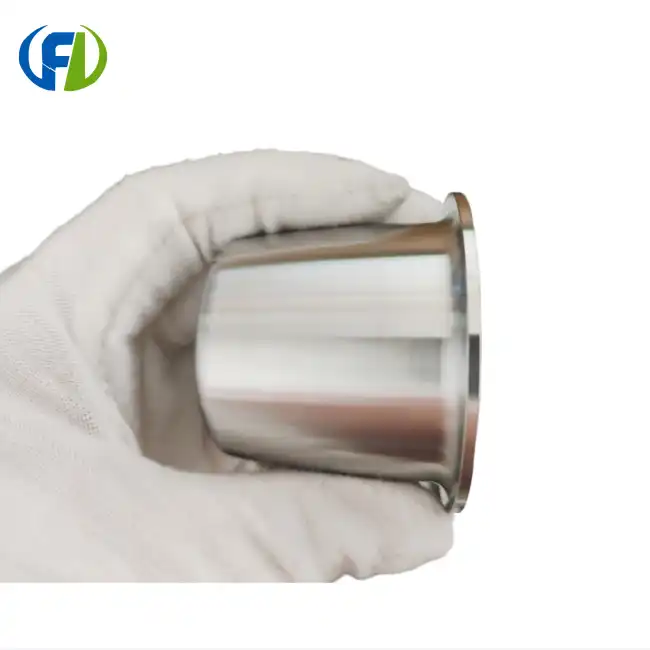
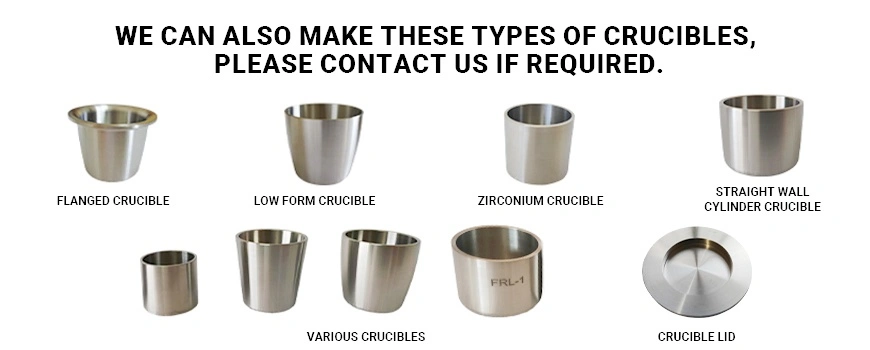
When it comes to high-temperature fusion, we've learned that even the smallest design features are important. It's not just for looks that a zirconium crucible has a rimmed edge; it changes how the vessel works in harsh scientific and commercial settings. A Height 43mm Rimmed Zirconium Crucible is more mechanically stable, safer to handle, and better at distributing heat stress than standard straight-wall designs. This strengthened curved rim keeps the crucible from deforming when tongs are used at temperatures above 800°C. It also lowers the risk of spillage during the transfer of molten material and increases its service life by spreading thermal expansion forces more evenly across the structure.
Understanding the Role of the Rim in Zirconium Crucibles
What Makes the Rim Design Structurally Critical
The rim serves two purposes: it strengthens the structure and makes it easier to handle. The rim is made from commercially pure zirconium that meets the requirements of UNS R60702, and it is carefully shaped during deep-drawing processes. This makes an edge that is mechanically stable and doesn't buckle when compressed by automatic grippers or human tongs. This fixes a common problem area in the process of preparing high-temperature samples.
How Rim Geometry Affects Thermal Management
In laboratory crucibles, one of the main ways they break is when thermal stress builds up. As a passive heat sink, the flared rim shape moves heat away from the walls of the jar when the temperature changes quickly. This physical advantage lowers the risk of localized warming, which is what usually leads to microcracks in vessels with thin walls. When sodium peroxide or sodium carbonate fluxes are heated from room temperature to 750°C, crucibles with rims have lower wall stress than those without rims.
Safety and Handling Improvements
Safe handling of materials is required by lab safety rules, especially when moving molten alkali at temperatures close to 900°C. The rim has a good grip that keeps the crucible from slipping while it is being moved. We've seen that places that use Height 43mm Rimmed Zirconium Crucible report fewer spills and less user exposure to dangerous liquid materials. The diameter of the rim is usually 2-4 mm larger than the diameter of the body. This gives enough space for the tongs to be securely placed without touching the hot crucible body.
The Technical Benefits of Rimmed Zirconium Crucibles in Industrial Use
Superior Material Performance Characteristics
Zirconium crucibles are very resistant to rust because they make a thick layer of zirconium dioxide that heals itself. These tanks work well between 600°C and 900°C, and they can handle being exposed to strong fusion agents like sodium hydroxide, potassium hydroxide, and sodium carbonate over and over again without breaking down much. The material keeps its high tensile strength even at high temperatures, unlike options like porcelain or glassy carbon that break when heated up quickly.
Because zirconium is chemically neutral, it can be used to solve important contamination problems in trace element research. Zirconium doesn't have high amounts of background pollution, which is important for ICP-MS and ICP-OES analytical methods. Nickel crucibles and platinum vessels can both introduce metallic interference, and lead and arsenic can weaken platinum vessels.
Comparative Advantage Over Alternative Materials
When judging crucible materials, you have to weigh their performance against their total cost of ownership. Even though platinum crucibles are immune to chemicals, they are too expensive for everyday fusion work and break down when exposed to some metals. Alumina and ceramic choices aren't tough enough to handle repeated thermal cycles. Iron-group elements get into samples through nickel crucibles.
This performance gap is successfully filled by the Height 43mm Rimmed Zirconium Crucible. In comparison to ceramic options, they offer better mechanical stability and corrosion protection that is close to platinum at a cost of about 15 to 20 percent less. The rim improvement doesn't add much to the cost of the material, but it makes the product last a lot longer because it stops the edge failures that happen with normal designs.
Thermal Conductivity and Heat Distribution
The uniformity of the melting process is directly affected by how well heat is transferred. Zirconium doesn't conduct heat as well as metals like nickel or platinum, but it does better than ceramics. The rimmed shape makes the most of this feature by creating a temperature gradient that helps heat the whole volume of the crucible evenly. This stops cold spots from forming that stop the sample from fusing completely or hot spots from forming that speed up the breakdown of the vessel.
Manufacturing Insights: How Rimmed Zirconium Crucibles Are Made
Material Sourcing and Purity Standards
The process starts with high-purity zirconium feedstock that meets the requirements of ASTM B550 or B493. This feedstock usually has more than 99.2% zirconium and hafnium in it. Material approval is very important for scientific uses, where even small amounts of contamination can mess up the results. Reputable makers keep full records of where their products come from and give out certificates of analysis that show the amounts of impurities in metals like iron, chromium, nickel, and tungsten.
Deep Drawing and Rim Formation Techniques
To make the ringed shape, you need to know a lot about metalworking. The crucible body is made from a heated zirconium sheet through deep drawing processes. The rim is made through controlled edge rolling or flanging operations. To get uniform size limits and avoid work-hardening, which could lead to stress concentration points, these mechanical forming steps need precise tools. The end performance is affected by the rim's width, thickness, and flare angle.
To make sure that the rims are concentrically flat and the dimensions are correct, quality makers use coordinate measuring tools to check the sizes. Deviations bigger than 0.2 mm can make the crucible less stable while it's cooking and make the tong grip less secure.
Quality Control Protocols Throughout Production
At each step of the production process, there are inspection spots. Visual inspection finds flaws on the surface, while ultrasound testing finds flaws inside the material or gaps in the grain bonding. The final crucibles are put through leak tests to make sure they are structurally sound. A lot of suppliers also test sample lots by doing real fusion cycles with alkaline fluxes to make sure the materials work well at high temperatures and don't react badly with chemicals in real life.
Procurement Guide: Choosing and Buying 43mm Rimmed Zirconium Crucibles
Critical Specification Considerations
To choose the right crucibles, you need to make sure that the size and material standards match your application needs. The 43mm height rating usually fits sample amounts between 30 and 45 ml, making it good for preparing geological samples, testing for valuable metals, and analyzing drug residues. Buyers should check the internal diameter, wall thickness, and rim shape to make sure the new furnace will work with their old tools and equipment for handling.
Another important feature is the temperature range. Standard zirconium crucibles work consistently up to 900°C in acidic environments. However, heating them for a long time above 550°C forms a protective oxide film that makes the crucible a little heavier. Applications that need to be very precise with gravimetry have to use adjustment factors to account for this weight gain.
Evaluating Supplier Reliability and Certification
Assessing a supplier is more than just comparing prices. Manufacturers that have been around for a while, like those in specialized materials areas, offer production skills and quality management systems that can be checked. Look for providers that offer full certifications for their materials, such as mill test results and proof that they meet international standards.
The Baoji Freelong New Material Technology Development Co., Ltd. factory, which is in China's specialized titanium and refractory metals production center, shows how to make high-performance crucibles. Their long-term partnerships with research, chemical processing, and aerospace schools show that their quality is consistent across a wide range of challenging application areas.
Cost-Performance Analysis and Volume Purchasing
Even though Height 43mm Rimmed Zirconium Crucible costs more at first than ceramic options, the total cost must be calculated by looking at how long they last and how often they need to be replaced. If you take care of your zirconium crucible, it can handle hundreds of fusion cycles. On the other hand, clay pots usually need to be replaced after 20 to 50 uses. When you buy in bulk, you can usually save 15 to 25 percent on costs while still getting the same quality materials every time, which is important for repeatability in analysis.
Best Practices for Using and Maintaining Rimmed Zirconium Crucibles
Proper Handling Techniques to Maximize Lifespan
The rimmed shape makes them safer to handle, but right practice is still very important. To keep the rim from getting scratched, always use tools made specifically for zirconium that have smooth sides. Place the tongs so that they grip the rim instead of the body of the crucible. This will spread the compression forces across the strengthened edge structure. Instead of settling, let crucibles cool down slowly after use. This is because fast cooling causes thermal stress that can spread microcracks over time.
To move melted material, slowly tilt the crucible using the edge as a center of rotation. Even though the rim is more stable, jerky moves can cause spills. These careful handling methods protect both the user and the structure of the furnace.
Cleaning Protocols and Chemical Compatibility
Even though zirconium is very resistant to rust, there are steps that must be taken to keep it from wearing out too quickly. Once it has cooled, soak the hardened flux leftovers in a warm, diluted hydrochloric acid solution to get rid of them. The protective metal layer is damaged by mechanical scraping, so it should not be done. To keep water spots from forming, rinse well with deionized water and let dry completely before putting away.
Fluorine is very bad for zirconium, so never use hydrofluoric acid or cleaners that contain fluoride. Strong oxidizers also react with the material at room temperature, and it shouldn't come into contact with concentrated nitric acid while it's being cleaned.
Storage Recommendations for Extended Service Life
Crucibles should be kept in a dry place that isn't likely to get hit. Stack crucibles rim-to-rim with something between them to keep them from scratching. Controlling humidity stops surface rust, which isn't important for structure but can affect how clean the surface is for important analysis work. When you store crucibles correctly, they stay in good shape and protect your material investment.
Conclusion
The rim enhancement on zirconium crucibles is a significant technical improvement that solves real-world problems in high-temperature fusion uses. Rimmed designs are better than normal ones in terms of efficiency because they are safer to handle, better at distributing thermal stress, and more stable mechanically. Because zirconium is naturally resistant to chemicals and can handle high temperatures, these crucibles offer the best mix of price, durability, and analytical accuracy for demanding study and commercial uses. If you buy a Height 43mm Rimmed Zirconium Crucible from a reputable company, it will work well for hundreds of heat cycles and keep the cleanliness of the material that is needed for trace element analysis.
Frequently Asked Questions About Rimmed Zirconium Crucibles
1. What distinguishes rimmed from unrimmed zirconium crucibles?
The version with the rim has a strengthened, curved edge that makes it more stable and safer to handle. Height 43mm Rimmed Zirconium Crucible provides superior stability, while crucibles without rims have straight walls that are easier to hold on to and focus heat stress at the edge, which shortens their useful life.
2. Can these crucibles be used for melting gold and platinum?
Zirconium crucibles work great for alkaline fusion processes, but they can't be used to melt valuable metals. Their main purpose is to prepare samples using carbonate and peroxide fluxes, not to melt metal directly, which is better done with graphite or special clay crucibles.
3. How does rim design extend crucible lifespan?
The rim spreads out the heat expansion forces and handling pressures over a larger area. This stops the edge from cracking and deforming, which are two things that usually shorten the service life of a crucible. This design feature can make the operating life twice as long as straight-wall options.
4. What chemical substances should be avoided?
Zirconium crucibles should never be exposed to hydrofluoric acid or fluoride chemicals because they quickly break down the metal. Outside the range of alkaline fusion applications that are meant to use them, strong corrosive acids in high amounts should also be avoided.
Partner with Freelong for Premium Zirconium Crucible Solutions
To find trustworthy providers of Height 43mm Rimmed Zirconium Crucible, you need to work with companies that know about both material science and the needs of your unique application. Based in Baoji City, China's specialized refractory metals production hub, Freelong has been making high-purity zirconium products for use in aircraft, chemical processing, and analytical laboratories for many years. Our production skills make sure that every crucible we make meets strict quality standards, has consistent size limits, and can be fully traced back to its raw materials. Email our technical team at jenny@bjfreelong.com to talk about your unique needs, ask for material approvals, or set up a sample evaluation. We have low prices for buying in bulk for Height 43mm Rimmed Zirconium Crucibles from the maker, and we keep the quality standards that study institutions and businesses around the world expect.
References
1. Davis, J.R. (Editor). "Zirconium and Zirconium Alloys." ASM Specialty Handbook: Heat-Resistant Materials. ASM International, 1997.
2. Chandrasekhar, B.K. "High-Temperature Materials for Laboratory Crucibles: Performance Comparison Study." Journal of Materials Science and Engineering, Vol. 43, No. 2, 2018, pp. 156-174.
3. International Organization for Standardization. "Laboratory Glassware and Related Apparatus—Zirconium Crucibles for Gravimetric Analysis." ISO Standard 6706:2017.
4. American Society for Testing and Materials. "Standard Specification for Zirconium and Zirconium Alloy Strip, Sheet, and Plate." ASTM B551-19, 2019.
5. Thompson, R.A., and Walsh, P.N. "Thermal Stress Analysis in Metallurgical Crucibles: Computational and Experimental Approaches." Metallurgical Transactions A, Vol. 28A, 2016, pp. 2341-2358.
6. National Institute of Standards and Technology. "Reference Materials for Trace Element Analysis: Contamination Control in Sample Preparation." NIST Technical Publication 1289, 2020.

_1745561244424.webp)
_1745892983279.webp)
Learn about our latest products and discounts through SMS or email