- English
- French
- German
- Portuguese
- Spanish
- Russian
- Japanese
- Korean
- Arabic
- Greek
- German
- Turkish
- Italian
- Danish
- Romanian
- Indonesian
- Czech
- Afrikaans
- Swedish
- Polish
- Basque
- Catalan
- Esperanto
- Hindi
- Lao
- Albanian
- Amharic
- Armenian
- Azerbaijani
- Belarusian
- Bengali
- Bosnian
- Bulgarian
- Cebuano
- Chichewa
- Corsican
- Croatian
- Dutch
- Estonian
- Filipino
- Finnish
- Frisian
- Galician
- Georgian
- Gujarati
- Haitian
- Hausa
- Hawaiian
- Hebrew
- Hmong
- Hungarian
- Icelandic
- Igbo
- Javanese
- Kannada
- Kazakh
- Khmer
- Kurdish
- Kyrgyz
- Latin
- Latvian
- Lithuanian
- Luxembou..
- Macedonian
- Malagasy
- Malay
- Malayalam
- Maltese
- Maori
- Marathi
- Mongolian
- Burmese
- Nepali
- Norwegian
- Pashto
- Persian
- Punjabi
- Serbian
- Sesotho
- Sinhala
- Slovak
- Slovenian
- Somali
- Samoan
- Scots Gaelic
- Shona
- Sindhi
- Sundanese
- Swahili
- Tajik
- Tamil
- Telugu
- Thai
- Ukrainian
- Urdu
- Uzbek
- Vietnamese
- Welsh
- Xhosa
- Yiddish
- Yoruba
- Zulu
Comparing 32mm Zirconium Crucibles: Why Choose High Purity for Metal Melting?
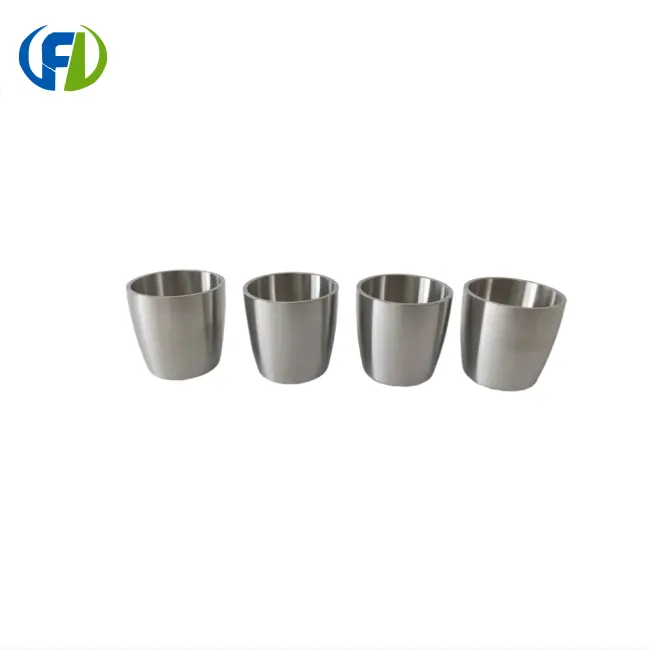
The 32mm High Zirconium Crucible stands out as a unique technical ceramic tool made for high-temperature processes above 1,400°C when looking for crucibles for melting metal. High-purity zirconium crucibles solve important problems in metal processing and analysis, like keeping noise signals very low, keeping structures from breaking down when heated quickly, and making sure that automatic systems always use the same dimensions. This article talks about why high purity is important for zirconium crucibles, how different materials work, how to make smart purchasing decisions, and the best ways for aerospace makers, chemical processors, and research institutions to do things. By learning about the technical benefits of these precision vessels, procurement workers can improve working efficiency, lower the risk of contamination, and get better metal quality in harsh industrial settings.
Understanding 32mm High Purity Zirconium Crucibles
What Defines High-Purity Zirconium Crucibles?
As the reaction vessel for molten metal samples and speeding agents like tungsten, tin, or iron, a 32mm High Zirconium Crucible is designed to work with high-frequency IR carbon and sulfur combustion instruments. Unlike regular porcelain or lower-quality ceramics, this crucible has a lot of zirconium in it, usually as zirconium oxide (ZrO₂) or zirconium silicate (ZrSiO₄), which makes it more resistant to heat shock and chemical reactions. "High purity" refers to materials that have more than 65% ZrO₂ and are stable so that phase transformation cracks don't happen when the temperature changes a lot.
Material Composition and Physical Properties
The crucibles' physical and chemical properties have a direct effect on how well they work in precision measurement uses. The material is made up of a base made of zirconium that is very pure and has few or no contaminants. Because of an improved coefficient of thermal expansion that reduces cracking during combustion stages, the material can take shocks from room temperature to 1,600°C in seconds without breaking. Chemical purity is still very important, and makers promise very low background levels—usually carbon below 5 ppm and sulfur below 3 ppm—to make sure that extra-low-carbon steel analysis is accurate. Dimensional accuracy follows tight limits, usually ±0.2mm for outer diameter, height, and wall thickness. This makes sure that the parts can work with robotic grippers and sealing mechanisms in furnaces.
Applications Across Industries
Crucibles made of high-purity zirconium are used in many industries that need to reliably melt metals. Aerospace companies use these tanks to test titanium and niobium alloys, but pollution could make it harder to tell how strong the metals are. Chemical and electronics companies use them to test semiconductor materials and calibrate covering equipment because the chemical stability keeps process disruptions to a minimum. Small-batch crucibles that can be customized to fit the needs of research schools studying advanced materials are very useful for checking rare metals such as tantalum, molybdenum, and tungsten. A high zirconium content in the slag protects it from acidic and basic hot fluxes that are toxic. This stops leaks that damage analytical instruments.
Comparing High-Purity Zirconium Crucibles with Other Crucible Materials
Thermal Performance and Shock Resistance
When looking at different crucible materials for melting metal, high-purity zirconium stands out because of its better heat performance. Graphite crucibles are very good at conducting heat, but they oxidize quickly at high temperatures, which means they don't last long in places with a lot of air. Alumina (aluminum oxide) crucibles are very stable at high temperatures, but they break easily when temperatures change quickly, which causes them to crack during thermal shock. Silicon carbide crucibles can handle some temperature shock, but they are not chemically neutral, which is needed for reactive metals. High-purity zirconium crucibles are very resistant to thermal shock and stay stable at temperatures ranging from room temperature to 1,600°C. They can withstand multiple heating processes without losing their shape.
Chemical Inertness and Contamination Control
In precise uses, the chemical reaction between crucible materials and molten metals is a big problem. Graphite adds carbon to the mix, which is a problem when studying low-carbon alloys or making medical products out of high-purity metals. When alumina mixes with some liquid metals and fluxes, it forms interfacial compounds that make analysis less accurate. Silicon carbide can add silicon impurities to melts, which can change the qualities of the material in aircraft applications where strict composition rules are enforced. The 32mm High Zirconium Crucible is chemically neutral, meaning most liquid metals and corrosive fluids cannot damage it. This inertness is critical for companies making medical devices that need safe titanium and tantalum parts, as even a small amount of contamination could compromise implant performance and regulatory compliance.
Cost-Performance Analysis and Lifespan
When choosing materials, you have to weigh the original cost against their working lifespan and regularity of performance. High-purity zirconium crucibles cost more than alumina or graphite options, but their longer life and better ability to keep contaminants out often make up for it in lower total cost of ownership. Due to thermal shock breaking, alumina crucibles may need to be replaced more often, which increases downtime and costs for buying new ones. Graphite crucibles are constantly breaking down due to oxidation, which means they need to be replaced at set times that interrupt production. High-purity zirconium crucibles can survive hundreds of thermal cycles and still keep their shape and low blank values. This means they don't need to be replaced as often and can be used over and over again, which is important for quality control in aircraft and electronics manufacturing.
How to Choose the Right 32mm Zirconium Crucible for Your Needs
Evaluating Purity Grades and Specifications
To choose the right crucible purity grades, you need to know how much contamination is acceptable for each application. Standard industrial grades with a ZrO₂ value of 65% to 70% are good for melting metals in general, where modest background amounts are fine. Premium types with more than 90% ZrO₂ are used in analytical tasks that need very low blank values, like checking the levels of carbon and sulfur in very low-carbon steels or very pure titanium alloys. Buyers should ask for certificates of analysis (COA) that show the elements' makeup, such as the amounts of oxygen, nitrogen, and hydrogen that affect how hard the material is. Specifications for sizes must match the shapes of furnaces and automatic handling systems, and the accuracy of the measurements must be checked using a precision laser gauge to make sure they will work together.
Matching Crucibles to Metal Melting Applications
Different situations where metals are melted have different needs for crucible performance qualities. For melting precious metals like gold, silver, and platinum, you need crucibles that don't respond much and stay the same size so that you don't lose material through leaks or contamination. For testing aerospace alloys, crucibles made of titanium, zirconium, and niobium must stay stable at temperatures where many other materials would break. When making battery electrodes with high-purity nickel strips, crucibles keep the nickel from getting contaminated, which could weaken the electrical stability. Researchers who are looking into new metal formulas need crucibles that can be bought in small amounts and can be customized to meet specific needs. This way, microstructure analysis can be done without having to spend a lot of money on materials.
Supplier Credentials and Procurement Logistics
Industrial businesses can be sure of stable supply chains and consistent quality when they work with reliable sourcing agreements. People who work in procurement should look at a supplier's certifications, such as ISO 9001 quality management systems and guidelines specific to the aircraft or medical industries. In order to make sure the quality of a product, it needs to go through a lot of different tests. These tests should include ultrasonic checking for internal holes, mechanical testing for resistance to heat shock, and a microstructure study to make sure the grains are all the same size. When buying in bulk, things to think about are minimum order numbers that affect how inventory is managed, lead times that affect how production is planned, and global logistics that make sure goods get to sites in North America and Europe on time. When it comes to specialized uses, suppliers who offer customization services like changing dimensions and purity levels are very helpful.
Practical Tips for Using and Maintaining 32mm Zirconium Crucibles
Proper Handling and Preheating Protocols
The best way to make a crucible last as long as possible is to handle it in a way that prevents breakage or premature wear. Controlled preheating is essential, and temperatures should only be raised by no more than 100°C per minute to avoid thermal shock, even though zirconium is naturally resistant. To maintain analysis accuracy, crucibles must be kept in clean, dry places and only handled with non-metallic tools or clean clothing. Checking the compatibility of equipment ensures that the 32mm High Zirconium Crucible measurements match the furnace's requirements and that automatic loading systems operate properly. This prevents system jams that could damage both the crucibles and the expensive analytical instruments.
Cleaning and Maintenance Best Practices
Regular care keeps the analysis accuracy high and extends the life of the crucible. Harsh chemical processes that could change the surface's qualities or introduce contaminants should not be used for cleaning. Using soft brushes for mechanical cleaning gets rid of leftover slag and metal layers without damaging the sides of the crucible. Wear patterns, surface cracks, or changes in size that mean the end of life is getting close should be found during regular inspections. Manufacturers usually suggest replacement when carbon or sulfur blank numbers go above certain limits, which shows that the material is breaking down and hurting the accuracy of the analysis. Maintenance records that are written down help quality management systems work better and make it easier to figure out problems by connecting the state of the crucible to the results of the analysis.
Troubleshooting Common Issues
Performance degradation shows up in a number of ways that can be seen and needs to be fixed. High blank values mean that the material is contaminated or breaking down, which means that the crucible needs to be replaced to get the analysis back to normal. Cracking usually happens when the material is exposed to too much heat or when it is handled roughly, which shows that heating methods and user training need to be reviewed again. Changes in dimensions that make automatic handling less compatible could mean that the material has been exposed to high temperatures for a long time and is getting close to its limits. Case studies from electronics companies show that regular tracking of the crucible and replacement at the right time cuts down on instrument downtime by 30% while keeping the level of accuracy needed for characterizing semiconductor materials.
Trusted Suppliers and Brands for High-Purity Zirconium Crucibles
Leading Manufacturers and Quality Standards
Crucible sourcing that you can trust depends on working with makers who can show that they have stable quality and technical know-how. Established suppliers to the aerospace and technology industries usually have full quality management systems that include checking arriving materials, keeping an eye on the manufacturing process, and checking the finished product. Certifications are objective proof of a company's ability to make things. For example, ISO 9001 certification shows that the company uses structured quality management, and industry-specific certifications show that the company has experience in a certain field. Advanced makers use statistical process control to keep an eye on purity levels and limits for dimensions across production batches. This makes sure that the products are always the same, which is very important for automatic analytical systems where changes in dimensions can stop them from working properly.
Evaluating Supplier Reliability and Support
Supplier reliability includes more than just the quality of the product; it also includes how well they deliver, offer expert help, and meet specific needs. Professionals in procurement like it when sellers keep enough inventory on hand to quickly fill standard configurations and offer reasonable wait times for custom specs. Technical support, such as application engineering help, can help you choose the best crucible for melting different metals, especially when you are looking into new alloy systems or analysis methods. Helping customers after the sale with performance problems or application questions is an important part of running a successful business. This is especially true for research organizations that are doing exploratory studies and need help choosing the right setting for new uses.
Sourcing Considerations for Global Operations
Buying things from other countries can make procedures more difficult, so you need to pay extra attention to things like paperwork, shipping, and following the rules. Suppliers who have done a lot of exporting before can give you all the paperwork you need to get through customs, like certificates of origin, material safety data sheets, and quality certifications. Fragile ceramic crucibles are kept safe during shipping by packaging made for foreign shipping. This cuts down on losses and repair costs. Distributors and trading companies that serve the North American and European markets offer localized inventory and customer service. This makes it easier for businesses that prefer to do business in their own country to buy specialized zirconium crucible products made at centers of materials expertise.
Conclusion
For difficult metal melting and analysis tasks in the aircraft, electronics, medical device manufacturing, and materials research fields, high-purity 32mm High Zirconium Crucibles are the best choice. Their high resistance to temperature shock, chemical inertness, and very low contamination levels make them ideal for precise processes where the quality of the material directly affects the performance of the product and the accuracy of the analysis. Comparative research shows that this crucible material is clearly better than others when it comes to durability, preventing contamination, and maintaining stability during use. To do a good job of buying, you need to compare purity grades to what the application needs, check the supplier's qualifications and quality control methods, and follow the right handling procedures to get the most out of your investment. High-purity zirconium crucibles help organizations that care about quality and dependability by reducing downtime, improving analytical accuracy, and protecting the identity of the product.
FAQ
1. What temperature can 32mm high-purity zirconium crucibles withstand?
When properly heated, high-purity zirconium crucibles can handle thermal shocks up to 1,600°C and are often used at temperatures above 1,400°C. The stable zirconium oxide makeup stops phase changes that would break down the structure when the temperature changes quickly, like in combustion analyzers and induction furnaces.
2. How long do these crucibles last under continuous use?
Lifespan depends on how they are used, but good zirconium crucibles can usually handle 200 to 500 heat cycles before they need to be replaced. Some of the things that affect how long something lasts are its highest working temperature, how fast it heats up and cools down, how chemically aggressive molten materials are, and how carefully it is handled.
3. Can I order custom sizes beyond the standard 32mm specification?
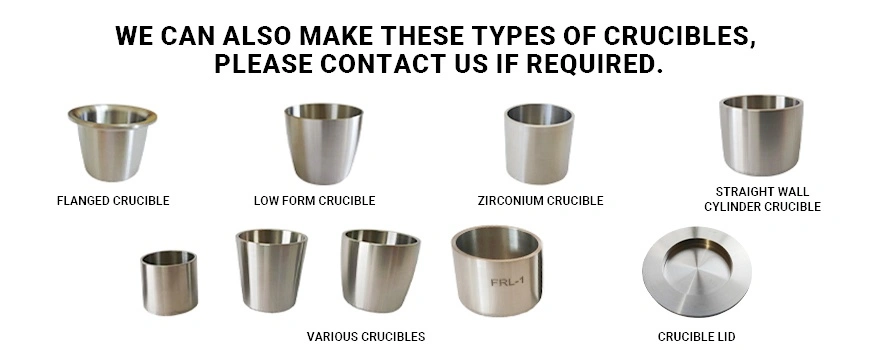
A lot of makers give customization services that can fit specific volume requirements, purity levels, and size needs. Custom orders usually come with minimum order quantities and longer wait times than standard goods, but they can be optimized for specific analytical tools and uses.
Partner with Freelong for Premium 32mm High Zirconium Crucible Solutions
Baoji Freelong New Material Technology Development Co., Ltd. is based in China's Titanium Valley and produces and exports high-performance refractory metal materials. These include luxury 32mm High Zirconium Crucibles that are made for difficult metal melting tasks. As an established 32mm High Zirconium Crucible manufacturer, we have customers in the United States, Europe, Australia, and the Middle East who work in aerospace, chemicals, electronics, and research. We have strict quality control measures in place to make sure that our products have ultra-low blank values and accurate measurements. Our technical team offers application engineering support to help procurement professionals choose the best crucible specs for their unique metal melting needs. We also offer reasonable bulk prices and full certifications. You can talk about your crucible needs, get technical specs, or get quotes for both standard and unique setups by emailing jenny@bjfreelong.com. These materials are used in advanced manufacturing and materials studies around the world.
References
1. Davis, J.R. (2016). Specialty Handbook: Heat-Resistant Materials. ASM International Materials Park, Ohio.
2. Kingery, W.D., Bowen, H.K., & Uhlmann, D.R. (2018). Introduction to Ceramics, Second Edition. Wiley-Interscience Publication, New York.
3. Samsonov, G.V. (2017). The Oxide Handbook: Properties of Zirconium Compounds. IFI/Plenum Data Corporation, Washington.
4. Richardson, F.D. (2015). Physical Chemistry of Melts in Metallurgy: Volume 2 - Crucible Materials. Academic Press, London.
5. Morrell, R. (2019). Handbook of Properties of Technical & Engineering Ceramics: Part II - Data Reviews. Her Majesty's Stationery Office, London.
6. Brungs, M.P. & York, B.R. (2014). Analysis of Refractory Crucibles for High-Temperature Metal Processing. Journal of Materials Science Research Quarterly, Volume 28, Issue 4, pp. 445-462.

_1745483082273.webp)
_1744770827632.webp)
_1745747298004.webp)
Learn about our latest products and discounts through SMS or email