- English
- French
- German
- Portuguese
- Spanish
- Russian
- Japanese
- Korean
- Arabic
- Greek
- German
- Turkish
- Italian
- Danish
- Romanian
- Indonesian
- Czech
- Afrikaans
- Swedish
- Polish
- Basque
- Catalan
- Esperanto
- Hindi
- Lao
- Albanian
- Amharic
- Armenian
- Azerbaijani
- Belarusian
- Bengali
- Bosnian
- Bulgarian
- Cebuano
- Chichewa
- Corsican
- Croatian
- Dutch
- Estonian
- Filipino
- Finnish
- Frisian
- Galician
- Georgian
- Gujarati
- Haitian
- Hausa
- Hawaiian
- Hebrew
- Hmong
- Hungarian
- Icelandic
- Igbo
- Javanese
- Kannada
- Kazakh
- Khmer
- Kurdish
- Kyrgyz
- Latin
- Latvian
- Lithuanian
- Luxembou..
- Macedonian
- Malagasy
- Malay
- Malayalam
- Maltese
- Maori
- Marathi
- Mongolian
- Burmese
- Nepali
- Norwegian
- Pashto
- Persian
- Punjabi
- Serbian
- Sesotho
- Sinhala
- Slovak
- Slovenian
- Somali
- Samoan
- Scots Gaelic
- Shona
- Sindhi
- Sundanese
- Swahili
- Tajik
- Tamil
- Telugu
- Thai
- Ukrainian
- Urdu
- Uzbek
- Vietnamese
- Welsh
- Xhosa
- Yiddish
- Yoruba
- Zulu
Crucible for Labware Supplier & Buying Guide
When sourcing a crucible for labware, precision and material integrity become non-negotiable. These specialised vessels endure extreme thermal and chemical conditions—from gravimetric analysis to metal fusion—operating within temperature ranges that can exceed 2,000°C. High-purity alumina, platinum, zirconium, and nickel crucibles address critical industry pain points: eliminating sample contamination from material leaching, preventing catastrophic thermal shock fractures, and maintaining constant mass during quantitative chemistry procedures like loss on ignition testing. Selecting the right crucible supplier directly impacts analytical accuracy, operational safety, and long-term cost efficiency across aerospace, chemical processing, electronics manufacturing, and research institutions.
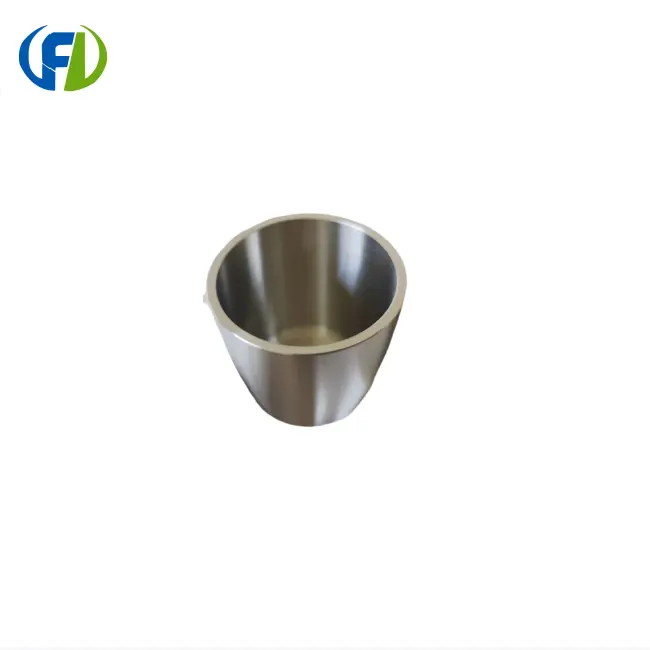
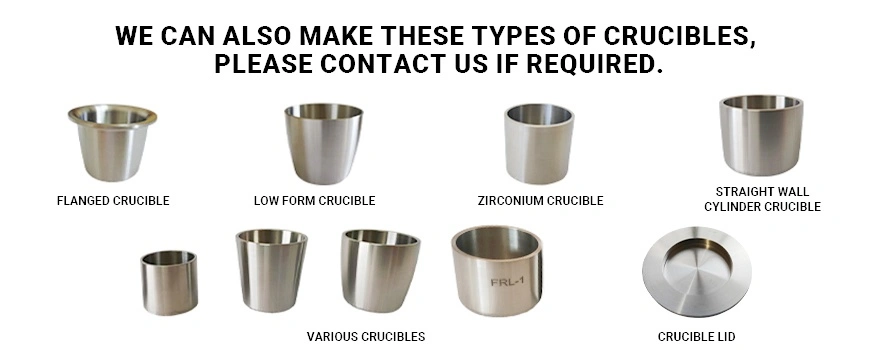
Understanding Crucibles for Labware: Types, Materials, and Uses
When high temperatures are needed, regular glasses would not work as a containment box, but laboratory crucibles do. It helps procurement teams match technical standards to working needs when they know about the different types and how the materials work.
Porcelain Crucibles: Traditional Reliability
For everyday lab work, porcelain versions are still widely used. Glazed ceramic crucibles don't let samples stick to them and are easy to clean, which makes them perfect for evaporating solutions and ashing at low temperatures up to 1,150°C. Alternatives that aren't glazed can handle a little higher temperature stress (up to 1,200°C), but they have more holes, which can let in trace elements and make the sample less pure after long contact.
Metal Crucibles: Platinum, Zirconium, and Nickel Alloys
Metal-based crucibles are used for specific fusion tasks where clay materials would break down or contaminate the samples. Platinum-gold alloys (usually 95/5 makeup) are great for getting XRF samples ready because they don't absorb water and can easily release glass beads after lithium borate flux fusion at 1,100°C. Zirconium crucibles can handle strong alkali fusions with sodium hydroxide or sodium peroxide, which would break down porcelain or weaken platinum. Nickel variants offer cheaper options for basic flux processes, but they might increase the chance of contamination in trace element research.
Ceramic Crucibles: Alumina and Quartz
For uses that need very high refractoriness, chemical inertness, and physical stability, high-purity alumina crucibles (99.5%+ purity) are the best choice. These containers work consistently up to 1,750°C and keep their low apparent porosity (density >3.90 g/cm³) to stop hygroscopic moisture absorption, which can throw off gravimetric readings. Quartz crucibles have the lowest coefficient of thermal expansion, which means they are better at withstanding thermal shock during rapid cooling cycles that are common in differential scanning calorimetry and polymer studies.
The practical limits are set by the choice of materials. When aerospace companies do analyses of titanium alloys, they need crucibles made of zirconium or platinum that don't react with metal oxidation products. Ultra-pure alumina is needed so that silicon or iron doesn't get into the sputtering target materials that semiconductor plants are making. Nickel crucibles are useful for researchers working on new energy batteries because they can handle the harsh conditions of electrical tests without letting trace metals get in the way.
How to Choose the Best Crucible for Your Laboratory Needs?
To find the best balance between temperature resistance, chemical compatibility, longevity, and cost-effectiveness, many factors that affect each other must be carefully looked at.
Temperature Resistance and Thermal Shock
The main decision factor is the maximum working temperature. For uses below 1,200°C, porcelain crucibles work well. Alumina crucibles can handle temperatures up to 1,750°C, and special platinum-rhodium metals can handle temperatures up to 1,600°C without oxidation. In a crucible for labware, the rate of thermal expansion affects thermal shock resistance, which is the ability to handle sudden changes in temperature. Quartz works great in situations where it needs to cool down quickly, while big alumina crucibles need to be heated at controlled rates (5–10°C per minute) to keep them from stress cracking, especially when going from silica inversion points to other points.
Chemical Compatibility Considerations
Careful material matching is needed for flux fusion processes. Alkaline fluxes (sodium hydroxide, sodium carbonate) attack silicate-based ceramics very strongly, so zirconium or nickel crucibles are needed. Potassium pyrosulfate and other acidic fluxes can still be used on porcelain and platinum. The makeup of the sample also affects the choice. For example, carbon-rich materials may lower the amount of some metal oxides that are formed during high-temperature ashing. This could lead to the formation of low-melting alloys with platinum crucibles that weaken the integrity of the vessel.
Balancing Procurement Volume and Budget
For trying new alloy compositions, research institutions that are doing exploratory material studies usually need small-batch, high-purity choices that can be tailored to their needs. On the other hand, quality control labs that handle hundreds of samples every month put batch consistency, uniformity in size, and reasonable pricing through volume purchasing deals at the top of their list of priorities. Shallow, wide-profile crucible cup types make the best use of room in automated thermogravimetric analysers, while deep cone forms concentrate samples so they can be handled by hand in muffle furnaces.
When engineering teams understand these selection processes, they can avoid design mismatches that cause mistakes in analysis, damage to equipment, or extra costs for buying things. When testing biocompatible titanium implant materials, medical device makers can't risk contamination by choosing the wrong crucible. On the other hand, battery research labs that are testing nickel electrode formulations need vessels that keep the electrochemical balance during thermal cycling protocols.
Safe Handling and Maintenance of Crucibles in Laboratory Use
Handling guidelines and upkeep schedules have a direct effect on the dependability of analyses, the safety of workers, and the longevity of equipment.
Pre-Use Conditioning and Moisture Removal
When new crucibles are heated quickly, the moisture that sticks to them can explode. Baking out new vessels at 100–200°C for a few hours before putting them through process temperatures is the standard in the industry. This step of preparation gets rid of volatile chemicals and keeps the dimensions stable. Alumina and porcelain crucibles benefit most from being heated slowly at first, because moisture that gets stuck inside them can create steam pressure that can cause them to break in a very bad way.
Handling Protocols to Prevent Contamination
When you touch a clean crucible with your bare hands, skin oils add organic contaminants that turn into carbon dioxide when heated and lower the purity of the sample. To avoid scratching platinum crucibles, special tools with smooth contact areas are needed. Scratching can cause stress concentration points. Putting things away in desiccators keeps them dry between uses, which is especially important for gravimetric tasks where water absorption changes the tare weight. To keep samples from getting contaminated, crucibles that have been used for different types of samples should never be switched without first being cleaned well.
Cleaning and Maintenance Procedures
How to clean crucibles is very different depending on what they are made of. Platinum containers can handle being cleaned with potassium pyrosulfate or boiled in diluted hydrochloric acid, but they break down quickly in aqua regia or when heated with unknown metal oxides that make low-melting eutectics. Most of the time, fine abrasives and acid washes are needed to clean porcelain and alumina crucibles mechanically. However, rough scrubbing can make the surface more porous. For crucibles for labware, zirconium crucibles can't be cleaned with most chemicals, but their surfaces may oxidise over time and need to be lightly rubbed down every so often.
Some common mistakes are shocking hot crucibles with cold water, which breaks them right away, filling vessels beyond their recommended fill capacity, which causes spills and uneven heating, and going over the maximum temperature ratings, which causes grains to grow and weakens the structure. Manufacturers of aviation parts that test aircraft alloy samples can't stand these kinds of failures because tainted results could mean that safety standards for the structures aren't met. In the same way, chemical processing plants need consistent crucible performance to keep the reactor material specs that keep the process stable.
Where and How to Source Lab Crucibles: Supplier & Procurement Insights?
When buying lab crucibles around the world, you have to deal with different suppliers' skills, approval needs, and practical issues that affect analytical work.
Evaluating Supplier Credentials and Certifications
Documentation of measurement tolerance and proof of material purity are the building blocks of quality assurance. Reliable providers offer ICP-MS tests that prove the levels of impurities. For example, the amount of iron and silicon in alumina crucibles must stay below certain limits to keep samples from getting contaminated. Conformity to ISO 1772 and ASTM standards guarantees consistent dimensions, which is important for automatic sampling tools to work with each other. The results of the thermal shock test show that vessels can handle sudden changes in temperature without breaking. Manufacturers of medical devices want sellers to show that their materials meet biocompatibility standards. Aerospace companies, on the other hand, want tracking paperwork that connects each crucible batch to a specific lot of raw materials.
Bulk Purchasing and Customisation Options
Through tiered price systems, purchasing in bulk can save you a lot of money. Suppliers who let research institutions buy small amounts without setting a prohibitively high minimum order requirement are helpful for institutions whose needs change over time. Quality control labs that work with regular sample batches, on the other hand, get more value from yearly supply deals that keep prices stable and make sure there is enough inventory. Customisation options allow for specific uses. For example, semiconductor companies might need crucibles with unique shapes that make preparing sputtering targets easier, and battery research facilities might ask for nickel alloys with specific chemical compositions that work best with their testing methods.
Logistics and Delivery Reliability
Stability in the supply chain has a direct effect on how productive labs are. Suppliers with established delivery networks in Asia, Europe, and North America cut down on wait times and freight costs. Ceramic crucibles don't get damaged in transport if they are packed properly. Double-boxing and expanded foam padding protect against shock and sound. When unexpected equipment failures mess up analysis plans, expedited shipping choices help get replacements to people quickly. International sellers who sell goods to makers further down the supply chain need suppliers that can consistently deliver, because late shipments cause production bottlenecks that affect many client relationships.
Baoji Freelong New Material Technology Development Co., Ltd. is a good example of this type of seller because they have a lot of experience making metals like zirconium, titanium, nickel, niobium, and tantalum. We have relationships in Australia, Korea, Germany, the United States, the United Kingdom, Malaysia, and the Middle East. Our headquarters are in Baoji City, which is known around the world as China's Titanium Valley. Our approach to quality puts a high value on consistent material specifications and quick technical support that meets the particular needs of aircraft makers, chemical processors, electronics companies, and research institutions.
Making Informed Purchasing Decisions: A Practical Buying Guide
Strategic buying means carefully weighing different choices based on how they meet practical needs, budget limits, and long-term supply chain issues.
Defining Application-Specific Requirements
Before buying something, it's important to have clear technical specs that come from following experimental procedures. When melting at temperatures above 1,500°C, the only choices are tanks made of alumina or platinum. Crucible for labware. Chemical compatibility standards narrow down the choices even more. For example, zirconium or nickel is needed for alkaline fusion work, while porcelain or alumina can be used in neutral or acidic conditions. Sample volume affects crucible capacity. For thermogravimetric analysis, micro-crucibles (10–100 μL) are usually needed, while bigger vessels (50–100 mL capacity) are needed for preparative fusion work.
Comparing Cost-Effectiveness and Durability
The initial buying price is only one part of the total cost of owning. Platinum crucibles are very expensive, but they last a very long time—hundreds of fusion cycles with proper care—, so they are a good buy for high-throughput labs. Porcelain options cost less up front and are good for rare use, but they may need to be replaced after a dozen heat cycles. The predicted regularity of use, the severity of thermal cycling, and the amount of chemical contact should all be taken into account when judging durability. Aerospace testing labs that analyse titanium alloys every day can explain investing in platinum by lowering the number of times they need to be replaced and getting rid of the need to redo work because of contamination. Porcelain or alumina are better values for university study labs that only use them sometimes.
Establishing Supplier Partnerships
Long-term relationships for buying things have perks beyond just getting the best price. Preferred sellers often offer technical advice services to help with choosing materials for new uses and fixing problems with performance. Support for inventory management, such as consignment stocking plans, makes sure that goods are available without tying up operating capital. When analytical mistakes happen, the quality of the after-sales service becomes very important. Responsive providers send out replacements quickly and help with investigations to find the root causes, which could be material flaws or application mismatches. Metal distributors that work with the aerospace and electronics industries really like it when sellers offer full material certifications and tracking paperwork that meets the strict requirements of quality management systems.
Conclusion
When choosing the right lab crucibles, you have to find a balance between thermal performance, chemical protection, accuracy in measurements, and source dependability. These choices are based on material science. Platinum and zirconium work best in harsh chemical environments, alumina is very good at resisting heat, and porcelain is flexible and inexpensive for use in moderate-temperature situations. To help with testing aerospace parts, preparing semiconductor materials, researching battery electrodes, and analysing medical devices, procurement professionals must make sure that crucible specifications are in line with operational needs and build partnerships with suppliers to ensure consistent quality, on-time delivery, and helpful technical support. Strategic sourcing changes crucibles from things that are bought as a product into analysis tools that help with research and precision manufacturing.
FAQ
1. What temperature can different crucible materials withstand?
Most porcelain crucibles can handle temperatures of up to 1,150°C (glazed) or 1,200°C (unglazed). Platinum-rhodium metals keep working at 1,600°C, while high-purity alumina can handle temperatures up to 1,750°C. Quartz varieties can handle thermal cycling very well, but they can only handle temperatures up to about 1,100°C.
2. How do I select crucibles for alkali fusion work?
Alkaline fluxes, like sodium hydroxide and sodium carbonate, are very rough on silicate pottery. Zirconium crucibles are the best at withstanding basic conditions, but nickel crucibles are more cost-effective for uses that aren't as demanding. If the pH level is too high, ceramic and silver will break down or become less strong.
3. Why did my ceramic crucible crack during heating?
A thermal shock crack is usually caused by too much warmth or moisture that is still present. To keep stress from building up in large alumina and ceramic tanks, the temperature needs to rise slowly (5–10°C per minute). Before being used in a process, new crucibles should be heated to 100 to 200°C to get rid of any wetness that has soaked in.
4. What certifications should suppliers provide?
Certificates of material purity (ICP-MS analysis), proof of measurement limits (ISO/ASTM compliance), and the results of thermal shock tests are all important parts of quality assurance. For medical uses, biocompatibility certification is needed, and for aircraft work, full traceability is needed to connect finished goods to lots of raw materials.
Partner with Freelong for Premium Laboratory Crucibles
Laboratory crucibles made from high-purity zirconium, nickel, titanium, and special metals are supplied by Baoji Freelong New Material Technology Development Co., Ltd. Our production skills allow us to meet the needs of difficult uses in chemical processing, advanced research, testing aerospace parts, and preparing semiconductor materials. As a Crucible For Labware manufacturer based in China's Titanium Valley, we follow strict quality control procedures to make sure that the dimensions are always the same, the materials are pure, and the heat performance is always reliable. Our relationships with companies in Australia, Germany, the US, and the UK show that we are dedicated to providing quick technical help and reliable supply chain management. You can email jenny@bjfreelong.com to talk about custom specs, volume prices, and fast shipping choices that are made to fit your analytical needs.
References
1. Smith, J.A., & Chen, L. (2021). High-Temperature Ceramic Materials for Laboratory Applications. Materials Science Press.
2. Rodriguez, M.E. (2020). Platinum Group Metals in Analytical Chemistry: Selection and Maintenance Protocols. Academic Publications International.
3. Thompson, R.K., & Yamamoto, H. (2022). Thermal Analysis Instrumentation: Crucible Selection and Performance Optimization. Technical Publishing Group.
4. ISO 1772:2019. Laboratory glassware and related apparatus — Dimensions and tolerances for crucibles.
5. Anderson, P.D. (2021). Material Compatibility in Flux Fusion Analysis: A Practical Guide for Procurement Professionals. Industrial Chemistry Review, 45(3), 187-204.
6. Wallace, C.T., & Kumar, S. (2023). Quality Control Protocols for Laboratory Consumables in Regulated Industries. Standards Compliance Publishers.

_1745390650457.webp)
_1749696255274.webp)
_1745722242930.webp)
Learn about our latest products and discounts through SMS or email