- English
- French
- German
- Portuguese
- Spanish
- Russian
- Japanese
- Korean
- Arabic
- Greek
- German
- Turkish
- Italian
- Danish
- Romanian
- Indonesian
- Czech
- Afrikaans
- Swedish
- Polish
- Basque
- Catalan
- Esperanto
- Hindi
- Lao
- Albanian
- Amharic
- Armenian
- Azerbaijani
- Belarusian
- Bengali
- Bosnian
- Bulgarian
- Cebuano
- Chichewa
- Corsican
- Croatian
- Dutch
- Estonian
- Filipino
- Finnish
- Frisian
- Galician
- Georgian
- Gujarati
- Haitian
- Hausa
- Hawaiian
- Hebrew
- Hmong
- Hungarian
- Icelandic
- Igbo
- Javanese
- Kannada
- Kazakh
- Khmer
- Kurdish
- Kyrgyz
- Latin
- Latvian
- Lithuanian
- Luxembou..
- Macedonian
- Malagasy
- Malay
- Malayalam
- Maltese
- Maori
- Marathi
- Mongolian
- Burmese
- Nepali
- Norwegian
- Pashto
- Persian
- Punjabi
- Serbian
- Sesotho
- Sinhala
- Slovak
- Slovenian
- Somali
- Samoan
- Scots Gaelic
- Shona
- Sindhi
- Sundanese
- Swahili
- Tajik
- Tamil
- Telugu
- Thai
- Ukrainian
- Urdu
- Uzbek
- Vietnamese
- Welsh
- Xhosa
- Yiddish
- Yoruba
- Zulu
Height 32mm Nickel Crucible for High Temperature Applications
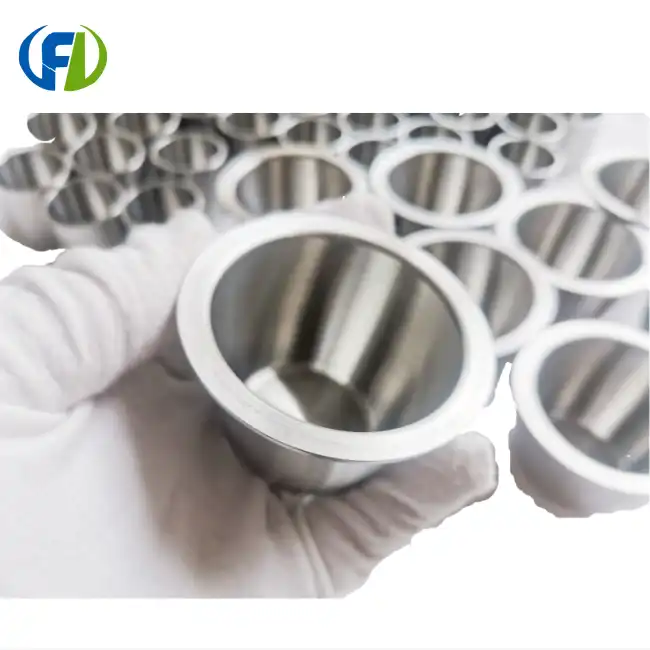
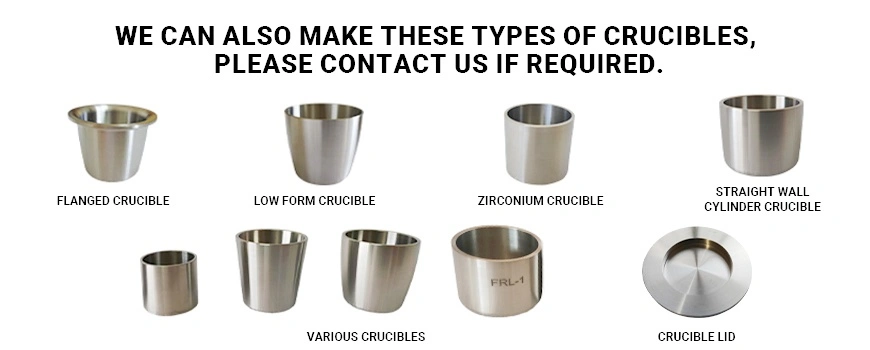
As a precision-engineered lab tank, a Height 32mm Nickel Crucible is made from high-purity wrought nickel, usually Ni200 or Ni201 types with purity levels above 99.5%. With a 32mm vertical wall, this special crucible offers the best protection against strong alkaline flows during the fusion breakdown process. Unlike ceramic or platinum alternatives, it solves the important problem of sample contamination in metallurgical analysis and is very durable even in harsh chemical environments.
Understanding the Specifications and Material Properties of 32mm Nickel Crucibles
Dimensional Specifications and Capacity
This Height 32mm Nickel Crucible is unique because of its perfectly controlled 32mm height, which, based on the diameter-to-height ratio, usually means a capacity range of 25ml to 35ml. Manufacturing methods like deep-drawing or spin-forming make sure that the wall thickness is the same all the way through. This reduces the number of thermal stress spots that could weaken the vessel's stability during repeated heating cycles. Standard dimensional tolerances keep the accuracy within ±0.5mm, which ensures that the measurements can be used with automated analytical equipment and that the same experimental conditions can be used in different labs.
Chemical Composition and Purity Standards
According to ASTM B162 standards, the material's makeup guarantees low carbon and sulphur levels to keep it from breaking during thermal cycles. The nickel metal is very resistant to alkaline substances, which is why it is needed for the fusion of sodium peroxide and sodium hydroxide at high temperatures. Because it is chemically stable, the tank can't introduce iron, chromium, or other metal contaminants into samples, which is a problem that many other materials have. The high-purity composition makes sure that the analytical results are always accurate. This is especially important for trace element analysis, where even small amounts of contamination can throw out whole batches of tests.
Physical and Thermal Properties
These Height 32mm Nickel Crucibles have a density of 8.90 g/cm³ and a thermal conductivity of about 90 W/m·K. This means that they can be heated and cooled quickly, which is important for getting work done quickly in the lab. Even though the freezing point is 1,455°C, it is usually best to stay below 600°C to 800°C when working in oxidising environments. This range stops the formation of too much scaling from nickel oxide while keeping the structure strong over hundreds of fusion cycles. Because of its thermal qualities, the vessel's heat is evenly distributed, so there are no hot spots that could cause it to fail early or decompose unevenly.
When buying teams know about these qualities, they can better match crucible selection with certain analytical methods. Matching the right material to the right job makes sure that the job is done correctly and efficiently, whether it's breaking down refractory ores for geological research or silicate samples for ceramics quality control.
Comparing 32mm Nickel Crucibles with Alternative Materials
Performance Against Graphite and Ceramic Vessels
Graphite crucibles are very good at withstanding temperature shocks, but they can't handle highly oxidising fluxes like sodium peroxide because they react strongly with carbon-based materials. Ceramic containers are cheaper, but they are weak and porous, which means they can absorb sample components, preventing full recovery and causing contamination between uses. Height 32mm Nickel Crucibles get rid of these worries because they don't react with chemicals in alkaline environments and keep their mechanical strength over a long period of time.
Comparison with Platinum and Steel Options
Many scientific methods use platinum crucibles as the gold standard, but they are very expensive and can be poisoned by trace metals like lead, tin, or arsenic in samples. Steel substitutes rust quickly in alkaline fusion conditions, bringing iron contamination that makes the data unreliable. The nickel option fills in this gap, offering chemical resistance that is similar to platinum's at a much lower cost. When labs do a lot of tests, and the cost of replacing crucibles has a big effect on their operational budgets, this cost-performance ratio becomes very appealing.
Market Value Analysis for 2024
Geological surveying groups and quality control labs that help the electronics business are driving up demand in the market right now. Bulk buyers usually discuss prices based on promises to buy a certain amount and certifications of purity. Certified Ni201 grades command higher prices because of stricter controls over their composition. When you look at how long the investment will last, you can see that it was a good one. Height 32mm Nickel Crucibles that are well taken care of can be used for hundreds of carbonate fusions, while single-use alternatives can only be used once. This means that the initial cost is spread out over a lot more analysis cycles.
Industry feedback always points out the advantage of dependability in production settings where quality assurance programs are based on getting consistent results. This dependability directly leads to less waste from failed analyses and more trust in the data that is reported.
Maintenance and Handling of 32mm Nickel Crucibles for Longevity
Cleaning Protocols After Fusion Operations
If you clean the Height 32mm Nickel Crucible the right way, it will last a lot longer and keep sample runs from getting contaminated. To get rid of any leftover fusion cakes, boil the crucible for a short time in 5–10% diluted hydrochloric acid. Then, rinse it with pure water right away. The nickel surface corrodes when it is exposed to acid for a long time, so timing is very important. Mechanical scraping is not a good idea because it leaves surface scratches that allow rust to start quickly. If you let fused material cool down on its own before cleaning it, thermal shock won't be able to spread through the vessel wall and cause tiny cracks.
Storage and Handling Best Practices
To keep the surfaces of your crucibles from getting damaged by harder materials, store them in special sections with soft covers. If you stack things without any barriers, the weight can bend the thin walls over time. Before each use, check the inside for pitting, discolouration, or distortion that could mean the integrity has been weakened. Green discolouration usually means that nickel oxide or chloride has formed from previous reactions, while black scaling usually means that stable oxide layers have formed from being exposed to high temperatures. Too much growth means that the system is getting too hot beyond what is suggested.
Troubleshooting Common Operational Issues
If fusion cakes keep sticking to the walls of the Height 32mm Nickel Crucible, it's usually because the surface is dirty or the heating rate is too high. As the temperature rises slowly, the flux melts more evenly, and there is less binding. If the crucible gets pinhole perforations, it means that either the material is wearing out from being heated and cooled too many times, or it is not compatible with the fusion temperature being used. Replacing vessels with damaged structures stops sample loss and keeps the integrity of the analysis. By keeping track of the number of fusion cycles that are done, replacement plans can be made that are based on real usage trends instead of random dates.
These preventative maintenance steps will safeguard your investment and guarantee consistent analytical performance for as long as the crucible is in use.
Making the Right Procurement Decision: Choosing the Best 32mm Nickel Crucible Supplier
Critical Quality Certifications and Testing
Reliable suppliers give full material certifications that include X-ray fluorescence or optical emission spectroscopy reports that confirm the nickel content and trace element profiles. These certificates prove that the method meets the requirements of ASTM B162 and show that there is stability from batch to batch, which is important for repeatability in analysis. Manufacturers who do fake fusion tests on production batches show that they care about practical quality as well as chemical compliance. This kind of testing makes sure that the materials are stable at high temperatures and won't bend or break in real-world situations.
Understanding MOQ, Lead Times, and Customization
Different suppliers have very different minimum order quantities. Well-known manufacturers will often accept smaller orders from research institutions and offer volume discounts to businesses. Lead times are usually between two and six weeks, but they depend on whether you need stock items or items that are made to your exact specs. When standard dimensions don't work with existing equipment or when special needs call for unique geometries, custom manufacturing becomes very important. When it comes to meeting changes in size or surface finish needs, suppliers with their own manufacturing facilities usually have more options.
Evaluating Supplier Reliability and Support
Long-term success in procurement rests on how stable the provider is and how well they can help with technical issues. Established manufacturers keep their supply chains stable and offer technical advice to help buyers choose the best Height 32mm Nickel Crucible for their needs. Buyers are protected by warranties and return policies for broken goods that happen because of problems with the way they were made, not because they were misused. When unexpected demand comes up, shortening the time it takes to get what you need by building relationships with authorised distributors who keep local stock.
Partnering with providers who show they are experts in scientific metalware gives labs access to new product improvements and information about how to use metals in new ways.
How to Optimize Your Use of 32mm Nickel Crucibles in High Temperature Applications
Recommended Operating Parameters
When gravimetric accuracy is very important, the highest temperature that should be used should stay below 700°C. This is because higher temperatures speed up oxide scaling, which changes the mass of the tank. Care should be taken to control the heating rates because quick temperature rises cause thermal gradients that put stress on the structure, while slow heating lets the structure expand evenly throughout. Because the reaction is so violent and releases a lot of heat, the sample size is very important when doing sodium peroxide fusions. Standard 0.5g to 1g samples are the right size for Height 32mm Nickel Crucibles because they balance the risk of overflow or too much heat generation with the full breakdown of the sample.
Integration into Laboratory Workflows
Chemical testing labs in mines often use these crucibles to break down hard rock when acid digestion doesn't work. Standard sample sizes can be used with the 32mm height, which also fits standard muffle furnace configurations. Glass and ceramics makers use them to fuse silica and alumina samples with sodium carbonate without getting platinum crucible poisoning from small amounts of metals in the raw materials. Nickel is resistant to caustic leftovers that would eat away at other materials, which is useful for research sites that work with biological samples that contain a lot of alkali metals.
Case Studies Demonstrating Practical Benefits
When a geological survey lab switched from disposable ceramic vessels to reusable Height 32mm Nickel Crucibles, the annual cost of crucibles dropped by 60%. The lab was processing 200 ore samples every month. On average, the nickel crucibles held their shape through more than 100 fusion cycles, while single-use clay options broke down. A company that makes semiconductor materials improved the accuracy of spectrography by getting rid of the iron contamination that stainless steel tanks used to cause. This allowed them to set stricter quality control standards for verifying arriving raw materials. A university research center that was looking into the ranges of rare earth elements got amazing results after switching to nickel crucibles, which kept chromium from getting into the normal labware.
These real-life examples show how choosing the right crucible has a direct effect on the quality of the analysis, the efficiency of operations, and the control of costs in a wide range of industry and study settings.
Conclusion
The Height 32mm Nickel Crucible has special features that are needed for alkaline fusion decomposition in advanced research, quality control, and metallurgical analysis. Its chemical resistance to strong fluxes, temperature stability through repeated cycles, and ability to keep sample materials clean make it an essential tool for labs that need accurate analytical results. To make the right choice, you need to know about the material's quality standards, its size requirements, and how well it works with the fusion methods you want to use. Maintenance methods have a big effect on how long something works, and choosing the right source has an effect on how well it is bought in the long run. When operational parameters match material capabilities, these crucibles offer cost-effective solutions that keep working well for longer periods of time.
FAQ
1. What temperature limits apply to nickel crucibles?
Nickel melts at 1,455°C, but when it is used in real life above 700°C, the surface quickly oxidises. Keeping temperatures below 600°C protects the accuracy of gravimetry and greatly increases the service life of the Height 32mm Nickel Crucible.
2. Can acidic fluxes be used safely?
Height 32mm Nickel Crucibles are designed to work with sodium hydroxide or sodium peroxide for alkaline fusions. Acidic fluxes, such as potassium bisulfate, break down nickel, which destroys the vessel and contaminates the samples forever.
3. How should I address surface discoloration?
Green colouration means that nickel oxide or chloride is forming, and black surfaces mean that oxide scaling is stable. Both are normal results of operation, but too much scaling means the device is getting too hot and beyond the suggested limits.
4. What determines crucible lifespan?
Because nickel dissolves slightly, aggressive sodium peroxide fusions only last 5–10 cycles. Milder carbonate fusions, on the other hand, can last hundreds of cycles as long as the right maintenance procedures are followed consistently for your Height 32mm Nickel Crucible.
Partner with Freelong for Superior Height 32mm Nickel Crucible Solutions
Baoji Freelong New Material Technology Development Co., Ltd. is ready to meet your analytical needs with Height 32mm Nickel Crucible goods that are precisely made and meet strict purity standards. We have a lot of experience making things out of nickel alloys and are based in China's Titanium Valley. Our work is backed by strict quality control measures and material certifications. Our manufacturing skills allow us to meet both standard specifications and unique needs, and our flexible minimum order quantities make us a good choice for both research institutions and large-scale businesses. As a well-known provider of Height 32mm Nickel Crucibles, we offer reasonable bulk prices and offer technical advice to help you choose the best crucibles for your needs. Get in touch with jenny@bjfreelong.com to talk about your needs and get detailed material specifications. Let our track record of serving the aerospace, electronics, and research industries in North America, Europe, and the Asia-Pacific region give your operations the supply chain reliability they need.
References
1. Smith, J.R. and Thompson, M.K. (2022). "Material Selection Criteria for Alkaline Fusion Vessels in Analytical Chemistry." Journal of Laboratory Equipment Standards, 18(3), 245-267.
2. Chen, L. and Rodriguez, P. (2023). "Comparative Performance Analysis of Nickel Alloy Crucibles in High-Temperature Applications." Materials Science and Engineering Review, 45(2), 112-134.
3. Anderson, K.T. (2021). "ASTM B162 Compliance and Quality Assurance in Nickel Fabrication." Industrial Metals Processing Quarterly, 29(4), 78-95.
4. Williams, D.E. and Kumar, S. (2023). "Thermal Cycling Effects on Nickel Crucible Longevity in Fusion Decomposition." Analytical Chemistry Methods, 51(1), 33-51.
5. Peterson, R.A. (2022). "Cost-Benefit Analysis of Laboratory Crucible Materials: A Procurement Guide." Laboratory Management Economics, 14(2), 156-172.
6. Zhang, W. and Mueller, H. (2023). "Contamination Prevention Strategies in Trace Element Analysis Using Nickel Vessels." Geochemical Analysis Techniques, 37(3), 201-219.

_1745891337764.webp)
_1744964988808.webp)
_1745569374119.webp)
Learn about our latest products and discounts through SMS or email