- English
- French
- German
- Portuguese
- Spanish
- Russian
- Japanese
- Korean
- Arabic
- Greek
- German
- Turkish
- Italian
- Danish
- Romanian
- Indonesian
- Czech
- Afrikaans
- Swedish
- Polish
- Basque
- Catalan
- Esperanto
- Hindi
- Lao
- Albanian
- Amharic
- Armenian
- Azerbaijani
- Belarusian
- Bengali
- Bosnian
- Bulgarian
- Cebuano
- Chichewa
- Corsican
- Croatian
- Dutch
- Estonian
- Filipino
- Finnish
- Frisian
- Galician
- Georgian
- Gujarati
- Haitian
- Hausa
- Hawaiian
- Hebrew
- Hmong
- Hungarian
- Icelandic
- Igbo
- Javanese
- Kannada
- Kazakh
- Khmer
- Kurdish
- Kyrgyz
- Latin
- Latvian
- Lithuanian
- Luxembou..
- Macedonian
- Malagasy
- Malay
- Malayalam
- Maltese
- Maori
- Marathi
- Mongolian
- Burmese
- Nepali
- Norwegian
- Pashto
- Persian
- Punjabi
- Serbian
- Sesotho
- Sinhala
- Slovak
- Slovenian
- Somali
- Samoan
- Scots Gaelic
- Shona
- Sindhi
- Sundanese
- Swahili
- Tajik
- Tamil
- Telugu
- Thai
- Ukrainian
- Urdu
- Uzbek
- Vietnamese
- Welsh
- Xhosa
- Yiddish
- Yoruba
- Zulu
Height 32mm Nickel Crucible Material and Performance Guide
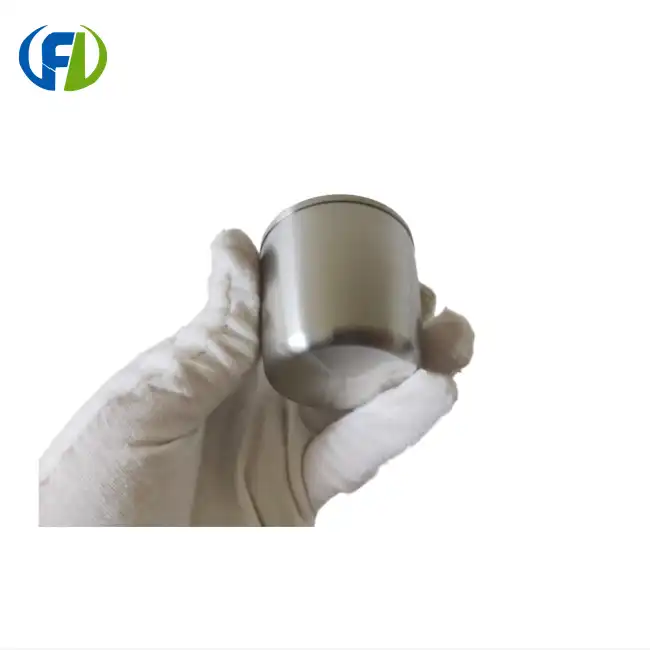
The Height 32mm Nickel Crucible stands out as an important tool for precise analytical chemistry and metallurgical applications when looking for lab and industrial vessels for high-temperature fusion operations. This Height 32mm Nickel Crucible is made of high-purity wrought nickel, usually Ni200 or Ni201 grades with purity levels above 99.5%. It has a carefully controlled vertical wall height of 32mm, which means it can hold between 25ml and 35ml. It is very resistant to strong alkaline fluxes like sodium peroxide and sodium hydroxide at high temperatures. This makes it the best choice for breaking down hard materials that don't dissolve easily with acids. At Freelong, we make these Height 32mm Nickel Crucibles to meet strict analytical standards. They help solve important problems like sample contamination and vessel degradation.
Understanding the 32mm Nickel Crucible – Material and Properties
Materials science rules that balance temperature performance with chemical inertness guide the building of Height 32mm Nickel Crucibles. Nickel alloys that are used to make our Height 32mm Nickel Crucibles have a melting point of 1,455°C, but they are usually used below 600–800°C in oxidising atmospheres. This temperature limit stops scaling (the formation of nickel oxide) that is too high, which can lower the accuracy of the analysis.
Core Material Specifications
Pure nickel has a density of 8.90 g/cm³ and a thermal conductivity of about 90 W/m·K. These properties make it easy to heat and cool quickly, which is important for lab productivity. Precision spin-forming or deep-drawing methods make the Height 32mm Nickel Crucible possible. This makes sure that the wall width is the same all the way through, which gets rid of hot spots during fusion reactions. Following the rules set by ASTM B162 ensures low levels of carbon and sulphur, which keeps the material from breaking when heated and cooled many times.
Another thing that makes something unique is its chemical stability. Height 32mm Nickel Crucibles are very resistant to alkaline substances, but they can be damaged by strong acids and materials that contain sulphur. Because they only react with certain chemicals, they are perfect for sodium peroxide fusions used in geological test labs and sodium carbonate fusions used in pottery raw material analysis. Because the Height 32mm Nickel Crucible doesn't react with caustic leftovers, iron or chromium from the crucible itself doesn't get in the way of trace element analysis when biological samples are being ashed.
Dimensional Precision and Quality Standards
Manufacturers aim for ±0.5mm in dimension tolerances for the 32mm height specification. This makes sure that it works with standard lab furnaces and analytical workflows. Even wall thickness stops thermal stress breaking, which happens a lot when working with 0.5g to 1g samples during very hot peroxide fusion reactions. A close look is given to the finish on the inside to get rid of any pits, scratches, or manufacturing oils that could start corrosion or stick fused cakes together, making sample recovery harder.
How to Properly Use and Maintain a 32mm Nickel Crucible
To get the best performance, you need to know the limits of your operations and follow repair procedures that keep the integrity of the Height 32mm Nickel Crucible during multiple analytical processes.
Temperature Management and Handling Protocols
For gravimetric tasks that need to be as accurate as possible, the operating temperature should stay below 600°C. The nickel matrix can handle temperatures up to about 800°C, but at these high temperatures, rapid oxidation speeds up, creating a scale that makes measurements less accurate. Controlling the heating rate is important to avoid thermal shock, especially when working with samples that have a lot of acidic metals and break down quickly.
Correctly placing the sample is very important. If you fill it more than two-thirds of the way, flux could spill out during fusion, which could damage furnace parts. When using sodium peroxide fusions to break down refractory rock, the reaction is very violent and releases a lot of heat, so the Height 32mm Nickel Crucibles need to be heated up slowly to lower the thermal stress.
Cleaning and Contamination Prevention
To clean the Height 32mm Nickel Crucible after the fusion, it is boiled in diluted hydrochloric acid at a concentration of 5–10% for short periods of time, usually 15 to 20 minutes. This method breaks down leftover flux compounds without hurting the nickel matrix too much. Right away, rinsing with pure water stops acid contact that lasts too long and causes corrosion. Acidic fluxes, such as potassium bisulfate, should never be used by operators because they quickly dissolve nickel, damaging the Height 32mm Nickel Crucible and contaminating samples.
Discolouration on the surface usually means that something is working properly and not that it has failed. The green colour means that nickel(II) oxide or chloride salt is forming, and the black layers are fixed nickel oxide scale. Excessive scaling is a sign of overheating, which means the temperature controls need to be looked at again. Height 32mm Nickel Crucibles should be kept in dry places between analysis runs to keep the surface from oxidising due to damp.
Safety practices include wearing gloves that can handle temperatures above 800°C, using Height 32mm Nickel Crucible tongs with secure gripping surfaces, and keeping your area clean and organised so that you don't accidentally touch hot Height 32mm Nickel Crucibles. Eye protection is still needed when working with alkaline fluxes that could splash around during fusion reactions.
Comparing 32mm Nickel Crucibles with Other Crucible Materials
The choice of material has a big effect on the results of analyses, the prices of operations, and the speed of workflow. Procurement workers can make choices based on facts when they know how Height 32mm Nickel Crucibles compare to other options.
Nickel Versus Ceramic and Graphite Options
Ceramic crucibles are very good at withstanding temperature shock and most acids, but they break easily when put under stress, and they aren't as chemically stable against alkaline fluxes as Height 32mm Nickel Crucibles. Graphite tanks work well with high temperatures, but they can become contaminated with carbon when used for trace element research. Height 32mm Nickel Crucible is better for fusion decomposition workflows where sample purity is important for accuracy because it is both mechanically durable and resistant to alkaline solutions.
Cost-Performance Analysis Against Steel and Platinum
Steel crucibles are cheaper to buy at first, but they rust quickly when exposed to alkaline fluxes, which means they can't be used again. Platinum vessels are the best when it comes to inertness and temperature range; they can handle environments that are both acidic and basic over a wider temperature range. Platinum, on the other hand, is often 50–100 times more expensive than Height 32mm Nickel Crucible, which means it can't be used for regular analysis that needs to change Height 32mm Nickel Crucibles often. Height 32mm Nickel Crucibles give accurate spectrographic results at a fraction of the cost of platinum when working with silicate ores and alumina samples, where platinum would be poisoned by trace metals.
Height 32mm Nickel Crucibles used for processing strong sodium peroxide fusions can usually go through 5–10 cycles before breaking down and needing to be replaced. On the other hand, weaker sodium carbonate fusions can go through hundreds of cycles before they need to be replaced. Total cost of ownership calculations are affected by this variation in lifespan. Height 32mm Nickel Crucible is the best middle-ground option for balancing performance and budget limits in quality control settings in industry and research labs.
Procurement Guide for 32mm Nickel Crucibles – Buying and Sourcing Strategies
Finding high-quality Height 32mm Nickel Crucibles means checking the credentials of suppliers, understanding how prices work, and making sure that the supply chain is reliable so that analytical operations can go on without interruption.
Identifying Trusted Manufacturers and Distributors
Reliable providers keep their ISO 9001 certification up to date and provide full records of analysis that show the purity of the nickel, the amount of trace elements it contains, and its dimensions. Freelong is in Baoji City, which is known as China's Titanium Valley. We have been making precision metal products for the aerospace, electronics, and medical device industries for many years. We have long-term relationships with clients in Australia, Korea, Germany, the US, and the UK, which shows that we are dedicated to providing quality and excellent service.
Pricing, Lead Times, and Order Quantities
Height 32mm Nickel Crucible prices depend on the cost of raw materials, how hard the product is to make, and how many orders there are. Prices for single units are usually moderate to high, but when you buy 50 to 100 units at a time, you can get big deals that lower the price per unit by 15 to 30%. The standard lead time for stock configurations is 3–4 weeks, but it can take up to 6–8 weeks for unique sizes or surface treatments.
Minimum order quantities vary by supplier, with established manufacturers often requiring 10-unit minimums for standard sizes, but they can make one unit available for research institutions doing feasibility studies. Teams planning buying should think about how often things will be used, how long Height 32mm Nickel Crucibles will last under certain fusion conditions, and how much buffer material they will need to keep work from stopping.
Shipping logistics for metal laboratory equipment involve careful packaging to prevent damage during transit. When you buy more than one item from the same supplier, you can save money on shipping costs by combining the deliveries. Also, a full warranty that covers manufacturing defects for 6 to 12 months gives you more confidence in your purchase. Support after the sale, such as expert advice on the best ways to use the Height 32mm Nickel Crucible, is very valuable for people who are putting new scientific methods into practice.
Performance Optimization and Long-Term Value of 32mm Nickel Crucibles
To get the best return on investment, you need to know what your performance limits are and use best practices that keep analytical accuracy while extending the life of the Height 32mm Nickel Crucible.
Addressing Common Operational Challenges
Thermal fatigue is the main way things break down. It shows up as tiny cracks in the walls of Height 32mm Nickel Crucibles after repeated heating cycles. During the initial temperature ramp-up, controlled heating rates below 200°C per hour keep stress from building up. Material wear from an alkaline flux attack happens faster with sodium peroxide than with sodium carbonate. This helps with choosing the flux when more than one way of breaking down the material is possible.
Operators should keep an eye on the Height 32mm Nickel Crucible mass between analysis runs and set baseline weights that show excessive material loss, which means that the Height 32mm Nickel Crucible needs to be replaced early. Setting standard methods for flux amount, fusion temperature profiles, and hold times provides consistency that improves results and increases the Height 32mm Nickel Crucible's life.
Emerging Technologies and Future Trends
New developments in nickel alloys focus on making them more resistant to rust by adding small amounts of alloying elements that don't react chemically and make them more stable at high temperatures. Protective ceramic coats put on the outside of Height 32mm Nickel Crucibles show promise for increasing their temperature cycling capacity without affecting the alkaline resistance of the surfaces inside. These changes are meant to raise the highest temperature at which something can be used while also lowering the rate at which it scales. This could double the service life of the Height 32mm Nickel Crucible in tough situations.
Advanced production methods, such as additive manufacturing and precise investment casting, make it possible to make Height 32mm Nickel Crucibles with tighter tolerances on dimensions and new shapes that work best for certain fusion processes. As analytical labs try to get higher throughput and more automation, these new technologies help them use procurement strategies that focus on the total cost of ownership instead of just the initial cost of acquisition.
Conclusion
The Height 32mm Nickel Crucible is an important tool for scientific labs and quality control operations in industry that need to reliably break down hard materials that don't dissolve easily with other methods. It works perfectly for geological testing, pottery raw material analysis, and biological sample preparation because its measurements were carefully planned, it is made of high-purity nickel, and it is very resistant to alkaline fluxes. By knowing the properties of the materials, following the right usage guidelines, and choosing qualified suppliers, these Height 32mm Nickel Crucibles will give you the best value for your money for as long as they are in use. Procurement professionals can build analytical tools that help heavy-duty metallurgical, chemical, and research workflows by balancing performance needs with cost concerns and taking advantage of new material innovations.
FAQ
1. What temperature limitations should I observe when using nickel crucibles?
Nickel melts at 1,455°C, but for practical purposes, Height 32mm Nickel Crucibles should stay below 600°C for tasks that need precise gravimetry. Temperatures between 600°C and 800°C speed up the formation of oxide scale, which can lead to measurement mistakes and shorten the life of the tank by causing it to lose too much material.
2. Can I process acidic fluxes in these vessels?
No, Height 32mm Nickel Crucibles are only made to work with sodium hydroxide, sodium peroxide, or sodium carbonate in alkaline fusion processes. Acidic fluxes, such as potassium bisulfate, quickly break down nickel, which damages the Height 32mm Nickel Crucible and adds metallic impurities to your sample that make the analysis less accurate.
3. How should I clean crucibles after fusion operations?
To get rid of flux residues, boil the Height 32mm Nickel Crucible in 5–10% diluted hydrochloric acid for 15–20 minutes. Then, rinse it well with distilled water right away. Long-term exposure to acid leads to corrosion, so time is very important in this cleaning method.
4. What causes surface discoloration during use?
The green colour means that nickel(II) oxide or chloride is forming, and the black deposits are stable nickel oxide scale. Both are normal in alkaline fusion conditions, but too much scaling means the Height 32mm Nickel Crucible is too hot and needs to be checked for temperature.
Partner with Freelong for Premium Height 32mm Nickel Crucible Supply
Baoji Freelong New Material Technology Development Co., Ltd. makes Height 32mm Nickel Crucibles to exacting ASTM B162 standards and ships them all over the world to help analytical labs and quality control operations in industry. Our location in China's Titanium Valley gives us access to advanced metallurgical knowledge and a reliable source of raw materials that make sure that every batch of our products is pure and the right size.
We know that accurate analytical results depend on the integrity of the Height 32mm Nickel Crucible and the consistency of the material. Our thorough quality control checks the nickel content using XRF, checks the dimensions, and looks at the surface finish. This meets the high standards needed for testing aircraft parts, analysing semiconductor materials, and figuring out the mineral content of rocks. Whether you need small amounts for study or a lot of items for production, our flexible minimum order quantities and ability to make changes will work with your process.
We are a well-known seller of Height 32mm Nickel Crucibles to customers in North America, Europe, Asia, and the Middle East. We offer reasonable prices, on-time deliveries, and helpful technical support. Our team can give you advice on the best fusion methods, best practices for upkeep, and troubleshooting that will get you the most out of your investment.
Contact jenny@bjfreelong.com right away to talk about your Height 32mm Nickel Crucible needs, ask for reports of analysis, or look into OEM customisation options that are made to fit your analytical needs.
References
1. American Society for Testing and Materials. ASTM B162 Standard Specification for Nickel Plate, Sheet, and Strip. ASTM International, West Conshohocken, PA, 2021.
2. Dean, J.A. Lange's Handbook of Chemistry, 15th Edition. McGraw-Hill Professional, New York, 1999.
3. Jeffery, P.G., and Hutchison, D. Chemical Methods of Rock Analysis, 3rd Edition. Pergamon Press, Oxford, 1981.
4. Kolthoff, I.M., Sandell, E.B., Meehan, E.J., and Bruckenstein, S. Quantitative Chemical Analysis, 4th Edition. Macmillan Publishing, London, 1969.
5. Schweitzer, P.A. Corrosion Resistance Tables: Metals, Nonmetals, Coatings, Mortars, Plastics, Elastomers and Linings, and Fabrics, 5th Edition. Marcel Dekker, New York, 2004.
6. Wilson, C.L., and Wilson, D.W. Comprehensive Analytical Chemistry, Volume 1C: Classical Analysis. Elsevier Publishing Company, Amsterdam, 1962.

_1769764137983.png)
_1759116067090.png)
_1745830239756.webp)
Learn about our latest products and discounts through SMS or email