- English
- French
- German
- Portuguese
- Spanish
- Russian
- Japanese
- Korean
- Arabic
- Greek
- German
- Turkish
- Italian
- Danish
- Romanian
- Indonesian
- Czech
- Afrikaans
- Swedish
- Polish
- Basque
- Catalan
- Esperanto
- Hindi
- Lao
- Albanian
- Amharic
- Armenian
- Azerbaijani
- Belarusian
- Bengali
- Bosnian
- Bulgarian
- Cebuano
- Chichewa
- Corsican
- Croatian
- Dutch
- Estonian
- Filipino
- Finnish
- Frisian
- Galician
- Georgian
- Gujarati
- Haitian
- Hausa
- Hawaiian
- Hebrew
- Hmong
- Hungarian
- Icelandic
- Igbo
- Javanese
- Kannada
- Kazakh
- Khmer
- Kurdish
- Kyrgyz
- Latin
- Latvian
- Lithuanian
- Luxembou..
- Macedonian
- Malagasy
- Malay
- Malayalam
- Maltese
- Maori
- Marathi
- Mongolian
- Burmese
- Nepali
- Norwegian
- Pashto
- Persian
- Punjabi
- Serbian
- Sesotho
- Sinhala
- Slovak
- Slovenian
- Somali
- Samoan
- Scots Gaelic
- Shona
- Sindhi
- Sundanese
- Swahili
- Tajik
- Tamil
- Telugu
- Thai
- Ukrainian
- Urdu
- Uzbek
- Vietnamese
- Welsh
- Xhosa
- Yiddish
- Yoruba
- Zulu
How to Use a Zirconium Crucible Safely for High Temperature Melting
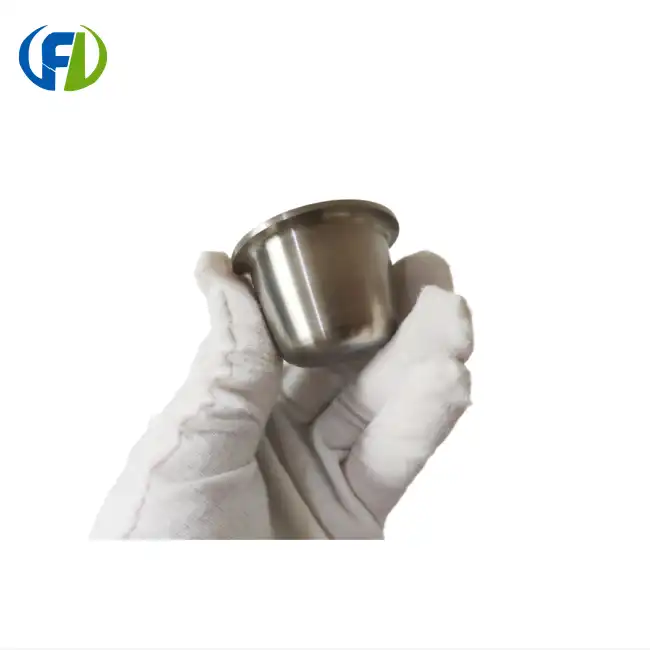
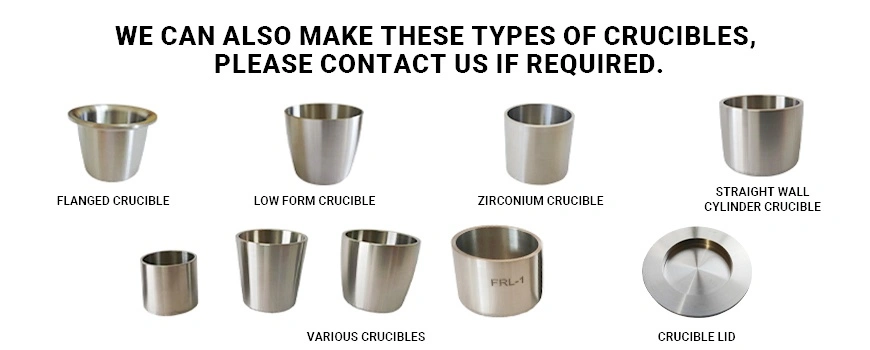
Using a Zirconium Crucible With Rim safely for high-temperature melting requires careful attention to material handling, temperature control, and maintenance protocols. The rimmed design provides enhanced structural stability during transport and manipulation, reducing spillage risks while enabling secure gripping by automated fusion systems or laboratory tongs. Proper pre-heating, gradual temperature ramping, and post-operation cleaning preserve crucible integrity across multiple thermal cycles. Understanding zirconium's exceptional corrosion resistance and thermal properties ensures optimal performance in demanding applications ranging from aerospace alloy development to aggressive chemical digestion processes.
Understanding Zirconium Crucibles with Rim: Material Properties and Benefits
Why Zirconium Outperforms Traditional Crucible Materials
To work with high-temperature melting processes for testing aerospace parts or making semiconductor materials, you need tools that can handle harsh conditions without affecting the purity of the samples. When this happens, Zirconium Crucibles With Rim come in handy because they have special chemical and physical qualities that other materials like clay, graphite, or even platinum often can't match.
The grade of material that is usually given is UNS R60702, which has at least 99.2% zirconium and hafnium in it. The melting point of this mixture is around 1852°C, but the actual upper and lower limits for use depend on the weather. The density of 6.51 g/cm³ gives these vessels good weight-to-strength ratios, which make them strong enough for repeated use in industry.

The Engineering Advantage of Rim Design
The built-in rim is more than just a nice-looking detail. It raises the moment of inertia at the opening of the crucible, which greatly lowers the distortion of the circular shape during thermal cycles. In geochemical analysis systems that use automated XRF fusion, this design feature is very helpful because robotic grippers have to move crucibles safely between furnaces and casting stations without slipping. Any change in shape at the rim makes this precise handling less possible, which could lead to sample loss or damage to the equipment.
In addition to its mechanical benefits, the rim makes it easier to work safely with lab tongs when doing tasks by hand. Chemical process labs that do hydrofluoric acid digestions really like this feature because it lets them handle containers with very acidic contents safely without touching the crucible body directly.
Chemical Resistance That Protects Sample Integrity
Zirconium is very strong against liquid alkalis like sodium peroxide, potassium hydroxide, and sodium carbonate. These are chemicals that quickly break down borosilicate glass or damage platinum surfaces. Zirconium crucibles with rims are needed for alkali fusion techniques in mining analysis, where ores that are hard to work with, like chromite or magnetite, need harsh flux treatments.
It can also stand up to sulfuric acid, hydrochloric acid, and most organic acids. When zirconium is exposed to oxidizing conditions, it forms a thick layer of zirconium dioxide that heals itself and stops any more reactions from happening. This layer also stops metallic ions from getting into samples as much as possible. Controlling contamination is very important when using ICP-MS or ICP-OES to study trace elements, because even very small impurities can change the results of the analysis.
Safe Usage Practices for Zirconium Crucibles in High-Temperature Melting
Pre-Operation Inspection and Preparation
Before starting any melting process, an eye check finds any problems that might get worse during heating. Look for tiny cracks, rough spots on the surface, or color changes that could mean the item has been exposed to heat or chemicals in the past. Even very small cracks can spread very quickly when the material expands due to heat, which can cause catastrophic failure and sample loss.
Cleaning protocols must deal with contaminants that are still there from previous operations. Use ultrasonic cleaning with the right solutions or acid washes based on the chemistry of the item you are working with. To stop sample retention, or the "memory effect" that lowers the accuracy of subsequent runs, the inside surface should have an average roughness below 0.4 micrometers. Before adding new material, rinse well with deionized water and let it dry completely.
Controlled Heating Protocols for Thermal Stability
Gradual temperature rising stops thermal shock, which can damage the structure of the crucible. Start by slowly heating the vessel at a rate of 5–10°C per minute until it reaches 300°C. This will give the temperature of the vessel a chance to even out before speeding up to operational temperatures. When the temperature of the crucible changes quickly, the inner and outer surfaces expand at different rates. This causes stress to build up at structural breaks like the rim joint.
Zirconium has a freezing point higher than 1850°C, but its useful working temperatures in air usually stay below 600°C for long periods of time. Above this point, oxidation speeds up, but short-term temperature changes to 900°C are fine during sodium peroxide flux fusion cycles. By stopping oxidative degradation, inert atmosphere furnaces or vacuum systems can keep temperatures higher for longer.
Handling Techniques That Preserve Equipment Lifespan
When working with hot Zirconium Crucibles With Rim, you should always use tongs with zirconium-compatible tips or ceramic tips. Metal tools with different temperature expansion factors can scratch or dent the surface of the vessel, which can lead to cracks spreading. Wear the right thermal safety gear, like heat-resistant gloves that are rated for temperatures higher than your safe working range.
Where you are in the oven is very important. To make sure the temperature is the same everywhere, place the crucible in the middle of the heating element or in the hot zone. When placed off-center, thermal gradients cause warping, especially in the rim geometry that keeps the steering straight. Leave enough space between multiple crucibles to keep one area from getting too hot from lack of airflow.
Maintenance Protocols Between Operations
In reverse, cooling should act like the heating ramp. Rapid cooling produces the same thermal shock as vigorous heating. Natural cooling in the kiln or controlled cooling chambers strengthens structures over hundreds of heat cycles, increasing equipment value. After cooling to a safe temperature, quickly clean the samples of flux and hardened parts. Some chemical species may disrupt grain boundaries at ambient temperature after prolonged interaction.
Crucibles should be kept free from corrosive vapours and low humidity. Concentrated oxidising acids or radical gases may harm the inactive oxide layer of zirconium, which resists many chemicals. Waterproof storage containers or cabinets preserve surfaces between uses.
Record heat cycles, peak temperatures, and chemical exposures for each Zirconium Crucible With Rim. Before vessels fail, this operational log allows you to alter things, saving production time and preventing sample contamination.
Comparative Analysis: Zirconium Crucible with Rim vs Other Crucible Types
Performance Against Ceramic and Graphite Alternatives
Ceramic crucibles are cheap to buy and work well for heating things that aren't dangerous, but they break quickly when they are exposed to sudden changes in temperature or force. If you drop a porcelain crucible, even from bench height, it usually breaks in a very bad way. Zirconium, on the other hand, is metallic, which makes it flexible and able to absorb impact energy. This means that it can withstand handling situations that would destroy ceramic materials.
Graphite crucibles are great at reducing atmospheres and moving heat around very well. But they oxidize quickly above 500°C in air and combine with some liquid metals, which limits how they can be used. Zirconium stays chemically neutral in a wider range of melts and atmospheres. It can handle both oxidizing and reducing conditions as long as the temperature is kept at the right level.
Economic Comparison With Platinum Equipment
Platinum crucibles are the best when it comes to chemical inertness and stability at high temperatures, but they are very expensive and can't be bought by most labs. Many times, a Zirconium Crucible With Rim is tenth the price of similar platinum equipment, but it works just as well in alkaline fusion situations.
Lifespan analysis shows that zirconium vessels can withstand 20 to 50 fusion cycles, depending on the flux chemistry and operational care. This is a lot more use than nickel or porcelain alternatives can get before they break down and need to be replaced. Even tho zirconium costs more at first than throwaway choices, it costs less in the long run because it lasts longer.
Distinguishing Zirconium Metal From Zirconia Ceramic
Sometimes people get zirconium metal crucibles and zirconia (zirconium dioxide) clay pots mixed up. Both elements have zirconium in them, but their qualities are very different. Zirconia is better at resisting oxidation and can handle slightly higher temperatures, but it is not as flexible or resistant to thermal shock as metallic zirconium. The choice of material depends on the needs of the process. Zirconia works well in oxidizing conditions with very high temperatures, while metallic zirconium is better at handling heat cycling and mechanical stress.
Procurement Guide for Zirconium Crucibles with Rim: What B2B Buyers Should Know
Evaluating Supplier Credentials and Certifications
To find providers of high-purity Zirconium Crucibles with Rim, you need to make sure that they follow established material standards. The ASTM B550 and B494 standards say what the composition must be, how it must behave mechanically, and how much impurity is allowed. Ask for certificates of the materials that show they meet these standards. These should include test results that show the amount of hafnium, oxygen, and minor elements present.
The location of the factory affects both the consistency of quality and lead times. Suppliers in well-known metalworking hubs like Baoji City, which is also known as China's Titanium Valley, often have more reliable supply chains for specialty refractory metals and more in-depth technical knowledge. Because of economies of scale, this regional specialization leads to better quality control and lower prices.
Understanding Pricing Structures and Order Economics
Minimum order amounts depend on the provider and the crucible's requirements. Standard sizes, like 50ml containers, may be offered in smaller lots. However, custom sizes or odd rim designs usually need bigger pledges to cover the costs of making the tools. Instead of buying one unit at a time, negotiate bulk deals based on how much you expect to use in a year. This could cut the cost per unit by 15 to 25 percent.
Depending on how much stock is available and how fast the factory can make the goods, lead times are usually between 4 and 8 weeks. Custom specs make this timeline longer because production needs to set up special tools. To avoid operational delays when current crucible stocks are getting close to the end of their useful life, plan procurement cycles that take these times into account, along with the time it takes for shipping.
Customization Options for Specialized Applications
In addition to the items in their catalogs, many providers can also make changes to the sizes, create custom rim shapes, or treat the inside of the parts. For nuclear testing protocols, aerospace metallurgy applications might need material with a lower neutron capture cross-section or tighter tolerances on dimensions. Chemical processing operations could ask for electropolished innards, which give surfaces a very smooth finish that makes it easier to collect all of the samples.
During the procurement phase, make sure that application-specific needs are communicated clearly. By giving suppliers information about handling systems, chemical environments, and operating temperatures, buyers can get the best configurations or find any possible compatibility problems before the manufacturing process starts.
Troubleshooting and Problem Prevention When Using Zirconium Crucibles
Identifying Early Warning Signs of Degradation
A close look at the Zirconium Crucible With Rim shows several signs that its state is getting worse. Surface discoloration that changes from metallic silver-gray to darker colors could mean that the oxide layer is getting thicker from being exposed to too much hot air. Some oxidation is normal and beneficial, but worsening over time means that the product is getting close to its working limits and needs to have its temperature profile adjusted or its atmosphere control improved.
Cracks usually start where there is a lot of stress, like where the rim meets the body or the inside bottom surface. During regular maintenance checks, dye penetrant tests can find problems below the surface that can't be seen with the naked eye. Taking care of microcracks by making operational changes or retiring vessels that are affected keeps them from breaking down suddenly during important melting operations.
Contamination Prevention Strategies
Sample pollution can happen when the crucible isn't cleaned well enough between uses, not because the material is breaking down. When the risk of cross-contamination is too high, use separate vessels for different types of samples or chemical systems. Color-coding or engraving identification lines on crucibles keeps them from being mixed up by chance when they are meant for different uses.
If the analysis shows elemental signatures that aren't expected, check the state of the Zirconium Crucible With Rim before thinking that there are problems with the sample matrix. Damaged inactive oxide layers can let metallic ions into the melt, which can add zirconium or other leftover elements. This is especially true in harsh acidic conditions that are too high for the material's corrosion resistance range.
Extending Operational Lifespan Through Best Practices
Temperature changes are the main thing that limits how long Zirconium Crucibles With Rim can last. By setting up over-temperature alarms and giving furnace controllers maximum setpoint limits, mistakes made by operators can't put vessels in dangerous situations. Even short periods of warming speed up the growth of grains and the formation of metal scale, which lowers the service life that is left.
Damage from mechanical handling can be completely avoided with the right tools and training. Buy the right tongs, crucible holders, and work surfaces that will keep you safe. Teach your staff the right way to manipulate things by stressing gentle placement and slow, steady movements that avoid impact loading. When compared to careless handling, these controls easily increase the crucible's life by 30 to 50 percent.
Conclusion
Zirconium Crucible With Rim represents a sophisticated solution for demanding high-temperature melting applications across aerospace, chemical analysis, and materials research sectors. Their exceptional chemical resistance, thermal stability, and mechanical durability deliver reliable performance that balances operational costs against the premium pricing of platinum alternatives. Safe usage hinges on controlled heating protocols, appropriate handling techniques, and proactive maintenance that preserves vessel integrity across dozens of thermal cycles. Understanding material properties, implementing proper operational procedures, and sourcing from reliable sources ensure these critical tools perform consistently while supporting precise analytical work and metallurgical development essential to advanced manufacturing industries.
FAQ
1. What maximum temperature can zirconium crucibles safely withstand?
Zirconium metal melts at about 1852°C, but the safest temperatures for use depend on the weather. In air, temperatures that stay above 600°C for a long time speed up oxidation. However, short trips to 900°C during flux fusion cycles are still fine. By blocking oxidative breakdown processes, inert atmospheres or vacuum furnaces make it possible to keep the temperature higher over time.
2. How does the rim design improve safety and handling?
The built-in rim makes the structure more rigid at the opening of the crucible, which stops it from deforming during thermal cycling. This feature lets automated systems or lab tongs securely hold on to the item without the risk of crushing or slipping. The rim also lowers the risk of spills when moving hot materials from one manufacturing station to another.
3. Can zirconium crucibles handle hydrofluoric acid digestion?
Zirconium is very resistant to hydrofluoric acid, while borosilicate glass dissolves quickly in HF, or platinum is too expensive for most uses. Because of this, Zirconium Crucibles With Rim are perfect for HF evaporation and concentration processes that need to keep the stoichiometric integrity of the analytes.
Partner With Freelong for Premium Zirconium Crucible Solutions
When you need reliable high-temperature melting tools for testing aerospace parts, making semiconductors, or doing analytical chemistry, Freelong has approved Zirconium Crucibles With Rim that meet strict industry standards. Our factory is in Baoji City, which is the center of China's specialty metals industry. We make high-purity zirconium vessels that meet ASTM standards and offer competitive prices that make advanced metallurgical equipment easy to get. Our expert team knows how hard it is for buying engineers to find the right mix between thermal performance, chemical compatibility, and the cost of doing business. Whether you need standard 50ml vessels or Zirconium Crucibles with Rim with custom dimensions and rim shapes, we can help you. Our custom solutions are backed by full material certifications. Contact jenny@bjfreelong.com to talk about your unique application needs, get full specs for our Zirconium Crucible With Rim product line, or get volume prices as a qualified zirconium crucible manufacturer serving B2B markets around the world.
References
1. Davis, J.R. (2000). Nickel, Cobalt, and Their Alloys. ASM International Materials Park.
2. Lütjering, G., & Williams, J.C. (2007). Titanium: Engineering Materials and Processes. Springer-Verlag Berlin Heidelberg.
3. Mouritz, A.P. (2012). Introduction to Aerospace Materials. Woodhead Publishing Limited, Cambridge.
4. Schweitzer, P.A. (2010). Fundamentals of Corrosion: Mechanisms, Causes, and Preventive Methods. CRC Press Taylor & Francis Group.
5. Smallman, R.E., & Ngan, A.H.W. (2014). Modern Physical Metallurgy: Eighth Edition. Butterworth-Heinemann Elsevier.
6. Totten, G.E., & MacKenzie, D.S. (2003). Handbook of Aluminum: Volume 1 Physical Metallurgy and Processes. Marcel Dekker Inc., New York.

_1745897108426.webp)
_1745890998317.webp)
Learn about our latest products and discounts through SMS or email