- English
- French
- German
- Portuguese
- Spanish
- Russian
- Japanese
- Korean
- Arabic
- Greek
- German
- Turkish
- Italian
- Danish
- Romanian
- Indonesian
- Czech
- Afrikaans
- Swedish
- Polish
- Basque
- Catalan
- Esperanto
- Hindi
- Lao
- Albanian
- Amharic
- Armenian
- Azerbaijani
- Belarusian
- Bengali
- Bosnian
- Bulgarian
- Cebuano
- Chichewa
- Corsican
- Croatian
- Dutch
- Estonian
- Filipino
- Finnish
- Frisian
- Galician
- Georgian
- Gujarati
- Haitian
- Hausa
- Hawaiian
- Hebrew
- Hmong
- Hungarian
- Icelandic
- Igbo
- Javanese
- Kannada
- Kazakh
- Khmer
- Kurdish
- Kyrgyz
- Latin
- Latvian
- Lithuanian
- Luxembou..
- Macedonian
- Malagasy
- Malay
- Malayalam
- Maltese
- Maori
- Marathi
- Mongolian
- Burmese
- Nepali
- Norwegian
- Pashto
- Persian
- Punjabi
- Serbian
- Sesotho
- Sinhala
- Slovak
- Slovenian
- Somali
- Samoan
- Scots Gaelic
- Shona
- Sindhi
- Sundanese
- Swahili
- Tajik
- Tamil
- Telugu
- Thai
- Ukrainian
- Urdu
- Uzbek
- Vietnamese
- Welsh
- Xhosa
- Yiddish
- Yoruba
- Zulu
Nickel 200 Crucible Explained: Key Properties, Industrial Uses
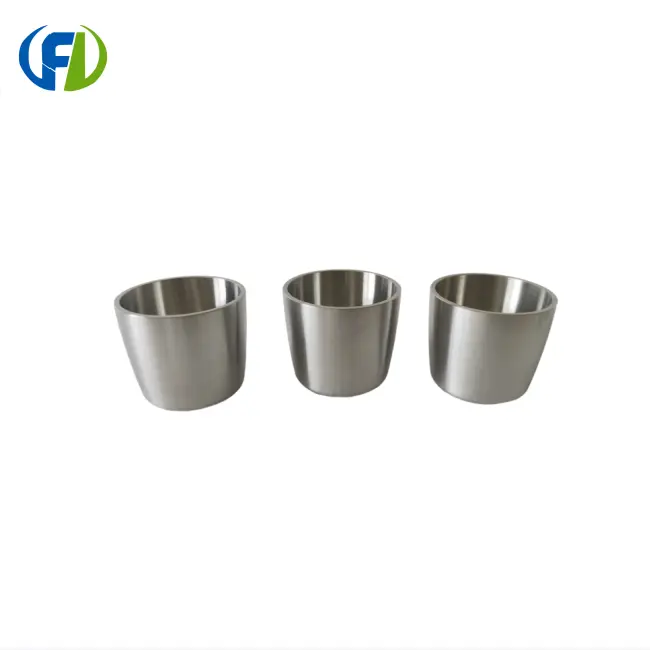
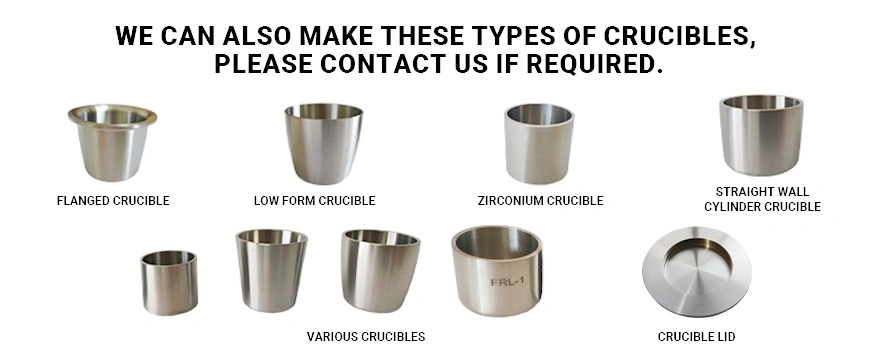
When accuracy is important, and contamination could ruin a project, picking the right lab vessel is very important. Nickel 200 Crucibles are special metal containers made from commercially pure wrought nickel. They offer unmatched resistance against acidic environments where regular ceramics or glass would break quickly. This crucible's high resistance to corrosion and safety at high temperatures meet pressing needs in high-purity processing, metal refining, chemical analysis, and the aerospace, electronics, and research industries. Engineers and procurement managers can improve both operational efficiency and long-term cost performance by learning about its properties.
Understanding Nickel 200 Crucible: Composition and Properties
The performance of a Nickel 200 Crucible depends on how well its metallurgy is controlled. Following the rules set by ASTM B160 and B162, these containers have at least 99.0% nickel and usually have more than 99.5% purity. The rest of the material is made up of trace elements, copper (up to 0.25%), and carbon (up to 0.15%). These small amounts affect how the material acts in harsh conditions.
Chemical Composition Standards
This very pure nickel alloy has very tight compositional tolerances that have a direct effect on how well the crucible works. The low carbon content keeps graphite from forming at the edges of the grains during long heating cycles, and the low copper concentration makes it workable in harsh alkaline conditions. These standards are the result of decades of work to make them better for analytical chemistry and industrial uses, where even small impurities can ruin results.
Thermal Characteristics and Stability
In industrial settings, the crucible's usefulness is determined by its operating temperatures. The melting point is between 1435°C and 1446°C, which gives most fusion processes a large safety cushion. For everyday use, the material has great thermal conductivity at about 70.3 W/m·K, which lets it heat and cool quickly without the risks of thermal shock that come with ceramic options. This property is especially useful when working with materials that are sensitive to temperature or when time is of the essence during production.
Corrosion Resistance Mechanism
When heated between 600°C and 800°C, the crucible forms a protective oxide layer. There is a strong green-to-black nickel oxide film that stops more rusting and chemical attack. Passive coatings flake or spall when heated and cooled, but this adherent layer grows back naturally with each heating cycle, so it stays protective for hundreds of uses. This mechanism explains why these crucibles can handle caustic hydroxide melts and sodium peroxide fusions that would break down most other materials in minutes.
Engineers can guess how crucibles will behave in certain situations by knowing these basic traits. The material's magnetic properties below its Curie temperature of about 360°C make it easier to handle in automated systems, but this feature doesn't matter when the temperature is high. Mechanical strength stays the same over a wide range of temperatures, which helps keep structures together even when they are holding violent exothermic processes.
Industrial Uses and Applications of Nickel 200 Crucibles
Examples from real life show how these Nickel 200 Crucibles provide unbeatable value. Geological research, quality control in chemical manufacturing, and high-purity metallurgical processes are the three main areas that drive demand.
Geological and Metallurgical Analysis
When laboratories study refractory minerals, they come across materials that can't be broken down by normal acid digestion methods. Zircon, chromite, manganese ore, and other similar materials need to be fused with strong fluxes like sodium peroxide at temperatures higher than 600°C. These containers are one of the few that can be used for these kinds of reactions without breaking the bank. Platinum is more stable than other metals, but its high cost means it can only be used in certain situations. Ceramic crucibles let iron and silicon get into the sample, which makes trace element analysis useless. The nickel crucible is the best combination of efficiency and usefulness.
Chemical Processing and Quality Control
To make industrial caustic soda, strict quality controls are needed. To find out the exact makeup of concentrated sodium hydroxide liquids by evaporation, containers that don't crack under stress are needed. Anhydrous ammonia and high-concentration caustic solutions that break down stainless steel quickly can be used in these crucibles. The material's ability to keep its shape even after being heated many times ensures gravimetric accuracy, which is very important for keeping product specs in industrial chemical manufacturing.
Pharmaceutical and Specialty Analysis
Sulfated ash determination is part of the rules for checking pharmaceuticals. This involves burning all organic materials completely and then precisely weighing the waste. The findings are skewed by iron from the steel crucibles, and platinum is still too expensive to test regularly. The nickel option works reliably in reducing atmospheres and inert gas environments, giving quality assurance labs that process hundreds of samples every month combustion vessels that are free of contamination.
Maintenance techniques greatly increase the life of a business. Nickel is tricky to clean because it dissolves in nitric acid and reacts slowly with sulfuric and hydrochloric acids. For good cleaning, melt carbonate flux to get rid of residues or use fine abrasives for deposits that won't come off. Long-term acid exposure breaks down the structure of the crucible, so it needs to be cleaned mechanically. Routine checking finds walls that are getting thinner or cracks that are starting to show up before they break in a big way during high-temperature activities.
Comparing Nickel 200 Crucibles with Alternative Materials
Choosing the right material means finding a balance between a number of factors, such as thermal performance, chemical compatibility, lifecycle cost, and operational safety. Direct comparisons show where Nickel 200 Crucibles work best and where other materials might be better for certain tasks.
Nickel 201 Versus Nickel 200
Nickel 201 is a low-carbon version that has no more than 0.02% carbon, while Nickel 200 has a ceiling of 0.15%. When exposed to temperatures above 315°C for long periods of time, this change stops graphitisation from happening. Standard Nickel 200 can form graphite at the edges of grains when heated for a long time, which weakens the material between the grains and causes it to crack before it should. Nickel 201 is more stable, which makes it useful for applications that need to be exposed to high temperatures all the time, but it costs a lot. This difference in cost is rarely worth it for short-duration fusion surgeries.
Graphite Crucible Comparison
Graphite is very good at resisting thermal shock and can be machined easily, so it can be used to melt metals at high temperatures. Its problems show up when it comes to reactive metals and oxidising environments, where burning becomes difficult above 600°C. Nickel is better at chemical inertness when working with alkaline materials, and the thin structure of graphite makes it more likely to get contaminated in scientific tasks that need absolute purity. When you consider that things last less long in chemically hostile environments, the cost benefits become less significant.
Ceramic and Porcelain Options
Because they are cheap to buy, traditional clay crucibles are used in most classrooms and basic labs. They pollute a lot with silicon and aluminium, which means they can't be used for trace element research. Thermal shock sensitivity makes things break more often when they are heated quickly, which means they need to be replaced more often. Porcelain types have similar problems, but their mechanical strength is a little better. The strong peroxide fusions that are necessary for refractory mineral analysis can't happen with either choice.
Stainless Steel Containers
Stainless alloys have strong mechanical qualities and a middling ability to prevent corrosion in a wide range of settings. When temperatures are high and the environment is alkaline, stress-corrosion cracks form quickly, especially in systems that are contaminated with chloride. Iron pollution makes it impossible to use in situations that need accurate trace metal measurements. The material works well in neutral or slightly acidic conditions at normal temperatures, but it is not as resistant to acids as nickel.
Based on specific practical needs, these similarities help people make decisions about what to buy. The best crucible to use is chosen based on how well it works with metals, its highest temperature, how it reacts to chemicals, and the level of purity that is needed. Understanding how things behave stops mistakes that cost a lot of money and stop operations from running smoothly.
Procurement Guide: Buying Nickel 200 Crucibles for Your Business
Choosing where to get things affects both the short-term success of a project and the long-term ease of operations. Strategic procurement strikes a balance between total cost of ownership, quality assurance, and supply reliability. By checking the credentials of the supplier, you can avoid getting low-quality materials that affect the accuracy of your analysis. Positive Material Identification using X-ray fluorescence shows that the Nickel 200 Crucible content is higher than 99.0% and that there are no sulphur impurities that would weaken the material.
Supplier Qualification Criteria
Each package should come with a Certificate of Analysis that lists the results of the compositional analysis and mechanical tests. Suppliers with ISO 9001 certification show that they handle quality in an orderly way, which lowers the risk of differences from batch to batch.
Dimensional and Surface Quality
The way crucibles are made affects how well they work and how long they last. Deep-drawing can leave surface flaws like laps, seams, or tiny cracks that get bigger when the temperature changes. Interior surfaces need to be polished to make it easier to get rid of residue and stop contamination from spreading from one use to the next. When working at high temperatures, even wall thickness stops areas from getting too hot and rapid burn-through. Before taking delivery, inspection processes should check these parameters.
Volume Considerations and Customisation
For everyday analytical work, standard crucible volumes range from 25 mL to 100 mL. For more specific uses, custom sizes are also available. Different suppliers have different minimum order amounts. For example, trading companies usually need higher minimums than established manufacturers. When you buy in bulk, you can get better prices, but the costs of keeping your goods must be balanced against the savings you get per unit. Custom sizes, wall thicknesses, or surface treatments can be made to fit specific process needs, but they usually take an extra 4 to 6 weeks of wait time.
Pricing Structure and Payment Terms
Nickel prices change with the cost of materials, which causes prices to change. Suppliers with a good reputation use clear pricing models that reflect the current state of the market instead of spot pricing that takes advantage of the moment. Payment terms range from upfront payments for first orders to net-30 or net-60 agreements after a supplier has been trusted. Letters of credit make it easier to do business across borders and protect both sides' interests while they build trust. Building relationships with reliable providers makes the supply line more stable. When you use two different suppliers, you lower the chance that production problems or shipping delays at one of them will cause a disruption. Misunderstandings that delay projects can be avoided by talking about delivery dates and quality standards on a regular basis.
Safety Precautions and Handling Guidelines for Nickel 200 Crucibles
The right way to handle crucibles affects both their operational safety and their life. Setting up standard procedures cuts down on accidents at work and makes equipment last longer. Before they can be used for analysis, new Nickel 200 Crucibles need to be conditioned.
Pre-Use Conditioning
When you heat empty crucibles to about 800°C, the production oils are burnt off, and a steady nickel oxide passivation layer is formed. This process keeps the crucible weight stable, which stops gravimetric research from giving false results. The protective oxide layer forms naturally during conditioning, so there is no need to worry about protection products contaminating the skin.
Thermal Management During Operations
Rapid changes in temperature can put stress on the grain patterns of metal, which could lead to warping or breaking. Gradual heating lets the temperature rise evenly, which stops stress from building up in one place. Controlled rates are also helpful for cooling cycles, especially when crucibles still have material left in them. Thermal shock protection is better than ceramic options, but it doesn't get rid of the need to keep an eye on temperatures.
Personal Protective Equipment Requirements
When handling crucibles at high temperatures, the right safety gear is needed. During transfer operations, burns can be avoided by wearing gloves that are rated for temperatures higher than the operating maximums. Face shields keep you from splashing during strong reactions, like when sodium peroxide fuses, which can cause splashing. Oxidation products and reaction fumes are removed by proper airflow, which keeps the air quality in labs high.
Contamination Prevention
Using separate crucibles for different tasks keeps materials that don't mix from getting contaminated. Tracking the past of crucibles with labels makes sure that vessels that have been exposed to contaminating elements are kept separate from uses that need to be very pure. When crucibles are not being used, they should be stored in clean, dry places to keep the air from getting dirty.
Troubleshooting Common Issues
During service, brittleness is often a sign of sulphur exposure above 315°C, which leads to intergranular corrosion. By replacing broken crucibles, sudden failures during operations can be avoided. Too much buildup of the oxide layer, which shows up as thick, flaking black scale, means that the temperature has gone above the suggested working ranges. Such crucibles should not be used for gravimetry or other tasks where weight stability is important, but they can still be used for preparation. When crucibles reach the end of their useful life, they need to be thrown away in the right way. Nickel recycling programs get valuable materials back into circulation while keeping the environment clean. Many suppliers have return programs that let you get credit for new purchases and make sure that used equipment is recycled properly.
Conclusion
In labs and factories that need to work reliably in harsh conditions and high temperatures, Nickel 200 Crucibles are an important tool to have. Because they are stable at high temperatures, don't rust, and are cheap, they are in a unique position between expensive platinum alternatives and poor clay alternatives. The return on investment is highest when the right materials are chosen, handled, and maintained. This also makes sure that the analytical accuracy stays the same over hundreds of thermal cycles. Engineers and purchasing managers can make confident decisions that support operational excellence when they understand compositional specifications, application requirements, and procurement strategies. Even though quality standards are getting stricter and more analyses are being done, these specialised vessels are still very useful in many different industries.
FAQ
1. What maximum temperature can Nickel 200 crucibles safely withstand?
The freezing point is around 1440°C, but it can only be used between 600 and 800°C in oxidising environments for scientific purposes. In this range, protective oxide layers form without getting too thick, which would mess up gravimetric readings. Short-term exposures up to 1000°C are still possible, but cycling at high temperatures over and over again speeds up the Nickel 200 Crucible aging process.
2. Which cleaning methods work best for these crucibles?
The best way to clean something mechanically is to use fine abrasives or carbonate flux melting. Nickel dissolves quickly in nitric acid and reacts with hydrochloric and sulphuric acids, so be very careful when cleaning with acids. When acid is exposed for a long time, it weakens the crucible, so mechanical ways are better for regular upkeep.
3. How long do these crucibles typically last under standard conditions?
Service life is very different depending on how it is used and the material that is treated. If you keep your crucibles in good shape, they can handle 200 to 300 rounds of peroxide fusions before the walls start to thin and need to be replaced. Abuse of harsh chemicals or temperatures shortens the lifespan by a lot, sometimes to less than 50 cycles.
Partner with Freelong for Premium Nickel 200 Crucible Supply
The Baoji Freelong New Material Technology Development Co., Ltd. has been making high-purity nickel products for demanding industrial uses for more than ten years. Our factory is in China's Titanium Valley and makes Nickel 200 Crucibles that meet strict ASTM B160/B162 standards. These crucibles are used in research, chemicals, and the aircraft industry in North America, Europe, and the Asia-Pacific region. Each crucible goes through strict quality checks, such as XRF compositional analysis and dimensional inspection, to make sure that it works the same way every time.
Our buying method makes it easier for engineers and purchasing managers who are busy to find what they need. Competitive pricing reflects the direct benefits of the manufacturer without trading company markups. Minimum order numbers that are easy to meet can be used by both large-scale production operations and research labs. Technical support helps match the crucible's specs to the needs of the application, which avoids mistakes that cost a lot of money. Reliable foreign shipping makes sure that deliveries happen on time, which helps keep project plans.
Get in touch with jenny@bjfreelong.com right away to talk about your Nickel 200 Crucible needs. Freelong gives you the quality and service dependability your operations need, whether you need standard analytical sizes or custom configurations for unique processes.
WhatsApp / Linkedin: 0086-13571190943
Wechat: lyc880528
References
1. Davis, J.R. (2000). Nickel, Cobalt, and Their Alloys. ASM International Materials Park, OH.
2. Donachie, M.J. & Donachie, S.J. (2002). Superalloys: A Technical Guide (2nd ed.). ASM International.
3. American Society for Testing and Materials (2019). ASTM B160-19: Standard Specification for Nickel Rod and Bar. ASTM International, West Conshohocken, PA.
4. Kroschwitz, J.I. & Howe-Grant, M. (1995). Kirk-Othmer Encyclopedia of Chemical Technology (4th ed., Vol. 17). John Wiley & Sons, New York.
5. Peckner, D. & Bernstein, I.M. (1977). Handbook of Stainless Steels. McGraw-Hill, New York.
6. Schweitzer, P.A. (2004). Corrosion Resistance Tables: Metals, Nonmetals, Coatings, Mortars, Plastics, Elastomers and Linings, and Fabrics (5th ed.). Marcel Dekker, New York.

_1774596607421.png)
_1745996924533.webp)
Learn about our latest products and discounts through SMS or email