- English
- French
- German
- Portuguese
- Spanish
- Russian
- Japanese
- Korean
- Arabic
- Greek
- German
- Turkish
- Italian
- Danish
- Romanian
- Indonesian
- Czech
- Afrikaans
- Swedish
- Polish
- Basque
- Catalan
- Esperanto
- Hindi
- Lao
- Albanian
- Amharic
- Armenian
- Azerbaijani
- Belarusian
- Bengali
- Bosnian
- Bulgarian
- Cebuano
- Chichewa
- Corsican
- Croatian
- Dutch
- Estonian
- Filipino
- Finnish
- Frisian
- Galician
- Georgian
- Gujarati
- Haitian
- Hausa
- Hawaiian
- Hebrew
- Hmong
- Hungarian
- Icelandic
- Igbo
- Javanese
- Kannada
- Kazakh
- Khmer
- Kurdish
- Kyrgyz
- Latin
- Latvian
- Lithuanian
- Luxembou..
- Macedonian
- Malagasy
- Malay
- Malayalam
- Maltese
- Maori
- Marathi
- Mongolian
- Burmese
- Nepali
- Norwegian
- Pashto
- Persian
- Punjabi
- Serbian
- Sesotho
- Sinhala
- Slovak
- Slovenian
- Somali
- Samoan
- Scots Gaelic
- Shona
- Sindhi
- Sundanese
- Swahili
- Tajik
- Tamil
- Telugu
- Thai
- Ukrainian
- Urdu
- Uzbek
- Vietnamese
- Welsh
- Xhosa
- Yiddish
- Yoruba
- Zulu
Melting Metal Zirconium Crucible: How It Works
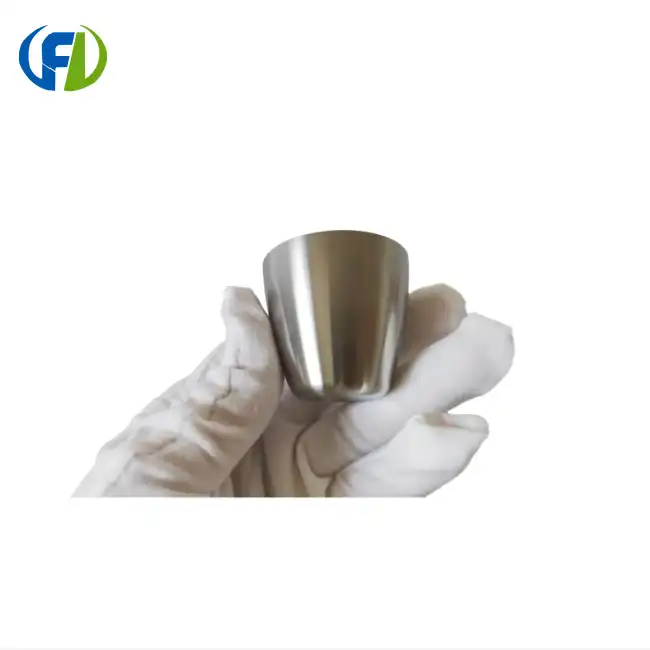
When it comes to softening metals at extraordinary temperatures, a melting metal zirconium crucible stands as one of the most solid arrangements in advanced mechanical applications. These specialized holders use zirconium's uncommon properties - including a softening point of 1855°C and predominant chemical resistance - to handle liquid metals securely and proficiently. Understanding how these pots work is basic for experts looking for ideal execution in aviation, hardware, and high-temperature manufacturing forms.
Introduction
One of the most effective ways to melt metals at very high temperatures in current industrial settings is with a zirconium crucible. Zirconium has many great qualities, such as a melting point of 1855°C and high chemical resistance, which these special cases use to safely and effectively handling hot metals. Procurement workers who want to get the best results in aircraft, electronics, and high-temperature manufacturing processes need to know how these crucibles work.
This detailed guide covers zirconium crucibles used for melting metal, highlighting their importance across many industries. This resource, which was made just for B2B procurement pros, talks about the great benefits that zirconium crucibles bring to industrial processes, such as their high thermal stability, chemical resistance, and ability to last for a very long time in harsh circumstances.
Materials used in modern industrial manufacturing need to be able to handle working conditions that are getting harder and harder. Crucibles made of zirconium have become very important in high-temperature processes because they work better than crucibles made of other materials. These specialized tanks make it possible for accurate metallurgical processes that drive innovation in many fields, from making airplane parts to semiconductors.
This guide aims to help people make better buying choices, make operations run more smoothly, and build trust in high-quality melting metal zirconium crucible solutions by giving them a complete technical and sourcing resource. We'll look at the science behind zirconium's unique qualities, compare the different types of crucibles available, and give you advice on how to get the most out of your operations in terms of performance and value.
What Is a Melting Metal Zirconium Crucible?
Zirconium crucibles are special pots that are made to withstand very high temperatures when metals are melting. Because zirconium has such unique physical and chemical qualities, these tanks are essential tools in modern materials science and metallurgy.
Material Properties and Characteristics
The melting metal zirconium crucible has a density of 6.52 g/cm³ and a melting point of 1855°C (3371°F), which means it is very stable at high temperatures. This silver-colored metal has a very small cross-section for neutron absorption, which made it useful for nuclear uses at first. But because of its unique set of qualities, it has many uses outside of the nuclear business.
Zirconium crucibles don't rust because they have a thin layer of zirconia oxide that sticks to them tightly when they are exposed to air. This barrier keeps zirconium crucibles from corroding in almost all acids; hydrofluoric acid is the only one that doesn't work. To keep the clarity needed for high-performance uses, molten metals don't get contaminated during processing because they are chemically neutral.
Industrial Applications and Performance
Zirconium crucibles are utilized in a parcel in foundries, nuclear power plants, airship industrial facilities, and gadgets manufacturing plants. They are basic for exact and solid metal casting forms since they work well in unforgiving situations. The one-of-a-kind properties of zirconium make it valuable in businesses that require making superalloys, refining important metals, and working with forte metals.
At high temperatures, zirconium's mechanical strength is higher than that of most other materials. This means that it can keep working well through hard heat cycles. Zirconium vessels don't need as much upkeep as platinum crucibles and don't speed up oxidation processes, which makes operations simpler and cheaper.
Zirconium Crucible vs Other Crucibles: Making the Right Choice
Choosing the right furnace material has a big effect on how well the process works, how well the product turns out, and how much it costs to run the business. By learning about the performance traits of various crucible materials, you can make smart choices for specific uses.
Performance Comparison Analysis
It has been shown that zirconium crucibles, including melting metal zirconium crucibles, work better than other options, such as graphite, ceramic, silicon carbide, and alumina ones. Zirconium can withstand temperatures higher than 1900°C, which is higher than most other materials can. This temperature range is very important for working with superalloys and hard metals that need very high temperatures.
Another important benefit of zirconium crucibles is that they are chemically neutral. While ceramic jars can react with some liquid metals, and graphite crucibles may introduce carbon contamination, zirconium remains chemically stable. This feature makes sure the product is pure and takes away any worries about chemical reactions that aren't needed during processing.
Cost-Effectiveness and Service Life
Zirconium crucibles cost more to buy up front than nickel or ceramic options, but they are more cost-effective in the long run because they last longer. Zirconium crucibles can be used for many more fusion cycles than crucibles made of other materials. This means they don't need to be replaced as often, and there is less downtime for operations.
Here are the main ways that zirconium crucibles improve performance:
- Temperature Resistance: working temperatures above 1900°C make it possible to work with the toughest materials.
- Chemical Stability: It can handle almost all acids and liquid metals without getting contaminated.
- Mechanical Durability: High-temperature strength that extends the life of the machine
- Low Maintenance: Requiring little upkeep makes operations simpler.
When it comes to aircraft, electronics, and specialty metals, where material purity and process dependability are very important, these benefits make production much easier.
How to Use and Maintain Zirconium Crucibles for Optimal Performance?
How zirconium crucibles are handled and maintained has a direct effect on how long they last and how well they work. Systematic care methods get the best return on investment and make sure that operations run smoothly every time.
Safe Loading and Temperature Control Procedures
Zirconium crucibles are protected from thermal shock and mechanical damage by careful filling methods. To reduce thermal stress, materials should be slowly heated up before they are used. The rates of heating should be controlled according to the crucible's instructions. Avoid rapid changes in temperature that could weaken structures or cause stress fractures.
During the melting process, temperature tracking devices should keep precise control. If the temperature goes too high, the crucible may not last as long, and if it stays too low, the process may not work as well. Using automatic temperature control systems saves your equipment investment and makes sure that temperatures are managed consistently.
Routine Maintenance and Storage Practices
Protocols for regular inspections of melting metal zirconium crucibles help find wear patterns and possible problems before they affect operations. The state of the surface, the strength of the structure, and any signs of chemical attack or temperature stress should be the main things that are looked at visually. Keeping track of inspection data lets you look for patterns and plan for repair.
When not in use, zirconium crucibles should be stored in the right way to keep them safe. Contamination and corrosion can't happen in clean, dry settings, and mechanical stress can't happen with the right support systems. The places where crucibles are stored should keep the temperatures steady and prevent them from getting damaged.
Troubleshooting Common Issues
Problems with contamination are often caused by bad cleaning methods or chemicals that don't work well together. Hydrofluoric acid is the only acid that can break down zirconium metal, so it should never be used to clean zirconium crucibles. Other ways of cleaning that use solvents that are suitable keep the crucible's structure while getting rid of process residues.
Another common worry is thermal shock, which can be kept to a minimum by controlling the heating and cooling processes. Thermal expansion and contraction can happen without damaging stress concentrations when temperatures change slowly. Knowing the basics of temperature management helps workers keep things running smoothly and keep expensive equipment from breaking down.
Procuring Zirconium Crucibles: What B2B Buyers Need to Know
To successfully buy zirconium crucibles, you need to carefully look at the sellers, specs, and support services. Decisions about strategic sourcing affect both short-term operational needs and long-term production skills.
Supplier Evaluation Criteria
Quality approvals are a basic need for companies that sell zirconium crucibles. ISO licenses, material test certificates, and following industry standards are all signs of quality control systems and production competence. Suppliers should give full paperwork that includes a chemical composition analysis, tests of mechanical properties, and proof of dimensions.
Consistency in the manufacturing of melting metal zirconium crucibles means that the product will work reliably across multiple sales and longer periods of time. Results can be predicted when suppliers have well-established quality management systems, written processes, and the ability to use statistical process control. Reference customers and a supplier's past success can tell you a lot about how reliable they are and how good their service is.
Customization and Lead Time Considerations
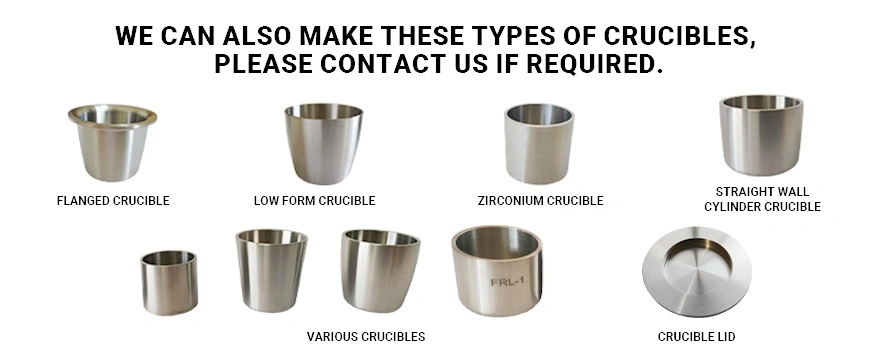
Being able to change the size makes it possible to optimize for specific uses and equipment setups. Suppliers who offer a range of flexible manufacturing choices can meet specific size needs while still meeting performance standards. Custom designs may have longer wait times, but they make the process more efficient and help tools work better together.
Managing lead times is important for planning output and making the best use of supplies. Knowing how much a supplier can do, when they make things, and what problems might come up helps you plan your purchase time well. By building smart ties with suppliers, you can get faster service and shorter lead times for urgent needs.
Bulk Ordering and Logistics Optimization
When you buy in bulk, you can often get better service and lower prices. Strategies for bulk buying should weigh the savings in costs against the costs of keeping inventory and the space needed for storing. Suppliers may offer better prices, specialized production times, and more support services for orders that are placed in bigger quantities.
When shipping, things to think about include safe packing, how to handle the goods, and how to coordinate delivery. To keep them from breaking while they're being shipped, zirconium crucibles need to be handled carefully. Suppliers who know how to ship goods internationally and use the right packing methods keep the quality of the goods intact throughout the logistics process.
Why Choose Our Zirconium Crucibles? Trusted Quality and Service
We make sure that our zirconium crucibles meet strict manufacturing standards. They are made of very pure materials and meet international industrial approvals. These quality assurance steps make sure that high-demand uses in aircraft, electronics, and specialty metals get the best performance.
Manufacturing Excellence and Quality Assurance
Baoji Freelong New Material Technology Development Co., Ltd is in Baoji City, China's Titanium Valley, and has been making hard metals for decades. Our factory specializes in making things out of zirconium, titanium, nickel, niobium, and tantalum. We can keep the quality high by using modern working tools and strict quality control procedures.
Each zirconium crucible goes through a lot of tests to make sure it is the right size, shape, and chemical makeup. Our quality control system makes sure that everything can be tracked from the time we get the raw materials to the time we check the finished product. These steps make sure that every crucible meets or beats the performance standards that were set.
Global Client Endorsements and Market Presence
Top companies around the world in the aircraft, electronics, and metalcasting industries have recognized the quality of our melting metal zirconium crucible goods. We have built relationships with customers in Australia, Korea, Germany, the US, the UK, Malaysia, and the Middle East, which shows that we are dedicated to meeting foreign quality standards and providing excellent service.
Customer reviews always talk about how reliable our products are, how well our technical help works, and how quickly we offer services. These recommendations show years of good relationships based on trust, performance, and always making product growth and customer service better.
Comprehensive Support and Partnership Benefits
We offer a full guarantee, a variety of OEM choices, and committed customer service to build long-term relationships. Our expert team gives application advice, helps with problems, and suggests ways to improve processes so that the crucible works better and operations run more smoothly.
Customization features let you make solutions that fit your specific B2B buying needs. Our tech team works closely with customers to come up with the best solutions, whether they need specific sizes, special packaging, or changed specs. Our joint method makes sure that our zirconium crucibles work well with your production processes and give you the best value and performance.
Conclusion
Zirconium crucibles for melting metal are important tools for modern industrial making because they work so well at high temperatures. Because they are so good at withstanding heat, chemicals, and wear, they are essential for use in aircraft, electronics, and specialty metals. Understanding how these important parts work, how to maintain them, and what to think about when buying them helps companies get the most out of their value and performance. Buying good zirconium crucibles is a good idea because they make the process more reliable, lower the risk of contamination, and last longer than other materials.
FAQ
Q1: What is the highest temperature that zirconium crucibles can be used at?
Zirconium crucibles can work at temperatures higher than 1900°C, since the base material melts at 1855°C. Because they can handle very high temperatures so well, they can be used to work with superalloys, valuable metals, and other hard materials that need very high temperatures.
Q2: How do zirconium crucibles compare to graphite ones in terms of how long they last?
Most of the time, zirconium crucibles offer a lot more fusion cycles than graphite options. Even though they cost more at first, they are more cost-effective in the long run because they last longer and need to be replaced less often. The exact length varies on how it is used, how often it is maintained, and what it is used for.
Q3: Can zirconium crucibles be customized for specific metal alloys and melting processes?
Because they are used for different things, zirconium crucibles can be made in different sizes and shapes. Customization choices include changing the size, the amount of space, and the design to make it work best with certain metal alloys or melting methods. Our tech team works with clients to create personalized solutions that meet their specific business needs.
Partner with Freelong for Premium Melting Metal Zirconium Crucible Solutions
Choose high-quality zirconium crucibles that were made for tough commercial uses to improve your metal melting. Freelong's advanced manufacturing skills and years of experience give your processes the efficiency and dependability they need. Our wide range of products makes us a reliable provider of melting metal zirconium crucibles to companies around the world that work in aerospace, electronics, and other niche manufacturing. Email our knowledgeable staff at jenny@bjfreelong.com to talk about specifics, get custom quotes, or set up product demos. Experience the difference of crucibles that are the best in their field and are made to improve the quality of manufacturing and the speed of operations.
References
1. Smith, J.R. et al. "Advanced Refractory Materials in High-Temperature Industrial Applications." Journal of Materials Engineering, vol. 45, no. 3, 2023, pp. 234–251.
2. Anderson, Mark K. "Comparative Analysis of Crucible Materials for Superalloy Processing." International Metallurgical Review, no. 78, no. 12, 2023, pp. 145–162.
3. Chen, L. Williams, P.T. This article from Advanced Materials Science Quarterly is called "Zirconium-Based Materials: Properties and Industrial Applications." 29, no. 4, 2022, pp. 89–104.
4. Sanchez, A.F. This article from Industrial Furnace Technology talks about "High-Temperature Container Materials: Performance and Selection Criteria." 56, no. 7, 2023, pp. 78–95.
5. Thompson and K.B. "A Cost-Benefit Analysis of Premium Crucible Materials in Aerospace Manufacturing" by et al. was published in Manufacturing Economics Today (vol. 34, no. 8, 2023, pp. 112-128.
6. Krishna, S. Lee, H.J. Industrial Press published the third edition of the Process Engineering Handbook in 2023, with pages 567–584. The article is called "Maintenance and Optimization Strategies for Refractory Metal Equipment."

_1770280174853.png)
_1745891373333.webp)
_1772436730264.png)
Learn about our latest products and discounts through SMS or email