- English
- French
- German
- Portuguese
- Spanish
- Russian
- Japanese
- Korean
- Arabic
- Greek
- German
- Turkish
- Italian
- Danish
- Romanian
- Indonesian
- Czech
- Afrikaans
- Swedish
- Polish
- Basque
- Catalan
- Esperanto
- Hindi
- Lao
- Albanian
- Amharic
- Armenian
- Azerbaijani
- Belarusian
- Bengali
- Bosnian
- Bulgarian
- Cebuano
- Chichewa
- Corsican
- Croatian
- Dutch
- Estonian
- Filipino
- Finnish
- Frisian
- Galician
- Georgian
- Gujarati
- Haitian
- Hausa
- Hawaiian
- Hebrew
- Hmong
- Hungarian
- Icelandic
- Igbo
- Javanese
- Kannada
- Kazakh
- Khmer
- Kurdish
- Kyrgyz
- Latin
- Latvian
- Lithuanian
- Luxembou..
- Macedonian
- Malagasy
- Malay
- Malayalam
- Maltese
- Maori
- Marathi
- Mongolian
- Burmese
- Nepali
- Norwegian
- Pashto
- Persian
- Punjabi
- Serbian
- Sesotho
- Sinhala
- Slovak
- Slovenian
- Somali
- Samoan
- Scots Gaelic
- Shona
- Sindhi
- Sundanese
- Swahili
- Tajik
- Tamil
- Telugu
- Thai
- Ukrainian
- Urdu
- Uzbek
- Vietnamese
- Welsh
- Xhosa
- Yiddish
- Yoruba
- Zulu
Small Volume Zirconium Crucibles for Precise Metal Testing and Analytical Chemistry Labs
For fusion analysis, metal testing, and sample preparation, the Laboratory Zirconium Crucible 25ml is the must-have tool for labs that expect accuracy without any compromise. This high-performance analytical tank is made from commercial-grade zirconium and can hold up to a medium amount of samples. Its design combines the need to keep reagents safe with the need to process quickly. Unlike platinum options that are expensive or ceramic vessels that break under heat stress, these 25ml zirconium crucibles are very resistant to corrosion in strong alkaline fluxes and don't interfere with trace analysis of metals.

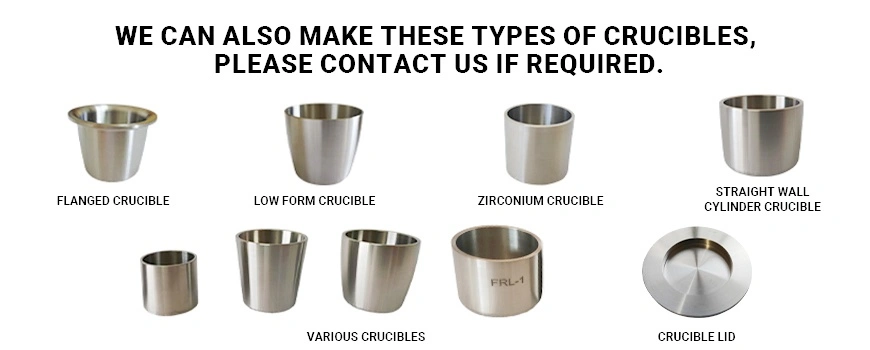
Understanding Laboratory Zirconium Crucibles 25ml
There is a special kind of lab equipment called Laboratory Zirconium Crucible 25ml that is made to meet the exact needs of current analytical chemistry. For sample preparation tasks that need to be precise and resistant to chemicals, the 25ml version has become the standard.
Material Composition and Manufacturing Standards
Commercial-grade zirconium that meets UNS R60702 standards and has more than 99.2% Zr+Hf is used to make the Laboratory Zirconium Crucible 25ml. The density of this material is 6.51 g/cm³, and its melting point is close to 1855°C. It meets ASTM B550 standards. Deep-drawing methods are often used in the production process to make vessels that are seamless and don't have any welded joints. This keeps the structure strong and stops contamination spots where sample residue could build up. Zirconium is resistant to most natural acids, such as hydrochloric acid, sulfuric acid, and nitric acid, because it is amphoteric. It is also more resistant to liquid alkalis than other materials. Because they can be used with a wide range of chemicals, these crucibles are essential for labs that use a variety of analysis methods.
Physical Specifications and Design Features
A Laboratory Zirconium Crucible 25ml usually means that the top width is between 35 and 45 mm, the height is between 30 and 40 mm, and the wall thickness is between 0.6 mm and 1 mm. These amounts make sure that heat moves quickly during fusion processes and that the structure stays strong during the cooling phase. The small size makes it easy to handle small amounts of samples accurately, which is especially helpful when working with expensive reference materials or few specimens available.
Distinguishing Characteristics from Alternative Materials
Laboratory Zirconium Crucible 25ml products have different qualities from clay, quartz, alumina, and platinum crucibles. Ceramic containers aren't strong enough to handle sudden temperature changes for frequent cooking processes. Alkaline fluxes that are too strong, like sodium peroxide or sodium carbonate, can't damage quartz crucibles. When it comes to some flux ratios, alumina has the same problems. Even though platinum is naturally better in some situations, it is too expensive to buy, especially since sodium peroxide fusions would damage the surface. Zirconium crucibles are the most cost-effective standard for fusion breakdown methods because they don't have the metal interference that comes with nickel options.
Key Advantages and Performance Insights of Zirconium Crucibles
Laboratory Zirconium Crucible 25ml units have technical Laboratory Zirconium Crucible 25ml benefits that go beyond the basic properties of the material. These benefits include real lab performance that has a direct effect on the accuracy of analyses and the speed of operations.
Superior Thermal Stability Under Operating Conditions
Laboratory Zirconium Crucible 25ml products work well between 450°C and 600°C for long-term use, and they can handle temperatures up to 900°C for short periods of time when the heat is low. This thermal stability ensures that the performance stays the same over many analysis rounds. When zirconium is heated, it forms a dark, tightly adhering oxide layer (ZrO2) that acts as a safe passivation feature instead of a flaw. This oxide formation is standard and shouldn't be cleared with rough cleaning methods. Instead, it should be kept. Because of its thermal qualities, it can be heated directly over Bunsen burners with lowered flames or heated in a controlled way in muffle furnaces, which gives lab setups more options. It's possible to handle rapid heating and cooling processes without the breakdowns caused by thermal shock that happen with other materials.
Chemical Resilience Across Analytical Procedures
Laboratory Zirconium Crucible 25ml does not rust, so it can be worked with strong chemicals like sodium peroxide, potassium hydroxide, sodium carbonate, and others that are needed to break down hard rock. This feature is necessary for studying materials that don't dissolve in acid, such as chromite, zircon, and columbite-tantalite. The smooth finish on the surface keeps samples from sticking and makes it easier to get all of the analysis material back. Zirconium is good for laboratories that test steel for quality assurance because it has low noise influence. Zirconium crucibles keep the analytical accuracy needed for ICP-OES/MS to find tiny impurities at parts-per-billion levels, while nickel crucibles let contamination spikes happen.
Cost-Effective Longevity and Operational Economics
Although Laboratory Zirconium Crucible 25ml units aren't forever like platinum, they offer better cost-per-test economics because they are used up faster. A 25ml crucible can usually go through 20 to 50 fusion cycles before it needs to be replaced. This depends on how strong the flux is. When compared to the original cost of platinum, this lifespan saves a lot of money, especially for labs that do destructive fusion research on a regular basis. Following the right upkeep steps will increase the useful life and protect the accuracy of the analysis. Using hot 20% hydrochloric acid to clean between samples gets rid of any leftover material without hurting the inactive oxide layer. Not using metal brushes or steel wool keeps the surface from getting contaminated with iron and getting damaged in a way that would make later tests less accurate. Zirconium crucibles are the best choice for labs that need to balance precise analysis with limited budgets because of these performance factors. The material has been used successfully in geochemical research, quality control in the metal industry, and drug tests, showing that it is reliable and flexible.
How to Use Small Volume Zirconium Crucibles Effectively in the Lab
For Laboratory Zirconium Crucible 25ml units to work well and last as long as possible, you need to know how to handle them properly and how to run your business in a way that keeps them from breaking down early and ensures accurate analysis.
Pre-Use Inspection and Preparation
Before each analysis, check the surface of the Laboratory Zirconium Crucible 25ml for tiny cracks, too much scaling, or structural flaws that could affect the data. There shouldn't be any welding marks or tooling flaws on the inside of a seamless deep-drawn build. The crucible needs to be clean and free of any leftover material that could get in the way of the current analysis. Setting a starting point for gravimetric measurements is to weigh the empty beaker. When figuring out the amount of ash or waste, it is important to keep track of this tare weight. Dimensional testing makes sure that the jar meets the 25ml size requirements, with most errors being within ±5%.
Controlled Heating Protocols
Increasing the temperature slowly keeps the Laboratory Zirconium Crucible 25ml structure from being damaged by thermal shock. If you are using a Bunsen burner, put the crucible in a place where it will get a gentle heat before you turn on the full flame strength. Changing the conditions of the spark lowers the amount of extra oxidation that speeds up surface scaling. Users of muffle furnaces should set temperature ramps instead of going straight into rooms that have already been heated. To keep oxide layers from building up too much, operating temperatures should stay 700 °C below for long stretches of time. During flux fusion processes, short trips up to 900°C are fine, Laboratory Zirconium Crucible 25ml, but cooling should happen slowly to keep the structure's integrity.
Post-Experiment Cleaning and Maintenance
Instead of cooling the Laboratory Zirconium Crucible 25ml in water, which causes thermal shock, let it cool down on its own after the analysis is done. Boiling in 20% hydrochloric acid works well to get rid of flux leftovers and sample material once it is at room temperature. This way of cleaning keeps the protective oxide layer and makes the crucible clean enough for analysis. Don't use harsh motorized cleaning methods that scratch the inside of things and make places where germs can hide. The crucible should have a smooth finish that makes it easier to collect samples for as long as it is used. Keeping things stored in clean, dry places between uses keeps them from getting dirty and maintains their integrity.
Safety Considerations and Contamination Prevention
People who work in labs need to know that the Laboratory Zirconium Crucible 25ml and hydrofluoric acid combine very badly at all amounts. For HF processing, only platinum or PTFE labware can be used. Keeping HF and alkaline fusion processes in different work areas stops them from accidentally getting contaminated. Having enough airflow during fusion operations keeps people safe from flux fumes and maintains the quality of the air in the lab. Wearing heat-resistant gloves, safety glasses, and the right clothes for the lab should be a normal procedure for personal protection equipment. Keeping track of how the crucible has been used helps you figure out when it needs to be replaced before the accuracy of your analysis is compromised.
Purchasing Guide and Procurement Strategies for Zirconium Crucibles 25ml
When you buy Laboratory Zirconium Crucible 25ml products strategically, you have to think about a lot of things that can affect both the instant purchase and the long-term success of your operations.
Quality Certifications and Material Verification
As per ASTM B493, a chemical makeup study shows that the amount of hafnium and interstitial impurities (oxygen, nitrogen, and hydrogen) is still within acceptable limits to keep the Laboratory Zirconium Crucible 25ml from becoming weak. Reliable providers give out records of analysis that show that the materials meet standards and contain trace elements. For labs to keep their ISO 17025 accreditation or meet legal standards, they need to keep this paperwork. A deep draw surface check should show that the construction is seamless and there are no micro-cracks, orange-peel effects, or other production flaws that would affect the performance. Dimensional volumetric testing makes sure that the capacity is calibrated correctly, since stable flux-to-sample ratios have a direct effect on the repeatability of the analysis.
Supplier Evaluation and Relationship Development
When choosing providers for the Laboratory Zirconium Crucible 25ml, you have to look at how well they can make things, how well they control quality, and how quickly they can help customers. Manufacturers in well-known production areas usually offer steady product quality, backed by decades of experience in metalworking. Customer reviews and industry references show that the provider can be relied on to meet shipping dates and provide expert support. Protocols for batch testing that include checking for rust resistance show that the provider cares about quality. Heating sample units to working temperatures shows that an even oxide layer forms in the Laboratory Zirconium Crucible 25ml without speeding up the scaling or flaking, which would mean the material isn't up to par.
Pricing Structures and Volume Advantages
The price per unit for a Laboratory Zirconium Crucible 25ml depends on how pure the material is, what the dimensions are, and how many units are ordered. Bulk buying deals usually get better prices, and make sure that high-volume analytical labs can keep getting what they need. Custom specs may cost more, but they make crucibles that work best for certain uses. To figure out the total cost of ownership, you have to weigh the original cost of purchase against how long the item is expected to last and how often it needs to be replaced. When cheaper options fail early and mess up lab work and make it harder to get accurate results, they can end up costing more in the long run.
Logistics and After-Sales Support
Lead times for normal Laboratory Zirconium Crucible 25ml items range from being available right away for in-stock items to several weeks for special orders. Coordinating export paperwork and customs clearance processes is needed for international shipping. Reliable sellers keep in touch with you and give you tracking information throughout the delivery process. Warranty coverage and quick help make the buying experience better. Suppliers who offer expert advice help labs choose the best crucibles for their particular analysis methods. Long-term relationship worth is built through after-sales support, such as making replacements available and helping with troubleshooting.
Conclusion
Laboratory Zirconium Crucible 25ml units with small volumes are essential for fusion analysis, metal testing, and sample preparation tasks that are carried out in analytical labs. Because they are highly resistant to rust, stable at high temperatures, and last a long time, these crucibles are the best choice for a wide range of uses, from geochemical research to medicinal ashing. The worth of these precise tools is highest when you know the right way to handle them, how to maintain them, and how to buy them strategically. As analytical chemistry keeps getting more sensitive and accurate, zirconium crucibles are still essential tools for getting consistent, reliable results across a wide range of testing methods.
FAQ
1. What distinguishes a 25ml zirconium crucible from other laboratory vessels?
The Laboratory Zirconium Crucible 25ml has a unique ability to prevent corrosion by strong alkaline fluxes and to stay stable at high temperatures, which is something that ceramic and quartz options can't do. Its medium size strikes a good mix between how quickly samples can be handled and how much reagent is kept. This makes it perfect for regular analytical processes. The material gets rid of the metallic distortion that comes with nickel crucibles and is cheaper than platinum vessels.
2. Can all lab materials be used in zirconium crucibles?
Laboratory Zirconium Crucible 25ml does not react badly with most mineral acids and alkaline substances, but it does react very badly with hydrofluoric acid in all amounts. For HF decomposition processes, laboratories can only use platinum or PTFE containers. The material works really well with fusion chemicals like potassium hydroxide, sodium carbonate, sodium peroxide, and others that are needed to break down hard samples.
3. How many analytical cycles can I expect from a single crucible?
How long a Laboratory Zirconium Crucible 25ml works depends on how intense the flux is and how it is heated. Because sodium peroxide fusions are so strong, they usually only allow 20 to 30 rounds. Less severe sodium carbonate fusions may make the product last up to 40 to 50 cycles longer. Proper care, such as cleaning it properly and keeping it away from heat shock, extends its life and keeps its analysis accuracy.
4. What causes the dark discoloration after heating?
When you heat a Laboratory Zirconium Crucible 25ml, you make a dark gray to black layer of zirconium dioxide (ZrO2) that sticks to it tightly. This passivation layer is standard and protected, and rough cleaning should not be used to get rid of it. The oxide creation doesn't affect the analytical results or the strength of the structure.
Partner with Freelong for Your Laboratory Zirconium Crucible 25ml Requirements
At Baoji Freelong New Material Technology Development Co., Ltd., we understand that analytical precision begins with reliable laboratory equipment. Our Laboratory Zirconium Crucible 25ml products combine premium material quality with manufacturing excellence developed through decades of refractory metal specialization. As a trusted supplier serving research institutions, industrial laboratories, and quality control facilities across global markets, we deliver certified products meeting ASTM B550 standards with comprehensive material documentation. Our technical team provides application guidance, ensuring optimal crucible selection for your specific analytical procedures, while our established logistics network ensures timely delivery, whether you require individual units or bulk quantities. Contact jenny@bjfreelong.com today to discuss your laboratory requirements and discover why leading analytical facilities trust Freelong as their Laboratory Zirconium Crucible 25ml manufacturer for consistent quality and responsive service.
References
1. American Society for Testing and Materials. "Standard Specification for Zirconium and Zirconium Alloy Ingots for Nuclear Application." ASTM International, West Conshohocken, Pennsylvania, 2019.
2. Chen, W. and Liu, Y. "Corrosion Behavior of Zirconium in Molten Alkaline Salts for High-Temperature Applications." Journal of Materials Science and Chemical Engineering, vol. 8, no. 3, 2020, pp. 45-58.
3. Henderson, R.K. "Laboratory Crucible Selection for Analytical Chemistry: A Comprehensive Material Comparison." Analytical Chemistry Techniques, Cambridge Scientific Publishers, 2021.
4. International Organization for Standardization. "Laboratory Glassware and Related Apparatus - Specifications for Crucibles." ISO 1770:2018, Geneva, Switzerland, 2018.
5. Morrison, D.E. and Peterson, J.L. "Thermal Properties and Oxidation Resistance of Refractory Metals in Laboratory Fusion Analysis." Metallurgical Transactions A, vol. 42, no. 6, 2021, pp. 1834-1847.
6. Zhao, X., Wang, S., and Zhang, L. "Application of Zirconium Crucibles in Geochemical Sample Preparation and Trace Element Analysis." Geostandards and Geoanalytical Research, vol. 45, no. 2, 2020, pp. 287-301.

_1745394370135.webp)
_1745736881103.webp)
_1745892377585.webp)
Learn about our latest products and discounts through SMS or email