- English
- French
- German
- Portuguese
- Spanish
- Russian
- Japanese
- Korean
- Arabic
- Greek
- German
- Turkish
- Italian
- Danish
- Romanian
- Indonesian
- Czech
- Afrikaans
- Swedish
- Polish
- Basque
- Catalan
- Esperanto
- Hindi
- Lao
- Albanian
- Amharic
- Armenian
- Azerbaijani
- Belarusian
- Bengali
- Bosnian
- Bulgarian
- Cebuano
- Chichewa
- Corsican
- Croatian
- Dutch
- Estonian
- Filipino
- Finnish
- Frisian
- Galician
- Georgian
- Gujarati
- Haitian
- Hausa
- Hawaiian
- Hebrew
- Hmong
- Hungarian
- Icelandic
- Igbo
- Javanese
- Kannada
- Kazakh
- Khmer
- Kurdish
- Kyrgyz
- Latin
- Latvian
- Lithuanian
- Luxembou..
- Macedonian
- Malagasy
- Malay
- Malayalam
- Maltese
- Maori
- Marathi
- Mongolian
- Burmese
- Nepali
- Norwegian
- Pashto
- Persian
- Punjabi
- Serbian
- Sesotho
- Sinhala
- Slovak
- Slovenian
- Somali
- Samoan
- Scots Gaelic
- Shona
- Sindhi
- Sundanese
- Swahili
- Tajik
- Tamil
- Telugu
- Thai
- Ukrainian
- Urdu
- Uzbek
- Vietnamese
- Welsh
- Xhosa
- Yiddish
- Yoruba
- Zulu
TA9 Titanium Plate Applications and Price Considerations
As an important industrial material, TA9 Titanium Plate is used in fields that need high efficiency. Manufacturers looking for cost-effective options without lowering quality standards need to know how it works and how prices change. This in-depth study looks at market trends, price structures, and strategic buying methods to help professionals in the field make smart choices about where to get this high-quality titanium metal for use in aerospace, medicine, and industry. The world market for TA9 Titanium Plate keeps growing because companies want strong materials that are also light. There are many things that affect price, such as the cost of raw materials, the difficulty of handling, and factors related to foreign trade. When buying this specialized metal plate for important tasks that need better mechanical qualities and rust protection, it's important to plan your purchases carefully. Understanding how markets work helps buying teams deal with changes in prices and make sure they have solid supply lines. A lot of demand comes from the aerospace industry, and more and more medical gadget makers are using this safe material. For these uses, exact requirements and uniform quality standards are needed, which has a direct effect on how prices are set in global markets.
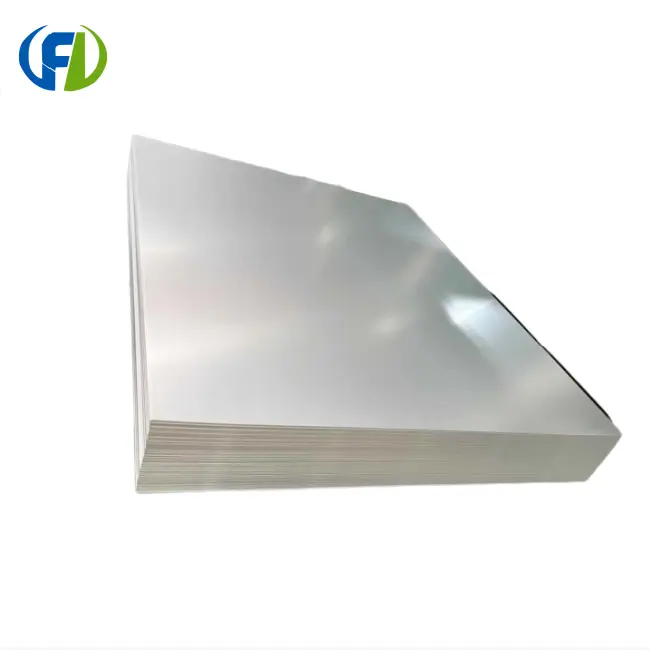
Understanding TA9 Titanium Plate Specifications and Properties
Chemical Composition and Mechanical Excellence
The chemicals that make up TA9 titanium metal are carefully matched to give it great performance properties. This engineering material has certain alloying elements that make its dynamic qualities better than those of pure titanium. The metal has a great strength-to-weight ratio, which is important for aircraft uses where reducing weight directly affects speed and fuel economy.
The mechanical qualities include a tensile strength of 550 to 750 MPa, a yield strength of 480 to 690 MPa, and a stretch value of up to 15-20%. Because of these specs, it can be used for tough jobs that need to keep the structure strong in harsh circumstances. Because it is resistant to heat, it can be used at temperatures up to 400°C, which means it can be used in more businesses.
Surface cleaning choices improve efficiency by making the surface harder and more resistant to wear. Precision cutting makes it possible to make things exactly how you want them, which meets a wide range of industry needs. Because the material is very resistant to wear, it will last a long time in repeated stress situations that are popular in the aircraft and automobile industries.
Quality Standards and Certification Requirements
The production and sale of the TA9 Titanium Plate are governed by international quality standards. The ASTM standards tell you everything you need to know about the chemistry make-up, mechanical qualities, and testing methods. These guidelines make sure that quality is the same from one seller or factory to the next around the world.
Material test records with chemical analysis, mechanical testing data, and measurement proof are needed for certification. Each batch comes with traceability paperwork, which lets quality control happen all along the supply chain. For medical uses, you need to do more biocompatibility tests and show proof that you follow FDA rules.
Protocols for quality assurance include many inspection steps, from checking the raw materials to trying the finished product. Ultrasonic examination is one type of nondestructive testing that can find problems inside that could affect performance. Verification of the dimensions makes sure that the part can be used with precision manufacturing methods that need very close margins.
Global Market Price Analysis for TA9 Titanium Plate
Current FOB and CIF Pricing Structures
The factory prices for TA9 Titanium Plate change a lot depending on the size, amount, and shipping terms. FOB prices for normal plates with a width of 3 to 10 mm are usually between $28 and $45 per kilogram. CIF price adds $2 to $5 per kilogram, based on where the goods are going and what shipping method the buyer chooses.
For normal specs, the minimum order quantity usually starts at 100 kilos. However, some providers will accept smaller amounts at a higher price. Bulk discount arrangements reward bigger orders by lowering prices by 5 to 15% for amounts over 1000 kilos. Custom requirements may come with extra costs for tools or processes.
Price changes are based on the quality grades, surface finishes, and size limits that customers specify. Premium grades with tighter specs cost more, while normal industrial grades are cheaper for uses that aren't as important. Titanium markets are affected by changes in world supply and demand, which cause prices to change on the market.
Additional Cost Components and Hidden Expenses
Tariffs and import taxes have a big effect on the total landing costs for buyers from other countries. From 0% to 15% of the value of the goods being imported, tariff rates depend on the country and the trade deal. Customs processing fees, paperwork fees, and middleman profits can add an extra $200 to $500 to each package, based on how complicated it is and what the target needs.
Logistics costs include freight fees, insurance, and handling fees that change depending on the shipping method used and how easy it is to get to the location. For major shipping lines, ocean freight costs between $800 and $1500 per ton, while air freight costs between $4 and $8 per kilogram for urgent orders. For titanium metal goods, the cost of packaging adds $50 to $150 per package.
Depending on the testing scope, quality inspection services may need a third party to check the work, which can cost an extra $300 to $800 per batch. At target ports, the cost of storage and warehouse space can add up to $10 to $25 per ton per week. Changes in the value of the currency add more risks that need to be hedged for large sales.
Key Factors Influencing TA9 Titanium Plate Pricing
Raw Material and Production Cost Variables
Titanium material prices have a direct effect on the cost of the end product; they make up 40 to 60 percent of all production costs. Prices for sponges change depending on how much energy costs, how much production capacity is being used at big providers, and how the world supply situation changes. Because processing TA9 metal is so complicated, it needs special tools and knowledge that cost a lot.
Labor costs change a lot from one production area to another, which affects how competitively different sellers place themselves. Because some production methods use a lot of energy, the cost of power is a big part of how prices are set generally. Environmental safety rules raise the cost of handling, but they also make sure that sustainable production methods are used.
Price changes for foreign deals are affected by changes in the exchange rates between major currencies. There are only a few world sources of raw materials, which limits supply during times of high demand. Lead times for production are usually between 4 and 8 weeks for normal specs and longer for special needs.
Market Demand and Supply Chain Dynamics
Demand trends in the aerospace business have a big effect on how prices change throughout the year. Schedules for making commercial airplanes cause expected demand jumps that providers use to set prices. Patterns of defense spending help to keep demand steady, with rare demand surges.
Price jumps can happen temporarily when natural disasters or global events mess up the supply chain. Supply flexibility is limited by the world's limited production capacity. This makes markets sensitive to changes in demand. Strategies used by big customers to control their inventory affect when and how much to order.
Regional trends of spending depend on the number of industries in an area and the state of the economy. The aircraft and tech industries are growing quickly in the Asia-Pacific region, which is driving strong market growth. Europe's demand stays steady, thanks to the well-established aircraft and medical device businesses.
Regional Price Comparisons and Cost Advantages
China vs. Alternative Supplier Markets
When compared to Western manufacturers, Chinese sellers usually have price benefits of 10 to 25 percent on TA9 Titanium Plate. Cost savings come from benefits in production scale and linked supply lines. In the last few years, better quality has made luxury market groups more competitive.
There are other providers in Japan and the US that charge more, but they offer better expert help and consistent quality. European providers focus on special types and custom uses, which come with higher prices. Different area sellers have different levels of delivery dependability and customer service skills.
Because of the cost of transportation, local markets support regional suppliers. Global suppliers, on the other hand, fight on product quality and ability to meet specific needs. When you need something quickly, differences in lead time can cancel out price benefits. More than just price, a supplier's ability to work together technically affects the choice of provider.
Competitive Landscape Analysis
Oligopolistic pricing happens in high grades when there are only a few big sellers in the market. For new companies to enter the market, there are big problems, like the need for technical know-how and money to start up. Big sellers use vertical merger methods to cut costs and keep an eye on the supply chain.
Standard grades are getting more competitive, but margins stay high for specific uses. With private marking agreements, wholesalers can compete with direct sales from manufacturers. Technology licensing deals make it possible for specific grades that were only available from the original creators to be made in certain regions.
Price competition focuses on high-volume uses, while new ideas drive difference in high-end uses. In addition to low prices, steady quality and reliable service are what keep customers coming back. Both sellers and big buyers benefit from long-term supply deals because they keep things stable.
Procurement Strategies for Optimal Pricing
Negotiation Techniques and Supplier Relations
Effective negotiation requires comprehensive market knowledge and clear specification requirements. Long-term partnership approaches often yield better pricing than transactional purchasing strategies. Volume commitments across multiple projects can leverage better pricing terms and priority allocation during tight supply periods.
Supplier diversification strategies balance cost optimization with supply security considerations. Regular market benchmarking ensures competitive pricing while maintaining supplier relationships. Technical collaboration opportunities can create mutual value beyond pure price negotiations.
Payment term negotiations can provide cost advantages through early payment discounts or extended credit arrangements. Currency hedging strategies protect against exchange rate risks in international transactions. Quality partnership programs can reduce inspection costs and improve delivery reliability.
OEM Customization and Cost Optimization
Custom specifications may offer cost advantages when volumes justify dedicated production runs. Tolerance optimization balances performance requirements with manufacturing costs. Surface finish specifications significantly impact pricing, requiring careful evaluation of functional requirements.
Design collaboration between suppliers and customers can identify cost reduction opportunities without compromising performance. Material utilization optimization reduces waste and associated costs. Packaging and logistics optimization can provide additional savings for large-volume purchases.
Value engineering discussions can identify alternative specifications that meet functional requirements at lower costs. Timing flexibility in delivery schedules can access lower-cost production slots. Inventory management partnerships can reduce working capital requirements while ensuring availability.
Price Forecast and Market Trends
Economic Indicators and Future Projections
Global titanium markets show steady growth driven by aerospace industry expansion and emerging applications in renewable energy sectors, including the use of TA9 Titanium Plate. Supply capacity additions planned by major producers should moderate price increases over the next 2-3 years. Economic growth in developing markets will drive demand expansion.
Technology improvements in production processes may reduce costs gradually over time. Environmental regulations will require investments in cleaner production methods, potentially impacting cost structures. Recycling technology advancement could provide alternative supply sources affecting primary production economics.
Geopolitical stability in major producing regions remains crucial for supply security and price stability. Trade policy developments may create regional price disparities and shift competitive dynamics. Currency stability between major trading partners influences pricing predictability for international transactions.
Industry Growth and Application Development
Aerospace industry growth projections indicate continued strong demand for high-performance titanium alloys. Electric vehicle development creates new applications for lightweight materials, including titanium components. Medical device innovation drives demand for biocompatible materials with superior performance characteristics.
Industrial applications expand as costs decline and processing capabilities improve. Architecture and construction sectors explore titanium applications for specialized projects requiring corrosion resistance and aesthetic appeal. Marine applications benefit from titanium's corrosion resistance in saltwater environments.
Research and development activities focus on new alloy compositions and processing techniques that could influence market dynamics. Additive manufacturing technology creates new application possibilities while potentially changing supply chain structures. Sustainability considerations drive interest in recyclable high-performance materials.
Conclusion
TA9 Titanium Plate pricing reflects complex market dynamics involving raw material costs, production capacity, and diverse application demands across aerospace, medical, and industrial sectors. Understanding these factors enables strategic procurement decisions that balance cost optimization with quality requirements.
Global supply chains offer competitive options, with Chinese manufacturers providing cost advantages while maintaining improving quality standards. Successful procurement strategies combine market knowledge, supplier relationships, and flexible specifications to achieve optimal pricing outcomes.
Future market trends suggest continued growth in titanium applications driven by aerospace expansion and emerging technologies. Price stability depends on capacity expansion keeping pace with demand growth while maintaining quality standards essential for critical applications.
FAQ
1. What factors determine TA9 Titanium Plate pricing?
Pricing depends on raw material costs, production complexity, order quantities, specifications, and market demand conditions. Quality grades and dimensional tolerances significantly impact unit costs.
2. How do minimum order quantities affect pricing?
Larger orders typically receive bulk discounts ranging from 5% to 15% for quantities exceeding 1000 kilograms. Smaller orders may carry premium pricing due to setup costs and production efficiency factors.
3. What additional costs should buyers consider?
Import duties, freight charges, insurance, customs clearance, and quality inspection services add significant costs beyond FOB prices. These can increase total costs by 15-30% depending on destination and requirements.
4. How do lead times impact pricing?
Standard lead times of 4-8 weeks typically offer better pricing than expedited orders. Rush orders may carry premium charges of 10-25% above standard pricing due to production scheduling disruptions.
5. What quality certifications are required?
Material test certificates, chemical analysis reports, and dimensional verification documentation are standard requirements. Medical applications require additional biocompatibility testing and regulatory compliance documentation.
6. How can buyers optimize procurement costs?
Long-term partnerships, volume commitments, specification optimization, and flexible delivery schedules can achieve cost reductions. Technical collaboration with suppliers often identifies value engineering opportunities.
Partner with Freelong for Premium TA9 Titanium Plate Solutions
Baoji Freelong New Material Technology Development Co., Ltd. stands as your trusted TA9 Titanium Plate supplier, delivering exceptional quality and competitive pricing from China's Titanium Valley. Our comprehensive capabilities span from raw material sourcing through precision fabrication, ensuring consistent product quality that meets the most demanding aerospace and industrial applications.
Located in Baoji City, we leverage decades of expertise in titanium alloy production and processing, including TA9 Titanium Plate. Our established relationships with global partners across Australia, Korea, Germany, the United States, and other markets demonstrate our commitment to international quality standards. We understand the critical nature of your applications and provide materials that exceed expectations consistently.
Our technical team collaborates closely with customers to optimize specifications and reduce costs without compromising performance. From small research quantities to large-scale production orders, we maintain the same rigorous quality standards. Complete material certification, dimensional verification, and traceability documentation accompany every shipment.
Contact jenny@bjfreelong.com today for detailed quotations and technical specifications tailored to your requirements. Our responsive customer service and competitive pricing make Freelong your ideal partner for reliable TA9 Titanium Plate procurement.
References
1. ASTM International Standards for Titanium and Titanium Alloys - Material Specifications and Testing Procedures for Aerospace Applications, 2023.
2. Global Titanium Market Analysis - Supply Chain Dynamics and Price Trends in High-Performance Alloy Applications, Materials Research Journal, 2024.
3. Aerospace Materials Handbook - Properties and Applications of TA9 Titanium Alloy in Aircraft Component Manufacturing, Society of Aerospace Engineers, 2023.
4. International Trade Statistics for Titanium Products - Import/Export Data and Market Share Analysis by Region, World Trade Organization Materials Database, 2024.
5. Industrial Applications of Advanced Titanium Alloys - Technical Performance and Economic Analysis in Modern Manufacturing, Engineering Materials Quarterly, 2023.
6. Medical Device Materials Compliance - Biocompatibility Standards and Regulatory Requirements for Titanium Implant Applications, Medical Device Technology Review, 2024.

_1745892009549.webp)
_1745829336106.webp)
_1768290670672.png)
_1767687328503.png)
Learn about our latest products and discounts through SMS or email