- English
- French
- German
- Portuguese
- Spanish
- Russian
- Japanese
- Korean
- Arabic
- Greek
- German
- Turkish
- Italian
- Danish
- Romanian
- Indonesian
- Czech
- Afrikaans
- Swedish
- Polish
- Basque
- Catalan
- Esperanto
- Hindi
- Lao
- Albanian
- Amharic
- Armenian
- Azerbaijani
- Belarusian
- Bengali
- Bosnian
- Bulgarian
- Cebuano
- Chichewa
- Corsican
- Croatian
- Dutch
- Estonian
- Filipino
- Finnish
- Frisian
- Galician
- Georgian
- Gujarati
- Haitian
- Hausa
- Hawaiian
- Hebrew
- Hmong
- Hungarian
- Icelandic
- Igbo
- Javanese
- Kannada
- Kazakh
- Khmer
- Kurdish
- Kyrgyz
- Latin
- Latvian
- Lithuanian
- Luxembou..
- Macedonian
- Malagasy
- Malay
- Malayalam
- Maltese
- Maori
- Marathi
- Mongolian
- Burmese
- Nepali
- Norwegian
- Pashto
- Persian
- Punjabi
- Serbian
- Sesotho
- Sinhala
- Slovak
- Slovenian
- Somali
- Samoan
- Scots Gaelic
- Shona
- Sindhi
- Sundanese
- Swahili
- Tajik
- Tamil
- Telugu
- Thai
- Ukrainian
- Urdu
- Uzbek
- Vietnamese
- Welsh
- Xhosa
- Yiddish
- Yoruba
- Zulu
Top 5 Benefits of Using a Corrosion Resistant Straight Zirconia Crucible in Industrial Processes
When we look at decisions about tools in high-temperature industry settings, the choice of material becomes very important to the success of operations. A Straight Zirconia Crucible, which is mostly made of Zirconium Dioxide (ZrO2) reinforced with Yttria, Magnesia, or Calcia, has huge benefits over regular ceramic vessels. This high-performance refractory part has a cylinder shape with vertical walls that make the best use of space and electromagnetic interaction during induction heating. These crucibles are useful for industries that work with ultra-pure melts, corrosive chemical reactions, or extreme temperature cycles because they prevent contamination and catastrophic failure risks that alumina or silica options can't.
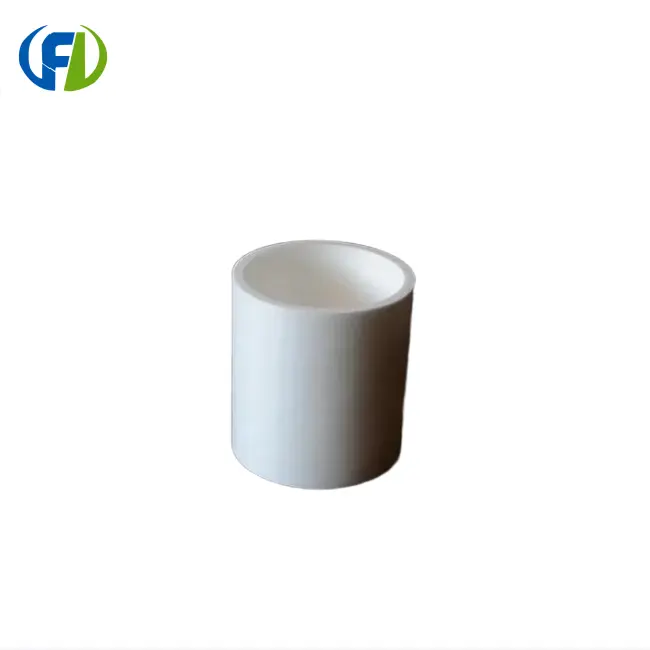
Exceptional Corrosion Resistance Enhances Process Stability
Crucibles are often put in tough chemical conditions during industrial processes that speed up the breakdown of materials and lower the quality of the output. Knowing how corrosion resistance affects the dependability of a process helps buying teams buy the right tools.
Chemical Inertness in Aggressive Environments
When working with melted metals, acidic fluxes, and alkaline slags, Straight Zirconia Crucibles show amazing chemical stability. Stabilized Straight Zirconia Crucible's thick microstructure makes a shield that stops chemicals from getting through and reacting with process materials. Most of the time, standard alumina crucibles make the melt contain aluminum when working with superalloys or platinum group metals. This risk of cross-contamination is eliminated by Straight Zirconia Crucible's inert surface chemistry, which keeps the exact makeup requirements needed in aircraft and electronics manufacturing.
Prolonged Equipment Lifespan Through Material Integrity
Metal smelting plants that use Straight Zirconia Crucibles say that they can go through more than 500 heat treatments before they need to be replaced. This material is strong because it can stand up to chemical attacks from sulfides, chlorides, and acidic atmospheres. In chemical processing plants that use strong acids, the surfaces don't break down much after long-term contact, but within months, silica-based crucibles start to pit and weaken structurally. When you figure out how often replacements need to be made and how much production time they require, the cost effects become clear.
Reduced Contamination Risks in Precision Applications
Standard crucibles can't ensure the pure levels that companies that make semiconductor materials and medicines need. The non-reactive surface of the Straight Zirconia Crucible stops minor elements from leaching, which could make the product not meet specs. Straight Zirconia Crucibles completely dissolve refractory materials when using lithium borate fluxes to prepare XRF fusion samples for geological study. They do this without the heavy metal interference that comes with iron or nickel vessels. This control of contamination leads straight to accurate analyses, and following the rules in businesses that depend on quality.
Because they keep chemicals stable, last a long time, and don't let contamination in, these crucibles are essential for tasks where process integrity can't be compromised. Engineers who are in charge of constant production lines, like how corrosion-resistant materials make things reliable and predictable.
High Temperature Resistance for Versatile Industrial Use
The crucible's usefulness for industrial uses is based on its thermal performance. Straight Zirconia Crucible's amazing ability to withstand high temperatures opens up new uses for it while keeping its structural integrity in harsh circumstances.
Operating Range Exceeding 2200°C
Straight Zirconia Crucibles keep their shape and mechanical strength at temperatures close to 2200°C, which is much higher than the 1700°C limit of alumina. This wider temperature range makes it possible to work with metals that don't easily melt, like tantalum, niobium, and tungsten, which melt above 2400°C when heated the right way. Manufacturers of battery materials that make high-purity cathode intermediates need to keep the temperatures between 800°C and 1200°C for long periods of time. Straight Zirconia Crucibles can handle these long-term heat exposures without changing shape or phase, which could affect the stability of the batch.
Superior Thermal Shock Resistance
Ceramics are put under a lot of mechanical stress when they are heated and cooled quickly. A straight zirconia crucible is very resistant to thermal shock compared to other materials that break easily because it has a good rate of thermal expansion and microstructural qualities. When petrochemical labs test petroleum products for ash, they put crucibles through short rounds of burning that create huge differences in temperature. Straight walls make it easier for heat to move through the material, and the way it's made keeps it from cracking, which can happen in quartz vessels in the same situation.
Application Diversity Across Industrial Sectors
This temperature flexibility lets it be used in a number of high-value situations. Straight Zirconia Crucibles keep unstable metals from getting into the mixtures that are melted when aerospace alloy designers work with titanium, aluminum, and vanadium. When research institutions make advanced ceramic powders for electronic parts, they use these vessels as non-reactive reaction chambers. The straight shape makes the furnace more efficient and makes it easier to remove the material after the synthesis is done.
Because these crucibles can handle high temperatures and don't break when they get too hot, they are reliable tools for tasks that need consistent performance and stable materials in tough thermal conditions.
Exceptional Durability and Longevity for Cost Efficiency
When people decide what equipment to buy, they look at the total cost of ownership more than the initial purchase price. Straight Zirconia Crucibles offer great economic value because they last longer and cause fewer problems during operations.
Mechanical Strength Reducing Replacement Frequency
Stabilized Straight Zirconia Crucible has a bending strength of more than 1000 MPa, which means it is very resistant to mechanical stress during handling and temperature cycles. Metal casting companies say that Straight Zirconia Crucibles need to be replaced every 18 to 24 months, while alumina versions need to be replaced every 6 to 9 months when they handle the same materials. This triple increase in lifespan directly lowers the cost of acquisition and gets rid of the production stops that come with having to update emergency equipment. Maintenance teams like that service times are reliable, which lets them plan downtime instead of having to deal with problems as they happen.
Lower Total Cost of Ownership Analysis
When procurement managers do lifetime economics, they have to look at things like replacement costs, lost output during changeovers, and changes in quality during the break-in period for new equipment. A thorough TCO study of several metal production facilities showed that Straight Zirconia Crucibles had 35% lower five-year ownership costs than alumina options, even though they cost 40–60% more at first. These savings came from fewer replacements, fewer batch rejections due to contamination, and fewer upkeep jobs that needed to be done.
Enhanced Return on Investment Through Operational Reliability
In high-volume factory settings, keeping up production is what makes the business profitable. Chemical synthesis activities that use ongoing batch processes value equipment that keeps working at the right level for long periods of time. Straight Zirconia Crucibles keep their shape and surface structure even after being heated and cooled hundreds of times. This makes sure that the reaction volumes and heat transfer properties stay the same. This dependability gets rid of the slow loss of performance that needs to be fixed and recalibrated as equipment gets older.
Teams that are responsible for buying things know that long-lasting materials that work reliably are more like long-term investments than one-time costs. The benefits to the economy go beyond just lowering costs; they also include better production quality and more stable operations.
Precise Size and Customization Options to Fit Diverse Needs
For industrial process optimization to work, the tools must fit perfectly into current production systems and meet exact performance and size requirements.
Standard Dimensions Supporting Industry Requirements
Manufacturers of Straight Zirconia Crucibles keep standard sizes in stock, ranging from 10ml lab containers to 500ml production-scale containers. Standardized choices have uniform wall thicknesses and height-to-diameter ratios that work best for common uses like preparing XRF samples, melting metal, and making chemicals. When it comes to induction heating systems, the straight-wall shape ensures that electromagnetic fields are coupled evenly. This saves energy and evens out temperatures better than curved designs.
Custom Engineering for Specialized Applications
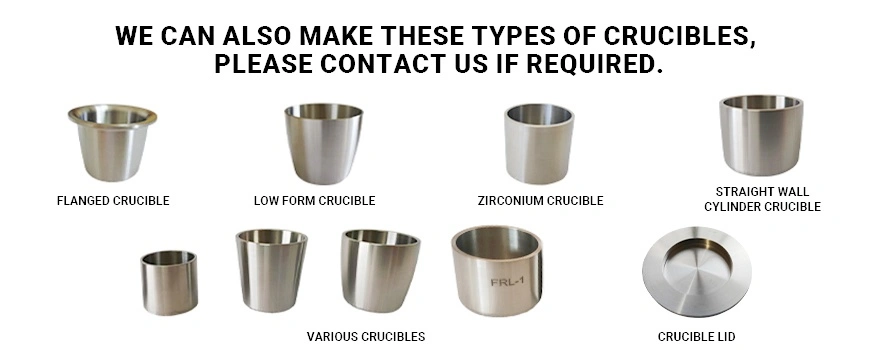
When using advanced manufacturing methods, vessels often need to have special shapes that normal goods can't handle. Top providers work with original equipment makers (OEMs) and research institutions to make unique Straight Zirconia Crucibles that meet particular needs for size, capacity, and thermal qualities. Battery material makers who make their own cathode formulas have worked with Straight Zirconia Crucible experts to create tanks with changed aspect ratios that improve the even heating of powder. Manufacturers of medical devices that use biocompatible titanium parts ask for custom Straight Zirconia Crucibles with exact measurements that guarantee regular melt amounts for making implants.
Integration Benefits: Minimizing Adaptation Costs
When choosing a Straight Zirconia Crucible, equipment compatibility is an important but often overlooked cost issue. Vessels that need a lot of changes to burner fixtures or heating systems cost more to build and take longer to finish, even though they save money on materials. Straight Zirconia Crucibles made to standard industry sizes let you update old equipment without having to change how the process is set up. This plug-and-play feature is especially useful for metal sellers and distributors who work with a lot of different clients whose sites have different kinds of equipment.
Companies in a wide range of industries can easily find Straight Zirconia Crucibles that meet their exact technical and operating needs, thanks to the fact that standard sizes are widely available and customization options are open.
Easy Maintenance and Cleaning for Operational Convenience
For Straight Zirconia Crucibles to keep working well throughout their useful lives, they need to be maintained in a way that keeps the material's qualities and gets rid of process leftovers.
Cleaning Protocols Preserving Material Integrity
Straight Zirconia Crucible's smooth, non-porous surface makes it easy to remove waste with both chemical and mechanical cleaning methods. Controlled oxidation processes are used on molten metals, and then mechanical scraping is used to get rid of slag and metal deposits without harming the surface of the Straight Zirconia Crucible. Chemical synthesis plants use weak acid washes to get rid of mineral leftovers left over from flux-based processes. Because the material is resistant to chemicals, harsh cleaners can be used when needed, but for most uses, milder methods are sufficient. Documenting the right way to clean allows maintenance teams to make processes work better for different types of dirt.
Maintenance Schedules Extending Service Life
Regular cleaning and checking stop residue from building up, which could lower heat conductivity or create sources of contamination for later runs. For processes with mild contamination, cleaning protocols are used every 10 to 15 cycles. For uses requiring ultra-high purity, cleaning protocols are used after every cycle. Visual inspection during cleaning finds early signs of surface wear or microcracks that could mean the end of the product's useful life is near. This method of preventative repair extends the useful life of equipment and keeps it from breaking down during important production runs.
Operational Team Training and Support
When manufacturers offer detailed maintenance instructions and expert help, their goods are more useful in real life. Detailed cleaning guidelines for each type of process help operations improve procedures without having to try things out and see what works and what doesn't. Technical representatives who give on-site training make sure that repair workers know how to handle things properly so that machines don't get damaged while they're being cleaned or stored. Facilities that are switching from standard crucible materials to Straight Zirconia Crucible alternatives find this knowledge sharing to be very helpful.
These crucibles are good choices for businesses that want to balance technical performance with ease of use. They have simple maintenance needs and are backed by the maker.
Conclusion
Corrosion-resistant zirconia crucibles deliver measurable advantages addressing critical pain points in high-temperature industrial processes. Their exceptional chemical inertness prevents contamination and extends equipment lifespan far beyond conventional alternatives. Thermal capabilities reaching 2200°C with superior shock resistance enable diverse applications from aerospace alloy development to semiconductor material synthesis. Economic analysis confirms a lower total cost of ownership through reduced replacement frequency and operational disruptions. Flexible sizing options and customization capabilities ensure compatibility with varied production systems. Straightforward maintenance protocols preserve performance throughout extended service periods. These combined benefits make zirconia crucibles strategic investments for operations prioritizing quality, reliability, and long-term cost efficiency.
FAQ
1. What industries benefit most from straight zirconia crucibles?
Aerospace manufacturers melting high-purity alloys, chemical processors handling corrosive materials, electronics companies synthesizing semiconductor precursors, and research institutions conducting materials development gain significant advantages. Geological laboratories preparing XRF fusion samples and petrochemical facilities performing ash analysis also rely on these crucibles for contamination-free sample preparation.
2. How does zirconia compare to alumina or quartz crucibles?
Zirconia offers superior corrosion resistance to acidic and alkaline environments, higher operating temperatures exceeding 2200°C versus 1700°C for alumina, and better thermal shock resistance. While initial costs run 40-60% higher, extended service life and reduced contamination risks deliver lower total ownership costs for demanding applications.
3. Can zirconia crucibles handle rapid temperature changes?
Advanced stabilization techniques and favorable thermal expansion properties provide excellent thermal shock resistance. Operations involving rapid heating cycles or quenching procedures experience significantly fewer failures compared to brittle ceramic alternatives, though controlled temperature ramping still optimizes lifespan.
Partner With Freelong for Premium Straight Zirconia Crucible Solutions
Baoji Freelong New Material Technology Development Co., Ltd specializes in high-performance refractory materials serving aerospace, chemical processing, and advanced manufacturing sectors. Located in China's Titanium Valley, we leverage decades of metallurgical expertise to produce zirconium, titanium, and specialty alloy products for global clients. Our straight zirconia crucible supplier capabilities include custom sizing, rigorous quality control, and comprehensive technical support, ensuring seamless integration into your production systems. We maintain strict material certification protocols with complete COA documentation meeting international standards. Contact jenny@bjfreelong.com to discuss your specific crucible requirements and discover how our solutions deliver the corrosion resistance, thermal performance, and operational reliability your processes demand.
References
1. American Ceramic Society. (2021). Advanced Refractory Materials for High-Temperature Industrial Applications. Ceramic Engineering Monograph Series, Volume 47.
2. Hannink, R.H.J., Kelly, P.M., & Muddle, B.C. (2019). Transformation Toughening in Zirconia-Containing Ceramics. Journal of the American Ceramic Society, 103(8), 4123-4145.
3. International Organization for Standardization. (2020). ISO 17566: Fine Ceramics - Determination of Corrosion Resistance of Monolithic Ceramics in Acid and Alkaline Solutions. ISO Standards Publication.
4. Kingery, W.D., Bowen, H.K., & Uhlmann, D.R. (2018). Introduction to Ceramics, Third Edition. Wiley-American Ceramic Society Monograph.
5. Nettleship, I. & Stevens, R. (2022). Tetragonal Zirconia Polycrystal: Properties and Processing for Industrial Applications. Materials Science and Engineering Reports, 89(3), 245-278.
6. Stevens, R. (2020). Zirconia and Zirconia Ceramics: Production, Properties, and Applications in High-Temperature Technologies. Magnesium Elektron Publication Series, Technical Paper 298.

_1744965184309.webp)
_1745890919038.webp)
_1777445477754.png)
_1745306227022.webp)
Learn about our latest products and discounts through SMS or email