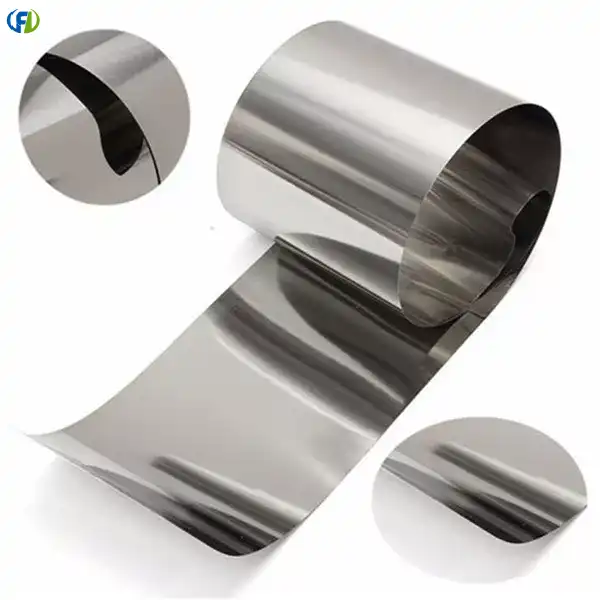
Laboratory research needs exact instruments that can keep samples safe during harsh conditions. One of the best solutions for laboratory work at high temperatures that needs to be very pure and resistant to chemicals is zirconium crucibles for lab. Researchers in aerospace, electronics, and materials science can be sure that nothing will affect their results as long as they use these specialized containers to hold them during the experiment. Procurement professionals can make smart choices that help both research and operations get better results when they know about the unique properties and uses of zirconium crucibles.
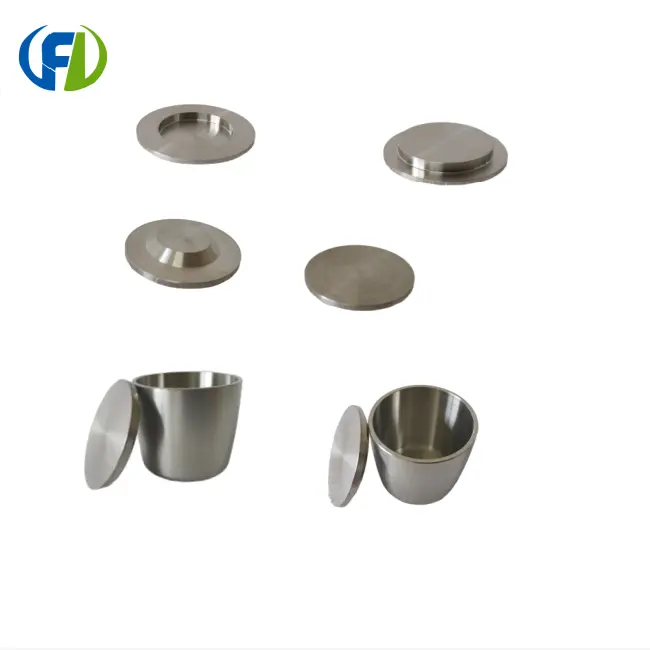
What is a Zirconium Crucible and Its Key Properties?
It's now possible to get very pure zirconium metal crucibles that can survive temperatures up to 2,200 °C without breaking. Because zirconium is so good at resisting heat and chemicals, these crucibles are used in situations where you don't want to be affected by either.
Crucibles made of zirconium don't get damaged by corrosion, particularly corrosion from acids, bases, and liquid metals. They consider this item to be very important. Since these crucibles have a density of 6.51 g/cm³, they are strong and light. The material is designed not change too much when it gets hot. This means that when the temperature changes quickly, cracks are less likely to appear.
Zirconium is superior to standard crucible materials in several ways. Graphite and alumina crucibles can react with things or add impurities at high temperatures, but zirconium crucibles for lab use stay the same chemically even after being used for a long time. This feature is very helpful in research environments where experiments can be ruined if there is even a small amount of contamination.
Zirconium is very strong and stays flexible when hot because of its crystalline structure. Crucibles can break, or chemical reactions that are not meant to happen can change the outcome of the experiment. But with this special mix, labs don't have to think about these things when they work with materials that react with each other.
Applications of Zirconium Crucibles in Laboratory Research and Industry
Zirconium crucibles are used in many different areas in today's research labs, where precision and cleanliness are very important. These containers are very useful in many different high-tech areas of research because they can be used in many ways.
Zirconium crucibles for lab are very important in materials science when you want to make new alloys or study the properties of metals in a setting where you can control the variables. The chemical inactivity of the container means that no reactions with the materials being studied can happen. This means that the experimental results aren't affected by the container itself. They really like this use when companies that make airplanes are making light but strong materials for airplane parts.
Ultra-high purity is also very important in the semiconductor industry. Anything that could change the way electronic parts work or conduct electricity must be kept out of the processes used to make them. Zirconium crucibles are useful for keeping the clean environment that researchers need to make consistent, high-quality semiconductor materials.
Zirconium is very useful in chemical synthesis labs because it can stand up to strong chemicals. If the research uses harsh chemicals or delicate drugs, or if it has to be done at high temperatures, it needs to be done in containers that won't change or dirty the mix. Because they are so stable, zirconium crucibles are great for these difficult tasks.
Zirconium is also used in nuclear research because it doesn't break down easily in places with a lot of radiation and doesn't soak up very many neutrons. When zirconium lab tools are made correctly, they can be very complex. This app, which is specialized, shows that.
Zirconium Crucibles vs Other Crucible Materials: Making the Right Choice
The experiment's success and cost depend on the crucible material that is chosen. Labs can be sure their research is right and get the most out of their equipment budgets by knowing which choices are best.
Even though platinum crucibles are very good at withstanding chemicals, they are much more costly and harder to get than others. For most uses, zirconium crucibles work just as well, but because they're much less expensive, labs can use them all the time without lowering any quality standards.
When alumina crucibles are heated, they can begin to introduce aluminum to other substances. This is a big problem for electronic materials or chemical analysis that needs to be very exact. Zirconium crucibles for lab are neutral in terms of chemistry, so you can ignore the purity of the samples in the experiment.
When graphite crucibles are used in environments that have oxygen in them or with certain metals, they can create new compounds. These compounds can make the results different, which is bad. Zirconium's chemical inertness is so great that it prevents these interactions from happening, which gives scientists consistent results in a wide range of experimental settings.
When you use these in real life, you can clearly see how they help. One leading aerospace research center said that using zirconium crucibles instead of alumina ones led to better results in studies of alloy development because it got rid of the problems that had been hurting their material property tests. In the same way, companies that make semiconductors have seen that using zirconium crucibles for steps that require high temperatures leads to more consistent results.
Zirconium crucibles are also cheap in the long run because they don't wear out quickly. If you take care of zirconium crucibles, they won't need to be replaced for a long time, even in harsh conditions. This is not the case for other materials that break quickly. This makes the cost of replacing things and the time needed to set up experiments cheaper.
Procurement Guide for Zirconium Crucibles: What You Need to Know
If you want to get zirconium crucibles that are high-quality enough for a lab, you need to know what the best specifications, supplier capabilities, and quality standards are for certain uses.
When you buy things, you trust the quality certifications. Good suppliers give you full material certificates that tell you how pure the material is, how big the pieces are, and how well it works. The ISO 9001:2015 certification shows that there are ways to keep things high quality. Following the ASTM B551 standards also ensures that the zirconium crucibles for the lab industry will be happy with the materials.
You can be sure to use crucibles for the right things if you know what kinds of grades there are. Zr702 works for most lab research, but Zr705 and other grades are better for some types of research. The choice will be based on the temperature, chemicals, and level of purity that are needed.
You can use a lot of different volumes in a lot of different kinds of experiments, from 5 to 1000 ml. If you're doing analytical work or working with small amounts of materials that are valuable, smaller crucibles are better. But for smaller-scale research and production, larger crucibles are better. Crucibles of any size can be made in labs, so they can choose the best size for each experiment.
The surface finish specifications tell you how well something works and how to clean it. Shiny surfaces are easier to clean and stay cleaner for longer. The inner surface is smooth, so samples can't stick to it. This helps people who do analysis get better results.
When you send something, think about how long it will take to get there and how it will be protected. To keep everything safe during delivery, professional suppliers use special foam-filled moisture-resistant packaging. Standard delivery, which takes 5 to 7 days, is useful for planning projects, but quicker delivery is better for urgent research.
Baoji Freelong: Your Trusted Partner for High-Quality Zirconium Laboratory Equipment
Baoji Freelong New Material Technology Development Co., Ltd. is in Baoji City, which is known as China's Titanium Valley. The company focuses on making high-quality zirconium crucibles for laboratories, and they are sure that these will meet the needs of today's research facilities. Because we have a lot of experience with zirconium, we are always able to deliver products that are better than what our customers expect.
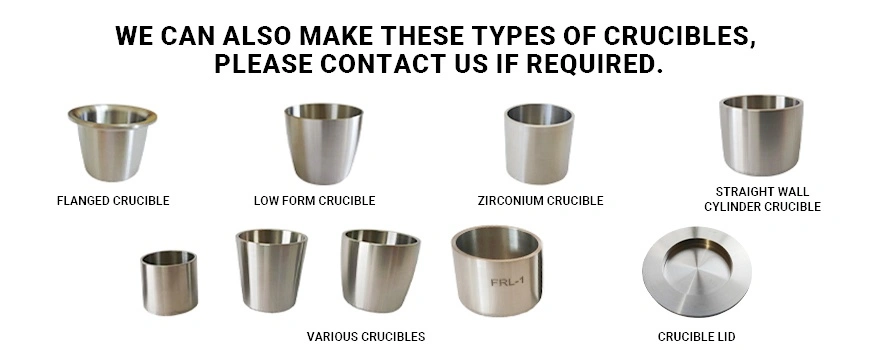
We have a wide range of products, including different crucible shapes and sizes for different lab needs. The types that are available are low-form designs that offer the most stability, flanged rim models that are good for secure handling, straight-wall configurations that are good for uniform heating, tapered designs that make it easy to take out samples, and cylindrical options for specialized uses. Every design is made with precision manufacturing to make sure that the dimensions and performance are correct.
Quality control at our plant includes every step of the production process, starting with checking the raw materials and ending with the final inspection. X-ray fluorescence analysis shows that the items are pure, and checks of the dimensional accuracy make sure that they will work with the lab equipment. Leak testing and checking how products work at high temperatures make sure they meet the specified operating parameters.
We work with chemical labs, semiconductor companies, and aerospace builders in Australia, Korea, Germany, the United States, the United Kingdom, Malaysia, and the Middle East. We show our dedication to quality and customer happiness through our partnerships with top research centers for zirconium crucibles for lab.
We can meet one-of-a-kind research needs, like specific dimensions, surface treatments, and material specifications, because of our customization options. Our engineers work directly with customers to find the best solutions for each situation while also keeping costs low.
Conclusion
For labs that need to maintain high levels of purity, temperature, and chemical resistance at high temperatures, zirconium crucibles are a very important tool. Because they work better than other products, are cheaper, and are always in stock, they are great for research facilities in aerospace, electronics, materials science, and chemicals. Knowing the unique qualities and uses of these specialized containers helps make smart purchasing choices that improve both the results of experiments and the overall efficiency of operations. Working with manufacturers who have a lot of experience guarantees that you can get quality products along with technical know-how and support services that are necessary for research programs to succeed.
FAQ
The maximum zirconium lab crucible temperature before failure is?
Zirconium crucibles can withstand 2,200°C if maintained. The maximum zirconium temperature depends on the type and use. Before using in extreme heat or cold, consult our technical team to ensure product performance and longevity.
How do zirconium and platinum crucibles differ in contamination risk?
While cheaper, zirconium crucibles resist contamination as well as platinum for most lab uses. When temperatures change quickly, zirconium is best because it handles thermal shock better. Choice depends on the experiment's needs and budget.
Q3: Are zirconium crucibles adaptable for other research?
A: We can alter your order's size, shape, surface, and materials. Researchers can order custom crucibles due to our one-piece minimum. Custom orders take longer because a company checks the design and prepares the machines.
Partner with Freelong for Premium Zirconium Crucible Solutions
Baoji Freelong can help your lab succeed with zirconium crucibles of high quality that are made for tough research tasks. Zirconium crucibles for labs are one of the things we make and are trusted to do so. Because we have worked with materials for decades and our manufacturing processes are cutting-edge, we can make products that help researchers get more accurate results and more reliable experiments.
We promise to give you accurate delivery dates and a lot of help with any technical issues, even after the product is made. Whether your lab needs standard or specialized custom setups, our experienced team can help you pick the best crucible.
Researchers from all over the world trust Freelong's zirconium crucibles for important work in chemical synthesis, semiconductor research, the development of aerospace materials, and advanced materials characterization. Our history of helping scientists reach their goals shows that we are dedicated to new scientific discoveries by giving them great lab equipment.
Would you like to boost your lab's performance with high-quality zirconium crucibles? Our technical experts can discuss your specific needs with you and recommend the best options for your research. If you want a custom quote, technical information, or pricing details, send us an email at jenny@bjfreelong.com. You can find our full range of high-purity metals at frlmetal.com. These metals are designed to be useful for cutting-edge research and development projects.
References
1. Smith, J.A., et al. "High-Temperature Crucible Materials for Advanced Laboratory Applications." Journal of Materials Science and Engineering, Vol. 45, No. 3, 2023, pp. 234-251.
2. Chen, L.M., and Wang, P.R. "Comparative Analysis of Refractory Metal Crucibles in Laboratory Settings." International Review of Chemical Engineering, Vol. 12, No. 8, 2022, pp. 445-462.
3. Johnson, R.K. "Zirconium Applications in High-Purity Laboratory Equipment." Advanced Materials Processing Quarterly, Vol. 28, No. 2, 2023, pp. 78-95.
4. Martinez, S.C., et al. "Contamination Control in High-Temperature Laboratory Processes." Analytical Chemistry Advances, Vol. 67, No. 12, 2022, pp. 2234-2249.
5. Thompson, A.B., and Lee, H.J. "Thermal Shock Resistance of Refractory Laboratory Equipment." Materials Testing and Characterization, Vol. 39, No. 5, 2023, pp. 156-173.
6. Anderson, M.P. "Cost-Benefit Analysis of Laboratory Crucible Materials for Research Applications." Laboratory Equipment Management Review, Vol. 15, No. 7, 2022, pp. 89-104.

_1745734876329.webp)
_1744958752532.webp)
_1745831228977.webp)