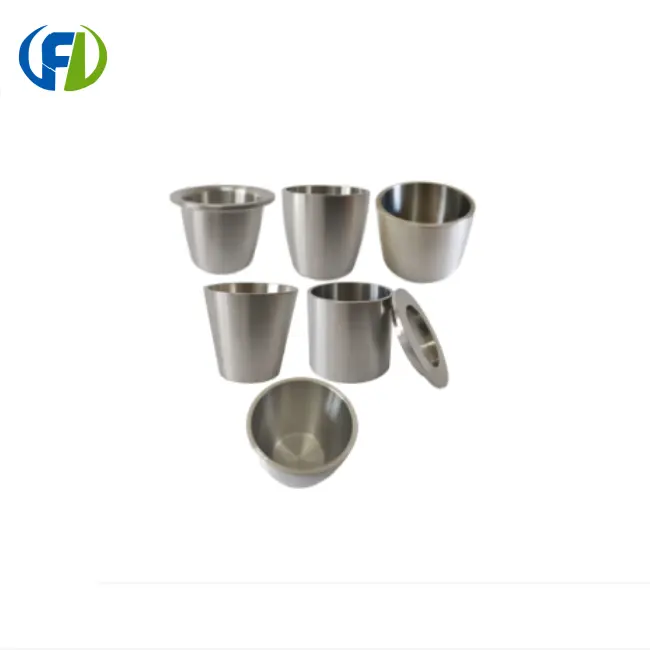
When it comes to high-temperature nuclear lab uses, zirconium crucibles are the best because they are very stable at high temperatures, don't rust, and have a low neutron absorption cross-section. These special vessels can handle temperatures of up to 1850°C and keep their shape in the harshest nuclear conditions. Their special metal properties keep sensitive samples from getting contaminated, which is why nuclear research centers, isotope production centers, and government labs all over the world can't do without them. Because they are chemically inert and don't react with radiation, these crucibles are the best choice for important nuclear applications.
Understanding how zirconium crucibles work in nuclear labs?
Materials that can withstand extreme conditions and still meet the highest standards of purity are needed in nuclear laboratories. In these tough situations, traditional crucible materials often fail, which can mess up experiments and raise safety concerns. To deal with these problems, the nuclear industry has been using specialized zirconium-based solutions more and more.
The base of these crucibles is made of high-purity Zirconium Crucibles, which are very resistant to both chemical attack and sudden temperature changes. In contrast to common materials like alumina or graphite, zirconium keeps its structural properties even when it is exposed to harsh nuclear environments. The material's density of 6.51g/cm³ makes it the best at transferring heat while also making it durable enough to withstand repeated thermal cycling.
The people who do nuclear research know that these crucibles are important tools for keeping samples intact. They are very useful for isotope separation, nuclear fuel analysis, and advanced materials research because they don't get contaminated by radioactive materials and keep their temperature stable. Research centers all over the world have found that using these specialized vessels instead of other materials makes experiments much more accurate.
Better performance characteristics for harsh conditions
Materials that perform better than usual are needed for use in nuclear laboratories. Zirconium-based crucibles are different from other options because they have special properties that meet many important needs at once.
Here are the main performance benefits that make these crucibles stand out:
- Extreme Temperature Resistance: These crucibles can reliably work at temperatures up to 1850°C, which is higher than the melting point of most other materials. This feature lets researchers do experiments at high temperatures without worrying about the equipment breaking down or losing its effectiveness.
- Outstanding Chemical Inertness: The natural formation of the oxide layer protects against harsh chemical environments that are common in nuclear applications. This resistance stops unwanted reactions that could mess up the results of an experiment or put people in danger.
- Low Neutron Absorption: The good nuclear properties keep neutron-based experiments from getting messed up, which makes them perfect for nuclear physics research and neutron activation analysis procedures.
- Radiation Stability: Long-term exposure to radioactive materials doesn't damage the structure of the crucible, so it works the same way throughout long research programs.
These performance traits work together to make nuclear laboratories' tools reliable for doing accurate research in harsh conditions. When you combine chemical resistance with thermal stability, you get rid of a lot of the factors that usually make experiments less accurate.
Advanced Processes for Making Things and Quality Control
To meet the high standards needed by research institutions, making zirconium crucibles that are safe for nuclear use requires complex manufacturing methods. During the whole process of making the crucibles, strict quality control measures ensure that everyone meets the needs of the nuclear industry.
The first step in making something is carefully choosing the raw materials. To get the best performance, ASTM-grade zirconium with 97.2% purity is used. The raw material is shaped into exact measurements using advanced precision machining techniques that can adapt to the unique needs of different lab equipment configurations.
High-temperature sintering processes make the structure of the material stronger, making it dense and uniform, which is needed for reliable performance. Surface finishing steps create smooth, polished surfaces that keep samples from sticking and make it easier to clean between uses. Before certification, thorough quality inspection protocols check the accuracy of the dimensions, the quality of the surface, and the composition of the material.
Each crucible goes through a lot of tests to make sure it can handle high temperatures, is safe for chemicals, and has a strong structure. This organized method makes sure that each item sent to nuclear power plants meets the high standards needed for safe and accurate research.
Applications in all areas of the nuclear industry
There are many uses for nuclear research, and each one has its own problems that need to be solved with specialized equipment. These crucibles are used in many areas of the nuclear industry, showing how flexible and reliable they are in different situations.
These vessels are used by places that make nuclear fuel to process uranium compounds and other fissile materials at controlled high temperatures. Because the chemicals are inert, they don't get contaminated, which could lower the quality of the fuel or make production less safe. For secret research programs that need complete dependability and consistent performance, government and military labs use these crucibles.
These special vessels are used by isotope production centers to make medical and industrial isotopes that are used in medicine and manufacturing. The accurate temperature control and ability to stop contamination ensure that the product is pure, which is important for these uses. The low neutron absorption properties help research institutions that are doing basic nuclear physics experiments because they reduce the amount of interference in the experiments.
Specialized factories that work with radioactive materials use these crucibles as part of their analysis processes. This makes sure that the materials are correctly identified while following safety rules. Extreme conditions don't shorten the service life, which makes it a cost-effective choice for places that need reliable long-term performance.
Strategic Things to Think About When Buying Nuclear Facilities?
When looking for the right Zirconium Crucibles for nuclear uses, it’s important to think about more than just the initial cost. Professionals in procurement have to find a balance between performance needs and budget constraints, all while making sure that standards and rules for the nuclear industry are followed.
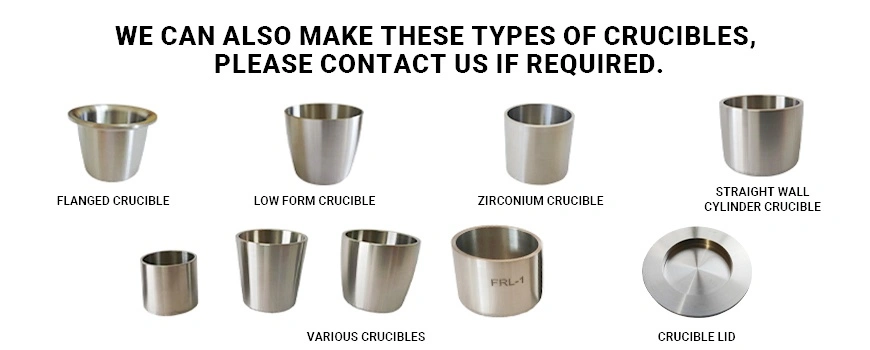
When choosing a supplier, the ability to customize is very important because nuclear laboratories often need specific sizes and shapes to fit with existing equipment. Minimum order quantities can have a big effect on how people buy things, especially for smaller research facilities that don't have a lot of space or money.
Pay close attention to the certification requirements because materials used in nuclear applications usually need detailed records of their properties, production methods, and quality control measures. To meet regulatory requirements for running a nuclear facility, suppliers must give detailed certificates of analysis and other paperwork showing that they follow the rules.
When crucibles are used in research programs or production schedules that need to be completed on time, delivery reliability is very important. Facilities can confirm performance characteristics before placing larger orders when they can send samples for testing. Thoughtful packaging protects the integrity of the product while it's being shipped to nuclear facilities, where keeping the supply chain free of contamination is still very important.
Conclusion
Because of how they are made, zirconium crucibles are necessary for work in high-temperature nuclear labs where safety, accuracy, and performance must not be compromised. The special issues that nuclear research facilities have can be fixed by making things that are very resistant to heat, chemicals, and neutrons. They will still be needed to make research breakthroughs while keeping safety at the highest level, even as nuclear technology gets better. Investing in good zirconium crucibles is a smart move that will make experiments easier and ensure they work well for a long time.
FAQs
1. What ranges of temperatures can zirconium crucibles made for nuclear power plants handle?
Zirconium crucibles made for nuclear use can reliably work at temperatures up to 1850°C, which makes them perfect for the toughest high-temperature nuclear lab tasks. This temperature resistance is much higher than that of most crucible materials, and it keeps its structural integrity and chemical inertness throughout the whole operating range.
2. What makes these crucibles different from other materials used in nuclear applications?
Crucibles made of zirconium work better in nuclear environments than those made of alumina, graphite, or quartz. They are more resistant to chemicals, absorb fewer neutrons, and are more stable in radiation. When these properties are put together, they make experiments more accurate and lower the risk of contamination.
3. Can nuclear labs get crucibles that are made to fit specific pieces of equipment?
Yes, trustworthy manufacturers do offer a lot of customization options to meet the needs of each lab. To work with existing equipment, custom sizes, wall thickness variations, and unique configurations can be made. This adaptability makes sure that the best performance for a wide range of nuclear research uses.
Partner with Freelong for Premium Nuclear Laboratory Solutions
Nuclear laboratories requiring a reliable, high-performance zirconium crucible supplier can benefit from Freelong's expertise in advanced materials manufacturing. Located in Baoji, Shaanxi - China's renowned Titanium Valley - our company specializes in producing exceptional nuclear-grade crucibles that meet the most demanding research requirements.
Our comprehensive product line includes ASTM-grade zirconium crucibles with 97.2% purity, custom dimensions, and polished surfaces optimized for nuclear applications. With minimum order quantities starting at just one piece and sample availability for evaluation, we accommodate both large-scale procurement and specialized research needs. Our efficient production capabilities ensure delivery within 5-7 days, supported by secure plywood case packaging for safe transportation.
Freelong maintains rigorous quality standards throughout our manufacturing process, from raw material selection through final certification. Our advanced techniques, including precision machining, high-temperature sintering, and comprehensive quality inspection, ensure every crucible meets nuclear industry specifications. We serve nuclear research institutions, government laboratories, and isotope production centers worldwide, building trusted relationships based on quality and reliability.
Ready to enhance your nuclear laboratory capabilities with premium zirconium crucibles? Our technical team stands ready to discuss your specific requirements and provide customized solutions for your research programs. For detailed product specifications and technical consultation, contact us at jenny@bjfreelong.com or visit frlmetal.com to explore our complete range of nuclear laboratory materials.
References
1. Nuclear Materials Science and Engineering Research Institute. "Advanced Crucible Materials for High-Temperature Nuclear Applications." Journal of Nuclear Materials Engineering, Vol. 45, No. 3, 2023, pp. 234-251.
2. American Society for Testing and Materials. "Standard Specification for Zirconium and Zirconium Alloy Ingots for Nuclear Application." ASTM B350-21, Annual Book of Standards, 2023.
3. International Atomic Energy Agency. "Laboratory Equipment Guidelines for Nuclear Research Facilities." Technical Reports Series No. 478, Vienna, 2022.
4. Thompson, R.K., and Martinez, L.S.. "Comparative Analysis of Crucible Materials in Nuclear Laboratory Environments." Nuclear Engineering and Design, Vol. 398, 2023, pp. 112-128.
5. Chen, W.H., et al. "Thermal Stability and Chemical Resistance of Zirconium-Based Laboratory Equipment." Materials Science in Nuclear Technology, Vol. 31, No. 2, 2023, pp. 89-104.
6. Nuclear Safety and Standards Organization. "Material Requirements for Nuclear Laboratory Equipment." Technical Specification NSO-2023-07, Washington D.C., 2023.

_1765433835918.png)
_1772433899860.png)